Decider over Observer
Deciders have more balanced Observer poles in the middle: Control (Oi) and Chaos (Oe). Organizing what's known and handling what's new tend to feel more manageable. People are the harder territory. Self (Di) and Tribe (De) sit at the extremes, so judgment, rejection, approval, and conflict can trigger the strongest reactions.
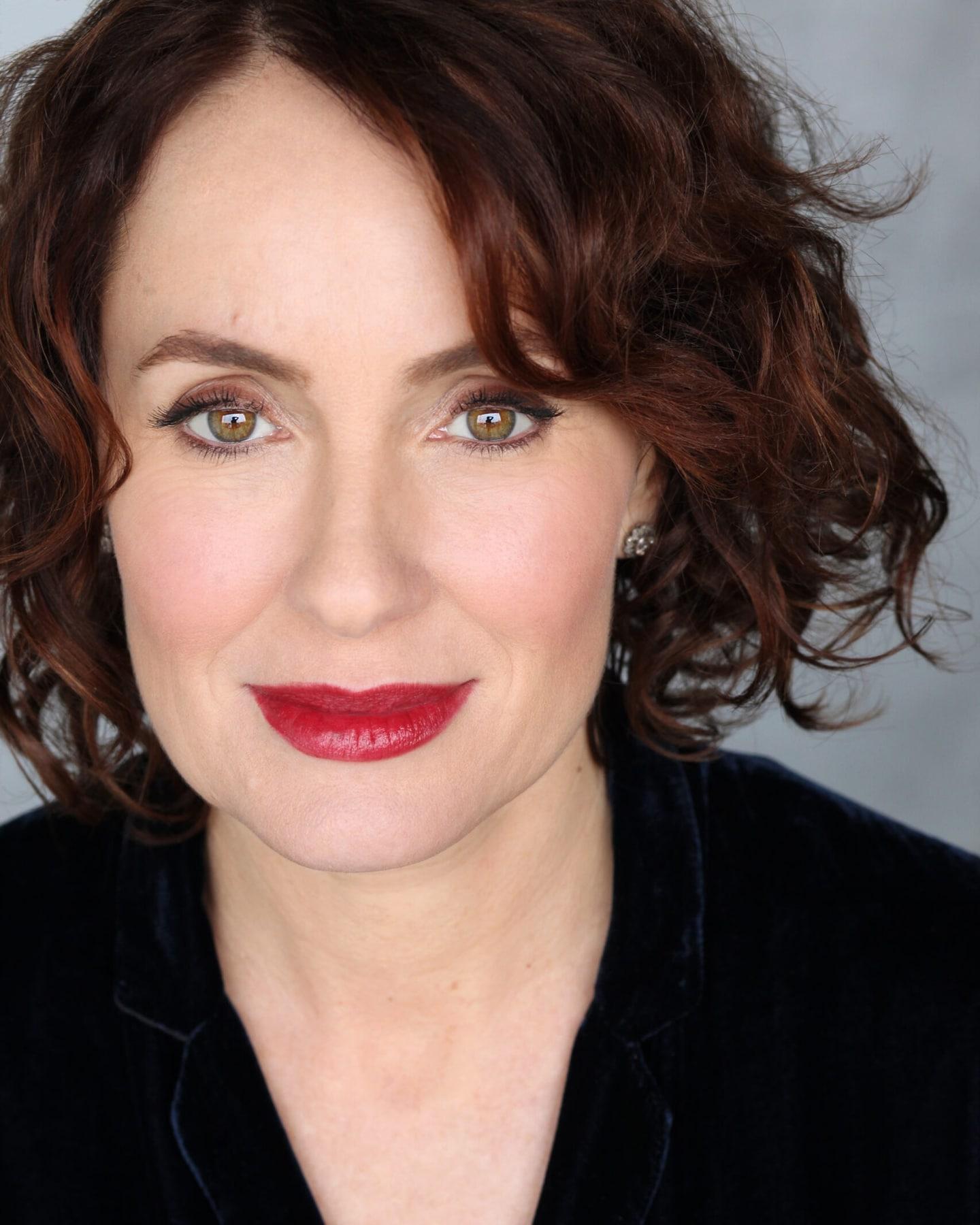
Susan David’s public career keeps putting her in judgment-heavy human rooms: she founded a consulting firm, co-founded the Harvard/McLean Institute of Coaching, wrote a bestseller, then carried the message onto the TED stage. That pattern points to Decider friction more than circumstance friction. The recurring challenge is not simply gathering more facts about emotion, but moving people, credibility and buy-in around emotionally uncomfortable truths. The strength is a willingness to enter significance-laden conversations and make them useful. The blind spot is pushing for interpersonal clarity so hard that slower, messier human pacing can look like resistance rather than process.