The Personality Atlas
THE CELEBRITY PERSONALITY ARCHIVE / FILM & TELEVISION

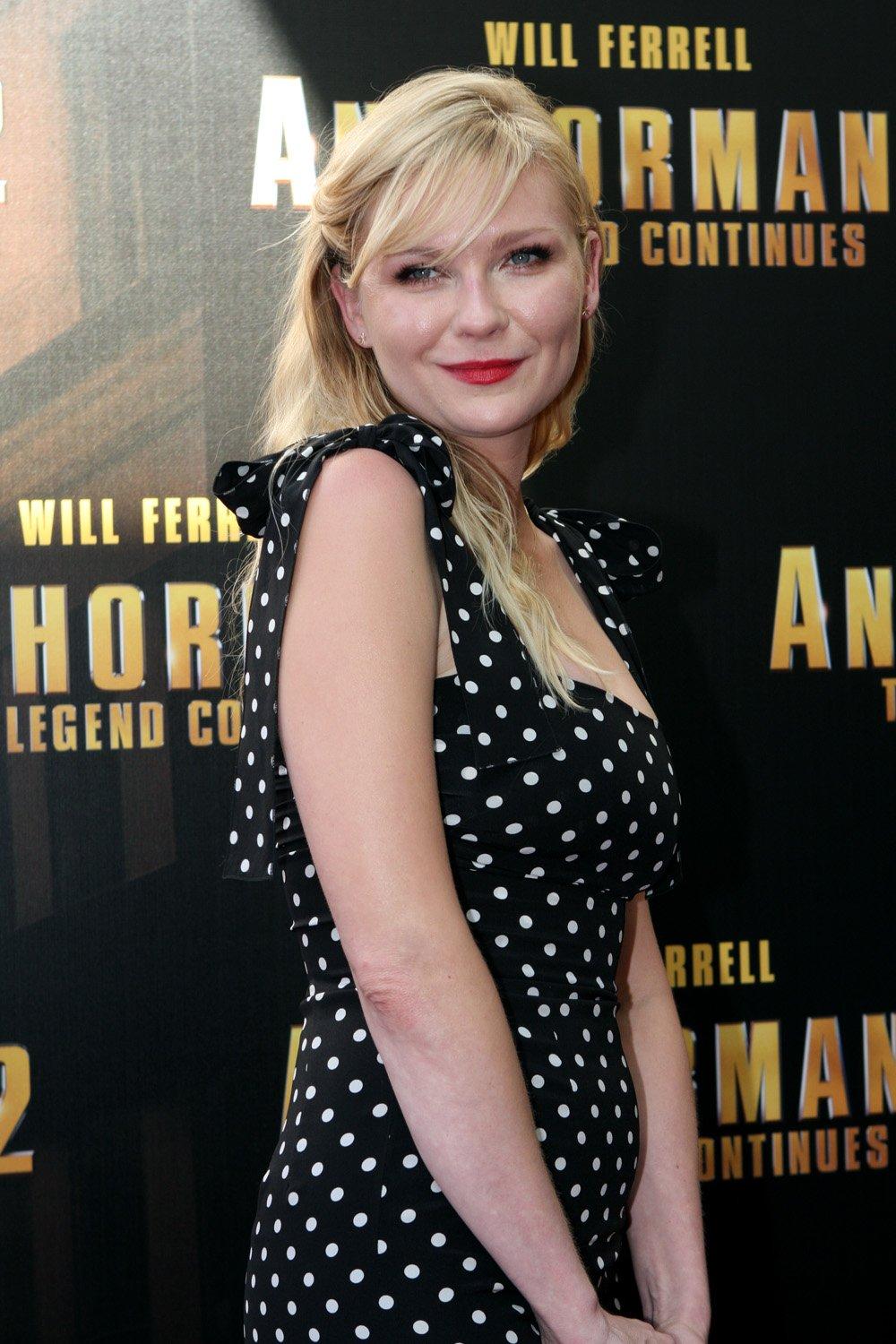
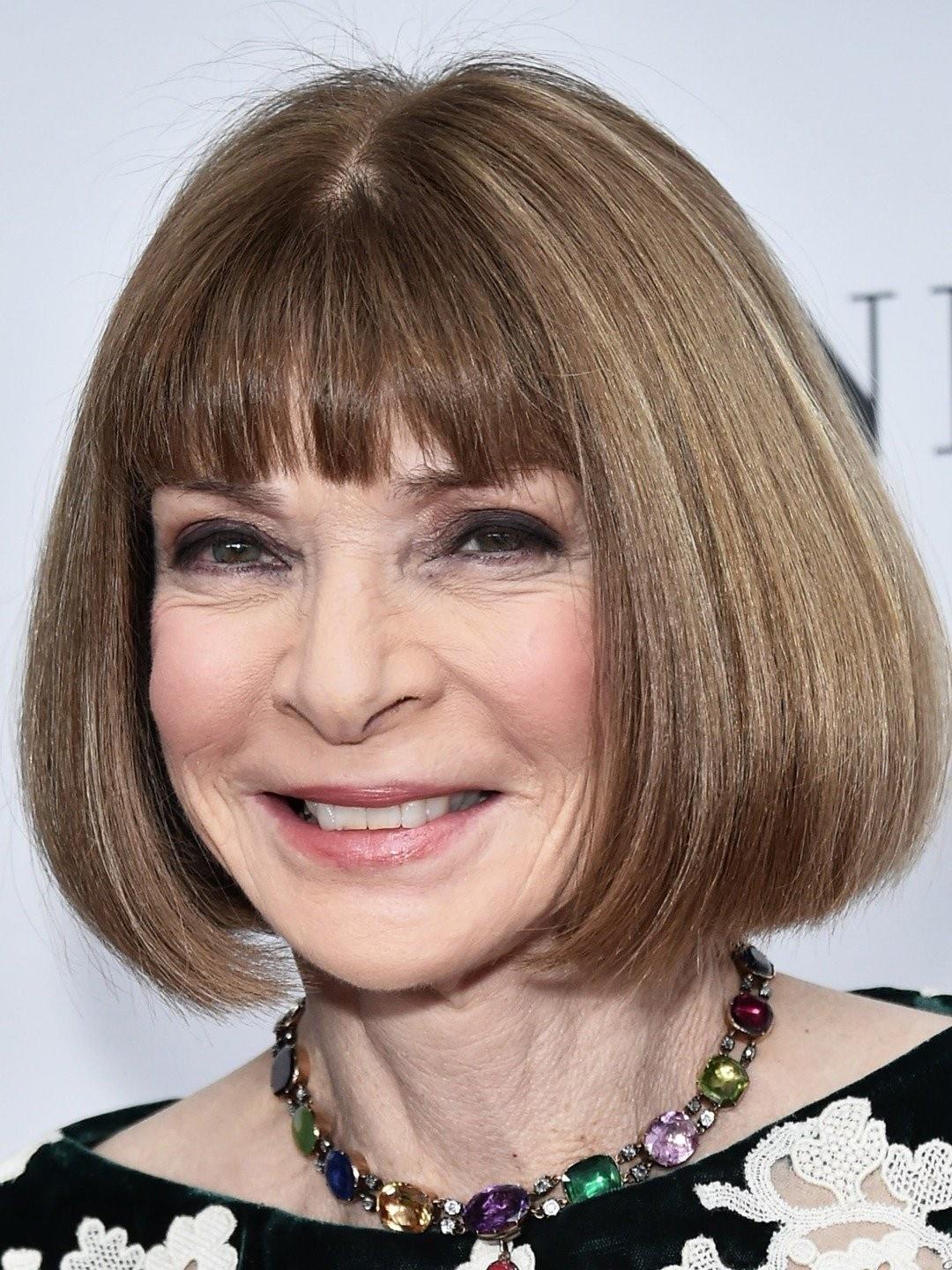
Kirsten Dunst.

Actor · Singer · Director

Kirsten Dunst went from child-model commercials and Interview with the Vampire to Spider-Man, Melancholia, Fargo and Civil War without ever losing that slightly unreadable steel at the center. She can look soft, sunny or romantic on camera, then tilt a role toward something sharper—skepticism, fatigue, calculation, hurt—without making a show of the turn.

OBJECTIVE PERSONALITY CLASSIFICATIONFM-Te/Si-BS/C(P) #3What does this mean?
PERSONALITY SYSTEMObjective Personality
LEAD FUNCTIONTe · Extroverted Thinking
SECOND SAVIOR FUNCTIONSi · Introverted Sensing
MBTI EQUIVALENTESTJ
01 / BEHIND THE CLASSIFICATION

The personality behind the fame.

How does a recorded OPS classification like FM-Te/Si-BS/C(P) #3 break down? Walk through nine coins and watch the proposed type take shape. These are deductions from the archived code, not independent evidence of typing accuracy.

Scroll below to see Kirsten Dunst take shape.

STARTING POINT512 possible OPS typesEach type combines core functions, an animal order, and sexual modalities.
THE FINISH LINEFM-Te/Si-BS/C(P) #3One recorded classification, decoded from its components.
Kirsten Dunst’s HUMAN NEEDS 01—03
01
DECIDER OR OBSERVER?

Decider over Observer

Deciders have more balanced Observer poles in the middle: Control (Oi) and Chaos (Oe). Organizing what's known and handling what's new tend to feel more manageable. People are the harder territory. Self (Di) and Tribe (De) sit at the extremes, so judgment, rejection, approval, and conflict can trigger the strongest reactions.

Dunst’s career has plenty of changing circumstances—franchises, indies, prestige TV—but the more recognizable pressure point is people: how a young actress is pushed, cast, judged and valued. She later said she was angry for a time that her mother had pushed her into acting, then also said her mother “always had the best intentions.” That is Decider territory, where the friction sits in relationships and significance. The strength is toughness around judgment. The blind spot is letting questions of role, loyalty or respect become heavier than the practical facts.
D
02
SELF OR TRIBE?

De · Tribe over Di · Self

Tribe (De) is the stronger deciding pole. They check decisions against people, shared standards, and what works for the group: what do we need, what will others think? The strength is coordination and responsiveness; the recurring friction is the Self (Di)—knowing and defending their own position. As the portrait unfolds, notice how Tribe takes the lead.

Across Sam Raimi, Sofia Coppola, Jane Campion and Alex Garland, Dunst’s career shows a repeated ability to fit herself to a director’s objective and a project’s needs. That is the Tribe side of the Decider axis: orienting toward what works for the team, the production and the larger result. It helps explain her range from Bring It On to The Power of the Dog without needing the same persona every time. The cost appears when outside definitions get too narrow. Her two-year hiatus after being offered only “the sad mom” roles shows how restrictive external framing can become.

De
03
GATHER OR ORGANIZE?

Oi · Organize over Oe · Gather

Organize (Oi) leads with refining, preserving, and structuring what is already known. Its strength is preparation and clear direction; the recurring friction is unexpected change that disrupts the plan. Another layer of the personality portrait comes into focus.

Dunst’s filmography is broader than people remember, but it is not random. Spider-Man stretched across years, Sofia Coppola became a recurring collaborator, and even her shifts in scale tend to land inside recognizable lanes rather than constant reinvention for its own sake. That organizing instinct favors building from what is established, trusted and already proven workable. The strength is continuity: she can carry a public image through decades without looking flimsy or trend-chasing. The blind spot is selectivity. A stabilizing filter can also make the unfamiliar role arrive later, after more sorting than outsiders notice.

Oi
FIRST THREE COINSD + De + Oi

These establish the preferred human needs in the OPS framework.

Kirsten Dunst’s FUNCTIONS 04—05
04
FEELING OR THINKING?

Thinking · T over Feeling · F

Thinking (T) evaluates decisions through reasons, logic, and what works—not a lack of emotion. Its strength is analytical consistency; Feeling (F) provides balance through values, meaning, and the human consequences of a decision. Combined with Tribe (De), this forms the recorded Savior Te.

When Dunst eagerly agreed to Civil War because the photojournalist Lee Smith was unlike any role she had done before, the decision still read as practical rather than romanticized: take the part, solve the job, make the character function inside Garland’s machine. That is Thinking in a very public, workable form. Te is good at defining usefulness, standards and execution that other people can see. It gives her performances backbone. The tradeoff is that competence can become the headline, while quieter personal preference or vulnerability risks getting edited out until it finally forces a reset.

T → Te
05
SENSING OR INTUITION?

Sensing · S over Intuition · N

Sensing (S) focuses on concrete details, observable reality, and lived experience. Intuition (N) balances it by looking for broader patterns, concepts, and implications. Combined with Organize (Oi), this gives the recorded Savior Si.

Dunst’s strongest work often lands through tangible specificity. Claudia in Interview with the Vampire, Mary Jane in Spider-Man, Marie Antoinette, Peggy in Fargo, Rose in The Power of the Dog and Lee in Civil War all depend on lived-in detail more than abstract concept. Si keeps returning to what is concrete, textured and already embodied. It helps her make even stylized material feel inhabited instead of merely posed. The cost is that familiarity can become a trap for the industry around her. Once a type of part is associated with her, people may keep offering variations on it.

S → Si
THE TWO SAVIOR FUNCTIONSTe / Si

Opposing functions: Fi and Ne.

Kirsten Dunst’s ANIMAL STACK 06—07
06
CONSUME OR BLAST?

Blast over Consume

Consume gathers information for internal processing; Blast organizes and communicates information. The recorded order is Blast → Sleep → Consume → Play. This comparison follows their positions in that stack.

Blast comes earlier than Consume here, which fits how often Dunst’s career has been defined by what she could put across decisively, not by a mythology of endless preparation. Interview with the Vampire announced her fast. Spider-Man scaled that clarity to blockbuster size. Blast’s strength is making a performance legible quickly: the audience knows the role has landed. The blind spot is that Consume arrives later. More research, more sampling and more wandering through possibilities can feel secondary to delivering the take and moving the project forward.

B > C
07
PLAY OR SLEEP?

Sleep over Play

Play emphasizes external real-time engagement; Sleep emphasizes internal processing. The recorded stack places Sleep earlier.

Sleep arrives earlier than Play, giving Dunst a more inward second step after that initial push to deliver. You can see it in the way her career includes selective collaborations, a directorial short, and even a two-year acting hiatus when the available roles stopped feeling worth it. Sleep favors consolidating privately, sitting with the material and letting a perspective harden before re-entering the noise. Its strength is interior steadiness. The cost is that Play comes later, so open-ended interaction, improvisational friction and constant external stimulation may be less naturally attractive.

S > P
Kirsten Dunst’s ANIMAL ORIENTATION 08—09
08
INFO OR ENERGY DOMINANT?

Info over Energy

Info dominant means Consume and Blast are both in the top three: gathering and communicating information are more balanced. Play last leaves the energy side uneven—Sleep can conserve energy without enough spontaneous outward engagement.

With Blast, Sleep and Consume all ahead of Play, Dunst lands on the Info side of the animal coin. Her public life shows that balance clearly: she can communicate a role to a mass audience, withdraw enough to refine her choices, and keep taking in new material across genres and directors. That combination has made her durable from child stardom to Cannes-winning adulthood. The missing pressure point is not intelligence or craft but spontaneous exchange. Play last can make live back-and-forth, constant accessibility or on-the-fly social momentum less attractive than prepared work with a clearer container.

Info
09
INTROVERSION OR EXTROVERSION?

Introversion over Extroversion

The last animal, Play, determines this OPS coin: Play or Blast last means Introversion; Consume or Sleep last means Extroversion. This describes animal orientation, not sociability or shyness.

Dunst’s OPS Introversion does not conflict with red carpets, franchise fame or years on ensemble sets. This coin is about animal order, not shyness. Because Play sits last, outward engagement comes after a stronger preference for communicating something definite, processing internally and taking in what matters. That can produce a performer who is fully visible yet still comparatively private in how she arrives at a choice. The growth edge is not becoming louder. It is staying in the unscripted interpersonal moment a little longer before retreating to the already-formed read.

I
Sexual Modalities

The four sexual modalities.

OPS uses masculine/feminine sensory and extroverted-deciding distinctions as framework-specific terms, not gender categories. The four modalities are already included in the original 512 types. The recorded modality is FM · Visual.

MM KinestheticMasculine Sensory · Masculine De
MF AudioMasculine Sensory · Feminine De
FF TesterFeminine Sensory · Feminine De
FM RECORDED MODALITYVisualFeminine Sensory · Masculine De
ADDITIONAL LAYER · SOCIAL TYPE

The four social types.

Social types are an additional layer on top of the original Objective Personality classification, introduced later in OPS research. They describe two proposed social preference coins: Flex vs. Friends and Generalize vs. Specialize. The combination and priority of these preferences produce four social types. Kirsten Dunst's recorded social type is #3.

SOCIAL #1 #1Flex · Generalize
SOCIAL #2 #2Generalize · Friends
SOCIAL #3 RECORDED SOCIAL TYPE#3Specialize · Flex
SOCIAL #4 #4Friends · Specialize
COMPLETE RECORDED OPS TYPE · MODALITY INCLUDED + SOCIAL TYPEFM-Te/Si-BS/C(P) #3

Te leads, Si supports, and the animal stack is Blast → Sleep → Consume → Play.

THE FINISHED PORTRAIT · ALL NINE COINS REVEALED

Kirsten Dunst's complete function and animal stack

BlastSleepConsumePlaymTefSimNefFi
FM-Te/Si-BS/C(P) #3DOUBLE ACTIVATED · SLEEPExplore the Interactive Coin Builder →
THE KIRSTEN DUNST LENS

The steel under the softness

Spider-Man made Dunst globally familiar as Mary Jane Watson, but the public impression of the romantic lead misses the harder throughline. From child roles like Claudia in Interview with the Vampire to the exhausted photographer in Civil War, she keeps slipping steel into characters who could have been played as pure charm or damage.

Her Te/Si pairing is excellent at making a role usable. Te gives public backbone, clear decisions and performances that serve the film instead of dissolving into mood; Si grounds them in tangible detail and continuity. The limit is that usefulness can become a cage. When the industry keeps handing her a recognizable function, the personal reason to say yes can dry up.

As a Decider and Double Observer, Dunst is better equipped to manage changing formats, genres and career conditions than the human question of who gets defined by whom. That imbalance keeps pressure on significance, roles and standards. The neglected function opposite her lead savior is Fi, so the quieter private value signal can be harder to honor before the efficient, externally legible choice takes over.

Blast → Sleep → Consume → Play gives her a clear public delivery, then private consolidation, then later research, with spontaneous engagement last. Play-last Introversion does not mean antisocial; it means unscripted interaction is the least automatic part of the system. The balancing move is specific: keep choosing sharply defined roles, but leave more room in development and collaboration for messy live exchange before locking the interpretation.

Want to understand the Savior and Demon states behind these nine coins? Explore the complete explanation, visual examples, and typing principles on our Methodology page →

02 / KEEP EXPLORING

Different faces. Familiar patterns.

Explore other celebrities with related recorded OPS classifications. Related functions are not necessarily exact type matches.

Discover Type Twins
YOUR TURN

Curious about your own type?

Discover how your own personality might be classified through Objective Personality.

Get objectively typed
Kirsten Dunst's Personality Type & OPS Profile | The Personality Atlas