THE PERSONALITYATLAS
THE CELEBRITY PERSONALITY ARCHIVE / ENTERTAINMENT

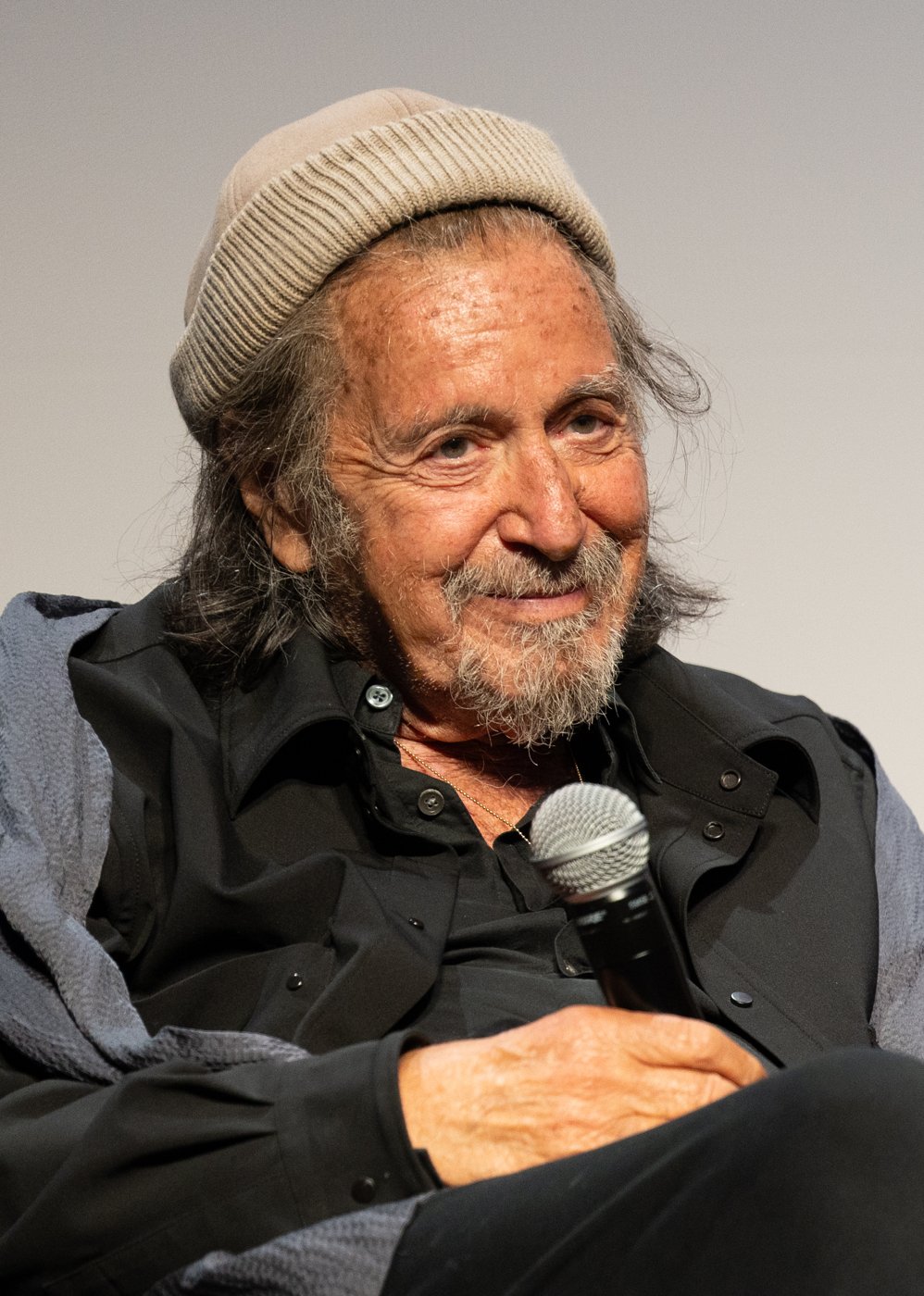
Alan Cumming.

Actor · Author · Television host · Advocate

Alan Cumming has moved from acclaimed stage work and The Good Wife to hosting The Traitors, while speaking candidly about childhood abuse in his memoir Not My Father's Son. His willingness to discuss difficult family history adds depth to a theatrical public persona.

OBJECTIVE PERSONALITY CLASSIFICATIONFF-Ti/Ne-CP/S(B) #4What does this mean?
PERSONALITY SYSTEMObjective Personality
LEAD FUNCTIONTi · Introverted Thinking
SECOND SAVIOR FUNCTIONNe · Extroverted Intuition
MBTI EQUIVALENTINTP
01 / BEHIND THE CLASSIFICATION

The personality behind the fame.

How does a recorded OPS classification like FF-Ti/Ne-CP/S(B) #4 break down? Walk through nine coins and watch the proposed type take shape. These are deductions from the archived code, not independent evidence of typing accuracy.

Scroll below to see Alan Cumming take shape.

STARTING POINT512 possible OPS typesNine binary choices narrow the possibilities in the original OPS model.
THE FINISH LINEFF-Ti/Ne-CP/S(B) #4One recorded classification, decoded from its components.
Alan Cumming’s HUMAN NEEDS 01—03
01
DECIDER OR OBSERVER?

Decider over Observer

Deciders have more balanced Observer poles in the middle: Control (Oi) and Chaos (Oe). Organizing what's known and handling what's new tend to feel more manageable. People are the harder territory. Self (Di) and Tribe (De) sit at the extremes, so judgment, rejection, approval, and conflict can trigger the strongest reactions.

Cumming has spoken about growing up with an abusive father and the lasting significance of that relationship. The Decider struggle concerns people, judgment, belonging, and how much power another person's words can hold over a sense of worth. His strength is publicly establishing a life and identity beyond that history. The blind spot is the possibility of allowing past judgments to dominate how present relationships are interpreted.

D
02
SELF OR TRIBE?

Di · Self over De · Tribe

Self (Di) is the stronger deciding pole. They check decisions against their own values or reasons first: what makes sense to me, what feels right to me? The strength is independent conviction; the recurring friction is the Tribe (De)—other people's standards, feedback, and expectations. As the portrait unfolds, notice how Self takes the lead.

Cumming's account of an abusive childhood makes self-definition more than an abstract ideal. Self-first offers the strength to decide that a parent's damaging judgment does not get the final word. The shadow is learning to distinguish genuinely supportive outside voices from old threats; refusing every opinion can become another kind of captivity.

Di
03
GATHER OR ORGANIZE?

Oe · Gather over Oi · Organize

Gather (Oe) leads with new information, experiences, and possibilities. Its strength is curiosity and adaptability; the recurring friction is narrowing the options and settling into what is already known. Another layer of the personality portrait comes into focus.

From stage performances to hosting The Traitors, Cumming has repeatedly entered new creative worlds rather than protecting one fixed public identity. Gather-first makes reinvention energizing. The void is that a new role, audience or persona can be easier to explore than the slower work of organizing a stable direction.

Oe
FIRST THREE COINSD + Di + Oe

These establish the preferred human needs in the OPS framework.

Alan Cumming’s FUNCTIONS 04—05
04
FEELING OR THINKING?

Thinking · T over Feeling · F

Thinking (T) evaluates decisions through reasons, logic, and what works—not a lack of emotion. Its strength is analytical consistency; Feeling (F) provides balance through values, meaning, and the human consequences of a decision. Combined with Self (Di), this forms the recorded Savior Ti.

Public discussion of family trauma and personal identity requires more than an emotional declaration. Ti's Thinking component asks how to make sense of conflicting stories and unreliable judgments. Cumming has described investigating the claim that his father was not his biological parent; reasoning becomes especially important when the people telling the story are not trustworthy. His memoir investigates a startling family claim. Ti is not coldness: when family stories conflict, reasoning helps separate evidence from fear.

T → Ti
05
SENSING OR INTUITION?

Intuition · N over Sensing · S

Intuition (N) focuses on concepts, patterns, and what information might mean. Sensing (S) balances it through observable facts, physical detail, and direct experience. Combined with Gather (Oe), this gives the recorded Savior Ne.

His family-history investigation on Who Do You Think You Are? involved concrete records and DNA evidence. Ne's intuitive possibilities could imagine many different explanations, but a responsible conclusion requires the Sensing details that actually rule possibilities in or out. The coin is about information preference, not a verdict on family truth. DNA and documentary evidence mattered in his family investigation. Ne generates explanations; the neglected sensory check is which story survives the records.

N → Ne
THE TWO SAVIOR FUNCTIONSTi / Ne

Opposing functions: Fe and Si.

Alan Cumming’s ANIMAL STACK 06—07
06
CONSUME OR BLAST?

Consume over Blast

Consume gathers information for internal processing; Blast organizes and communicates information. The recorded order is Consume → Play → Sleep → Blast. This comparison follows their positions in that stack.

Consume first in fits an artist who wrote a memoir examining painful history rather than merely performing for the camera. Taking in evidence, memory and multiple accounts can be valuable. The shadow is that understanding the past intellectually does not make the emotional work automatic. Writing a memoir about painful history required gathering accounts and evidence. Consume helps make sense of the past; intellectual understanding doesn't automatically resolve its emotional cost.

C > B
07
PLAY OR SLEEP?

Play over Sleep

Play emphasizes external real-time engagement; Sleep emphasizes internal processing. The recorded stack places Play earlier.

Play second is the outward counterpart to Consume. Cumming's stage presence, interviews and playful hosting style show him engaging an audience in real time. Yet the high-energy persona doesn't tell us whether those exchanges replenish him or what internal work may be happening afterward. His playful Traitors persona creates energy with audiences. Play's gift is interaction; an entertaining exchange is not automatically an intimate connection.

P > S
Alan Cumming’s ANIMAL ORIENTATION 08—09
08
INFO OR ENERGY DOMINANT?

Energy over Info

Energy dominant means Play and Sleep are both in the top three: there is access to expending energy through engagement and conserving it through internal processing. Blast last leaves the information side uneven—Consume may gather far more than gets communicated.

Cumming is Energy-dominant because both Play and Sleep appear in his top three. His theatrical hosting and the quieter work of writing a deeply personal memoir illustrate how outward engagement and private recovery can coexist. Blast is last, with Consume first: the model predicts a greater pull to investigate, absorb and explore than to announce a settled conclusion. The growth edge is not becoming louder—he already knows how to command a room—but deciding when the personal story is ready to be stated plainly.

Energy
09
INTROVERSION OR EXTROVERSION?

Introversion over Extroversion

The last animal, Blast, determines this OPS coin: Play or Blast last means Introversion; Consume or Sleep last means Extroversion. This describes animal orientation, not sociability or shyness.

Blast sits last after a later animal in his recorded stack. Cumming has already published his personal account, so it would be absurd to claim he cannot communicate. The OPS hypothesis is narrower: articulating an internally settled explanation may demand a different sort of effort than exploring or performing possibilities. He can tell an intimate story in a bestselling book, yet Blast last asks whether owning a settled truth costs something different from exploring possibilities.

I
ADDITIONAL LAYER · SEXUAL MODALITIES

The four sexual modalities.

OPS uses masculine/feminine sensory and extroverted-deciding distinctions as framework-specific terms, not gender categories. The recorded modality is FF · Tester.

MM KinestheticMasculine Sensory · Masculine De
MF AudioMasculine Sensory · Feminine De
FF RECORDED MODALITYTesterFeminine Sensory · Feminine De
FM VisualFeminine Sensory · Masculine De
ADDITIONAL LAYER · SOCIAL TYPE

The four social types.

Social types are an additional layer on top of the original Objective Personality classification, introduced later in OPS research. They describe two proposed social preference coins: Flex vs. Friends and Generalize vs. Specialize. The combination and priority of these preferences produce four social types. Alan Cumming's recorded social type is #4.

SOCIAL #1 #1Flex · Generalize
SOCIAL #2 #2Generalize · Friends
SOCIAL #3 #3Specialize · Flex
SOCIAL #4 RECORDED SOCIAL TYPE#4Friends · Specialize
COMPLETE RECORDED OPS TYPE · NINE COINS + SEXUAL MODALITIES + SOCIAL TYPEFF-Ti/Ne-CP/S(B) #4

Ti leads, Ne supports, and the animal stack is Consume → Play → Sleep → Blast.

THE FINISHED PORTRAIT · ALL NINE COINS REVEALED

Alan Cumming's complete function and animal stack

ConsumePlaySleepBlastmTimNefSifFe
FF-Ti/Ne-CP/S(B) #4DOUBLE ACTIVATED · CONSUMEExplore the Interactive Coin Builder →
THE ALAN CUMMING LENS

Being seen is not the same as being defined.

Alan Cumming's career is full of vivid reinventions, from theater to television hosting, but his memoir Not My Father's Son gives the public persona a harder center. He described an abusive childhood, estrangement from his father, and an attempt to establish whether a startling family claim was true. His life story makes personal significance more than an abstract OPS label.

His Ti/Ne classification is Decider-first. Ti gives the Self pole an independent reasoning standard; the difficult territory is how other people judge, define or reject that standard. Cumming's public statements about his father offer a documented example of why external judgment can be destructive. They do not prove which cognitive function produced his response.

Consume and Play sit first and second in his recorded animal sequence, with Sleep and Blast following. The public career displays theatrical engagement, while the memoir shows sustained engagement with research and personal history. The lesson is not that every flamboyant performance proves Play; it is that different modes of relating to information can exist in the same life.

The sharper growth edge is holding a self-definition that is both independent and open to trustworthy relationships. Disregarding every outside voice is not healing; accepting every verdict is not maturity. The interesting question for a Di-first Decider is how to distinguish useful feedback from the old impulse to let someone else define who counts as enough.

These coins explain how to read the archived classification; they are not an independent typing assessment. OPS is not an independently scientifically validated personality assessment. Learn about the method →

Want to understand the Savior and Demon states behind these nine coins? Explore the complete explanation, visual examples, and typing principles on our Methodology page →

02 / KEEP EXPLORING

Different faces. Familiar patterns.

Explore other celebrities with related recorded OPS classifications. Related functions are not necessarily exact type matches.

Discover Type Twins
YOUR TURN

Curious about your own type?

Discover how your own personality might be classified through Objective Personality.

Get objectively typed