THE PERSONALITYATLAS
THE CELEBRITY PERSONALITY ARCHIVE / FILM

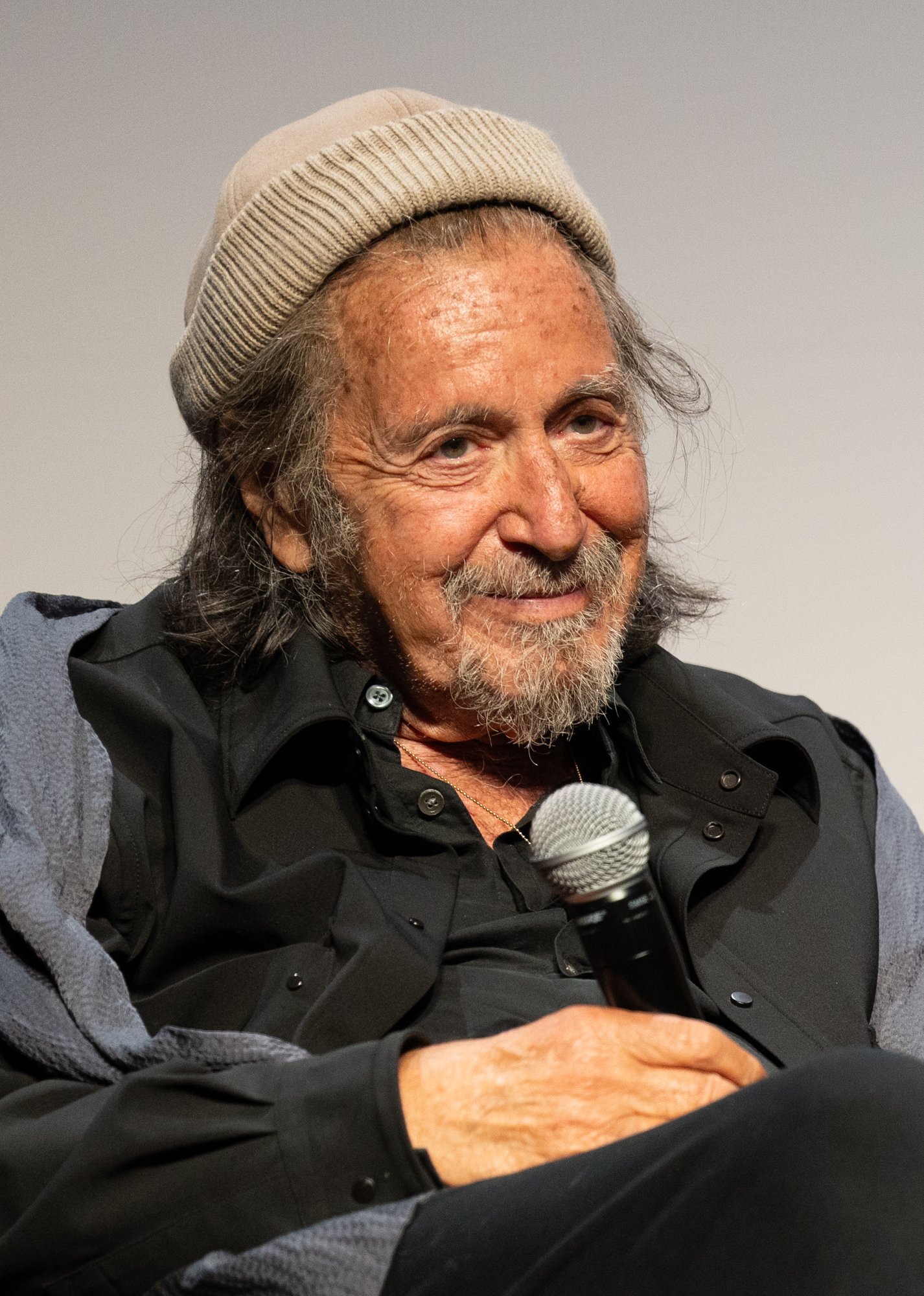
Al Pacino.

Actor · Memoirist · Academy Award winner

Raised in the South Bronx by his mother and grandparents, Al Pacino left school young and climbed from theater into The Godfather, Serpico and decades of screen work. His memoir Sonny Boy revisits the family losses and unlikely persistence behind the legendary performances.

OBJECTIVE PERSONALITY CLASSIFICATIONFF-Ti/Se-CP/B(S)What does this mean?
PERSONALITY SYSTEMObjective Personality
LEAD FUNCTIONTi · Introverted Thinking
SECOND SAVIOR FUNCTIONSe · Extroverted Sensing
MBTI EQUIVALENTISTP
01 / BEHIND THE CLASSIFICATION

The personality behind the fame.

How does a recorded OPS classification like FF-Ti/Se-CP/B(S) break down? Walk through nine coins and watch the proposed type take shape. These are deductions from the archived code, not independent evidence of typing accuracy.

Scroll below to see Al Pacino take shape.

STARTING POINT512 possible OPS typesNine binary choices narrow the possibilities in the original OPS model.
THE FINISH LINEFF-Ti/Se-CP/B(S)One recorded classification, decoded from its components.
Al Pacino’s HUMAN NEEDS 01—03
01
DECIDER OR OBSERVER?

Decider over Observer

Deciders have more balanced Observer poles in the middle: Control (Oi) and Chaos (Oe). Organizing what's known and handling what's new tend to feel more manageable. People are the harder territory. Self (Di) and Tribe (De) sit at the extremes, so judgment, rejection, approval, and conflict can trigger the strongest reactions.

Pacino rose from a difficult Bronx childhood to become one of Hollywood's most recognizable actors. With that fame came an audience determined to define him through a handful of iconic roles. The Decider tension is the relationship between the person and the people evaluating him. His strength is continuing to pursue work beyond the public's preferred image. The blind spot is allowing other people's expectations to become the only measure of significance.
D
02
SELF OR TRIBE?

Di · Self over De · Tribe

Self (Di) is the stronger deciding pole. They check decisions against their own values or reasons first: what makes sense to me, what feels right to me? The strength is independent conviction; the recurring friction is the Tribe (De)—other people's standards, feedback, and expectations. As the portrait unfolds, notice how Self takes the lead.

Pacino kept returning to theater even after becoming a Hollywood icon. Self-first makes it possible to honor a private definition of meaningful work rather than chase the audience's preferred blockbuster. The void is that independence can become stubbornness: collaborators' criticism may contain something valuable even when the crowd doesn't understand the artistic choice.

Di
03
GATHER OR ORGANIZE?

Oe · Gather over Oi · Organize

Gather (Oe) leads with new information, experiences, and possibilities. Its strength is curiosity and adaptability; the recurring friction is narrowing the options and settling into what is already known. Another layer of the personality portrait comes into focus.

His path from Bronx theater training into film required taking opportunities as they appeared, not waiting for a perfectly organized career plan. Gather-first can seize the energy of the immediate moment. The shadow is letting the next exciting role or encounter dictate direction before there's time to decide what deserves lasting commitment.

Oe
FIRST THREE COINSD + Di + Oe

These establish the preferred human needs in the OPS framework.

Al Pacino’s FUNCTIONS 04—05
04
FEELING OR THINKING?

Thinking · T over Feeling · F

Thinking (T) evaluates decisions through reasons, logic, and what works—not a lack of emotion. Its strength is analytical consistency; Feeling (F) provides balance through values, meaning, and the human consequences of a decision. Combined with Self (Di), this forms the recorded Savior Ti.

Pacino's training and stage commitment suggest a craft built on reasons, choices and consistent character logic rather than mere emotional intensity. Ti's Thinking preference doesn't mean he lacks feeling. It asks whether the interpretation stands up internally even after an audience responds with overwhelming emotion or applause. The Godfather made his intensity iconic, but a performance must make internal sense before audiences believe it. Ti gives craft standards; its shadow is defending choices simply because they're his.

T → Ti
05
SENSING OR INTUITION?

Sensing · S over Intuition · N

Sensing (S) focuses on concrete details, observable reality, and lived experience. Intuition (N) balances it by looking for broader patterns, concepts, and implications. Combined with Gather (Oe), this gives the recorded Savior Se.

Years of working theaters and rehearsal rooms preceded The Godfather. Se as Sensing highlights the immediate cues, the concrete scene and the physical actor's attention. The possible blind spot is that such a tangible present can make longer-range abstraction feel less trustworthy than what the stage offers now. His training happened through actual stage repetitions, not just theories of acting. Se thrives on the living moment; long-range organization can feel like an irritating interruption.

S → Se
THE TWO SAVIOR FUNCTIONSTi / Se

Opposing functions: Fe and Ni.

Al Pacino’s ANIMAL STACK 06—07
06
CONSUME OR BLAST?

Consume over Blast

Consume gathers information for internal processing; Blast organizes and communicates information. The recorded order is Consume → Play → Blast → Sleep. This comparison follows their positions in that stack.

Consume leads Pacino's stack. His memoir describes learning performance through absorbing films, family stories and theater practice before the public knew his name. The useful OPS question is how much taking in material supports artistry and when another rehearsal becomes an excuse not to risk an actual performance. Sonny Boy reveals how much family history and artistic experience he absorbed before putting it into words. Consume deepens an actor; endless intake can postpone his own conclusions.

C > B
07
PLAY OR SLEEP?

Play over Sleep

Play emphasizes external real-time engagement; Sleep emphasizes internal processing. The recorded stack places Play earlier.

Play second is a compelling lens on a career spent reacting with other actors in live theater and in film. Pacino has frequently returned to stage work even after cinematic fame. Real-time exchange can create intensity, but the model also asks whether the stimulation of the room can overwhelm quieter reflection. His famous screen confrontations depend on responding to another actor, not just delivering monologues. Play electrifies the exchange; the trap is chasing another scene before digesting the last.

P > S
Al Pacino’s ANIMAL ORIENTATION 08—09
08
INFO OR ENERGY DOMINANT?

Info over Energy

Info dominant means Consume and Blast are both in the top three: gathering and communicating information are more balanced. Sleep last leaves the energy side uneven—Play can keep engagement going without enough private recovery.

Pacino is Info-dominant because Consume and Blast both fall within his top three. He can absorb material, study a role, and eventually deliver an interpretation to an audience. The weaker Energy side is Sleep last: Play offers the live exchange of stage and film, but settling privately after the performance may be less preferred. Sonny Boy, his late-career memoir, offers a compelling public example of finally turning toward the life behind the work. The challenge is not one more role; it's making room to integrate what the roles have cost.

Info
09
INTROVERSION OR EXTROVERSION?

Extroversion over Introversion

The last animal, Sleep, determines this OPS coin: Play or Blast last means Introversion; Consume or Sleep last means Extroversion. This describes animal orientation, not sociability or shyness.

Sleep sits last in the recorded animal sequence. Publishing Sonny Boy late in his career brought a retrospective voice to childhood grief and lifelong achievement. The growth edge in this model is not becoming louder; it is making enough private space to integrate the story before the next role takes over. After decades of characters, Sonny Boy finally tells Pacino's own story. Sleep last raises the question of how long a person can perform before integrating the life beneath the roles.

E
ADDITIONAL LAYER · SEXUAL MODALITIES

The four sexual modalities.

OPS uses masculine/feminine sensory and extroverted-deciding distinctions as framework-specific terms, not gender categories. The recorded modality is FF · Tester.

MM KinestheticMasculine Sensory · Masculine De
MF AudioMasculine Sensory · Feminine De
FF RECORDED MODALITYTesterFeminine Sensory · Feminine De
FM VisualFeminine Sensory · Masculine De
COMPLETE RECORDED OPS TYPE · NINE COINS + SEXUAL MODALITIESFF-Ti/Se-CP/B(S)

Ti leads, Se supports, and the animal stack is Consume → Play → Blast → Sleep.

THE FINISHED PORTRAIT · ALL NINE COINS REVEALED

Al Pacino's complete function and animal stack

ConsumePlayBlastSleepmTifSemNifFe
FF-Ti/Se-CP/B(S)DOUBLE ACTIVATED · PLAYExplore the Interactive Coin Builder →
THE AL PACINO LENS

The Bronx boy beneath the legend.

Al Pacino's public image is nearly impossible to escape: The Godfather, Scarface, stage performances, and a voice everyone thinks they can imitate. His own memoir reveals a much less glamorous origin in South Bronx poverty, a largely fatherless upbringing, and the early deaths and losses that marked his family. Fame can make a person familiar to millions without making them known.

His recorded Ti/Se classification is Decider-first. Ti establishes a private standard for what makes sense; Se takes in immediate reality and responds to the available opportunity. That combination offers an interpretation of an actor who built his craft from theater outward. The difficult territory is other people's evaluation, not a lack of external information.

Consume first and Play second frame the gathering and interactive parts of that career, with Blast later and Sleep last. Pacino's continued work on stage and the eventual writing of Sonny Boy show two public forms of engagement and reflection. Neither proves his private function order, but both allow us to ask what gets lost when a person's identity becomes a public product.

The sharper growth question is not whether the crowd still applauds. It is whether someone with decades of praise can hear feedback without outsourcing or defensively protecting their significance. A lifetime of playing celebrated characters creates ample opportunity to confuse public greatness with personal worth. Ti's challenge is knowing what remains when the credits finally stop.

These coins explain how to read the archived classification; they are not an independent typing assessment. OPS is not an independently scientifically validated personality assessment. Learn about the method →

Want to understand the Savior and Demon states behind these nine coins? Explore the complete explanation, visual examples, and typing principles on our Methodology page →

02 / KEEP EXPLORING

Different faces. Familiar patterns.

Explore other celebrities with related recorded OPS classifications. Related functions are not necessarily exact type matches.

Discover Type Twins
YOUR TURN

Curious about your own type?

Discover how your own personality might be classified through Objective Personality.

Get objectively typed