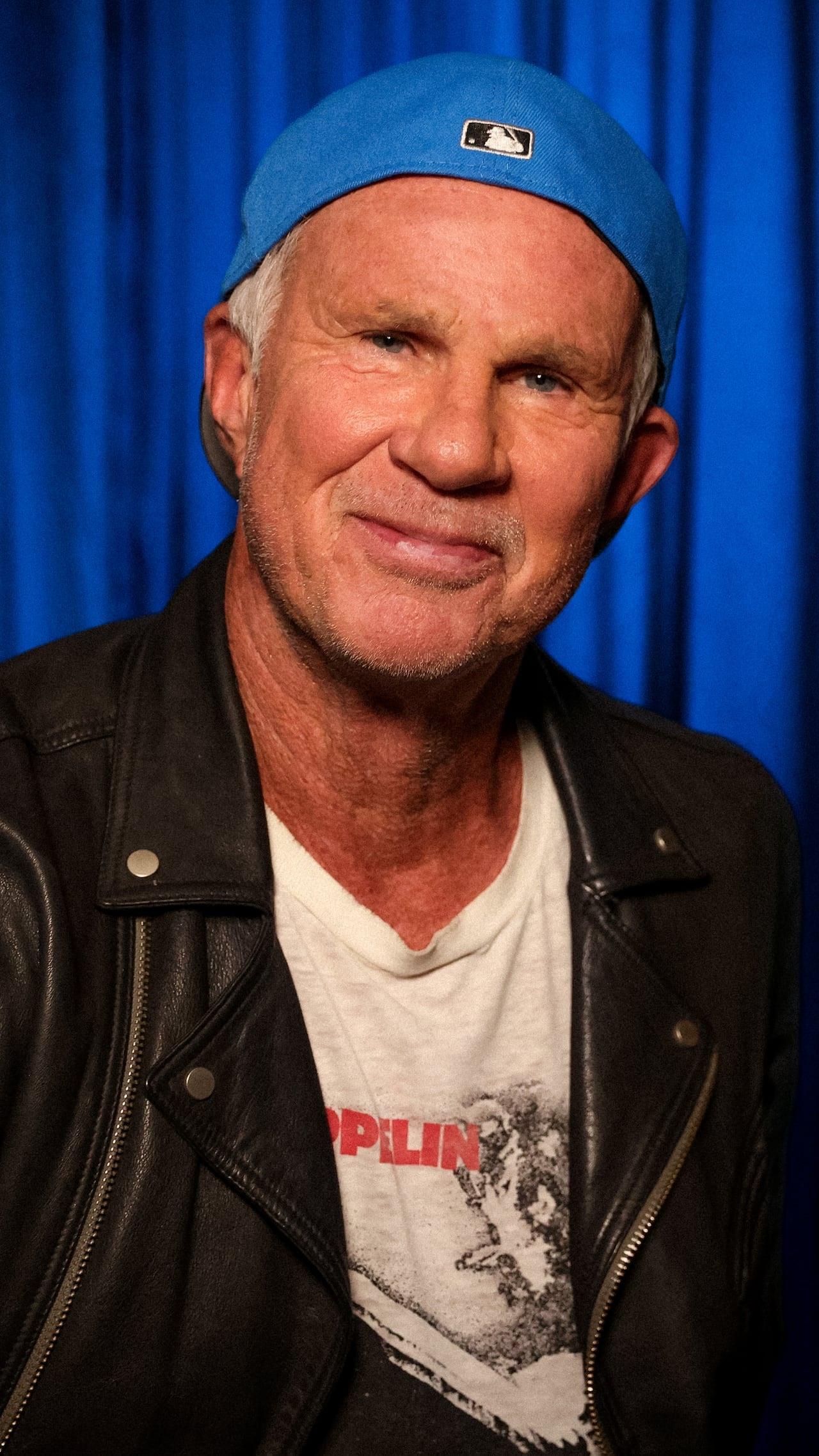
From Anchorman to Elf, Ferrell commits so completely to impossible personalities that their logic becomes temporarily convincing. The comedy works because the performance rarely winks at the audience first.
Anchorman and Elf built a career from committing completely to absurdity. His strength is fearlessness about looking foolish; the shadow is that a reliable comic identity can make quieter, less immediately funny work harder for audiences to recognize.
Will's Fi Savior points toward personal values and individual conviction. That strength can also become the reflex that gets overused when pressure rises. As a Single Decider, the sharper pressure point is navigating Self versus Tribe: how much to trust a personal position when other people disagree, criticize, or demand something different. The neglected Te side calls for using external evidence, explicit expectations, and measurable outcomes instead of relying only on personal certainty. Greater balance means practicing that less-preferred territory rather than pushing the dominant instinct harder.
Will's animal stack (Consume → Play → Sleep → Blast) offers another pressure test. Consume comes naturally first, while Blast sits last. In practical terms, balance would mean learning to put private conclusions into words and make them available for scrutiny. That is the uncomfortable growth edge worth looking for—not another flattering description of a strength.