The Personality Atlas
THE CELEBRITY PERSONALITY ARCHIVE / MUSIC & MEDIA

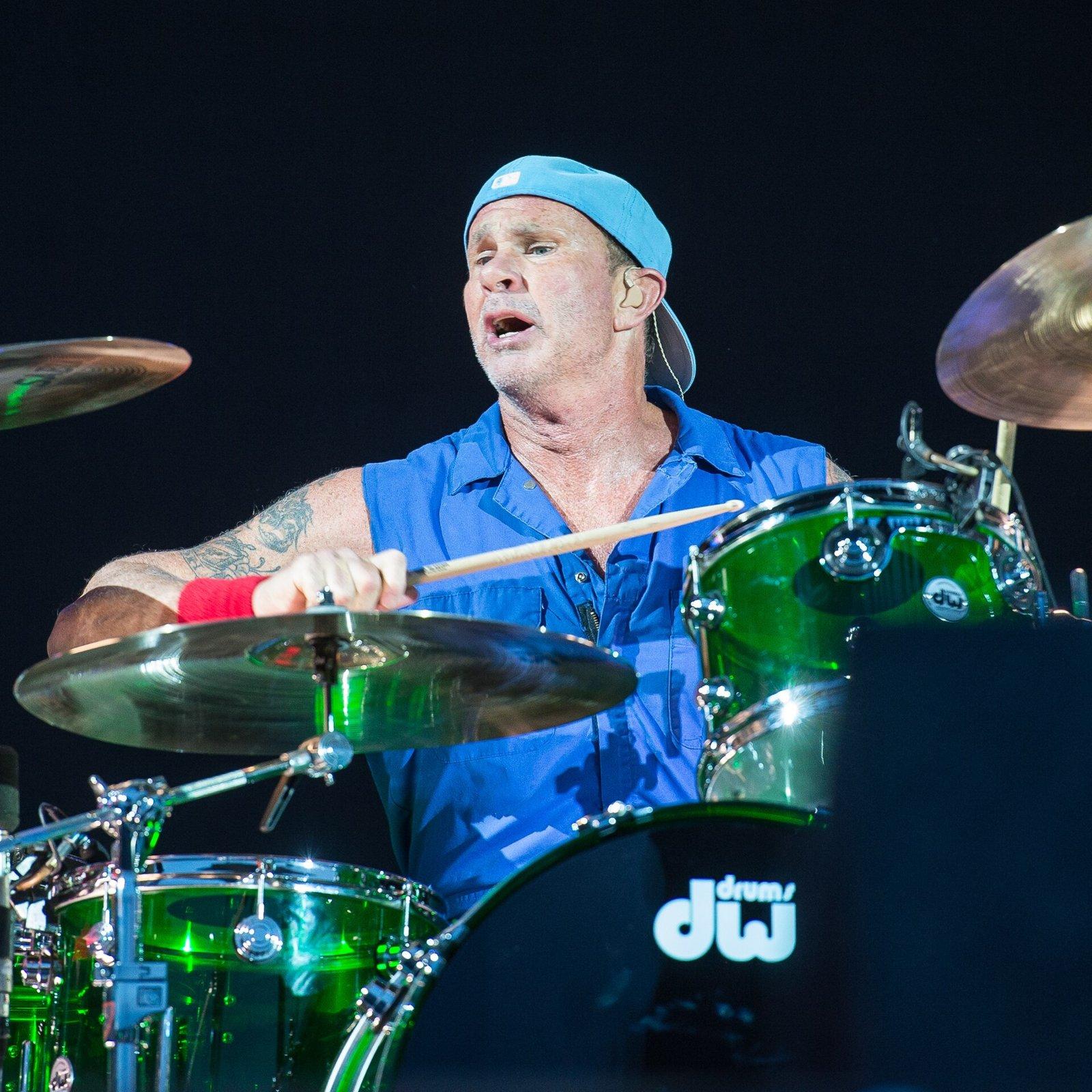
Chad Smith.

Drummer · Bandleader · Television Host

Chad Smith is the rare career drummer whose name travels almost like a frontman’s: the long-serving engine of Red Hot Chili Peppers, a session force for artists from Johnny Cash to Lady Gaga, and a public advocate who treats school music less like a nice cause than a fight worth showing up for.

OBJECTIVE PERSONALITY CLASSIFICATIONMF-Fi/Ne-CP/S(B)What does this mean?
PERSONALITY SYSTEMObjective Personality
LEAD FUNCTIONFi · Introverted Feeling
SECOND SAVIOR FUNCTIONNe · Extroverted Intuition
MBTI EQUIVALENTINFP
01 / BEHIND THE CLASSIFICATION

The personality behind the fame.

How does a recorded OPS classification like MF-Fi/Ne-CP/S(B) break down? Walk through nine coins and watch the proposed type take shape. These are deductions from the archived code, not independent evidence of typing accuracy.

Scroll below to see Chad Smith take shape.

STARTING POINT512 possible OPS typesEach type combines core functions, an animal order, and sexual modalities.
THE FINISH LINEMF-Fi/Ne-CP/S(B)One recorded classification, decoded from its components.
Chad Smith’s HUMAN NEEDS 01—03
01
DECIDER OR OBSERVER?

Decider over Observer

Deciders have more balanced Observer poles in the middle: Control (Oi) and Chaos (Oe). Organizing what's known and handling what's new tend to feel more manageable. People are the harder territory. Self (Di) and Tribe (De) sit at the extremes, so judgment, rejection, approval, and conflict can trigger the strongest reactions.

In 1988, Chad Smith walked into a Red Hot Chili Peppers audition looking, by the band’s own account, more hair metal than punk-funk. On paper he looked like the wrong guy; in the room he won them over and became their longest-serving drummer. That is Decider terrain: belonging, chemistry, and whether other people see you as the fit. His strength is social resilience—he can keep showing up until the right musical tribe clicks. The cost is spending real energy on fit and mutual respect when some problems are better handled as practical constraints rather than personal verdicts.
D
02
SELF OR TRIBE?

Di · Self over De · Tribe

Self (Di) is the stronger deciding pole. They check decisions against their own values or reasons first: what makes sense to me, what feels right to me? The strength is independent conviction; the recurring friction is the Tribe (De)—other people's standards, feedback, and expectations. As the portrait unfolds, notice how Self takes the lead.

Smith’s public story keeps circling back to an internal bar. He moved to California to chase music on purpose, taught himself through school bands instead of formal lessons, and later lobbied Congress for music education because, as he put it, music was the reason he wanted to go to school at all. Self over Tribe does not mean isolation; it means the standard starts inside. That gives him conviction and recognizable taste. The growth cost is that a personally certain direction can make outside structure or competing priorities feel secondary until reality forces a negotiation.

Di
03
GATHER OR ORGANIZE?

Oe · Gather over Oi · Organize

Gather (Oe) leads with new information, experiences, and possibilities. Its strength is curiosity and adaptability; the recurring friction is narrowing the options and settling into what is already known. Another layer of the personality portrait comes into focus.

Look at the résumé and it sprawls on purpose: Red Hot Chili Peppers, Chickenfoot, Bombastic Meatbats, plus work with Johnny Cash, the Chicks, Post Malone, Ozzy Osbourne, Eddie Vedder, Dua Lipa, Charli XCX, Lady Gaga and more. Gather-first lives by keeping doors open long enough for another possibility to appear. The strength is range without panic; he can move from funk to hard rock to pop sessions without acting like the identity is broken. The blind spot is selectivity. When everything could become a project, choosing the one lane that deserves full commitment gets more expensive.

Oe
FIRST THREE COINSD + Di + Oe

These establish the preferred human needs in the OPS framework.

Chad Smith’s FUNCTIONS 04—05
04
FEELING OR THINKING?

Feeling · F over Thinking · T

Feeling (F) evaluates decisions through values, meaning, and what matters—not simply through emotion. Its strength is a clear sense of significance; Thinking (T) provides balance through impersonal reasons, consistency, and evidence. Combined with Self (Di), this forms the recorded Savior Fi.

When Smith goes public about music education, he does not sound like a detached policy technician. He talks about music as the reason he stayed engaged in school and says he would not have graduated without it. He later backed that value with lobbying, charity work and a foundation built to remove barriers for kids. Fi’s strength is moral ownership: the cause is not fashionable wallpaper, it is personally staked ground. Its limit is familiar. A heartfelt conviction can mobilize people, but conviction alone does not automatically supply the clean external system needed to scale it.

F → Fi
05
SENSING OR INTUITION?

Intuition · N over Sensing · S

Intuition (N) focuses on concepts, patterns, and what information might mean. Sensing (S) balances it through observable facts, physical detail, and direct experience. Combined with Gather (Oe), this gives the recorded Savior Ne.

Smith’s career is full of sideways creative turns that make more sense through Intuition than through a fixed lane: an all-instrumental funk-fusion band, a children’s album with Dick Van Dyke, co-writing with Ozzy Osbourne, scoring work, then opening a visual-art exhibit to translate drumming into paint. Ne’s strength is hearing the next possible version before other people do. The cost is that possibility multiplies faster than time. A mind built for new combinations can leave future plans, like Chickenfoot’s schedule, permanently up in the air.

N → Ne
THE TWO SAVIOR FUNCTIONSFi / Ne

Opposing functions: Te and Si.

Chad Smith’s ANIMAL STACK 06—07
06
CONSUME OR BLAST?

Consume over Blast

Consume gathers information for internal processing; Blast organizes and communicates information. The recorded order is Consume → Play → Sleep → Blast. This comparison follows their positions in that stack.

Consume comes earlier than Blast in Smith’s stack, and his public work makes that easy to picture. He built a Drummer GPS app around the players who influenced him, launched a podcast interviewing other artists, and keeps turning up in other people’s sessions with a listener’s curiosity rather than a manifesto. The strength is depth: he gathers grooves, histories and techniques until the playing has real vocabulary. The growth cost is simple and annoying. Taking in one more influence can feel productive long after the situation actually needs Blast—a clear statement of the plan, the point or the finished direction.

C > B
07
PLAY OR SLEEP?

Play over Sleep

Play emphasizes external real-time engagement; Sleep emphasizes internal processing. The recorded stack places Play earlier.

Play comes earlier than Sleep, and Smith’s career keeps showing how much happens for him in the room. He jammed his way into the Chili Peppers, joined live configurations like Eddie Vedder’s Earthlings, hosted Landmarks Live, and turned charity events with Will Ferrell into stacked musical free-for-alls. The strength is immediate chemistry; he activates by bouncing off other people in real time. The cost is that private consolidation can get postponed. “We’d have to be in the same room at the same time” is a very Play problem—and an expensive way to wait for clarity.

P > S
Chad Smith’s ANIMAL ORIENTATION 08—09
08
INFO OR ENERGY DOMINANT?

Energy over Info

Energy dominant means Play and Sleep are both in the top three: there is access to expending energy through engagement and conserving it through internal processing. Blast last leaves the information side uneven—Consume may gather far more than gets communicated.

Smith lands on the Energy side because both Play and Sleep sit in his top three. That helps explain a career that can swing from giant tours and all-star jam sessions to quieter side roads like Bombastic Meatbats and his 2020 art exhibit. The void comes from Blast sitting last. He can absorb, jam and privately refine for a long time while the crisp public packaging arrives later. The growth edge is not more stamina or more activity, but earlier articulation of what all that energy is actually trying to build.

Energy
09
INTROVERSION OR EXTROVERSION?

Introversion over Extroversion

The last animal, Blast, determines this OPS coin: Play or Blast last means Introversion; Consume or Sleep last means Extroversion. This describes animal orientation, not sociability or shyness.

Blast is fourth, which makes this an OPS Introversion result even for a man who plays stadiums, hosts PBS and shares SiriusXM conversations for a living. The issue is not sociability. It is that Consume, Play and Sleep all arrive before the most finalized kind of outward delivery, so explanation can lag behind appetite and activity. His strength is refusing to become a canned spokesman when the real value is musical feel. The blind spot is leaving collaborators, students or side projects to infer the larger structure instead of hearing it stated plainly.

I
Sexual Modalities

The four sexual modalities.

OPS uses masculine/feminine sensory and extroverted-deciding distinctions as framework-specific terms, not gender categories. The four modalities are already included in the original 512 types. The recorded modality is MF · Audio.

MM KinestheticMasculine Sensory · Masculine De
MF RECORDED MODALITYAudioMasculine Sensory · Feminine De
FF TesterFeminine Sensory · Feminine De
FM VisualFeminine Sensory · Masculine De
COMPLETE RECORDED OPS TYPE · MODALITY INCLUDEDMF-Fi/Ne-CP/S(B)

Fi leads, Ne supports, and the animal stack is Consume → Play → Sleep → Blast.

THE FINISHED PORTRAIT · ALL NINE COINS REVEALED

Chad Smith's complete function and animal stack

ConsumePlaySleepBlastmFifNemSifTe
MF-Fi/Ne-CP/S(B)DOUBLE ACTIVATED · CONSUMEExplore the Interactive Coin Builder →
THE CHAD SMITH LENS

The groove before the memo.

Smith’s public image is all motion: the Red Hot Chili Peppers drummer driving stadium songs, the collaborator who can jump from Ozzy Osbourne to Dua Lipa, the guy hosting PBS between tours. Behind that ease is a self-taught school-band kid who kept chasing the next room where the groove felt real.

His Fi/Ne saviors give him a sturdy center and a wide creative horizon. Personal conviction lets him back music education with more than slogans; intuitive range lets him move through side bands, session work, children’s music and visual art. The limit is obvious: conviction plus possibility can outrun cleaner external structure.

As a Decider and Double Observer, Smith can usually navigate changing projects, genres and logistics more readily than the human tensions of fit, respect and whose standards should set the direction. That is the imbalance: people-problems sting harder than chaos-problems. The neglected function is Te, opposite lead Fi—explicit metrics, stated expectations and organized external follow-through.

Consume → Play → Sleep → Blast shows why the groove often arrives before the formal summary. With Blast last, the imbalance is delayed packaging: plenty of intake, chemistry and private processing before the final clear message. The balance move is not becoming stiff or corporate; it is naming the target sooner—spell out the teaching point, rehearsal goal or project frame, then play hard inside it.

Want to understand the Savior and Demon states behind these nine coins? Explore the complete explanation, visual examples, and typing principles on our Methodology page →

02 / KEEP EXPLORING

Different faces. Familiar patterns.

Explore other celebrities with related recorded OPS classifications. Related functions are not necessarily exact type matches.

Discover Type Twins
YOUR TURN

Curious about your own type?

Discover how your own personality might be classified through Objective Personality.

Get objectively typed
Chad Smith's Personality Type & OPS Profile | The Personality Atlas