The Personality Atlas
THE CELEBRITY PERSONALITY ARCHIVE / COMEDY & TELEVISION

Ken Jeong.

Comedian · Actor · Host · Physician

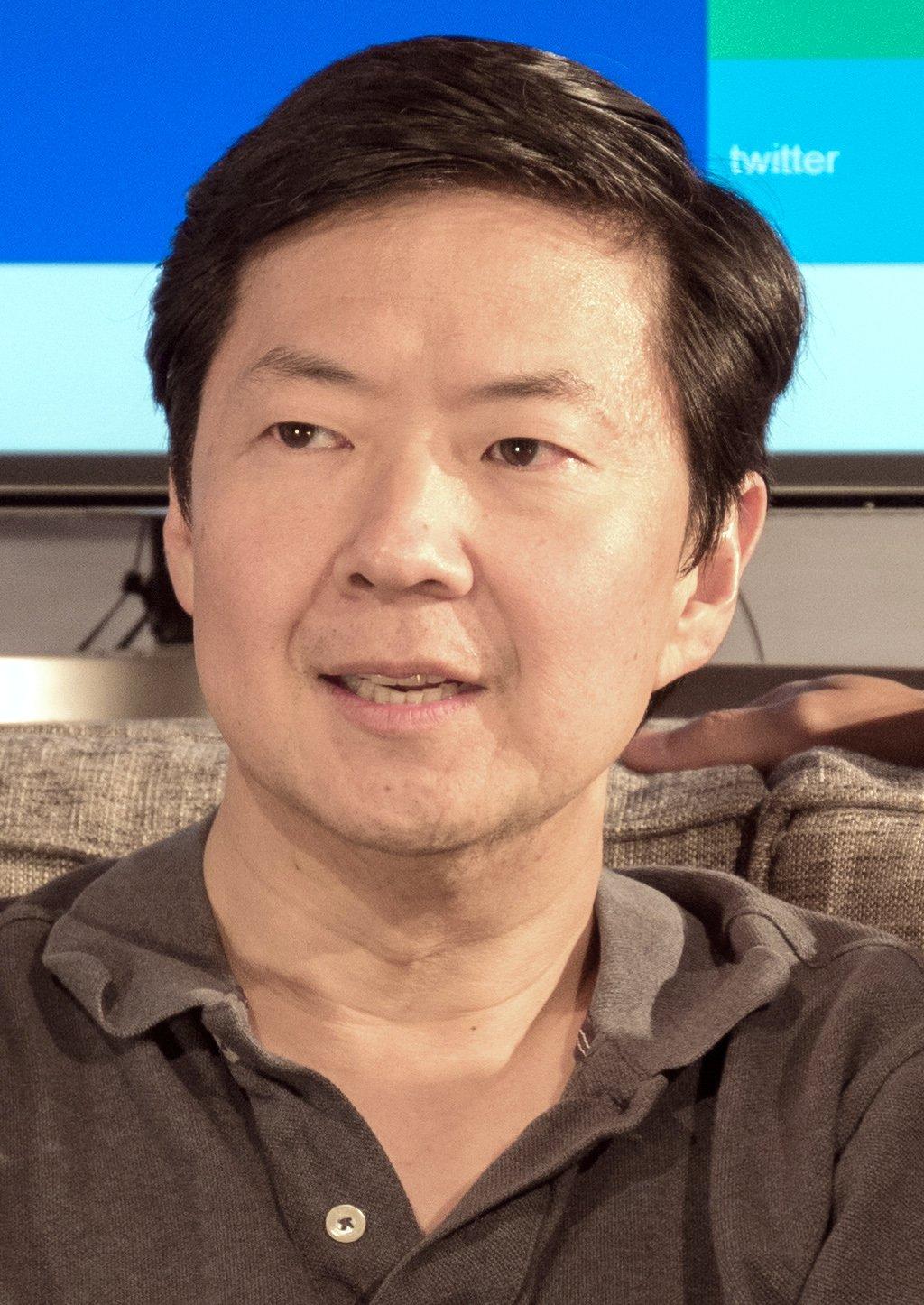
Ken Jeong built one of Hollywood’s strangest credible résumés: Duke graduate, licensed physician, stand-up comic, scene-stealing chaos agent in The Hangover and Community, then a network host and game-show panelist. The public impression is loud, impulsive and impossible to miss. The career underneath is more deliberate: a man who kept studying, pivoting and repackaging himself until the next opening finally became undeniable.

OBJECTIVE PERSONALITY CLASSIFICATIONFF-Ne/Ti-CS/B(P) #3What does this mean?
PERSONALITY SYSTEMObjective Personality
LEAD FUNCTIONNe · Extroverted Intuition
SECOND SAVIOR FUNCTIONTi · Introverted Thinking
MBTI EQUIVALENTENTP
01 / BEHIND THE CLASSIFICATION

The personality behind the fame.

How does a recorded OPS classification like FF-Ne/Ti-CS/B(P) #3 break down? Walk through nine coins and watch the proposed type take shape. These are deductions from the archived code, not independent evidence of typing accuracy.

Scroll below to see Ken Jeong take shape.

STARTING POINT512 possible OPS typesEach type combines core functions, an animal order, and sexual modalities.
THE FINISH LINEFF-Ne/Ti-CS/B(P) #3One recorded classification, decoded from its components.
Ken Jeong’s HUMAN NEEDS 01—03
01
DECIDER OR OBSERVER?

Observer over Decider

Observers have more balanced Decider poles in the middle: Self (Di) and Tribe (De). Their own perspective and other people's perspectives tend to be easier to navigate. Things are the harder territory. Control (Oi) and Chaos (Oe) sit at the extremes, so disrupted plans, uncertainty, and a changing world can trigger the strongest reactions.

Jeong’s story is full of conditions he could not simply will into place. He won the Big Easy Laff-Off while still in residency, moved to Los Angeles, practiced internal medicine for years, and only later got the breakout that let him leave medicine for acting. That is classic Observer friction: timing, openings, formats, and external reality keep changing. His strength is adaptability inside uncertainty; he can turn a strange circumstance into a usable lane. The blind spot is assuming one more new opening will solve the pressure to choose and stabilize a direction.

O
02
SELF OR TRIBE?

Di · Self over De · Tribe

Self (Di) is the stronger deciding pole. They check decisions against their own values or reasons first: what makes sense to me, what feels right to me? The strength is independent conviction; the recurring friction is the Tribe (De)—other people's standards, feedback, and expectations. As the portrait unfolds, notice how Self takes the lead.

Leaving a respected medical career for stand-up and acting is not the move of someone waiting for consensus to feel safe. Jeong practiced at Kaiser Permanente, kept performing at clubs, then gave up practice in favor of entertainment once the acting path became real. He later wrote, produced and starred in Dr. Ken rather than only fitting himself into other people’s ideas. Self over Tribe gives him an internal bar for what makes sense to pursue. The cost is that a privately settled line can arrive faster than the room around him is ready to follow.

Di
03
GATHER OR ORGANIZE?

Oe · Gather over Oi · Organize

Gather (Oe) leads with new information, experiences, and possibilities. Its strength is curiosity and adaptability; the recurring friction is narrowing the options and settling into what is already known. Another layer of the personality portrait comes into focus.

Jeong’s career never stayed in one box for long: physician, club comic, sitcom actor, film scene-stealer, writer-producer, podcast host, panelist, and game-show host. Gather over Organize helps explain that restless range. Another format is not a threat; it is another door. That flexibility keeps a career alive across changing eras and audiences, from Community to The Masked Singer to 99 to Beat. The tradeoff is selectivity. A person who can plausibly do many things still has to decide which version deserves sustained attention instead of another intriguing pivot.

Oe
FIRST THREE COINSO + Di + Oe

These establish the preferred human needs in the OPS framework.

Ken Jeong’s FUNCTIONS 04—05
04
FEELING OR THINKING?

Thinking · T over Feeling · F

Thinking (T) evaluates decisions through reasons, logic, and what works—not a lack of emotion. Its strength is analytical consistency; Feeling (F) provides balance through values, meaning, and the human consequences of a decision. Combined with Self (Di), this forms the recorded Savior Ti.

Thinking shows up in how readily Jeong reduces a situation to what works. His medical training is the obvious public example: he maintained his California license and has assisted with medical emergencies during performances and on set, where clarity matters more than dramatics. Ti’s strength is fast internal calibration—cut through noise, find the mechanism, act. The limit is that a sharp internal model can still miss how something lands socially or factually once it becomes public. The criticism of a seizure-first-aid joke in his 2019 special is a useful reminder that a clever frame still needs precise grounding.

T → Ti
05
SENSING OR INTUITION?

Intuition · N over Sensing · S

Intuition (N) focuses on concepts, patterns, and what information might mean. Sensing (S) balances it through observable facts, physical detail, and direct experience. Combined with Gather (Oe), this gives the recorded Savior Ne.

Jeong’s Intuition is all over the leap from doctor to comic persona. Knocked Up turned his medical background into Dr. Kuni, then Dr. Ken transformed that same real-world material into an entire sitcom premise. Ne keeps seeing the second and third use for an experience instead of leaving it in its original category. That is a career advantage: one life chapter becomes three more opportunities. The cost is that settled identity and routine can feel smaller than the next possibility. Stability can start to look like wasted material when another reinvention is visible.

N → Ne
THE TWO SAVIOR FUNCTIONSNe / Ti

Opposing functions: Si and Fe.

Ken Jeong’s ANIMAL STACK 06—07
06
CONSUME OR BLAST?

Consume over Blast

Consume gathers information for internal processing; Blast organizes and communicates information. The recorded order is Consume → Sleep → Blast → Play. This comparison follows their positions in that stack.

Consume comes before Blast here, and Jeong’s career gives that pattern plenty to work with. Before he became a network fixture, he banked years of residency, hospital work, club sets, guest spots, and supporting film roles. He kept taking in systems, rooms and material before making a larger public claim on them. That is the strength of Consume: depth before declaration. The blind spot is that more input can always seem useful. A person can keep sharpening the bit, studying the field, or collecting experience long after the moment has arrived to state the point clearly.

C > B
07
PLAY OR SLEEP?

Sleep over Play

Play emphasizes external real-time engagement; Sleep emphasizes internal processing. The recorded stack places Sleep earlier.

Sleep comes before Play, which fits how much of Jeong’s public work has been filtered through a personally processed center. Dr. Ken did not come from random crowd energy; it came from reworking his own physician-comedian history into a show with an internal frame. Even his podcast during COVID isolation leaned on an established rapport and a defined container. Sleep’s strength is coherence: the material has a center. The cost is that messy real-time interaction can hit a firmer boundary. When a situation violates that internal line, staying in the exchange may feel less compelling than stepping out.

S > P
Ken Jeong’s ANIMAL ORIENTATION 08—09
08
INFO OR ENERGY DOMINANT?

Info over Energy

Info dominant means Consume and Blast are both in the top three: gathering and communicating information are more balanced. Play last leaves the energy side uneven—Sleep can conserve energy without enough spontaneous outward engagement.

Jeong reads as Info-dominant because his public strengths repeatedly combine intake with delivery. He absorbs technical knowledge, performance instincts and odd formats, then turns them into something audiences can immediately track—whether as a panelist on The Masked Singer or host of I Can See Your Voice and 99 to Beat. The advantage is translation: confusing material becomes legible and entertaining. The weaker side is the looser, unframed exchange that has no prepared container. When the room stops following a workable premise, the temptation is to retreat to what is already processed and presentable.

Info
09
INTROVERSION OR EXTROVERSION?

Introversion over Extroversion

The last animal, Play, determines this OPS coin: Play or Blast last means Introversion; Consume or Sleep last means Extroversion. This describes animal orientation, not sociability or shyness.

Jeong’s OPS Introversion does not contradict the fact that he is a stand-up, panelist and host. This coin is not about shyness or how loudly someone performs. It is about the last animal landing on Play, making spontaneous external engagement less natural than taking in, processing, and then delivering from a clearer frame. That helps explain why his public presence can be huge while still feeling structured. The growth edge is not becoming more outgoing. It is tolerating a little more unrehearsed interaction before deciding the scene needs a reset, an exit, or a punchline.

I
Sexual Modalities

The four sexual modalities.

OPS uses masculine/feminine sensory and extroverted-deciding distinctions as framework-specific terms, not gender categories. The four modalities are already included in the original 512 types. The recorded modality is FF · Tester.

MM KinestheticMasculine Sensory · Masculine De
MF AudioMasculine Sensory · Feminine De
FF RECORDED MODALITYTesterFeminine Sensory · Feminine De
FM VisualFeminine Sensory · Masculine De
ADDITIONAL LAYER · SOCIAL TYPE

The four social types.

Social types are an additional layer on top of the original Objective Personality classification, introduced later in OPS research. They describe two proposed social preference coins: Flex vs. Friends and Generalize vs. Specialize. The combination and priority of these preferences produce four social types. Ken Jeong's recorded social type is #3.

SOCIAL #1 #1Flex · Generalize
SOCIAL #2 #2Generalize · Friends
SOCIAL #3 RECORDED SOCIAL TYPE#3Specialize · Flex
SOCIAL #4 #4Friends · Specialize
COMPLETE RECORDED OPS TYPE · MODALITY INCLUDED + SOCIAL TYPEFF-Ne/Ti-CS/B(P) #3

Ne leads, Ti supports, and the animal stack is Consume → Sleep → Blast → Play.

THE FINISHED PORTRAIT · ALL NINE COINS REVEALED

Ken Jeong's complete function and animal stack

ConsumeSleepBlastPlaymNemTifFefSi
FF-Ne/Ti-CS/B(P) #3DOUBLE ACTIVATED · SLEEPExplore the Interactive Coin Builder →
THE KEN JEONG LENS

The comic chaos has a blueprint.

Ken Jeong can look like pure scene detonation: Leslie Chow in The Hangover, Ben Chang turning Community into a side quest, the Masked Singer panelist reacting at full volume. Under that public chaos is a licensed physician who finished medical training, practiced internal medicine, and built his entertainment career through patient, well-timed pivots.

His Ne/Ti savior pair is excellent at finding a strange angle and making it workable. Ne keeps repurposing experience—a doctor becomes Dr. Kuni, then Dr. Ken, then a hosting identity—while Ti sharpens the internal logic of the bit. That makes him inventive and clear. The limit is speed: he can see the frame before everyone else is ready to trust it.

As an Observer and Double Decider, Jeong’s recurring pressure is less about other people’s judgments and more about navigating changing circumstances, formats and openings. The Double Decider flexibility helps him move across rooms and roles. The human-needs imbalance is on the Observer side, and the neglected function opposite his lead savior is Si: steadier routines, repetition and proven reference points.

Consume → Sleep → Blast → Play fits the contrast between heavy preparation and huge performance. He takes in material, processes it privately, then delivers it strongly; Play last makes loose, unstructured real-time exchange the thinner muscle. Keep the fast wit, but stay in the unscripted conversation one beat longer before reaching for the already-shaped bit.

Want to understand the Savior and Demon states behind these nine coins? Explore the complete explanation, visual examples, and typing principles on our Methodology page →

02 / KEEP EXPLORING

Different faces. Familiar patterns.

Explore other celebrities with related recorded OPS classifications. Related functions are not necessarily exact type matches.

Discover Type Twins
YOUR TURN

Curious about your own type?

Discover how your own personality might be classified through Objective Personality.

Get objectively typed
Ken Jeong's Personality Type & OPS Profile | The Personality Atlas