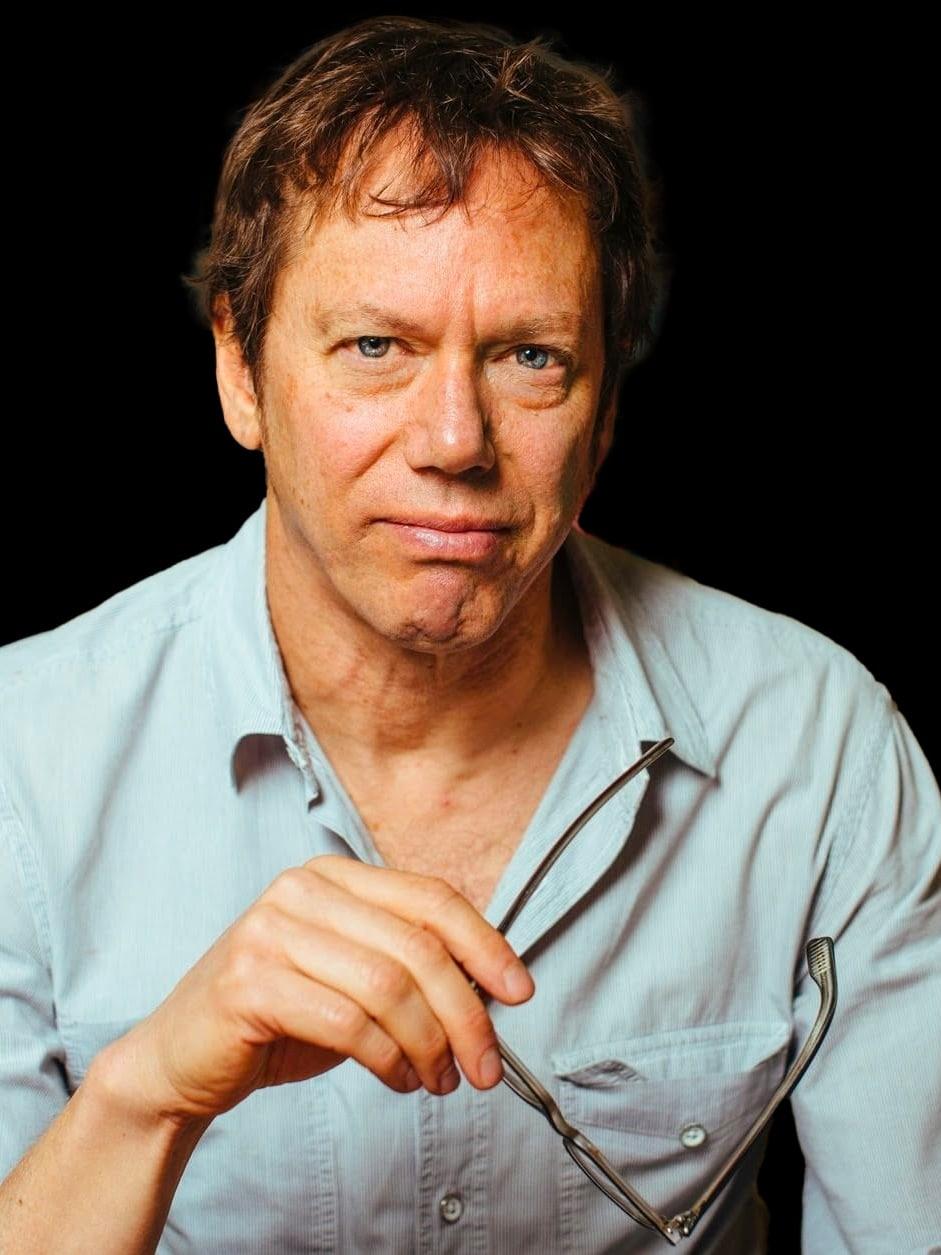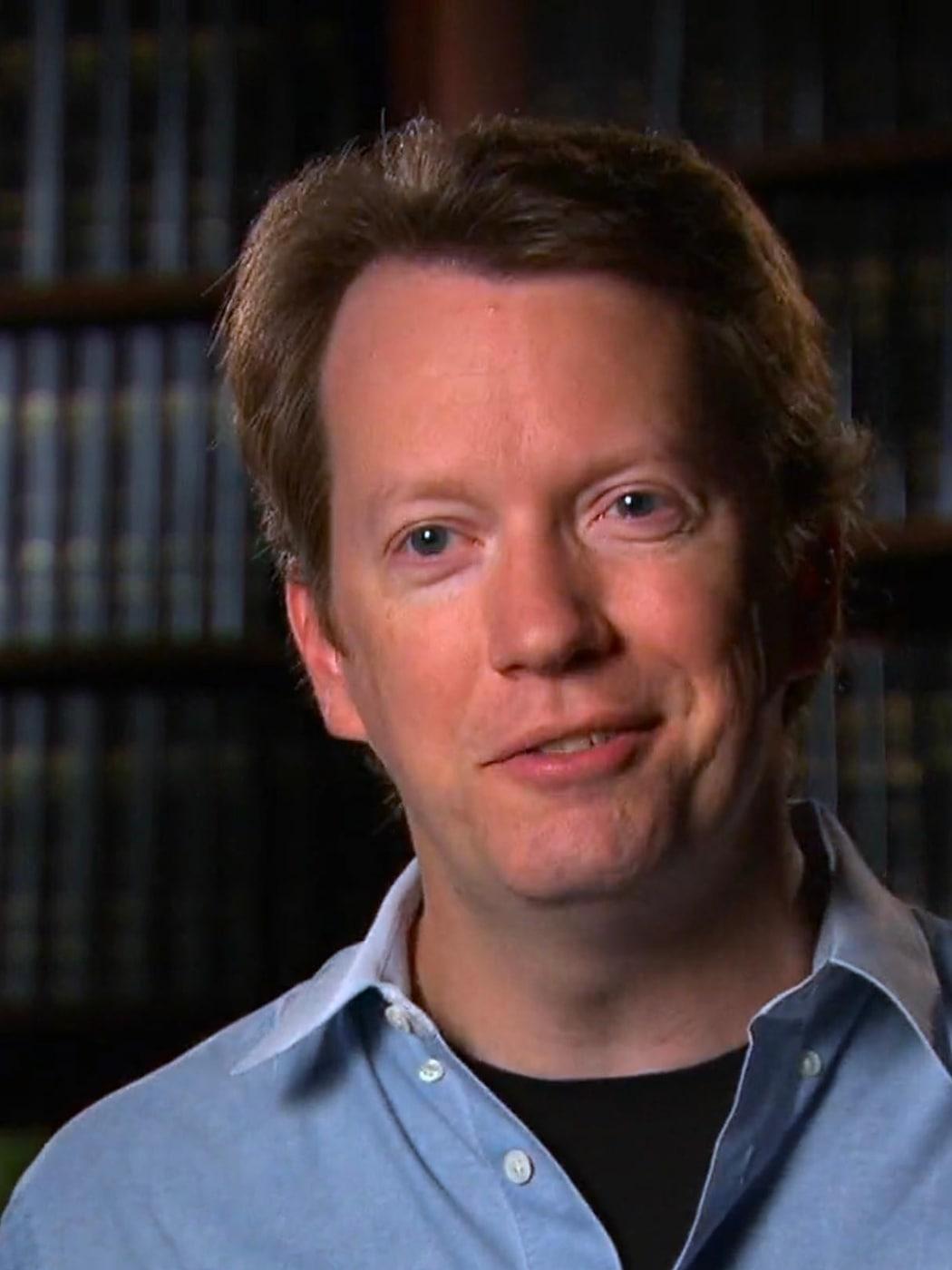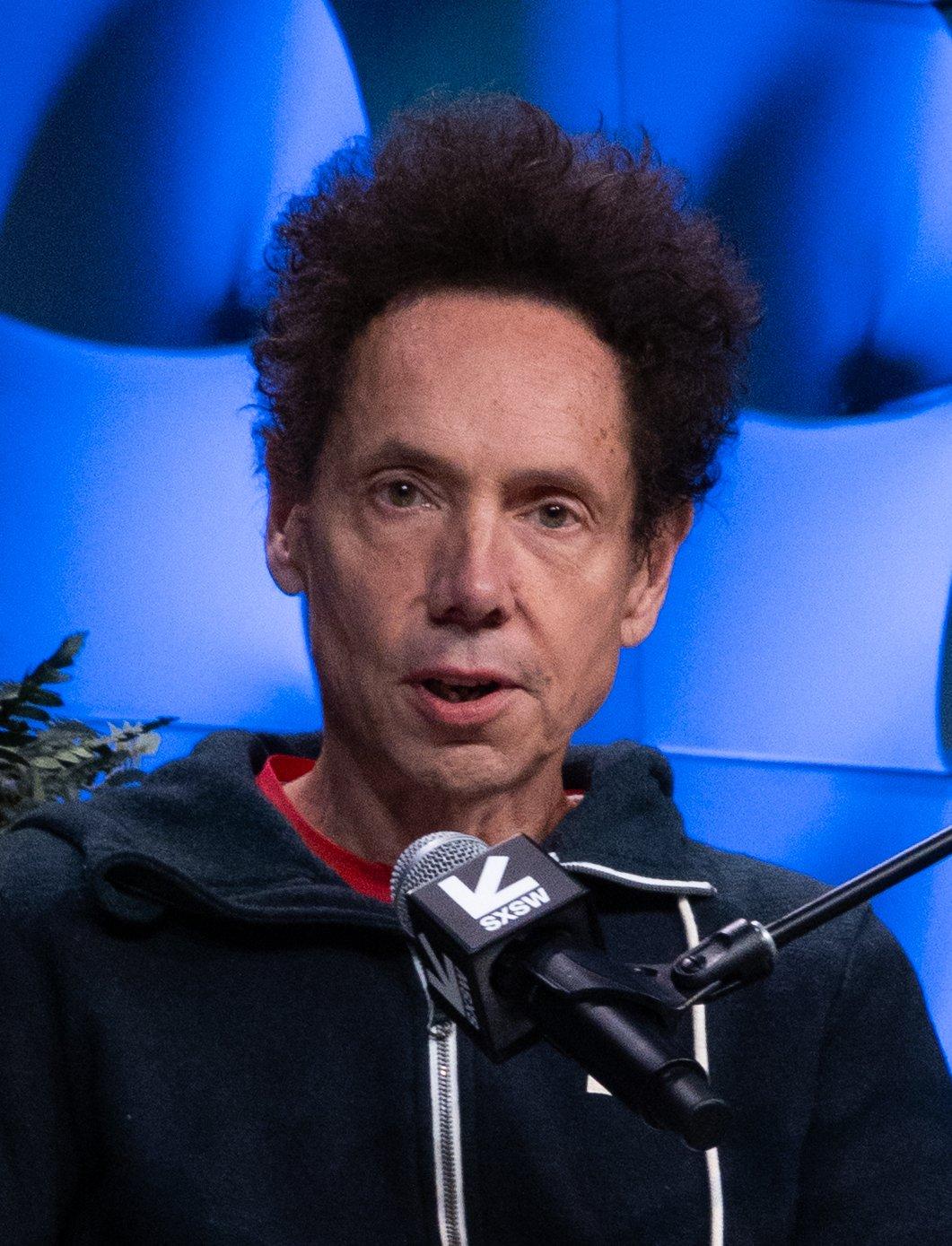
Observer over Decider
Observers have more balanced Decider poles in the middle: Self (Di) and Tribe (De). Their own perspective and other people's perspectives tend to be easier to navigate. Things are the harder territory. Control (Oi) and Chaos (Oe) sit at the extremes, so disrupted plans, uncertainty, and a changing world can trigger the strongest reactions.
When Gladwell saw New York’s crime drop, he did not start with personalities; he started with a changing system and built The Tipping Point out of that puzzle. The same habit appears in his Washington Post AIDS reporting and in Revisionist History, where the question is usually what variable everyone else missed. That is classic Observer pressure: circumstances, patterns, and the maddening problem of what actually moves events. The strength is re-framing chaos into something usable. The blind spot is falling so hard for a clean situational model that, as he later admitted about broken windows, it gets overstated.