The Personality Atlas
THE CELEBRITY PERSONALITY ARCHIVE / CHILDREN'S TELEVISION

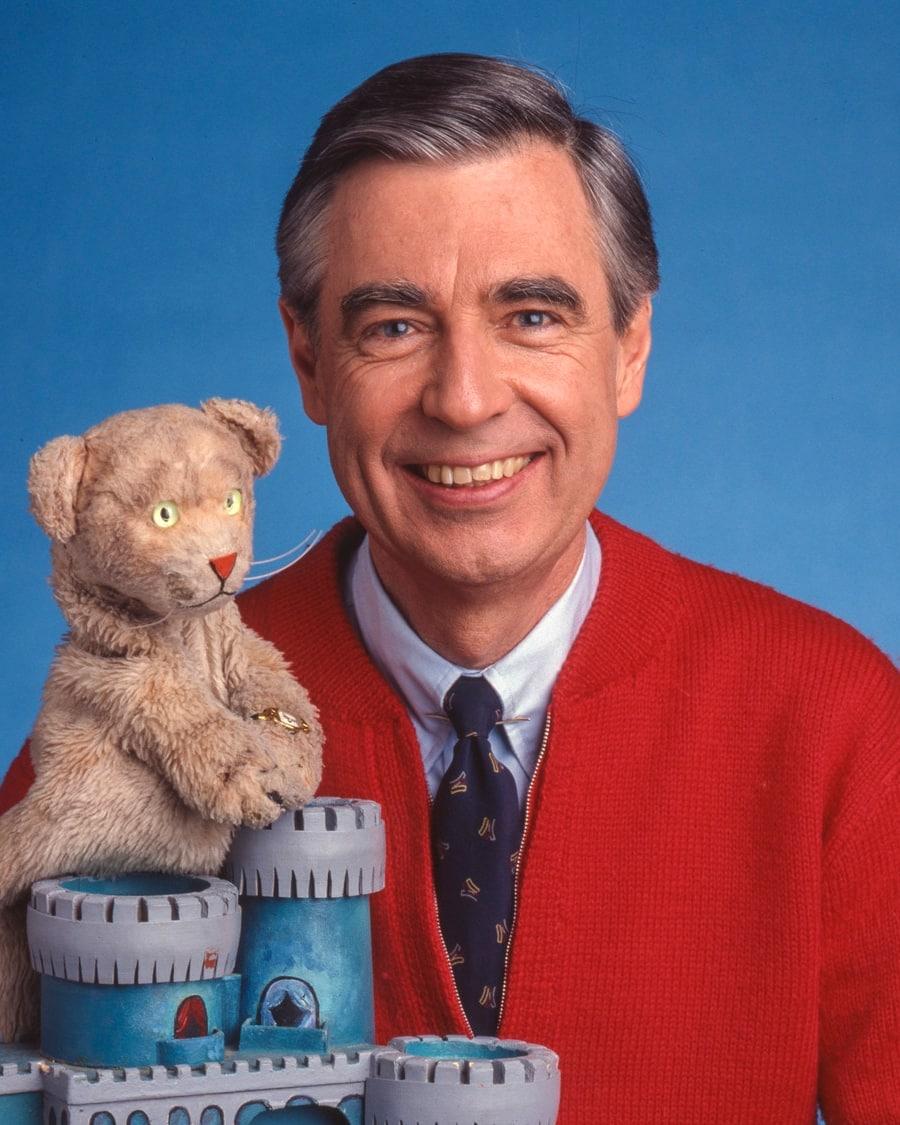
Fred Rogers.

Television host · producer · Presbyterian minister

Fred Rogers spent 33 years turning a modest set, a cardigan, and a trolley into one of the most durable acts of emotional education in American media. The gentle host persona obscures the harder truth: he was a painstaking producer, ordained minister, songwriter, and writer who treated children’s television as serious moral work.

OBJECTIVE PERSONALITY CLASSIFICATIONFF-Ti/Si-SC/P(B)What does this mean?
PERSONALITY SYSTEMObjective Personality
LEAD FUNCTIONTi · Introverted Thinking
SECOND SAVIOR FUNCTIONSi · Introverted Sensing
MBTI EQUIVALENTINTP
01 / BEHIND THE CLASSIFICATION

The personality behind the fame.

How does a recorded OPS classification like FF-Ti/Si-SC/P(B) break down? Walk through nine coins and watch the proposed type take shape. These are deductions from the archived code, not independent evidence of typing accuracy.

Scroll below to see Fred Rogers take shape.

STARTING POINT512 possible OPS typesEach type combines core functions, an animal order, and sexual modalities.
THE FINISH LINEFF-Ti/Si-SC/P(B)One recorded classification, decoded from its components.
Fred Rogers’ HUMAN NEEDS 01—03
01
DECIDER OR OBSERVER?

Decider over Observer

Deciders have more balanced Observer poles in the middle: Control (Oi) and Chaos (Oe). Organizing what's known and handling what's new tend to feel more manageable. People are the harder territory. Self (Di) and Tribe (De) sit at the extremes, so judgment, rejection, approval, and conflict can trigger the strongest reactions.

Fred Rogers’ famous 1969 Senate appearance was not a technical lecture about broadcast infrastructure. He answered Senator John Pastore by talking about children, anger, and what television could say to a frightened kid, and the exchange reportedly moved Pastore to tears. That points to Decider territory: the live friction is with people, judgment, and human significance. Rogers’ strength was lowering emotional temperature without losing conviction. The blind spot is that interpersonal sincerity can start to feel like it should solve problems that also require harder institutional force.


D
02
SELF OR TRIBE?

Di · Self over De · Tribe

Self (Di) is the stronger deciding pole. They check decisions against their own values or reasons first: what makes sense to me, what feels right to me? The strength is independent conviction; the recurring friction is the Tribe (De)—other people's standards, feedback, and expectations. As the portrait unfolds, notice how Self takes the lead.

When Rogers left a potentially promising path at the CBC and returned to Pittsburgh in 1967 with the rights to Misterogers but no job prospects, he was not following public consensus about the safest career move. He was backing his own standard for what the program should become. Self over Tribe does not mean selfishness; it means the inner bar gets the first vote. That gave him unusual consistency across decades. The cost is that a private conviction can become so trustworthy that outside pressure, advice, or faster commercial logic may register as noise instead of something worth bending toward.

Di
03
GATHER OR ORGANIZE?

Oi · Organize over Oe · Gather

Organize (Oi) leads with refining, preserving, and structuring what is already known. Its strength is preparation and clear direction; the recurring friction is unexpected change that disrupts the plan. Another layer of the personality portrait comes into focus.

Mister Rogers’ Neighborhood became famous for how little its core format changed: the model neighborhood, the front door, the cardigan, the sneakers, the trolley, the return home. Rogers also spent years shaping scripts with child-development guidance from Margaret McFarland. Organize over Gather fits that devotion to a stable framework. The strength is obvious: children knew where they were, what mattered, and what would happen next. The blind spot is that a well-built structure can become so trusted that novelty feels less like opportunity and more like an interruption to a system already doing its job.

Oi
FIRST THREE COINSD + Di + Oi

These establish the preferred human needs in the OPS framework.

Fred Rogers’ FUNCTIONS 04—05
04
FEELING OR THINKING?

Thinking · T over Feeling · F

Thinking (T) evaluates decisions through reasons, logic, and what works—not a lack of emotion. Its strength is analytical consistency; Feeling (F) provides balance through values, meaning, and the human consequences of a decision. Combined with Self (Di), this forms the recorded Savior Ti.

Rogers wrote and edited every episode, composed or performed much of the music, created characters, and worked painstakingly on how difficult subjects were explained to children. That is a useful public example of Thinking, specifically Ti: building a precise inner framework for what makes sense and what wording is actually accurate. His gift was turning emotion into something speakable without flattening it into sentimentality. The limit is subtler. An internally coherent explanation can become so carefully calibrated that other people must enter his definitions first, rather than meet him in a messier exchange.

T → Ti
05
SENSING OR INTUITION?

Sensing · S over Intuition · N

Sensing (S) focuses on concrete details, observable reality, and lived experience. Intuition (N) balances it by looking for broader patterns, concepts, and implications. Combined with Organize (Oi), this gives the recorded Savior Si.

Rogers’ work was intensely concrete. The opening ritual never floated as an abstract brand statement; it lived in a cardigan knitted by his mother, sneakers switched by hand, a trolley track, fish to feed, familiar rooms, and recurring lessons about school, pets, siblings, or divorce. Sensing, specifically Si, helps explain that devotion to known details that make safety tangible. His strength was not vague warmth but remembered specifics children could return to. The cost is that trusted routines can become anchors so strong that expanding beyond them takes deliberate effort, not just good intentions.

S → Si
THE TWO SAVIOR FUNCTIONSTi / Si

Opposing functions: Fe and Ne. This is a jumper classification.

Fred Rogers’ ANIMAL STACK 06—07
06
PLAY OR SLEEP?

Sleep over Play

Play emphasizes external real-time engagement; Sleep emphasizes internal processing. The recorded stack places Sleep earlier.

Sleep comes before Play in Rogers’ recorded pattern, and public examples of his discipline make that believable without reducing him to shyness. He woke early to pray, read, swim, and prepare before the day started; colleagues also said he would agonize over speeches before delivering them. Sleep gives him a settled inner center, a private place where experience is digested before it is shared. The strength is composure with substance behind it. The cost is that live interaction can arrive after the point has already been internally shaped, not while it is still being freely tested.

S > P
07
CONSUME OR BLAST?

Consume over Blast

Consume gathers information for internal processing; Blast organizes and communicates information. The recorded order is Sleep → Consume → Play → Blast. This comparison follows their positions in that stack.

Consume also comes earlier than Blast, which helps explain why Rogers’ public clarity felt earned rather than improvised. He studied child development, collaborated for decades with Margaret McFarland, read viewers’ letters, and kept absorbing what children actually needed help naming. That depth gave his explanations unusual credibility. The strength of Consume over Blast is that the message rests on real intake instead of easy slogans. The growth cost is pace: more research, more reading, more refinement can always feel virtuous, even when the moment now calls for a plainer declaration or quicker conclusion.

C > B
Fred Rogers’ ANIMAL ORIENTATION 08—09
08
INFO OR ENERGY DOMINANT?

Energy over Info

Energy dominant means Play and Sleep are both in the top three: there is access to expending energy through engagement and conserving it through internal processing. Blast last leaves the information side uneven—Consume may gather far more than gets communicated.

Rogers’ top three animals include both Sleep and Play, which makes this an Energy profile even though his public demeanor looked gentle rather than restless. He could preserve a strong private center and still step outward—hosting 895 episodes, testifying before Congress, giving scores of speeches, and answering viewers with remarkable consistency. That balance is a real strength: inward steadiness without social disappearance. The void sits at the missing Blast. He could care, study, and engage, yet turning all of that into the bluntest possible shared directive was less naturally preferred than building safe conditions around it.

Energy
09
INTROVERSION OR EXTROVERSION?

Introversion over Extroversion

The last animal, Blast, determines this OPS coin: Play or Blast last means Introversion; Consume or Sleep last means Extroversion. This describes animal orientation, not sociability or shyness.

Blast sits last in Rogers’ recorded stack, which makes this OPS Introversion coin even though millions invited him into their homes. The question is not whether he looked sociable; it is whether direct, simplified broadcasting of a settled message came easily. His career suggests a man more inclined to prepare carefully, absorb deeply, and then speak with extraordinary precision than to lead with sweeping pronouncements. That reserve was part of his credibility. The blind spot is that institutions and collaborators sometimes need the concise headline or faster public conclusion sooner than a careful inner process wants to give it.

I
Sexual Modalities

The four sexual modalities.

OPS uses masculine/feminine sensory and extroverted-deciding distinctions as framework-specific terms, not gender categories. The four modalities are already included in the original 512 types. The recorded modality is FF · Tester.

MM KinestheticMasculine Sensory · Masculine De
MF AudioMasculine Sensory · Feminine De
FF RECORDED MODALITYTesterFeminine Sensory · Feminine De
FM VisualFeminine Sensory · Masculine De
COMPLETE RECORDED OPS TYPE · MODALITY INCLUDEDFF-Ti/Si-SC/P(B)

Ti leads, Si supports, and the animal stack is Sleep → Consume → Play → Blast.

THE FINISHED PORTRAIT · ALL NINE COINS REVEALED

Fred Rogers's complete function and animal stack

SleepConsumePlayBlastmTimNefSifFe
FF-Ti/Si-SC/P(B)DOUBLE ACTIVATED · CONSUMEExplore the Interactive Coin Builder →
THE FRED ROGERS LENS

The rigor inside the cardigan

The cardigan entrance became so iconic that it can hide the rigor behind it. Rogers walked through that front door on nearly 900 episodes, then used the set’s familiar rituals to talk about divorce, death, anger, and fear with children television usually underestimated. The public impression was saintly softness. Behind it was a disciplined maker treating gentleness as practiced craft, not mood.

Ti/Si gave him a rare combination of precision and reassurance. He wrote and edited episodes painstakingly, built lessons around stable routines, and turned emotional subjects into language children could actually use. That pairing made care concrete instead of vague. Its limit was compression: a privately calibrated framework can resist broader, faster messaging when an institution wants the headline before the nuance.

Rogers was a Decider and, therefore, a Double Observer. He could manage enormous amounts of structure, repetition, and logistical steadiness; the harder tension was people, significance, and how to bridge a private standard with shared feeling. That human-needs imbalance leans toward protecting inner judgment over real-time consensus. The neglected function opposite his lead Ti was Fe, the demand to shape group feeling out loud.

Sleep → Consume → Play → Blast shows why his presence felt composed rather than pushy. He processed privately, studied deeply, engaged warmly, and only last favored compressed public directives. Blast last can make the takeaway arrive softer and later than collaborators or institutions want. The balance is not becoming louder; it is stating the headline one beat earlier in a script, speech, or meeting while keeping the same careful tenderness.

Want to understand the Savior and Demon states behind these nine coins? Explore the complete explanation, visual examples, and typing principles on our Methodology page →

02 / KEEP EXPLORING

Different faces. Familiar patterns.

Explore other celebrities with related recorded OPS classifications. Related functions are not necessarily exact type matches.

Discover Type Twins
YOUR TURN

Curious about your own type?

Discover how your own personality might be classified through Objective Personality.

Get objectively typed
Fred Rogers's Personality Type & OPS Profile | The Personality Atlas