Observer over Decider
Observers have more balanced Decider poles in the middle: Self (Di) and Tribe (De). Their own perspective and other people's perspectives tend to be easier to navigate. Things are the harder territory. Control (Oi) and Chaos (Oe) sit at the extremes, so disrupted plans, uncertainty, and a changing world can trigger the strongest reactions.
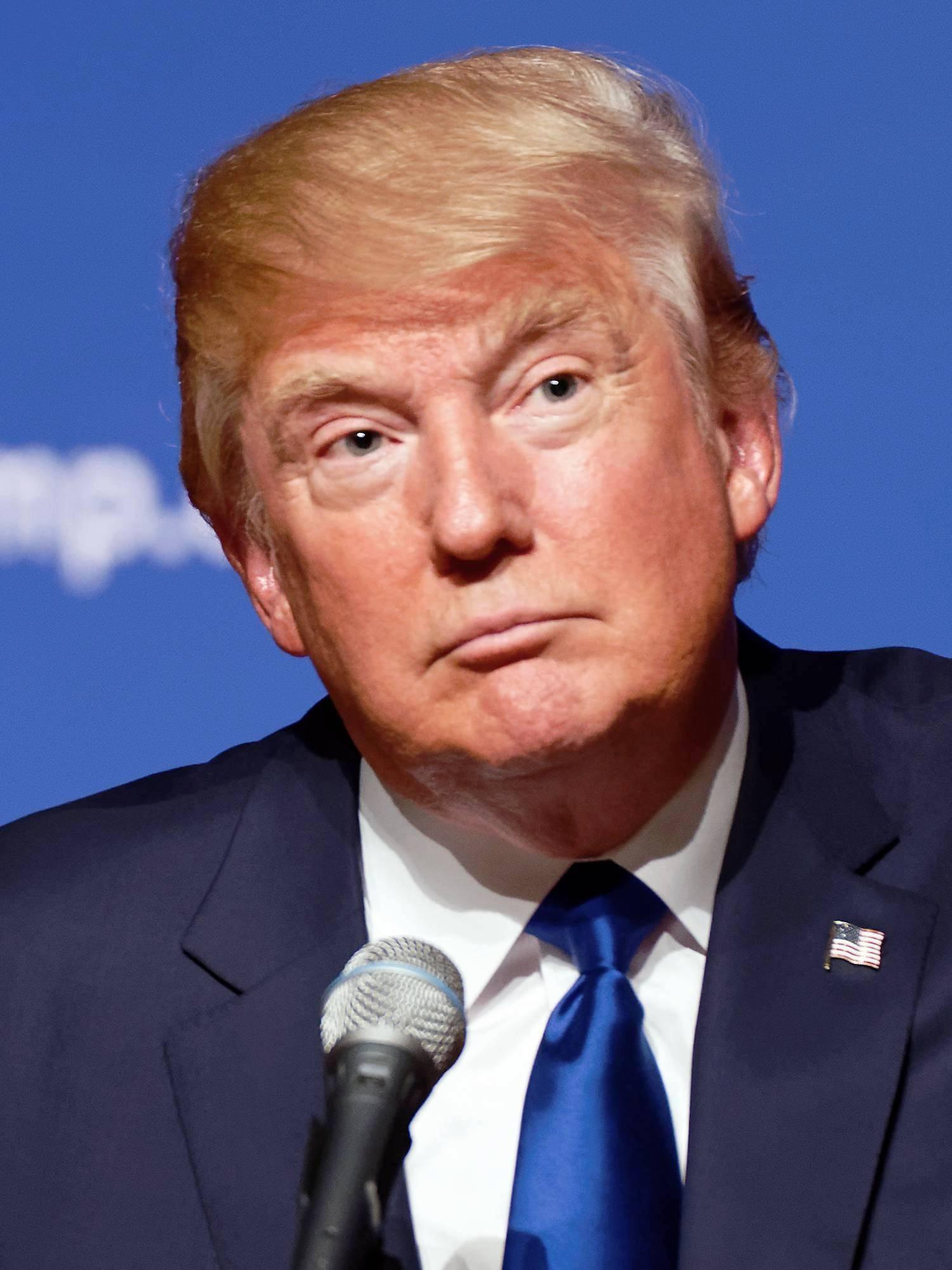
Trump’s career repeatedly attacks the changing board itself: moving from outer-borough apartments to Manhattan projects, then to casinos, television, national politics and a tariff-heavy second presidency. The tension is less “Do people like me?” than “Can this environment be bent to my advantage?” That Observer frame is a strength in unstable arenas; he keeps acting when conditions shift. The blind spot is treating stubborn facts—bank debt, pandemic conditions, election results, court rulings—as if forceful messaging alone can renegotiate them. The growth cost is accepting reality before branding a counterattack.