The Personality Atlas
THE CELEBRITY PERSONALITY ARCHIVE / SPORTS & MEDIA

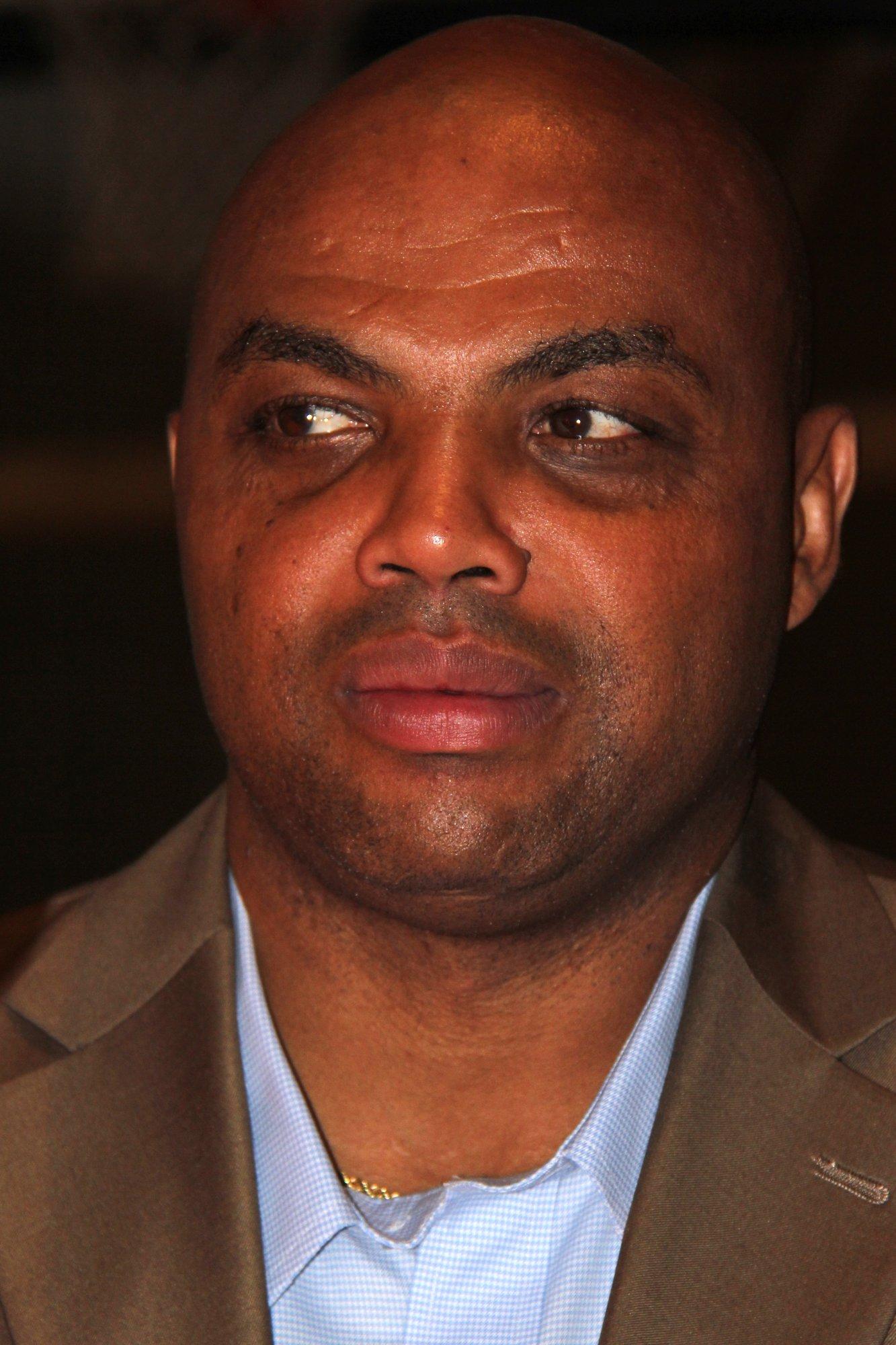
Charles Barkley.

Basketball Hall of Famer · Television Analyst

Charles Barkley built a career by turning disadvantages into spectacle: barely noticed by college scouts until a state semifinal, then an undersized power forward who became one of basketball’s great rebounders, an MVP in Phoenix, and later a studio analyst so blunt and funny that retirement only made him more unavoidable.

OBJECTIVE PERSONALITY CLASSIFICATIONMM-Se/Ti-CP/B(S)What does this mean?
PERSONALITY SYSTEMObjective Personality
LEAD FUNCTIONSe · Extroverted Sensing
SECOND SAVIOR FUNCTIONTi · Introverted Thinking
MBTI EQUIVALENTESTP
01 / BEHIND THE CLASSIFICATION

The personality behind the fame.

How does a recorded OPS classification like MM-Se/Ti-CP/B(S) break down? Walk through nine coins and watch the proposed type take shape. These are deductions from the archived code, not independent evidence of typing accuracy.

Scroll below to see Charles Barkley take shape.

STARTING POINT512 possible OPS typesEach type combines core functions, an animal order, and sexual modalities.
THE FINISH LINEMM-Se/Ti-CP/B(S)One recorded classification, decoded from its components.
Charles Barkley’s HUMAN NEEDS 01—03
01
DECIDER OR OBSERVER?

Observer over Decider

Observers have more balanced Decider poles in the middle: Self (Di) and Tribe (De). Their own perspective and other people's perspectives tend to be easier to navigate. Things are the harder territory. Control (Oi) and Chaos (Oe) sit at the extremes, so disrupted plans, uncertainty, and a changing world can trigger the strongest reactions.

Before he was Sir Charles on TNT, Barkley was the “fat guy... who can play like the wind” Auburn noticed only after a state semifinal, then an undersized power forward who still led the league in rebounding. That pattern fits Observer friction: the obstacle keeps showing up as the setup itself—height, matchups, timing, roster context. His advantage is immediate adaptation to whatever the game gives him. The blind spot is treating every problem like stubborn reality to overpower, when some situations call for pacing, boundaries or a calmer read of consequences.

O
02
SELF OR TRIBE?

Di · Self over De · Tribe

Self (Di) is the stronger deciding pole. They check decisions against their own values or reasons first: what makes sense to me, what feels right to me? The strength is independent conviction; the recurring friction is the Tribe (De)—other people's standards, feedback, and expectations. As the portrait unfolds, notice how Self takes the lead.

The “I am not a role model” campaign is classic Self over Tribe: Barkley refused the flattering public script and argued that parents and teachers, not athletes, should raise kids. That independence gave his career a center. He was not waiting for applause to decide what he thought. The strength is a standard that can survive boos, headlines and sponsor anxiety. The cost is that a self-authored verdict can become so convincing that the audience’s legitimate concerns sound like noise, forcing repair after the fact instead of adjustment in real time.

Di
03
GATHER OR ORGANIZE?

Oe · Gather over Oi · Organize

Gather (Oe) leads with new information, experiences, and possibilities. Its strength is curiosity and adaptability; the recurring friction is narrowing the options and settling into what is already known. Another layer of the personality portrait comes into focus.

At Auburn, Barkley was a center without center height. In college he could grab a defensive rebound, ignore the expected outlet pass, and dribble the length of the court for a dunk. Later he shifted from star rebounder in Philadelphia to MVP engine in Phoenix and then to studio analyst. Gather over Organize shows up in that willingness to keep finding another opening instead of living inside one fixed blueprint. The gift is adaptability and surprise. The cost is that raw options do not choose themselves; eventually a career, possession or argument still needs a settled lane.

Oe
FIRST THREE COINSO + Di + Oe

These establish the preferred human needs in the OPS framework.

Charles Barkley’s FUNCTIONS 04—05
04
FEELING OR THINKING?

Thinking · T over Feeling · F

Thinking (T) evaluates decisions through reasons, logic, and what works—not a lack of emotion. Its strength is analytical consistency; Feeling (F) provides balance through values, meaning, and the human consequences of a decision. Combined with Self (Di), this forms the recorded Savior Ti.

When Magic Johnson announced he was HIV-positive, Barkley publicly cut through the panic with a starkly practical line: “We’re just playing basketball.” That is Thinking in the recorded Ti sense—first asking what actually follows from the facts, not what phrasing will sound most tactful. The upside is clarity under pressure and a refusal to join emotional theater. The downside is equally obvious: a sharp logical point can land like a slap if it outruns other people’s fear, dignity or need for a gentler delivery. Accuracy and tact are not the same skill.

T → Ti
05
SENSING OR INTUITION?

Sensing · S over Intuition · N

Sensing (S) focuses on concrete details, observable reality, and lived experience. Intuition (N) balances it by looking for broader patterns, concepts, and implications. Combined with Gather (Oe), this gives the recorded Savior Se.

Barkley’s career is full of Se evidence because it happened in the body, in the room, in the collision. Short for a power forward, he still bullied the glass, finished coast to coast, posted 56 points in a playoff game, and made fans feel the force of the moment. Sensing gives him contact with what is actually there, not an abstract version of the game. The strength is overwhelming presence. The blind spot is that immediate intensity can become the whole compass, making it harder to step back before a confrontation or public moment grows bigger than the play itself.

S → Se
THE TWO SAVIOR FUNCTIONSSe / Ti

Opposing functions: Ni and Fe.

Charles Barkley’s ANIMAL STACK 06—07
06
CONSUME OR BLAST?

Consume over Blast

Consume gathers information for internal processing; Blast organizes and communicates information. The recorded order is Consume → Play → Blast → Sleep. This comparison follows their positions in that stack.

Under Moses Malone’s tutelage, Barkley improved his conditioning, learned how to prepare, and quickly turned raw force into more complete production. Consume over Blast fits that pattern better than a simple loudmouth stereotype. Before the quote or the hot take, there is a player taking in lessons, matchups and details that can actually be used. The strength is substance: he usually has something real behind the opinion. The growth cost is that taking in more and more material can feel more solid than narrowing it into one clean message other people can follow without already sharing his background.

C > B
07
PLAY OR SLEEP?

Play over Sleep

Play emphasizes external real-time engagement; Sleep emphasizes internal processing. The recorded stack places Play earlier.

Barkley made the NBA’s All-Interview Team for his last 13 seasons and later became the spark plug of Inside the NBA. Play over Sleep shows how naturally he works in live exchange: teasing Shaq, reacting instantly, turning disagreement into entertainment. Combined with that earlier appetite for taking things in, it gives him a public style that stays loose and responsive rather than rehearsed. The cost is recovery. He later said the spitting incident taught him he was getting way too intense. Fast engagement is a strength; it still needs a brake.

P > S
Charles Barkley’s ANIMAL ORIENTATION 08—09
08
INFO OR ENERGY DOMINANT?

Info over Energy

Info dominant means Consume and Blast are both in the top three: gathering and communicating information are more balanced. Sleep last leaves the energy side uneven—Play can keep engagement going without enough private recovery.

Barkley’s second career makes the Info coin easy to see. He did not just play; he became a five-time Sports Emmy-winning studio analyst and an author, someone who can absorb a game and then state the takeaway in language viewers remember. With Consume and Blast in the top three, information moves outward quickly and vividly. That is the strength. The missing balance sits with Sleep: private consolidation and genuine slowdown can lag behind the appetite to react, explain and keep the conversation moving. Knowing a lot is different from making time to metabolize it.

Info
09
INTROVERSION OR EXTROVERSION?

Extroversion over Introversion

The last animal, Sleep, determines this OPS coin: Play or Blast last means Introversion; Consume or Sleep last means Extroversion. This describes animal orientation, not sociability or shyness.

This Extroversion coin is not about whether Barkley seems outgoing; anyone can see that. In OPS terms, Sleep comes last, so taking in, interacting and broadcasting all outrun the quieter work of stepping back and settling internally. You can see the pattern from his playing days through the constant postgame candor that made him media gold. The advantage is momentum: the man is built to move the ball of life forward in public. The blind spot is that inner decompression arrives late. His own lesson after the spitting incident—calm down before “winning at all costs” takes over—captures the growth edge.

E
Sexual Modalities

The four sexual modalities.

OPS uses masculine/feminine sensory and extroverted-deciding distinctions as framework-specific terms, not gender categories. The four modalities are already included in the original 512 types. The recorded modality is MM · Kinesthetic.

MM RECORDED MODALITYKinestheticMasculine Sensory · Masculine De
MF AudioMasculine Sensory · Feminine De
FF TesterFeminine Sensory · Feminine De
FM VisualFeminine Sensory · Masculine De
COMPLETE RECORDED OPS TYPE · MODALITY INCLUDEDMM-Se/Ti-CP/B(S)

Se leads, Ti supports, and the animal stack is Consume → Play → Blast → Sleep.

THE FINISHED PORTRAIT · ALL NINE COINS REVEALED

Charles Barkley's complete function and animal stack

ConsumePlayBlastSleepmSefTimFefNi
MM-Se/Ti-CP/B(S)DOUBLE ACTIVATED · PLAYExplore the Interactive Coin Builder →
THE CHARLES BARKLEY LENS

The rebounder who kept talking after the buzzer

Barkley’s public image is easy to caricature: the round mound snatching a rebound, leading the break himself, then years later hijacking a TNT segment with the line everyone repeats the next morning. The fuller picture is better. Behind the noise is a player and broadcaster who kept turning awkward circumstances into advantage.

His Se/Ti saviors are a brutal sports-and-media combination. Se locks onto what is happening now—the matchup, the opening, the physical fact. Ti supplies the internal verdict on what actually makes sense. That pairing creates forceful clarity and unforgettable candor, but it can also make immediate certainty outrun reflection, diplomacy, or longer-range framing.

As an Observer and Double Decider, Barkley is not fundamentally trapped by people approval; he is more likely to wrestle the conditions, the setup, the chaos of reality itself. The human-needs imbalance comes from overtrusting concrete immediacy. Neglected Ni, opposite his lead Se, can miss the slower throughline, the future consequence, or the pattern behind the moment.

Consume → Play → Blast → Sleep explains why Barkley can study the game, spar in real time, and then package the point for millions before quiet internal recovery ever gets its turn. Sleep last is the imbalance. The balance move is not becoming milder; it is building deliberate pauses—walk away, cool down, then return with the same sharpness and less collateral.

Want to understand the Savior and Demon states behind these nine coins? Explore the complete explanation, visual examples, and typing principles on our Methodology page →

02 / KEEP EXPLORING

Different faces. Familiar patterns.

Explore other celebrities with related recorded OPS classifications. Related functions are not necessarily exact type matches.

Discover Type Twins
YOUR TURN

Curious about your own type?

Discover how your own personality might be classified through Objective Personality.

Get objectively typed
Charles Barkley's Personality Type & OPS Profile | The Personality Atlas