
The Personality Atlas
THE CELEBRITY PERSONALITY ARCHIVE / FILM & COMEDY

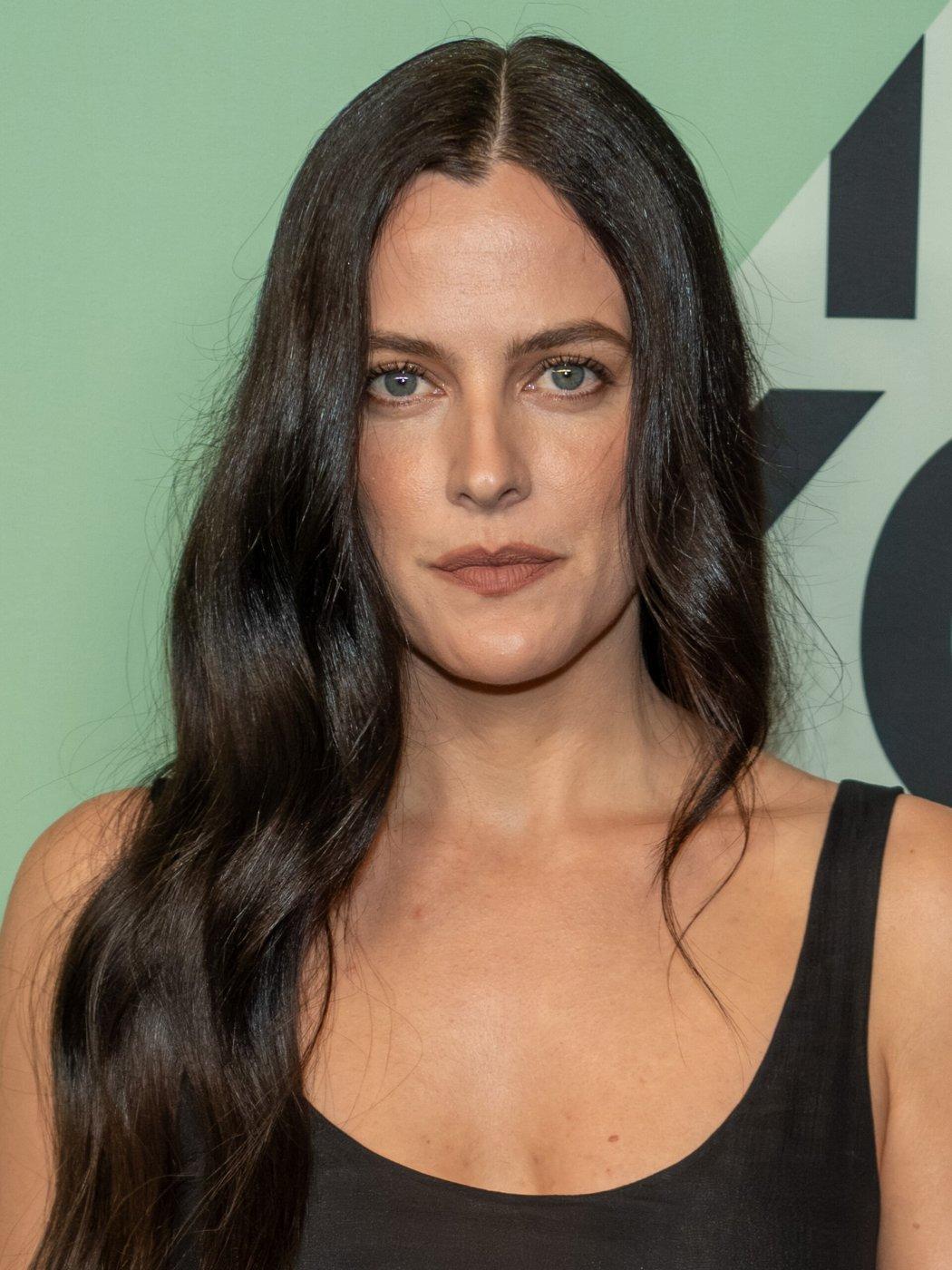
D'Arcy Carden.

Actor · Comedian · Broadway performer

D’Arcy Carden spent years in the unglamorous machinery of comedy—UCB classes, touring, nanny work, an interactive New York City bus show—before turning Janet on The Good Place into a breakout. Since then she has moved through Barry, A League of Their Own, Broadway and podcasting with the crisp usefulness of someone who can make even a bizarre premise feel immediately playable.

OBJECTIVE PERSONALITY CLASSIFICATIONFF-Ni/Te-BS/P(C) #4What does this mean?
PERSONALITY SYSTEMObjective Personality
LEAD FUNCTIONNi · Introverted Intuition
SECOND SAVIOR FUNCTIONTe · Extroverted Thinking
MBTI EQUIVALENTINTJ
01 / BEHIND THE CLASSIFICATION

The personality behind the fame.

How does a recorded OPS classification like FF-Ni/Te-BS/P(C) #4 break down? Walk through nine coins and watch the proposed type take shape. These are deductions from the archived code, not independent evidence of typing accuracy.

Scroll below to see D'Arcy Carden take shape.

STARTING POINT512 possible OPS typesEach type combines core functions, an animal order, and sexual modalities.
THE FINISH LINEFF-Ni/Te-BS/P(C) #4One recorded classification, decoded from its components.
D'Arcy Carden’s HUMAN NEEDS 01—03
01
DECIDER OR OBSERVER?

Observer over Decider

Observers have more balanced Decider poles in the middle: Self (Di) and Tribe (De). Their own perspective and other people's perspectives tend to be easier to navigate. Things are the harder territory. Control (Oi) and Chaos (Oe) sit at the extremes, so disrupted plans, uncertainty, and a changing world can trigger the strongest reactions.

Before The Good Place made her instantly recognizable, Carden spent years moving through the unstable logistics of an acting career: UCB classes and touring, full-time nanny work, an interactive bus show, a web series, then recurring and guest parts across Broad City, Veep and Crazy Ex-Girlfriend. That pattern fits Observer friction. The pressure point is not mainly whether people like you, but whether the next opening, platform or role actually exists. Her advantage is composure inside uncertainty. The blind spot is spending too much energy solving the conditions around the work instead of deciding which conditions are already good enough.

O
02
SELF OR TRIBE?

De · Tribe over Di · Self

Tribe (De) is the stronger deciding pole. They check decisions against people, shared standards, and what works for the group: what do we need, what will others think? The strength is coordination and responsiveness; the recurring friction is the Self (Di)—knowing and defending their own position. As the portrait unfolds, notice how Tribe takes the lead.

Carden’s breakout did not come from barricading herself inside a one-woman brand. It came through ensembles, institutions and other people’s frameworks: UCB, The Ride, Broad City, The Good Place, Barry, A League of Their Own, even a SmartLess Media podcast built around a panel. Tribe-first is useful there. She can organize herself around what a room, cast or project needs and become incredibly usable to other people. The cost is that outside momentum can set the pace. When your standard lives publicly, waiting for the right team or greenlight can quietly outrank your own private timetable.

De
03
GATHER OR ORGANIZE?

Oi · Organize over Oe · Gather

Organize (Oi) leads with refining, preserving, and structuring what is already known. Its strength is preparation and clear direction; the recurring friction is unexpected change that disrupts the plan. Another layer of the personality portrait comes into focus.

Her UCB story is telling: she took classes in 2004, kept progressing with the group, toured with the company, and then built a screen career as a recurring specialist in sharply defined worlds. Organize-first likes a stable map. Rather than chase every possible version of “comedian,” Carden repeatedly commits to systems—a troupe, a format, a show’s logic—and gets more precise inside them. That creates reliability, which casting notices. The tradeoff is selectivity. A strong internal map can make the unstructured detour look less promising, even when the detour might open a completely different lane.

Oi
FIRST THREE COINSO + De + Oi

These establish the preferred human needs in the OPS framework.

D'Arcy Carden’s FUNCTIONS 04—05
04
FEELING OR THINKING?

Thinking · T over Feeling · F

Thinking (T) evaluates decisions through reasons, logic, and what works—not a lack of emotion. Its strength is analytical consistency; Feeling (F) provides balance through values, meaning, and the human consequences of a decision. Combined with Tribe (De), this forms the recorded Savior Te.

Early in New York, Carden did not just perform. She directed, produced and starred in a holiday show, then later worked The Ride, where timing and external coordination mattered as much as charm. That points cleanly to Te. Its strength is functional clarity: what is the bit, how does this scene work, what helps the audience track it now? Janet on The Good Place benefited from that same crispness. The blind spot is that efficiency can become the standard too early. A workable delivery can arrive before every subtlety, ambiguity or alternate approach has been fully explored.

T → Te
05
SENSING OR INTUITION?

Intuition · N over Sensing · S

Intuition (N) focuses on concepts, patterns, and what information might mean. Sensing (S) balances it through observable facts, physical detail, and direct experience. Combined with Organize (Oi), this gives the recorded Savior Ni.

Carden’s most visible roles are not random credits so much as tightly built worlds: the metaphysical machinery of The Good Place, the controlled darkness of Barry, the period setting of A League of Their Own, and now WikiHole’s promise of strange connections made coherent. Ni gives an advantage in locking onto the central throughline of a premise and playing toward it. She can help a bizarre setup feel internally consistent instead of merely quirky. The cost is tunnel vision. Once the core read clicks, other interesting angles can get treated as noise rather than possibilities worth lingering over.

N → Ni
THE TWO SAVIOR FUNCTIONSNi / Te

Opposing functions: Se and Fi.

D'Arcy Carden’s ANIMAL STACK 06—07
06
CONSUME OR BLAST?

Blast over Consume

Consume gathers information for internal processing; Blast organizes and communicates information. The recorded order is Blast → Sleep → Play → Consume. This comparison follows their positions in that stack.

On The Good Place, Carden became famous playing a “live virtual assistant,” which is almost too perfect an image for Blast over Consume. The job was not to hoard more and more input; it was to make a strange world readable, quick and useful for everyone else on screen and at home. That is the strength of Blast: summarize, clarify, move things forward. The corresponding blind spot is assuming the clean explanation is already enough. Sometimes the next gain comes from taking in more before speaking again, not from sharpening the delivery another notch.

B > C
07
PLAY OR SLEEP?

Sleep over Play

Play emphasizes external real-time engagement; Sleep emphasizes internal processing. The recorded stack places Sleep earlier.

Her background in improv and an interactive tour-bus show might make people assume nonstop social improvisation is the whole story. Sleep over Play makes the picture more interesting. Even inside lively ensemble work, Carden’s best-known characters feel internally settled, as if the center was found before the joke left her mouth. Paired with earlier Blast, that can create delivery that is both clear and composed. The cost is subtler: real-time exchange can get filtered through a preprocessed read. Another person’s unexpected direction may arrive after the internal conclusion is already largely formed.

S > P
D'Arcy Carden’s ANIMAL ORIENTATION 08—09
08
INFO OR ENERGY DOMINANT?

Energy over Info

Energy dominant means Play and Sleep are both in the top three: there is access to expending energy through engagement and conserving it through internal processing. Consume last leaves the information side uneven—Blast may broadcast more than gets taken in.

Carden’s public career keeps alternating between inward consolidation and outward performance: UCB training, touring, recurring TV roles, a Broadway debut, a lead turn in A League of Their Own, then fronting WikiHole. With Sleep and Play both in the top three, this is Energy-dominant—not because she seems lively, but because her stack prioritizes managing life force through retreat and engagement. That balance can sustain a long ensemble career. The missing piece is Consume last. She may be better at carrying momentum than at pausing to gather more raw input before the next commitment is already underway.

Energy
09
INTROVERSION OR EXTROVERSION?

Extroversion over Introversion

The last animal, Consume, determines this OPS coin: Play or Blast last means Introversion; Consume or Sleep last means Extroversion. This describes animal orientation, not sociability or shyness.

In OPS terms, Carden lands on Extroversion because Consume is last. That does not mean “party person,” and it does not need her career to prove she is sociable. It means the system leans outward: Blast, Sleep and Play all come earlier than the slower work of taking in more before acting. Her résumé fits that bias toward getting involved—touring with UCB, working an interactive bus show, recurring across ensemble series, stepping onto Broadway, fronting a podcast. The growth edge is simple and annoyingly hard: leave a little more room for research, observation and unpressured curiosity before the next polished contribution.

E
Sexual Modalities

The four sexual modalities.

OPS uses masculine/feminine sensory and extroverted-deciding distinctions as framework-specific terms, not gender categories. The four modalities are already included in the original 512 types. The recorded modality is FF · Tester.

MM KinestheticMasculine Sensory · Masculine De
MF AudioMasculine Sensory · Feminine De
FF RECORDED MODALITYTesterFeminine Sensory · Feminine De
FM VisualFeminine Sensory · Masculine De
ADDITIONAL LAYER · SOCIAL TYPE

The four social types.

Social types are an additional layer on top of the original Objective Personality classification, introduced later in OPS research. They describe two proposed social preference coins: Flex vs. Friends and Generalize vs. Specialize. The combination and priority of these preferences produce four social types. D'Arcy Carden's recorded social type is #4.

SOCIAL #1 #1Flex · Generalize
SOCIAL #2 #2Generalize · Friends
SOCIAL #3 #3Specialize · Flex
SOCIAL #4 RECORDED SOCIAL TYPE#4Friends · Specialize
COMPLETE RECORDED OPS TYPE · MODALITY INCLUDED + SOCIAL TYPEFF-Ni/Te-BS/P(C) #4

Ni leads, Te supports, and the animal stack is Blast → Sleep → Play → Consume.

THE FINISHED PORTRAIT · ALL NINE COINS REVEALED

D'Arcy Carden's complete function and animal stack

BlastSleepPlayConsumemNifTemFifSe
FF-Ni/Te-BS/P(C) #4DOUBLE ACTIVATED · BLASTExplore the Interactive Coin Builder →
THE D'ARCY CARDEN LENS

The woman who makes strange worlds legible

Janet made D’Arcy Carden look effortless: immaculate timing, pristine diction, chaos translated into something viewers could instantly follow. But that public impression sits on a long apprenticeship—UCB classes, tour-bus performance, guest spots, nanny work, web comedy and recurring roles—built by someone who kept finding structure inside unstable industry conditions.

Ni/Te is a potent professional pairing for an actor who keeps entering high-concept ensembles. Ni tracks the governing idea of a world; Te makes that idea usable in public. That combination can turn a weird premise into crisp comedy and dependable collaboration. Its limit is compression: once the read feels clear, extra nuance can start to look unnecessary.

As an Observer and Double Decider, Carden’s deeper imbalance is more about control, timing and the state of the environment than about chronic people drama. She can usually keep human complexity moving better than she can relax uncertainty in the world itself. The neglected function opposite her lead savior is Se, which asks for direct contact with immediate facts instead of the preferred big-picture map.

Blast → Sleep → Play → Consume shows a person built to clarify, process, engage and only then take in more. With Consume last, the risk is not a lack of talent or warmth, but outrunning fresh intake because the machine is already working. The balancing move is concrete: before the next role, podcast season or live project, deliberately leave time to watch, read and ask one more question—then bring that fuller intake back to the same sharp delivery.

Want to understand the Savior and Demon states behind these nine coins? Explore the complete explanation, visual examples, and typing principles on our Methodology page →

02 / KEEP EXPLORING

Different faces. Familiar patterns.

Explore other celebrities with related recorded OPS classifications. Related functions are not necessarily exact type matches.

Discover Type Twins
YOUR TURN

Curious about your own type?

Discover how your own personality might be classified through Objective Personality.

Get objectively typed
D'Arcy Carden's Personality Type & OPS Profile | The Personality Atlas