
The Personality Atlas
THE CELEBRITY PERSONALITY ARCHIVE / BEHAVIOR & COMMUNICATION

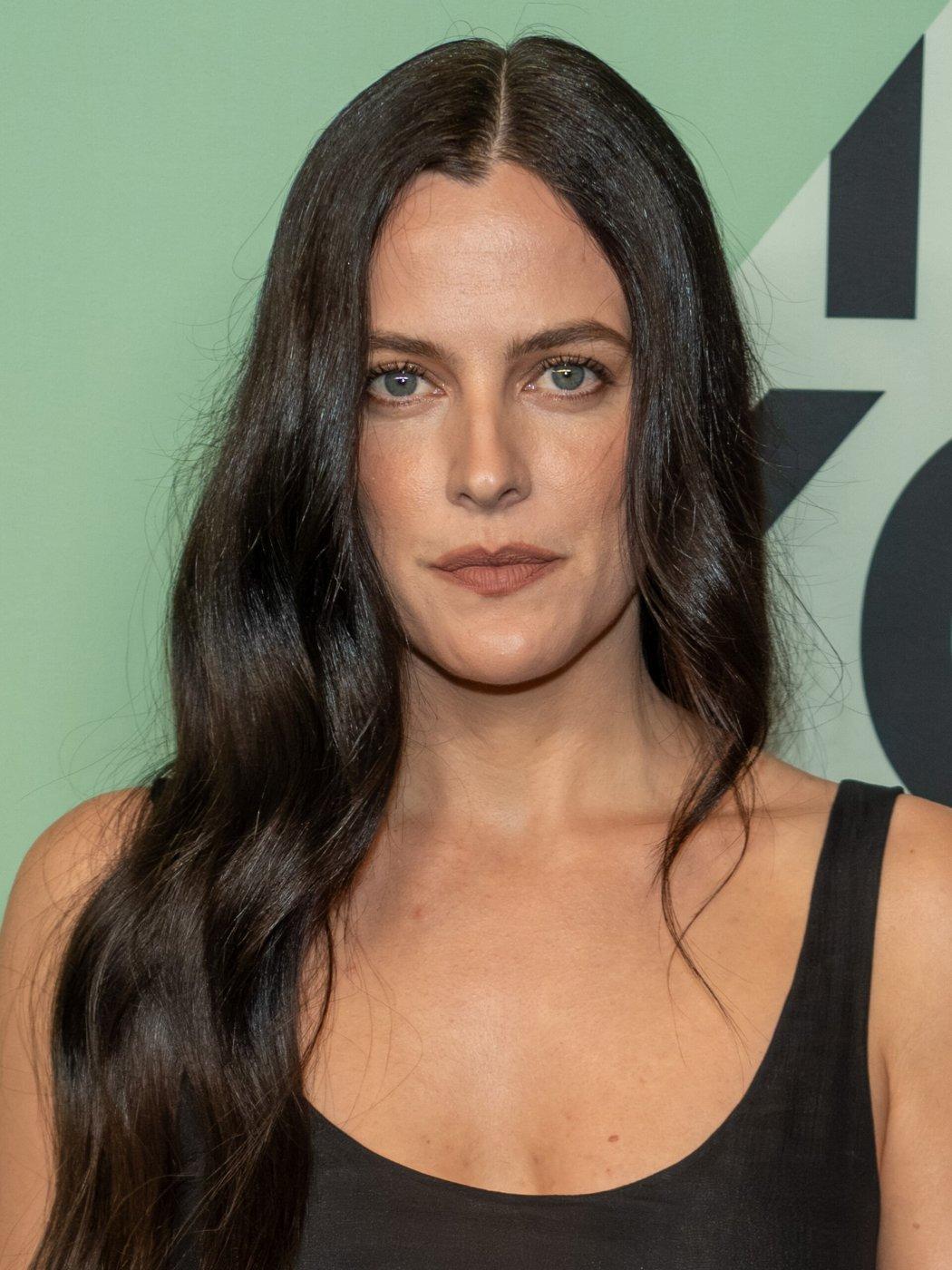
Vanessa Van Edwards.

Author · Speaker · People Skills Educator

From Science of People experiments to TED-talk data, Shark Tank breakdowns and presidential gesture analysis, Vanessa Van Edwards has built a career by treating charisma like something you can study instead of vaguely admire. Her public brand is warm and practical, but the engine underneath it is relentlessly pattern-driven: take messy human behavior, test it, sort it, and hand back a framework people can actually use.

OBJECTIVE PERSONALITY CLASSIFICATIONFF-Ni/Te-BS/P(C)What does this mean?
PERSONALITY SYSTEMObjective Personality
LEAD FUNCTIONNi · Introverted Intuition
SECOND SAVIOR FUNCTIONTe · Extroverted Thinking
MBTI EQUIVALENTINTJ
01 / BEHIND THE CLASSIFICATION

The personality behind the fame.

How does a recorded OPS classification like FF-Ni/Te-BS/P(C) break down? Walk through nine coins and watch the proposed type take shape. These are deductions from the archived code, not independent evidence of typing accuracy.

Scroll below to see Vanessa Van Edwards take shape.

STARTING POINT512 possible OPS typesEach type combines core functions, an animal order, and sexual modalities.
THE FINISH LINEFF-Ni/Te-BS/P(C)One recorded classification, decoded from its components.
Vanessa Van Edwards’ HUMAN NEEDS 01—03
01
DECIDER OR OBSERVER?

Observer over Decider

Observers have more balanced Decider poles in the middle: Self (Di) and Tribe (De). Their own perspective and other people's perspectives tend to be easier to navigate. Things are the harder territory. Control (Oi) and Chaos (Oe) sit at the extremes, so disrupted plans, uncertainty, and a changing world can trigger the strongest reactions.

Van Edwards built her reputation around a problem that refuses to stay tidy: human behavior. Her lab runs experiments, her courses teach body language and communication, and even the biography attached to her work admits a stubborn complication—researchers are only slightly better than chance at detecting deception, with no reliable nonverbal tells. That is classic Observer friction: the world itself stays slippery. The strength is persistence with messy reality. The blind spot is believing one more study, one more cue, or one more framework will finally make uncertainty sit still.

O
02
SELF OR TRIBE?

De · Tribe over Di · Self

Tribe (De) is the stronger deciding pole. They check decisions against people, shared standards, and what works for the group: what do we need, what will others think? The strength is coordination and responsiveness; the recurring friction is the Self (Di)—knowing and defending their own position. As the portrait unfolds, notice how Tribe takes the lead.

Her work is consistently aimed at what other people can use. Monthly columns for Entrepreneur, appearances on AM Northwest, and books like Captivate and Cues all show a Tribe-first pressure to package ideas for an audience instead of leaving them as private curiosities. The strength is usefulness: she does not just research behavior, she translates it into advice others can act on. The growth cost is external calibration. When your standard is whether the tribe can apply it, there is constant pressure to refine, clarify, and prove the point to everyone else.

De
03
GATHER OR ORGANIZE?

Oi · Organize over Oe · Gather

Organize (Oi) leads with refining, preserving, and structuring what is already known. Its strength is preparation and clear direction; the recurring friction is unexpected change that disrupts the plan. Another layer of the personality portrait comes into focus.

Van Edwards does not merely collect interesting social facts; she organizes them into repeatable systems. Her public work moves from TED-talk experiments to Shark Tank analysis to courses on nonverbal communication, all under the same larger effort to map patterns in how people connect. That is Organize over Gather: narrowing sprawling information into a stable framework. The advantage is coherence. The blind spot is that living humans do not always honor the diagram. The more elegant the model becomes, the easier it is to miss data that does not fit the existing structure cleanly.

Oi
FIRST THREE COINSO + De + Oi

These establish the preferred human needs in the OPS framework.

Vanessa Van Edwards’ FUNCTIONS 04—05
04
FEELING OR THINKING?

Thinking · T over Feeling · F

Thinking (T) evaluates decisions through reasons, logic, and what works—not a lack of emotion. Its strength is analytical consistency; Feeling (F) provides balance through values, meaning, and the human consequences of a decision. Combined with Tribe (De), this forms the recorded Savior Te.

Her recorded decider is Thinking, and you can see it in the operational style of her career. She runs a research lab, writes business-facing columns, and teaches communication in a way that promises methods rather than mere inspiration. Thinking here is a strength because it pushes ideas toward structure, evidence, and practical application. The limit shows up in the same territory: people skills can be presented so efficiently that the rough edges disappear. A framework may be useful without settling every argument about what the evidence can honestly support.

T → Te
05
SENSING OR INTUITION?

Intuition · N over Sensing · S

Intuition (N) focuses on concepts, patterns, and what information might mean. Sensing (S) balances it through observable facts, physical detail, and direct experience. Combined with Organize (Oi), this gives the recorded Savior Ni.

Intuition is the throughline that makes her work feel less like etiquette coaching and more like pattern hunting. Van Edwards did not stay inside one lane; she looked at TED talks, Shark Tank, inaugural addresses, and broader communication research, then asked what hidden signals connect them. That is an Intuitive advantage: spotting the underlying theme before everyone else sees the common thread. The tradeoff is abstraction. When the pattern is compelling, it can become tempting to trust the big picture before sitting long enough with stubborn, concrete exceptions that weaken the story.

N → Ni
THE TWO SAVIOR FUNCTIONSNi / Te

Opposing functions: Se and Fi.

Vanessa Van Edwards’ ANIMAL STACK 06—07
06
CONSUME OR BLAST?

Blast over Consume

Consume gathers information for internal processing; Blast organizes and communicates information. The recorded order is Blast → Sleep → Play → Consume. This comparison follows their positions in that stack.

Blast comes earlier than Consume in her recorded stack, and her public career makes that visible. She does not hide in endless intake; she teaches courses, writes columns, speaks publicly, and turns research into books people can use now. The strength of Blast is decisiveness: information gets shaped into a message instead of remaining a private archive. The blind spot is that communication can become so practiced that fresh intake arrives late. A polished explanation is powerful, but it can start running on momentum if new material is not given equal weight.

B > C
07
PLAY OR SLEEP?

Sleep over Play

Play emphasizes external real-time engagement; Sleep emphasizes internal processing. The recorded stack places Sleep earlier.

Sleep comes earlier than Play, which helps explain why her work often feels pre-structured rather than improvised. Van Edwards presents research after she has processed it into a framework—through books, courses, or prepared segments—rather than relying only on spontaneous interaction to discover the point in real time. The strength is internal refinement: the material arrives with a center. The cost is that live exchange can get funneled back into what has already been concluded. A strong private synthesis can steady the message while making outside disruption feel less welcome.

S > P
Vanessa Van Edwards’ ANIMAL ORIENTATION 08—09
08
INFO OR ENERGY DOMINANT?

Energy over Info

Energy dominant means Play and Sleep are both in the top three: there is access to expending energy through engagement and conserving it through internal processing. Consume last leaves the information side uneven—Blast may broadcast more than gets taken in.

This profile lands on the Energy side because Sleep and Play both appear before the last animal, giving her more access to processing and engagement than to prolonged intake. Publicly, that fits a career built on speaking, teaching, media appearances, and actively running research projects rather than disappearing into endless study. The strength is motion: ideas get worked, tested, and shared. The void sits at Consume last. The risk is not laziness but informational thinness—recycling a strong framework before enough new reading, observing, or updated evidence has been absorbed.

Energy
09
INTROVERSION OR EXTROVERSION?

Extroversion over Introversion

The last animal, Consume, determines this OPS coin: Play or Blast last means Introversion; Consume or Sleep last means Extroversion. This describes animal orientation, not sociability or shyness.

Consume is last, which makes this an OPS Extroversion result even though that has nothing to do with looking chatty on camera. The point is sequence: broadcasting, processing, and engaging all come more readily than sitting in prolonged intake. Van Edwards can gather plenty of information, but her stack is tilted toward turning it around fast into lessons, media segments, and usable models. That is excellent for a teacher. The growth edge is slower research digestion—letting more raw material accumulate before the next conclusion is packaged for other people.

E
Sexual Modalities

The four sexual modalities.

OPS uses masculine/feminine sensory and extroverted-deciding distinctions as framework-specific terms, not gender categories. The four modalities are already included in the original 512 types. The recorded modality is FF · Tester.

MM KinestheticMasculine Sensory · Masculine De
MF AudioMasculine Sensory · Feminine De
FF RECORDED MODALITYTesterFeminine Sensory · Feminine De
FM VisualFeminine Sensory · Masculine De
COMPLETE RECORDED OPS TYPE · MODALITY INCLUDEDFF-Ni/Te-BS/P(C)

Ni leads, Te supports, and the animal stack is Blast → Sleep → Play → Consume.

THE FINISHED PORTRAIT · ALL NINE COINS REVEALED

Vanessa Van Edwards's complete function and animal stack

BlastSleepPlayConsumemNifTemFifSe
FF-Ni/Te-BS/P(C)DOUBLE ACTIVATED · BLASTExplore the Interactive Coin Builder →
THE VANESSA VAN EDWARDS LENS

The pattern-maker in public.

Van Edwards can look like pure polish: the author explaining charisma, the speaker turning awkward social moments into clean takeaways, the researcher with a framework ready for books, courses, and television. But the public impression rests on a harder problem. Her career keeps circling behavior that stays noisy, contradictory, and only partly capturable, even when you build experiments around it.

Her exact savior pair, Ni/Te, is excellent at taking sprawling evidence and forcing it into a strategic, usable structure. That is why work on TED talks, Shark Tank, and communication research can feel connected instead of random. The strength is pattern plus application. The limit is that a sharp model can sound more settled than the underlying evidence really is.

As an Observer and Double Decider, Van Edwards is dealing first with uncertainty in reality rather than endless people drama. Every Observer is a Double Decider, and that pairing matters here: tribe navigation is relatively available, while the pressure returns to controlling chaos and extracting a reliable signal. The neglected function opposite her lead savior Ni is Se, which asks for more patience with raw evidence before the pattern hardens.

Blast → Sleep → Play → Consume puts explanation first and intake last. That last-animal imbalance can make a strong teacher outpace her own refresh cycle, delivering a framework before enough new material has pushed back on it. The balancing move is specific: keep the model-making strength, but pause the next lesson long enough to run a fresh study, read against the thesis, and let inconvenient data reshape the script.

Want to understand the Savior and Demon states behind these nine coins? Explore the complete explanation, visual examples, and typing principles on our Methodology page →

02 / KEEP EXPLORING

Different faces. Familiar patterns.

Explore other celebrities with related recorded OPS classifications. Related functions are not necessarily exact type matches.

Discover Type Twins
YOUR TURN

Curious about your own type?

Discover how your own personality might be classified through Objective Personality.

Get objectively typed
Vanessa Van Edwards's Personality Type & OPS Profile | The Personality Atlas