The Personality Atlas
THE CELEBRITY PERSONALITY ARCHIVE / FILM & COMEDY

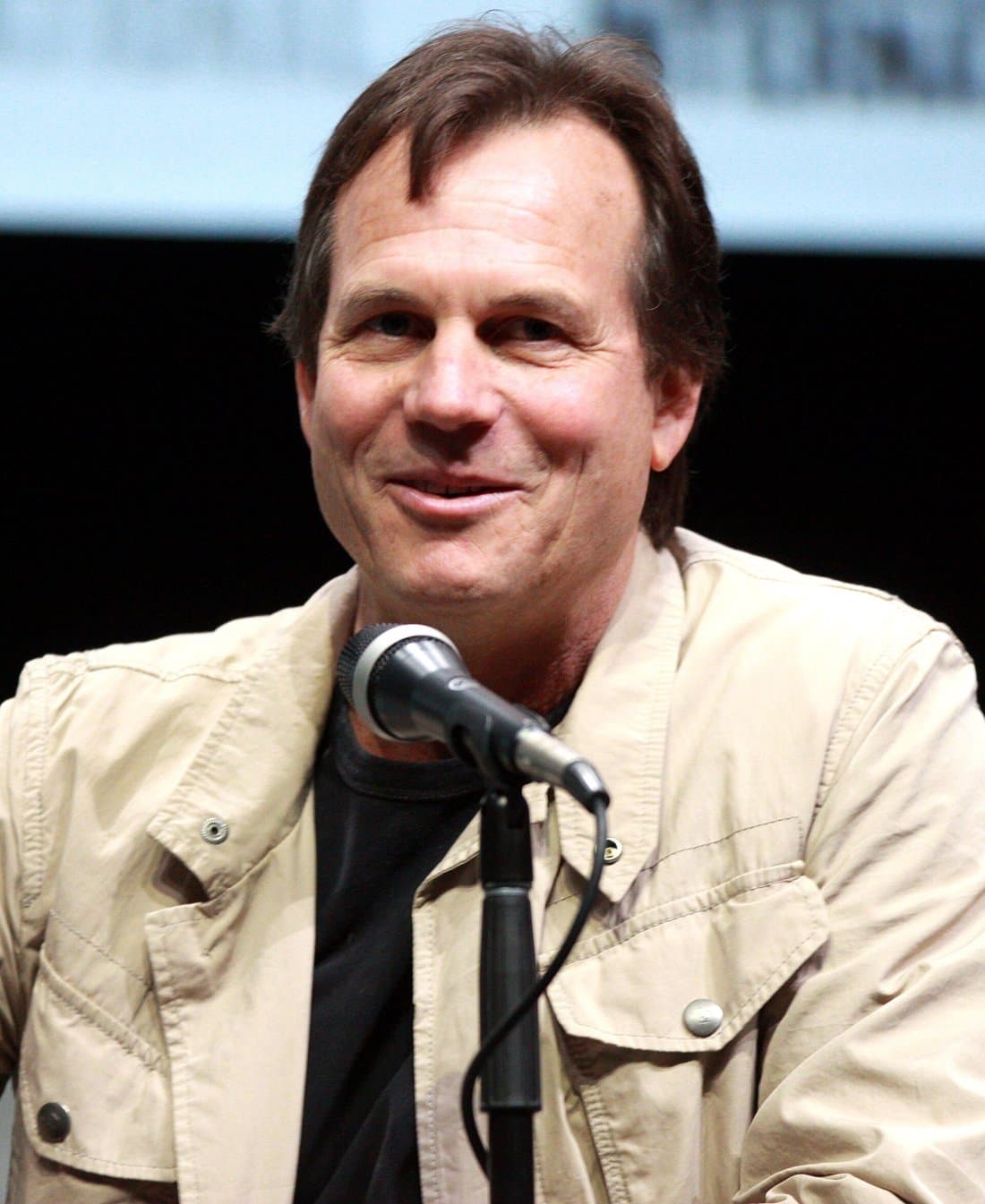
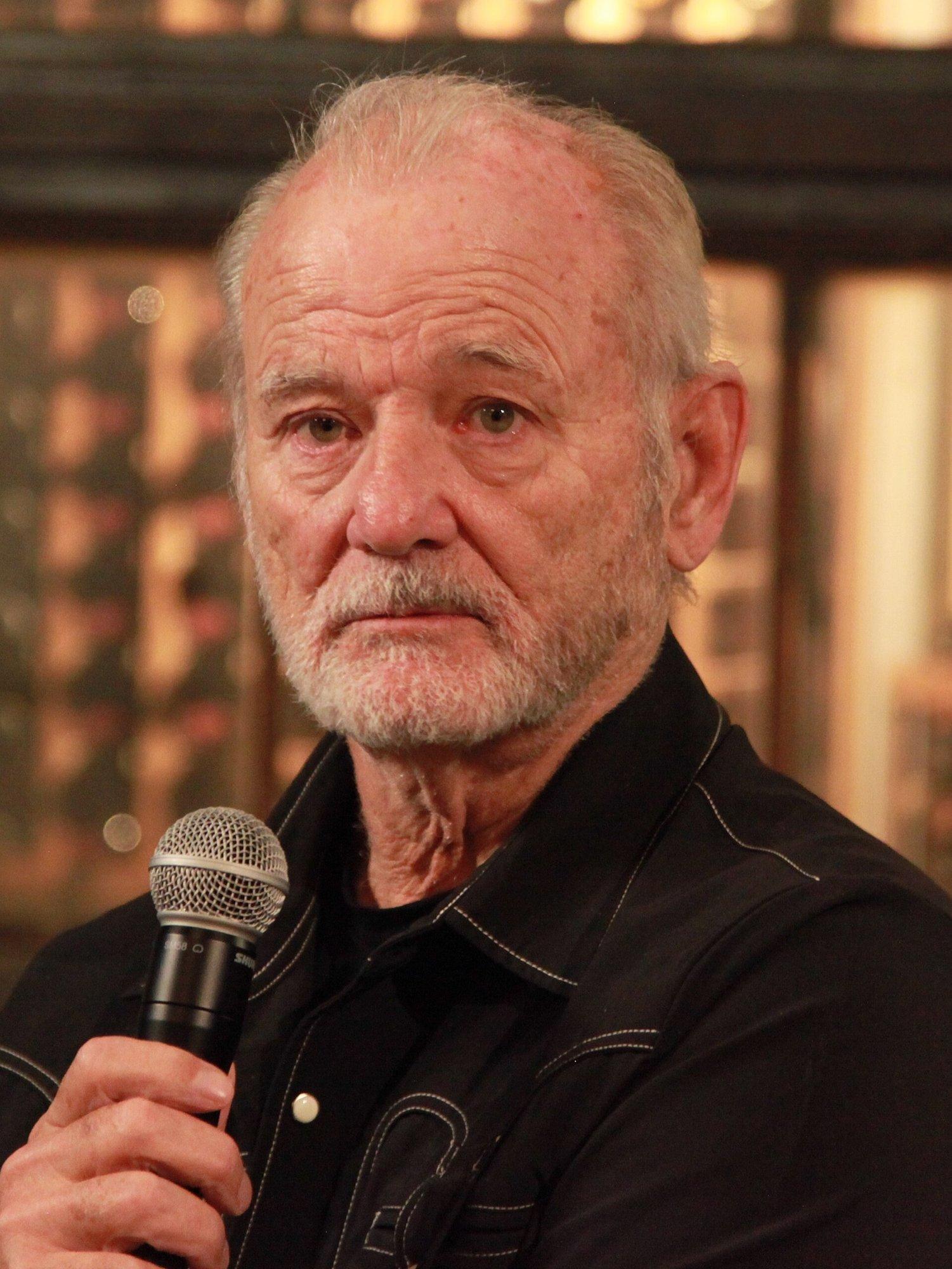
Bill Murray.

Actor · Comedian

Bill Murray turned deadpan timing into one of the most recognizable careers in American entertainment, from Saturday Night Live and Ghostbusters to Lost in Translation and a decade-spanning run with Wes Anderson. Even when the project changes, the effect is similar: a sharply calibrated presence that can dominate a scene without looking like it is trying very hard.

OBJECTIVE PERSONALITY CLASSIFICATIONMF-Te/Si-BS/C(P)What does this mean?
PERSONALITY SYSTEMObjective Personality
LEAD FUNCTIONTe · Extroverted Thinking
SECOND SAVIOR FUNCTIONSi · Introverted Sensing
MBTI EQUIVALENTESTJ
01 / BEHIND THE CLASSIFICATION

The personality behind the fame.

How does a recorded OPS classification like MF-Te/Si-BS/C(P) break down? Walk through nine coins and watch the proposed type take shape. These are deductions from the archived code, not independent evidence of typing accuracy.

Scroll below to see Bill Murray take shape.

STARTING POINT512 possible OPS typesEach type combines core functions, an animal order, and sexual modalities.
THE FINISH LINEMF-Te/Si-BS/C(P)One recorded classification, decoded from its components.
Bill Murray’s HUMAN NEEDS 01—03
01
DECIDER OR OBSERVER?

Decider over Observer

Deciders have more balanced Observer poles in the middle: Control (Oi) and Chaos (Oe). Organizing what's known and handling what's new tend to feel more manageable. People are the harder territory. Self (Di) and Tribe (De) sit at the extremes, so judgment, rejection, approval, and conflict can trigger the strongest reactions.

Bill Murray’s career is crowded with other people: replacing Chevy Chase on Saturday Night Live, becoming David Letterman’s first guest on both Late Night and Late Show, then returning as Letterman’s final guest. The recurring pressure is not mainly whether reality will cooperate, but how he lands with a cast, an audience or a public role. That Decider focus can make him unusually sharp at social tone and significance. The blind spot is making human fit the main battleground, reading too much weight into who matters, who approves and what a role means.
D
02
SELF OR TRIBE?

De · Tribe over Di · Self

Tribe (De) is the stronger deciding pole. They check decisions against people, shared standards, and what works for the group: what do we need, what will others think? The strength is coordination and responsiveness; the recurring friction is the Self (Di)—knowing and defending their own position. As the portrait unfolds, notice how Tribe takes the lead.

One of Murray’s clearest career decisions was agreeing to star in Ghostbusters so Columbia would finance The Razor’s Edge, the drama he co-wrote and wanted made. That is Tribe over Self in public, practical form: using outside priorities, studio buy-in and visible results as the working standard. The strength is leverage. He can make the deal that gets the machine moving. The cost is built into the same story: a strategically smart move can become a historic hit while the more personal aim still ends in disappointment.

De
03
GATHER OR ORGANIZE?

Oi · Organize over Oe · Gather

Organize (Oi) leads with refining, preserving, and structuring what is already known. Its strength is preparation and clear direction; the recurring friction is unexpected change that disrupts the plan. Another layer of the personality portrait comes into focus.

Murray’s filmography looks varied, but the deeper pattern is strikingly organized. He reprised Peter Venkman across decades, returned to Letterman at career landmarks and collaborated with Wes Anderson ten times. Organize over Gather prefers a settled lane, a known relationship, a repeatable world that can be refined instead of reinvented from scratch. The advantage is durability: collaborators know what he brings. The growth cost is that new options rarely arrive pre-sorted. Waiting for the right frame can mean missing useful chaos that might open a different chapter.

Oi
FIRST THREE COINSD + De + Oi

These establish the preferred human needs in the OPS framework.

Bill Murray’s FUNCTIONS 04—05
04
FEELING OR THINKING?

Thinking · T over Feeling · F

Thinking (T) evaluates decisions through reasons, logic, and what works—not a lack of emotion. Its strength is analytical consistency; Feeling (F) provides balance through values, meaning, and the human consequences of a decision. Combined with Tribe (De), this forms the recorded Savior Te.

Te shows up in Murray less as swagger than as ruthless workability. The Ghostbusters bargain was not a romantic art-first move; it was an external calculation about what would actually get financed. His ownership stakes in minor league baseball teams and the Murray Bros. restaurant fit the same pattern: tangible systems, not just sentiment. That Thinking strength is effective because it asks what moves the project. The blind spot is that an efficient answer is not always a complete one. What works strategically can still leave quieter personal priorities postponed or underexplained.

T → Te
05
SENSING OR INTUITION?

Sensing · S over Intuition · N

Sensing (S) focuses on concrete details, observable reality, and lived experience. Intuition (N) balances it by looking for broader patterns, concepts, and implications. Combined with Organize (Oi), this gives the recorded Savior Si.

Murray’s best performances often hinge on exact, repeatable physical detail: the dry rhythm of Peter Venkman, the trapped routine of Groundhog Day, the weary specificity of Bob Harris in Lost in Translation, even the instantly recognizable voice he gives Baloo. Si favors known texture over vague concept, making a character feel lived in rather than merely sketched. The strength is control of tone through familiar particulars. The cost is that precision can become its own safe house. Reinvention asks for risking messier territory before the details feel dependable.

S → Si
THE TWO SAVIOR FUNCTIONSTe / Si

Opposing functions: Fi and Ne.

Bill Murray’s ANIMAL STACK 06—07
06
CONSUME OR BLAST?

Blast over Consume

Consume gathers information for internal processing; Blast organizes and communicates information. The recorded order is Blast → Sleep → Consume → Play. This comparison follows their positions in that stack.

Blast comes earlier than Consume, and Murray’s public career shows why. He can step into a platform fast—Saturday Night Live, a Letterman couch, a Super Bowl Groundhog Day callback—and project a finished tone almost immediately. The strength is decisive delivery: audiences know the cadence, the bit, the angle. Blast earlier than Consume also risks trusting the message before every piece of background has been fully gathered. Growth here is not becoming quieter. It is letting more intake sharpen the conclusion before the conclusion takes over the room.

B > C
07
PLAY OR SLEEP?

Sleep over Play

Play emphasizes external real-time engagement; Sleep emphasizes internal processing. The recorded stack places Sleep earlier.

Sleep comes earlier than Play, and Murray’s four-year hiatus after The Razor’s Edge makes the pattern unusually visible. He pulled back from acting, studied philosophy and history at the Sorbonne, frequented the Cinémathèque in Paris and spent time with family before returning to film. The strength is private recalibration: he does not need constant motion to know his next move. The blind spot is staying with the internally processed version so long that real-time exchange becomes the harder ask. Re-entry costs more when a live situation interrupts a carefully formed inner stance.

S > P
Bill Murray’s ANIMAL ORIENTATION 08—09
08
INFO OR ENERGY DOMINANT?

Info over Energy

Info dominant means Consume and Blast are both in the top three: gathering and communicating information are more balanced. Play last leaves the energy side uneven—Sleep can conserve energy without enough spontaneous outward engagement.

Murray lands on Info over Energy: Blast and Consume both sit in the top three, so shaping information and delivering it come more naturally than endless spontaneous engagement. His career supports that rhythm. He co-wrote The Razor’s Edge, became a recurring late-night event and can make even a cameo instantly legible because the information arrives with shape. The missing balance sits with Play last. The risk is not low charisma; it is preferring a prepared perspective over open-ended interaction. Growth means letting another person’s pace alter the exchange sooner.

Info
09
INTROVERSION OR EXTROVERSION?

Introversion over Extroversion

The last animal, Play, determines this OPS coin: Play or Blast last means Introversion; Consume or Sleep last means Extroversion. This describes animal orientation, not sociability or shyness.

Murray is famously public—SNL, blockbuster franchises, awards, late-night appearances—yet this coin still lands on Introversion. In OPS terms, last Play means the least natural move is not being visible or entertaining; it is sustaining loose, unpredictable back-and-forth without a defined angle. His persona often arrives as a finished presence: the dry line, the unmistakable beat, the character already formed. That can make him magnetic. The cost is that others may have to enter his rhythm rather than build one with him. The balancing move is more unscripted contact before locking the tone.

I
Sexual Modalities

The four sexual modalities.

OPS uses masculine/feminine sensory and extroverted-deciding distinctions as framework-specific terms, not gender categories. The four modalities are already included in the original 512 types. The recorded modality is MF · Audio.

MM KinestheticMasculine Sensory · Masculine De
MF RECORDED MODALITYAudioMasculine Sensory · Feminine De
FF TesterFeminine Sensory · Feminine De
FM VisualFeminine Sensory · Masculine De
COMPLETE RECORDED OPS TYPE · MODALITY INCLUDEDMF-Te/Si-BS/C(P)

Te leads, Si supports, and the animal stack is Blast → Sleep → Consume → Play.

THE FINISHED PORTRAIT · ALL NINE COINS REVEALED

Bill Murray's complete function and animal stack

BlastSleepConsumePlayfTemSifNemFi
MF-Te/Si-BS/C(P)DOUBLE ACTIVATED · SLEEPExplore the Interactive Coin Builder →
THE BILL MURRAY LENS

The deadpan is a delivery system.

From replacing Chevy Chase on Saturday Night Live to becoming David Letterman’s first guest on Late Night, first guest on Late Show and final guest at retirement, Murray’s public image looks gloriously offhand. Underneath the shrug is an operator with exquisite timing who keeps returning to relationships, formats and roles that fit his exact cadence.

His Te/Si saviors give him a concrete strength: make the practical move, then deliver it with repeatable precision. Agreeing to Ghostbusters to help get The Razor’s Edge financed is pure workability meeting familiar craft. The limit is sharper than the legend suggests—what succeeds publicly can still leave private priorities only partially served.

As a Decider and Double Observer, Murray is dealing first with people, role fit and significance, while the changing world itself is usually less destabilizing than the social meaning attached to it. That pairing can handle circumstances while quietly over-fixating on human friction. The neglected function is Fi, opposite lead Te: personal values can lose ground to the strategically workable move.

Blast → Sleep → Consume → Play explains why he can seem effortlessly public yet still land as OPS Introversion. Play last can mean less appetite for staying in loose, unstructured exchange once the tone is already set. The balancing move is not to lose the deadpan authority; it is to leave one more unscripted beat for another person to change the scene.

Want to understand the Savior and Demon states behind these nine coins? Explore the complete explanation, visual examples, and typing principles on our Methodology page →

02 / KEEP EXPLORING

Different faces. Familiar patterns.

Explore other celebrities with related recorded OPS classifications. Related functions are not necessarily exact type matches.

Discover Type Twins
YOUR TURN

Curious about your own type?

Discover how your own personality might be classified through Objective Personality.

Get objectively typed
Bill Murray's Personality Type & OPS Profile | The Personality Atlas