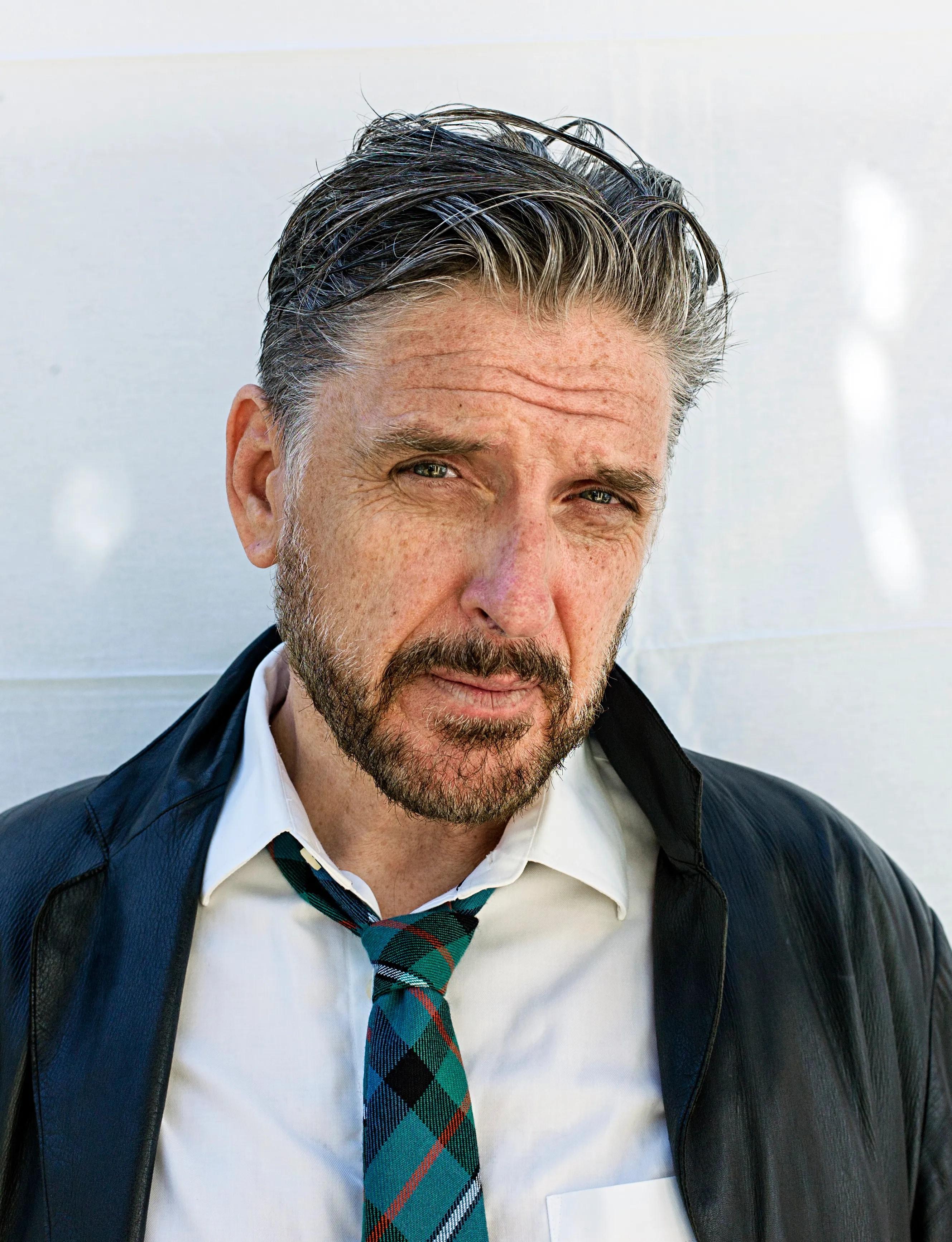
Kindler’s public image is the comedian willing to walk into Montreal and tell a room full of comics that the emperor’s set needs another draft. That impression is real, but it is incomplete. Behind the annual State of the Industry roast is a working lifer who kept adapting across Letterman appearances, Everybody Loves Raymond, Loren Bouchard voice roles, judging gigs, podcasting, and even a hologram experiment when a new format appeared.
Ne with Te gives him a wickedly efficient professional gift. Ne keeps spotting fresh angles, patterns, and absurdities in the comedy ecosystem, while Te wants the point stated plainly enough to be useful. That pairing makes him excellent at turning scattered industry behavior into one sharp thesis. The limit is speed: a crisp public verdict can land before softer context, edge cases, or patient nuance have had much chance to argue back.
As an Observer and Double Decider, Kindler’s core imbalance is with changing circumstances more than with being trapped in one people problem, even though he plainly carries both tribe and self lenses. That pairing helps him critique a scene without reducing life to a single feud. The pressure point is chaos, novelty, and what the environment keeps doing next. The neglected function opposite his lead savior Ne is Si, the slower respect for settled facts, repetition, and what already reliably works.
Play → Blast → Consume → Sleep shows why he can engage, summarize, and keep the conversation moving before he fully retreats inward. Sleep last is the imbalance: rest, internal consolidation, and private distillation are easiest to postpone when there is always another set, guest spot, or cultural absurdity to answer. The balancing move is concrete and not cosmetic: keep the caustic wit, but give recurring observations protected offstage time until they harden into one deliberate project instead of another fast riff.