The Personality Atlas
THE CELEBRITY PERSONALITY ARCHIVE / COMEDY & MEDIA

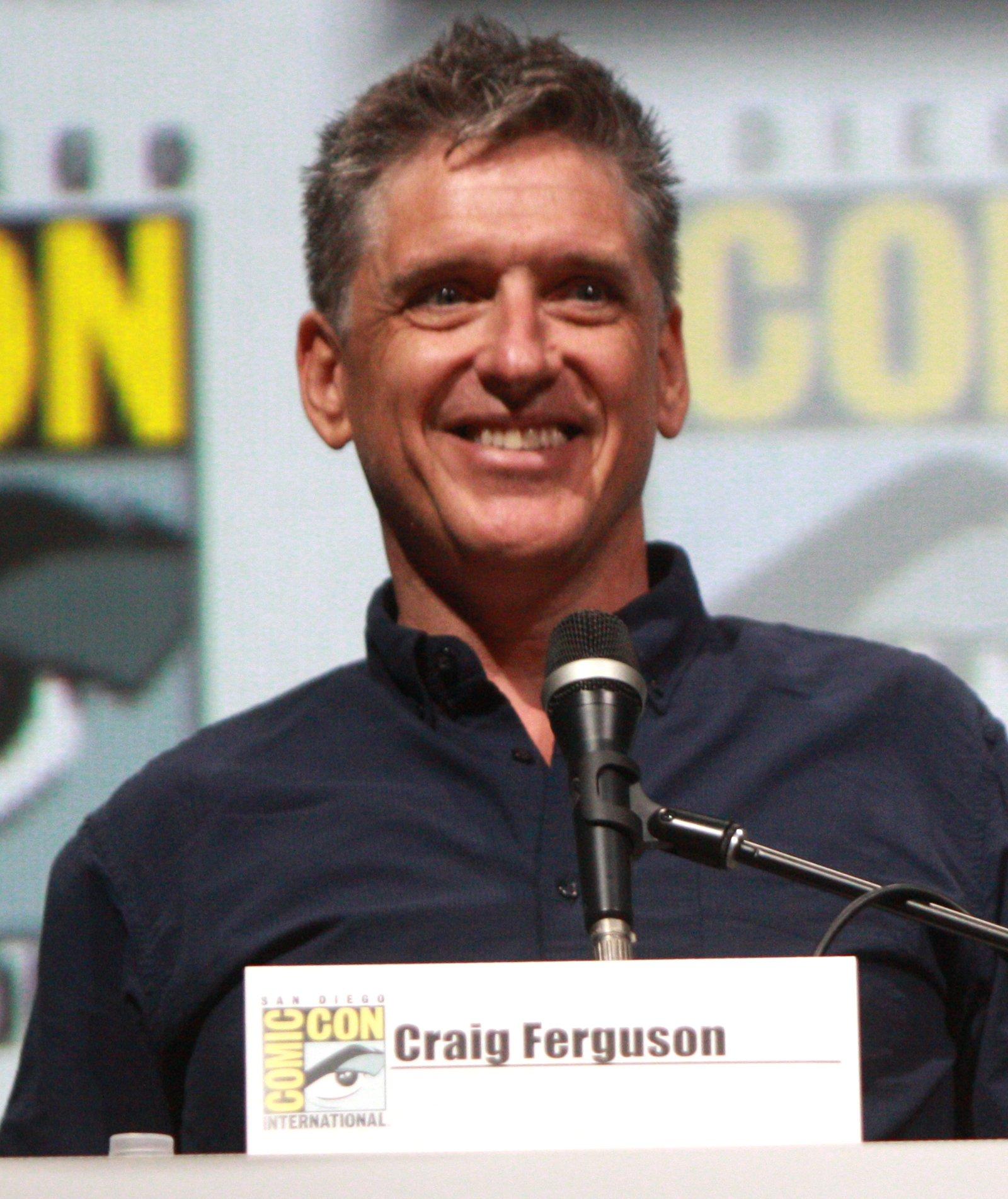
Craig Ferguson.

Comedian · Host · Author · Actor

Craig Ferguson built one of the strangest mainstream entertainment careers of his generation: Glasgow punk drummer, Edinburgh character comic, sitcom scene-stealer, Peabody-winning late-night host, memoirist, game-show emcee and podcaster. What made him memorable was not polish in the usual network sense, but speed, reinvention and a willingness to make television feel looser, weirder and more alive than the format usually allows.

OBJECTIVE PERSONALITY CLASSIFICATIONFF-Ne/Te-PB/C(S) #4What does this mean?
PERSONALITY SYSTEMObjective Personality
LEAD FUNCTIONNe · Extroverted Intuition
SECOND SAVIOR FUNCTIONTe · Extroverted Thinking
MBTI EQUIVALENTENFP
01 / BEHIND THE CLASSIFICATION

The personality behind the fame.

How does a recorded OPS classification like FF-Ne/Te-PB/C(S) #4 break down? Walk through nine coins and watch the proposed type take shape. These are deductions from the archived code, not independent evidence of typing accuracy.

Scroll below to see Craig Ferguson take shape.

STARTING POINT512 possible OPS typesEach type combines core functions, an animal order, and sexual modalities.
THE FINISH LINEFF-Ne/Te-PB/C(S) #4One recorded classification, decoded from its components.
Craig Ferguson’s HUMAN NEEDS 01—03
01
DECIDER OR OBSERVER?

Observer over Decider

Observers have more balanced Decider poles in the middle: Self (Di) and Tribe (De). Their own perspective and other people's perspectives tend to be easier to navigate. Things are the harder territory. Control (Oi) and Chaos (Oe) sit at the extremes, so disrupted plans, uncertainty, and a changing world can trigger the strongest reactions.

Ferguson’s career keeps running into changing formats, countries and timing windows that no amount of charm could fully control. He left school for an electronics apprenticeship, worked construction in Harlem, broke through in British comedy, moved to Los Angeles, and later watched late-night ratings and network succession politics reshape his CBS chapter. That is classic Observer friction: the problem keeps showing up in the moving parts of the world rather than in a permanent identity crisis. His strength is adaptability. The blind spot is assuming the next opening will clarify the direction for him.

O
02
SELF OR TRIBE?

De · Tribe over Di · Self

Tribe (De) is the stronger deciding pole. They check decisions against people, shared standards, and what works for the group: what do we need, what will others think? The strength is coordination and responsiveness; the recurring friction is the Self (Di)—knowing and defending their own position. As the portrait unfolds, notice how Tribe takes the lead.

Even when Ferguson’s public image looks anarchic, much of his career shows an eye on what other people need to follow. He agreed to a six-month extension on The Late Late Show to give CBS a smoother transition, and his later work in Celebrity Name Game, The Hustler and Scrabble depends on keeping contestants, audience and network format aligned. Tribe over Self can be a professional asset: he makes the room legible. The cost is that external usefulness can become the scoreboard, leaving less space to ask whether a project still fits his own priorities.

De
03
GATHER OR ORGANIZE?

Oe · Gather over Oi · Organize

Gather (Oe) leads with new information, experiences, and possibilities. Its strength is curiosity and adaptability; the recurring friction is narrowing the options and settling into what is already known. Another layer of the personality portrait comes into focus.

Ferguson’s résumé is almost aggressively hard to organize into one lane: punk bands, the Bing Hitler character, live music hosting, archaeology television, sitcom acting, late night, animated voice work, memoirs, a history panel show, radio and podcasting. Gather over Organize thrives in exactly that kind of career, where the next possibility is often more interesting than protecting a single brand. The strength is range and improvisational reinvention. The growth cost is selectivity. A person can be capable of many lives and still need to decide which one deserves sustained structure instead of another detour.

Oe
FIRST THREE COINSO + De + Oe

These establish the preferred human needs in the OPS framework.

Craig Ferguson’s FUNCTIONS 04—05
04
FEELING OR THINKING?

Thinking · T over Feeling · F

Thinking (T) evaluates decisions through reasons, logic, and what works—not a lack of emotion. Its strength is analytical consistency; Feeling (F) provides balance through values, meaning, and the human consequences of a decision. Combined with Tribe (De), this forms the recorded Savior Te.

His hosting work is full of externally usable thinking. The Peabody-winning Desmond Tutu interview mattered not because Ferguson was solemn for once, but because he could give a serious conversation shape without flattening it. The same visible clarity shows up in game shows, where rules, reveals and pacing must make sense for everyone at home. Thinking, here, is the ability to turn moving parts into a workable frame. Its blind spot is familiar: a sharp, shareable conclusion can arrive before the emotional or human texture has been given equal time.

T → Te
05
SENSING OR INTUITION?

Intuition · N over Sensing · S

Intuition (N) focuses on concepts, patterns, and what information might mean. Sensing (S) balances it through observable facts, physical detail, and direct experience. Combined with Gather (Oe), this gives the recorded Savior Ne.

Ferguson’s comedy often works by spotting the odd conceptual angle before other people do. Bing Hitler was not just stand-up but a parody construction; Join or Die turned a Benjamin Franklin image he had tattooed on his forearm into the title and framing device for a history show; late night got stranger with a robotic skeleton and pantomime horse. Intuition gives him leverage through pattern-jumping and reframing. The cost is that the idea can become more exciting than the maintenance. A strong concept still has to survive repetition, logistics and the ordinary grind of production.

N → Ne
THE TWO SAVIOR FUNCTIONSNe / Te

Opposing functions: Si and Fi. This is a jumper classification.

Craig Ferguson’s ANIMAL STACK 06—07
06
PLAY OR SLEEP?

Play over Sleep

Play emphasizes external real-time engagement; Sleep emphasizes internal processing. The recorded stack places Play earlier.

The Late Late Show made Ferguson’s Play unmistakable. The monologue close to camera, the quick pivots with guests, the running bits with Geoff Peterson and the general sense that the show might veer somewhere unplanned all point to someone who comes alive in live exchange. Play’s strength is momentum: it can make an audience feel included in the invention instead of merely addressed. The blind spot shows up on the other side of Play versus Sleep. Constant interaction can keep the engine hot while quieter reflection, pacing and recovery become easier to postpone.

P > S
07
CONSUME OR BLAST?

Blast over Consume

Consume gathers information for internal processing; Blast organizes and communicates information. The recorded order is Play → Blast → Consume → Sleep. This comparison follows their positions in that stack.

Once that live-wire engagement is rolling, Ferguson tends to prefer getting the point across over sitting on material indefinitely. His memoirs, radio work, Join or Die panels and game-show hosting all rely on packaging a take so other people can grab it fast. In his stack, Blast lands earlier than Consume, which gives his public work a notable directness: he would usually rather move the segment along than drown it in caveats. That is efficient and entertaining. The cost is that further research or extra nuance can become tomorrow’s job once the bit already works tonight.

B > C
Craig Ferguson’s ANIMAL ORIENTATION 08—09
08
INFO OR ENERGY DOMINANT?

Info over Energy

Info dominant means Consume and Blast are both in the top three: gathering and communicating information are more balanced. Sleep last leaves the energy side uneven—Play can keep engagement going without enough private recovery.

Ferguson’s stack is Info-dominant, which fits a career built on turning material into something communicable. He gathers stories from a life that includes punk music, acting, writing and citizenship, then converts that material into monologues, memoirs, interview segments and rule-based television formats. The balance here is strong: input and output are both active. The missing pressure point is Sleep last. When a person can keep engaging, explaining and producing across platforms, private consolidation is easier to underfund. The growth cost is not ignorance; it is insufficient recovery before the next public assignment arrives.

Info
09
INTROVERSION OR EXTROVERSION?

Extroversion over Introversion

The last animal, Sleep, determines this OPS coin: Play or Blast last means Introversion; Consume or Sleep last means Extroversion. This describes animal orientation, not sociability or shyness.

OPS Extroversion here does not mean “he seems outgoing on TV.” It means Sleep comes last, after Play, Blast and Consume, so external engagement and information exchange tend to get prioritized before internal settling. Ferguson’s public life illustrates that pattern well: after late night came Celebrity Name Game, Join or Die, SiriusXM, The Hustler, Joy and now Scrabble. He keeps finding the next outward vehicle. The strength is continued relevance through movement. The blind spot is letting every new platform claim attention before enough offstage time has clarified what he actually wants to build next.

E
Sexual Modalities

The four sexual modalities.

OPS uses masculine/feminine sensory and extroverted-deciding distinctions as framework-specific terms, not gender categories. The four modalities are already included in the original 512 types. The recorded modality is FF · Tester.

MM KinestheticMasculine Sensory · Masculine De
MF AudioMasculine Sensory · Feminine De
FF RECORDED MODALITYTesterFeminine Sensory · Feminine De
FM VisualFeminine Sensory · Masculine De
ADDITIONAL LAYER · SOCIAL TYPE

The four social types.

Social types are an additional layer on top of the original Objective Personality classification, introduced later in OPS research. They describe two proposed social preference coins: Flex vs. Friends and Generalize vs. Specialize. The combination and priority of these preferences produce four social types. Craig Ferguson's recorded social type is #4.

SOCIAL #1 #1Flex · Generalize
SOCIAL #2 #2Generalize · Friends
SOCIAL #3 #3Specialize · Flex
SOCIAL #4 RECORDED SOCIAL TYPE#4Friends · Specialize
COMPLETE RECORDED OPS TYPE · MODALITY INCLUDED + SOCIAL TYPEFF-Ne/Te-PB/C(S) #4

Ne leads, Te supports, and the animal stack is Play → Blast → Consume → Sleep.

THE FINISHED PORTRAIT · ALL NINE COINS REVEALED

Craig Ferguson's complete function and animal stack

PlayBlastConsumeSleepmNemFifTefSi
FF-Ne/Te-PB/C(S) #4DOUBLE ACTIVATED · PLAYExplore the Interactive Coin Builder →
THE CRAIG FERGUSON LENS

The man behind the wonderfully loose chaos

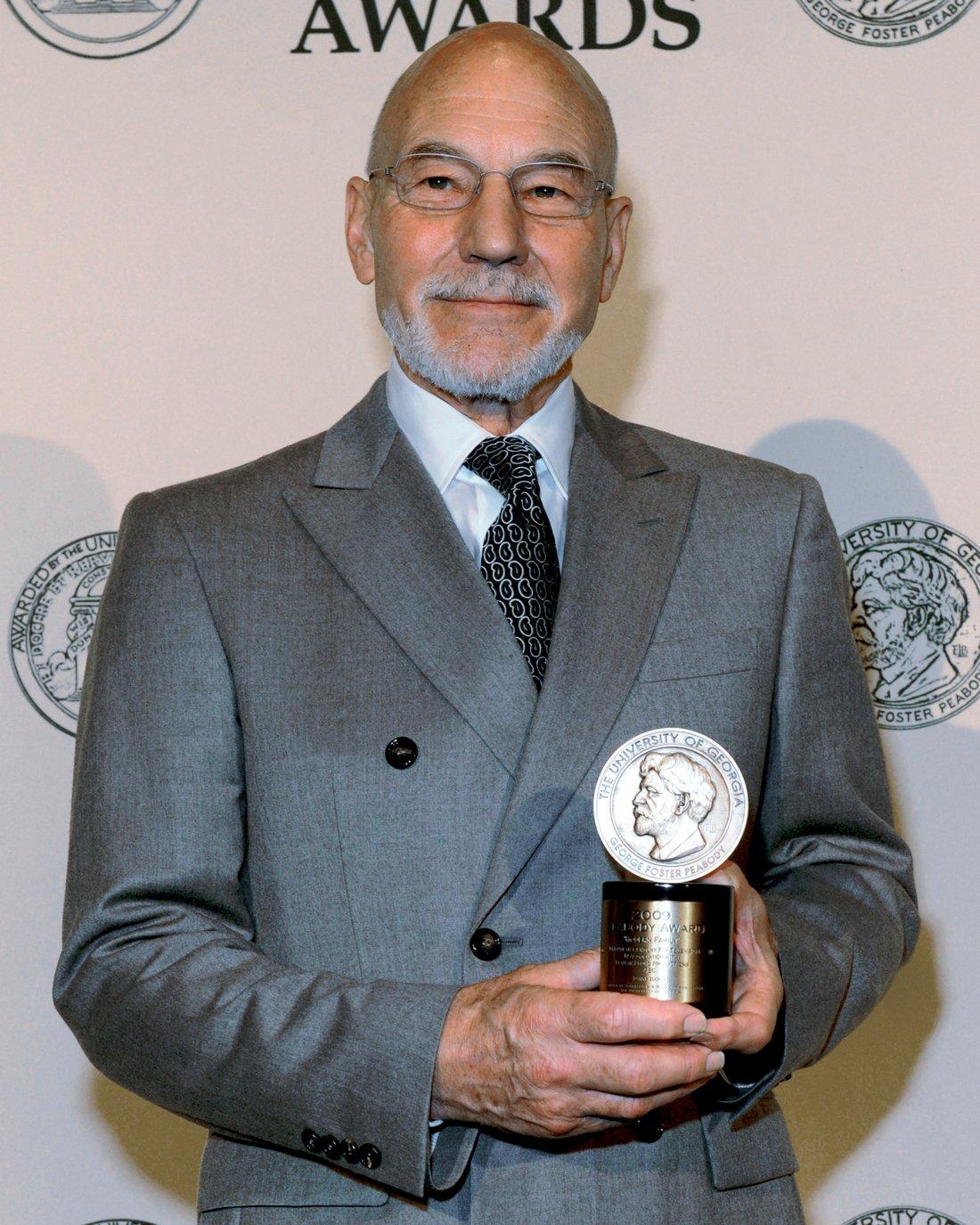
On The Late Late Show, Ferguson could stand just a few feet from the camera, trade jokes with a robotic skeleton and make network television feel improvised. That public image was real, but it sat on a longer story: punk bands in Glasgow, character comedy at Edinburgh, sitcom work in America, books, films and a Peabody-winning interview with Desmond Tutu.

His savior pairing, Ne with Te, helps explain that mix of novelty and clarity. He spots an unusual angle quickly, then gives it a structure other people can use, whether that is a late-night bit, a memoir or a game-show format. The strength is making the strange accessible. The limit is pace: the delivery can lock in before every detail has been quietly tested.

As an Observer and Double Decider, Ferguson is better described by a recurring battle with changing circumstances than by chronic people-gridlock. He can flex around tribe demands more readily than he can make reality hold still. That imbalance can overvalue motion, novelty and external needs while neglecting steadiness. The neglected function opposite his lead savior is Si: routine, maintenance and trust in what reliably holds.

Play → Blast → Consume → Sleep gives the exact order. It explains why his work often feels fast, social and easy to grasp before it feels inwardly settled. Sleep last can keep the public machine running while deeper recovery arrives late. The balancing move is not becoming less funny or less available; it is protecting real off-camera decompression between projects so the next format is chosen, not merely accepted.

Want to understand the Savior and Demon states behind these nine coins? Explore the complete explanation, visual examples, and typing principles on our Methodology page →

02 / KEEP EXPLORING

Different faces. Familiar patterns.

Explore other celebrities with related recorded OPS classifications. Related functions are not necessarily exact type matches.

Discover Type Twins
YOUR TURN

Curious about your own type?

Discover how your own personality might be classified through Objective Personality.

Get objectively typed
Craig Ferguson's Personality Type & OPS Profile | The Personality Atlas