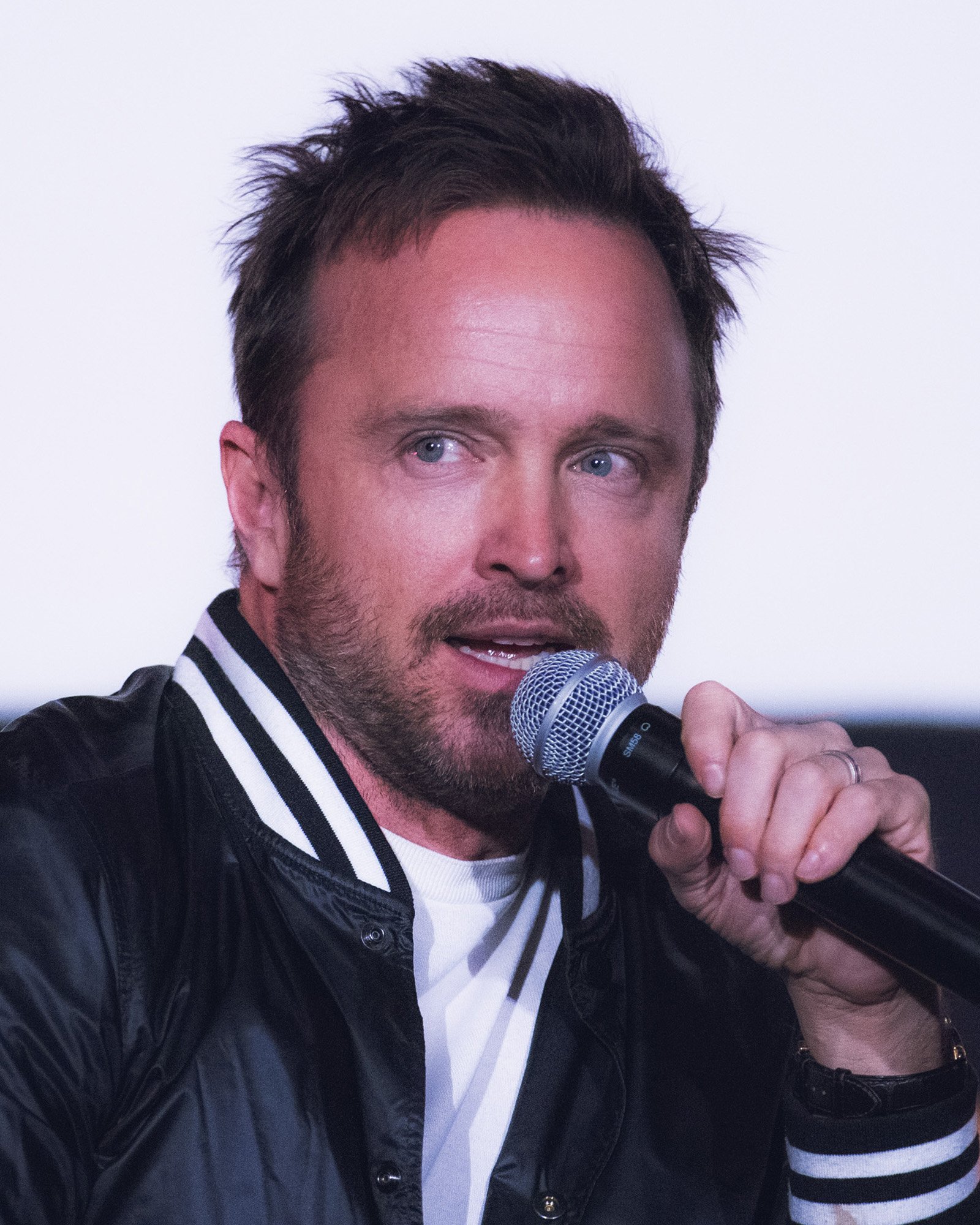
Paul spent years working through auditions, commercials, and smaller roles before Breaking Bad transformed his career. The role brought acclaim, Emmy wins, and an identity so recognizable that it could threaten to swallow whatever came next. That is the cruel joke of success in entertainment: the thing that finally opens the doors can also become the thing every casting director and fan insists you repeat. Away from that defining performance, his marriage to Lauren Parsekian, their family, and his public support of her Kind Campaign show a life with commitments the audience cannot reduce to one television character.
His recorded Ne/Fi savior pair is Observer-first. The primary tension isn't 'Do people think I'm significant?' but 'What happens when the world refuses to follow the possibilities I imagined?' Ne gathers alternatives, opportunities, and potential futures; the uncomfortable opposite is a reality that narrows the options without asking permission. Paul's long climb and the challenge of finding a post-Breaking Bad identity provide an unusually tangible illustration. You can become famous enough to be recognized everywhere and still have remarkably little control over which doors actually open.
Fi as the supporting savior adds a personal-values dimension to that uncertainty. His involvement with the anti-bullying Kind Campaign is a public example of investing energy in something beyond entertainment, though it doesn't prove his private motives. The potential blind spot in an Ne/Fi pattern is that possibilities and conviction can become their own comfortable world: the future ought to be open, and the choice ought to feel right. The neglected Si/Te territory asks for repeatable routines, external criteria, and unglamorous follow-through when inspiration doesn't arrive. Balance means accepting that reality can be narrower than imagination without making that limitation a personal defeat.
Consume → Play → Sleep → Blast completes the pressure test. Consume first can keep gathering information and experience; Play second can keep experimenting with collaborators and new directions. Sleep third offers some integration, but Blast last is the difficult demand to choose a message and make it clear before every alternative has been explored. A career after an iconic role makes that tension vivid: how long do you keep searching for the next version of yourself, and when do you declare what you're building? The OPS lens is not a verdict on Paul's inner life. It's a way to make the cost of reinvention more interesting than another celebrity success story.