Observer over Decider
Observers have more balanced Decider poles in the middle: Self (Di) and Tribe (De). Their own perspective and other people's perspectives tend to be easier to navigate. Things are the harder territory. Control (Oi) and Chaos (Oe) sit at the extremes, so disrupted plans, uncertainty, and a changing world can trigger the strongest reactions.
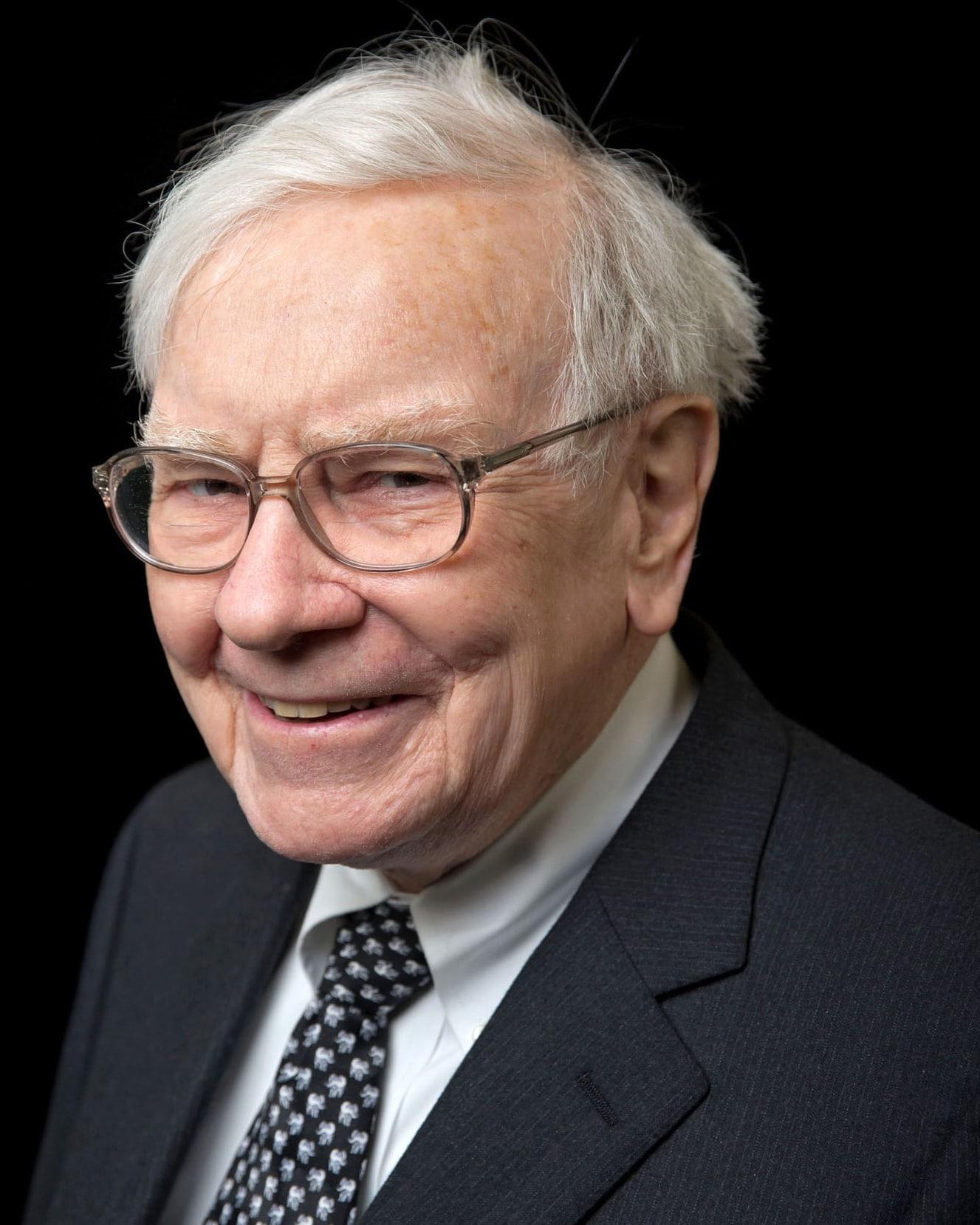
Buffett’s public legend starts with circumstances, not applause: at 11 he bought Cities Service stock, at 21 he took a Saturday train to GEICO headquarters, and in 1965 he gained control of Berkshire Hathaway by seeing an undervalued situation others wanted to exit. Even his worst-admitted mistake—the textile business—reads as a battle with reality, capital allocation and timing. That Observer focus is a strength because he treats changing conditions as problems to study, not insults to his identity. The blind spot is believing a clearer read on the situation will remove the need for a decisive human call.