The Personality Atlas
THE CELEBRITY PERSONALITY ARCHIVE / Music & Entrepreneurship

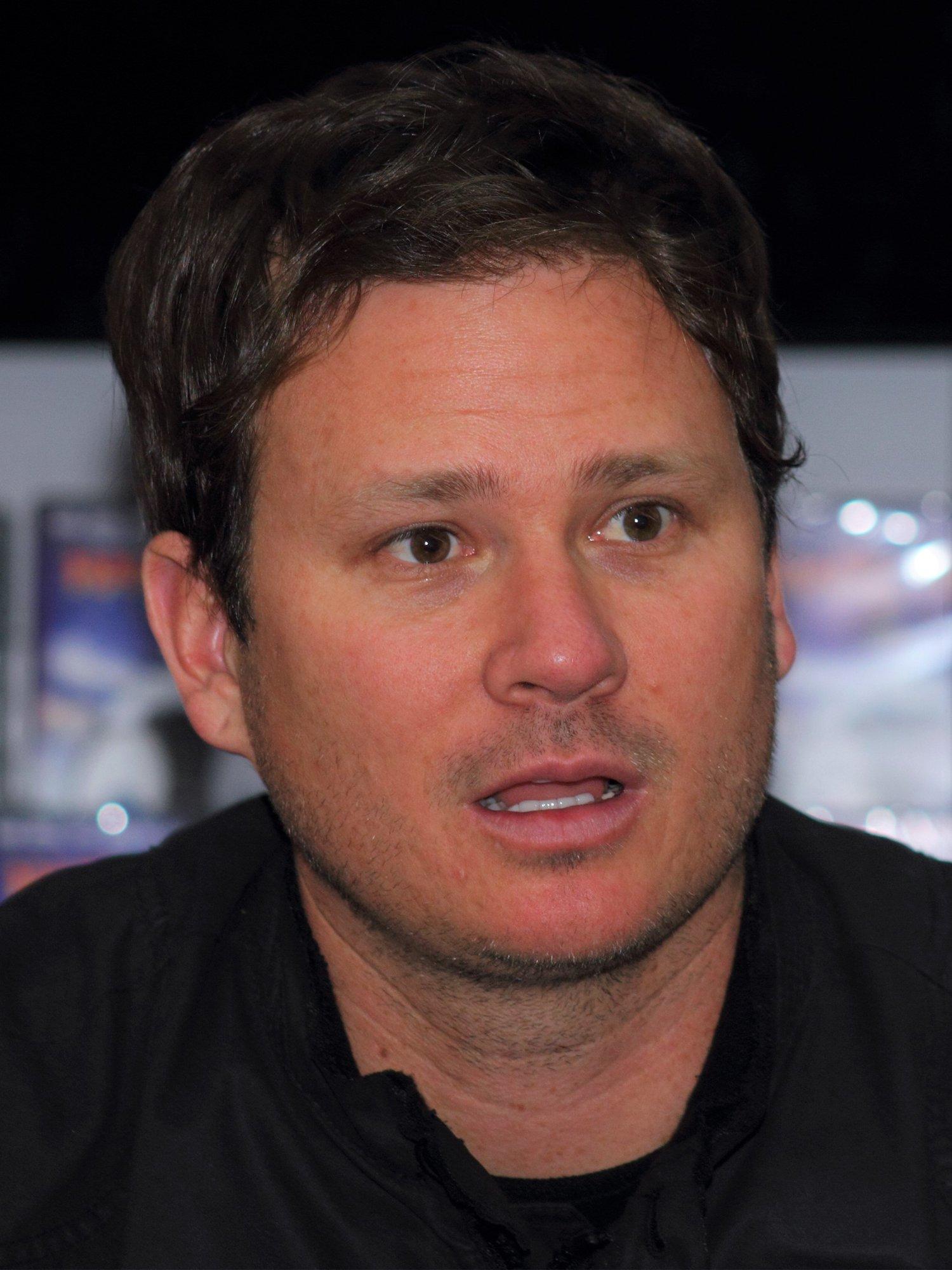
Tom DeLonge.

Musician · Songwriter · Entrepreneur

Tom DeLonge turned a San Diego garage band into Blink-182, then kept trying to widen the frame: a darker side project, a full-on art project with Angels & Airwaves, tech and apparel companies, books, films, and a public push into fringe science. The cartoon voice and pop-punk chaos are only half the picture. The more revealing throughline is a builder obsessed with the larger pattern—where the band is headed, how the system should work, and why the next version has to become bigger than the current one.

OBJECTIVE PERSONALITY CLASSIFICATIONMF-Ni/Te-BP/C(S) #2What does this mean?
PERSONALITY SYSTEMObjective Personality
LEAD FUNCTIONNi · Introverted Intuition
SECOND SAVIOR FUNCTIONTe · Extroverted Thinking
MBTI EQUIVALENTINTJ
01 / BEHIND THE CLASSIFICATION

The personality behind the fame.

How does a recorded OPS classification like MF-Ni/Te-BP/C(S) #2 break down? Walk through nine coins and watch the proposed type take shape. These are deductions from the archived code, not independent evidence of typing accuracy.

Scroll below to see Tom DeLonge take shape.

STARTING POINT512 possible OPS typesEach type combines core functions, an animal order, and sexual modalities.
THE FINISH LINEMF-Ni/Te-BP/C(S) #2One recorded classification, decoded from its components.
Tom DeLonge’s HUMAN NEEDS 01—03
01
DECIDER OR OBSERVER?

Observer over Decider

Observers have more balanced Decider poles in the middle: Self (Di) and Tribe (De). Their own perspective and other people's perspectives tend to be easier to navigate. Things are the harder territory. Control (Oi) and Chaos (Oe) sit at the extremes, so disrupted plans, uncertainty, and a changing world can trigger the strongest reactions.

Tom DeLonge’s most repeated public collisions are not mainly about whether he is liked. They are about schedules, structures, and the shape of the mission itself. Blink-182’s breakups and reunions kept circling touring demands, recording methods, family time, side ventures, and even a 60-page contract. That is classic Observer pressure: the fight is with the conditions of the world and how to control them. The strength is spotting when the container no longer fits. The blind spot is endlessly redesigning the container while the human cost keeps rising inside it.

O
02
SELF OR TRIBE?

De · Tribe over Di · Self

Tribe (De) is the stronger deciding pole. They check decisions against people, shared standards, and what works for the group: what do we need, what will others think? The strength is coordination and responsiveness; the recurring friction is the Self (Di)—knowing and defending their own position. As the portrait unfolds, notice how Tribe takes the lead.

DeLonge’s career has depended on getting other people on board. As a teenager he called clubs constantly and even persuaded local schools that Blink was a “motivational band with a strong anti-drug message” just to land a slot. Later he built bands, companies, and collaborations that all required external alignment. Tribe-first strength is obvious here: he can rally buy-in around a shared objective. The growth cost is that life fills with promises, partnerships, and expectations. The same talent for getting everyone moving can leave him boxed in by the very agreements he helped create.

De
03
GATHER OR ORGANIZE?

Oi · Organize over Oe · Gather

Organize (Oi) leads with refining, preserving, and structuring what is already known. Its strength is preparation and clear direction; the recurring friction is unexpected change that disrupts the plan. Another layer of the personality portrait comes into focus.

Once DeLonge locks onto a direction, he does not want a loose hobby; he wants a whole architecture. Angels & Airwaves was not pitched as a casual side band but as an “art project” spanning music, film, and broader ideas. To The Stars pushed that same organizing instinct into a different arena. Organize-first gives him unusual coherence: disparate projects can serve one central vision. The blind spot is selectivity hardening into tunnel-building. If the plan gets too singular, compromise starts looking like dilution instead of useful reality-testing.

Oi
FIRST THREE COINSO + De + Oi

These establish the preferred human needs in the OPS framework.

Tom DeLonge’s FUNCTIONS 04—05
04
FEELING OR THINKING?

Thinking · T over Feeling · F

Thinking (T) evaluates decisions through reasons, logic, and what works—not a lack of emotion. Its strength is analytical consistency; Feeling (F) provides balance through values, meaning, and the human consequences of a decision. Combined with Tribe (De), this forms the recorded Savior Te.

When Blink-182 publicly split again in 2015, DeLonge answered less like a wounded ex-bandmate than like a project manager with receipts. He pointed to the 60-page contract, the six-month album requirement, and other partnerships already in development. That is a sharp public example of Thinking through external logic: what is workable, what is scalable, what conflicts with the system already in motion. The strength is operational clarity. The blind spot is that a technically coherent case can still sound cold. Efficiency explains the schedule; it does not automatically settle the relationship.

T → Te
05
SENSING OR INTUITION?

Intuition · N over Sensing · S

Intuition (N) focuses on concepts, patterns, and what information might mean. Sensing (S) balances it through observable facts, physical detail, and direct experience. Combined with Organize (Oi), this gives the recorded Savior Ni.

DeLonge’s public reputation runs on Intuition more than on staying inside what is already proven. He announced Angels & Airwaves as “the greatest rock and roll revolution for this generation,” imagined an “entire new culture of the youth,” expanded into the sci-fi film Love, and later founded To The Stars around fringe science. Intuition’s strength is the long beam: he sees an overarching future before most people do. The blind spot is overshoot. A compelling vision can outrun the available evidence, inviting mockery and forcing reality to play catch-up.

N → Ni
THE TWO SAVIOR FUNCTIONSNi / Te

Opposing functions: Se and Fi.

Tom DeLonge’s ANIMAL STACK 06—07
06
CONSUME OR BLAST?

Blast over Consume

Consume gathers information for internal processing; Blast organizes and communicates information. The recorded order is Blast → Play → Consume → Sleep. This comparison follows their positions in that stack.

Blast comes earlier than Consume, and DeLonge’s career shows it loudly. Young Tom was already pitching first—calling clubs, selling schools on Blink assemblies, and forcing momentum before he had much institutional backing. Years later, Angels & Airwaves arrived with sweeping declarations before the public had fully seen the finished world he was describing. The advantage of Blast over Consume is obvious: projects move because someone states the direction. The cost is public pressure. If the message gets too far ahead of the intake, the vision can sound inflated before it has had time to prove itself.

B > C
07
PLAY OR SLEEP?

Play over Sleep

Play emphasizes external real-time engagement; Sleep emphasizes internal processing. The recorded stack places Play earlier.

Play comes earlier than Sleep, and with Blast already ahead of Consume, the pattern gets even more outward-facing. DeLonge has repeatedly moved through live collaboration and real-time action: constant touring, rebuilding Blink after Travis Barker’s plane-crash survival, and spinning multiple ventures at once. That creates momentum and contagious energy around an idea. The tradeoff is that quieter internal settling comes later. After Blink’s 2005 breakup, he took a three-week isolation period to reassess his life and work. The growth cost is clear: what he can ignite quickly may take longer to privately integrate.

P > S
Tom DeLonge’s ANIMAL ORIENTATION 08—09
08
INFO OR ENERGY DOMINANT?

Info over Energy

Info dominant means Consume and Blast are both in the top three: gathering and communicating information are more balanced. Sleep last leaves the energy side uneven—Play can keep engagement going without enough private recovery.

DeLonge’s stack is Info-dominant, and his public life looks exactly like someone who can absorb, package, and circulate ideas at high speed. Blink-182, Angels & Airwaves, Macbeth Footwear, Modlife, To The Stars, books, and film projects all show a man comfortable turning information into missions other people can join. That is the strength: ideas do not stay trapped in his head. The missing balance is Sleep last. The void is not more ambition or more research; it is enough internal consolidation and recovery to decide what truly deserves the next launch.

Info
09
INTROVERSION OR EXTROVERSION?

Extroversion over Introversion

The last animal, Sleep, determines this OPS coin: Play or Blast last means Introversion; Consume or Sleep last means Extroversion. This describes animal orientation, not sociability or shyness.

Sleep sits last, which gives DeLonge the official OPS Extroversion result. That does not mean he is merely sociable or always onstage; it means the less natural move is sustained private processing before re-entering the world. His public pattern is to push outward into bands, tours, ventures, and declarations, then handle inner integration later. Even his three-week retreat after Blink’s breakup reads like a corrective, not a default home base. The strength is forward motion. The blind spot is treating private clarity like cleanup work instead of an essential part of the build.

E
Sexual Modalities

The four sexual modalities.

OPS uses masculine/feminine sensory and extroverted-deciding distinctions as framework-specific terms, not gender categories. The four modalities are already included in the original 512 types. The recorded modality is MF · Audio.

MM KinestheticMasculine Sensory · Masculine De
MF RECORDED MODALITYAudioMasculine Sensory · Feminine De
FF TesterFeminine Sensory · Feminine De
FM VisualFeminine Sensory · Masculine De
ADDITIONAL LAYER · SOCIAL TYPE

The four social types.

Social types are an additional layer on top of the original Objective Personality classification, introduced later in OPS research. They describe two proposed social preference coins: Flex vs. Friends and Generalize vs. Specialize. The combination and priority of these preferences produce four social types. Tom DeLonge's recorded social type is #2.

SOCIAL #1 #1Flex · Generalize
SOCIAL #2 RECORDED SOCIAL TYPE#2Generalize · Friends
SOCIAL #3 #3Specialize · Flex
SOCIAL #4 #4Friends · Specialize
COMPLETE RECORDED OPS TYPE · MODALITY INCLUDED + SOCIAL TYPEMF-Ni/Te-BP/C(S) #2

Ni leads, Te supports, and the animal stack is Blast → Play → Consume → Sleep.

THE FINISHED PORTRAIT · ALL NINE COINS REVEALED

Tom DeLonge's complete function and animal stack

BlastPlayConsumeSleepfNifTemFimSe
MF-Ni/Te-BP/C(S) #2DOUBLE ACTIVATED · PLAYExplore the Interactive Coin Builder →
THE TOM DELONGE LENS

The prankster with a blueprint

Tom DeLonge’s public image is easy to flatten into the Blink-182 caricature: nasal hooks, pranks, exits, reunions. But the same biography shows the kid cold-calling clubs, pitching school assemblies, then later turning Angels & Airwaves into a multimedia project. Behind the chaos is someone fixated on direction, scale, and what the next version has to become.

Ni/Te is the engine. Ni narrows toward a singular future, which is why Blink could not just stay a joke band and Angels & Airwaves could not just be another side project. Te makes that vision executable through plans, contracts, companies, and deadlines. The strength is unusual strategic momentum. The limit is that a coherent roadmap can start acting like proof before the surrounding facts fully cooperate.

As an Observer and Double Decider, DeLonge’s recurring strain centers less on people politics than on controlling the map: tours, timelines, structures, and the future shape of the mission. The imbalance is toward managing uncertainty while underweighting present-tense reality. Neglected Se, opposite his lead Ni, is the expensive lesson: what is actually here, measurable, and not improved by a bigger thesis.

Blast → Play → Consume → Sleep fits the pattern. He can declare a direction, rally people, and keep multiple ventures moving before he has fully slowed down to digest the cost. Sleep last creates the predictable imbalance: insufficient quiet consolidation, not insufficient ambition. A useful correction is brutally concrete—pause the manifesto, review what the current project is tangibly demanding, then relaunch with a tighter plan that keeps the vision intact.

Want to understand the Savior and Demon states behind these nine coins? Explore the complete explanation, visual examples, and typing principles on our Methodology page →

02 / KEEP EXPLORING

Different faces. Familiar patterns.

Explore other celebrities with related recorded OPS classifications. Related functions are not necessarily exact type matches.

Discover Type Twins
YOUR TURN

Curious about your own type?

Discover how your own personality might be classified through Objective Personality.

Get objectively typed
Tom DeLonge's Personality Type & OPS Profile | The Personality Atlas