The Personality Atlas
THE CELEBRITY PERSONALITY ARCHIVE / FILM & COMEDY

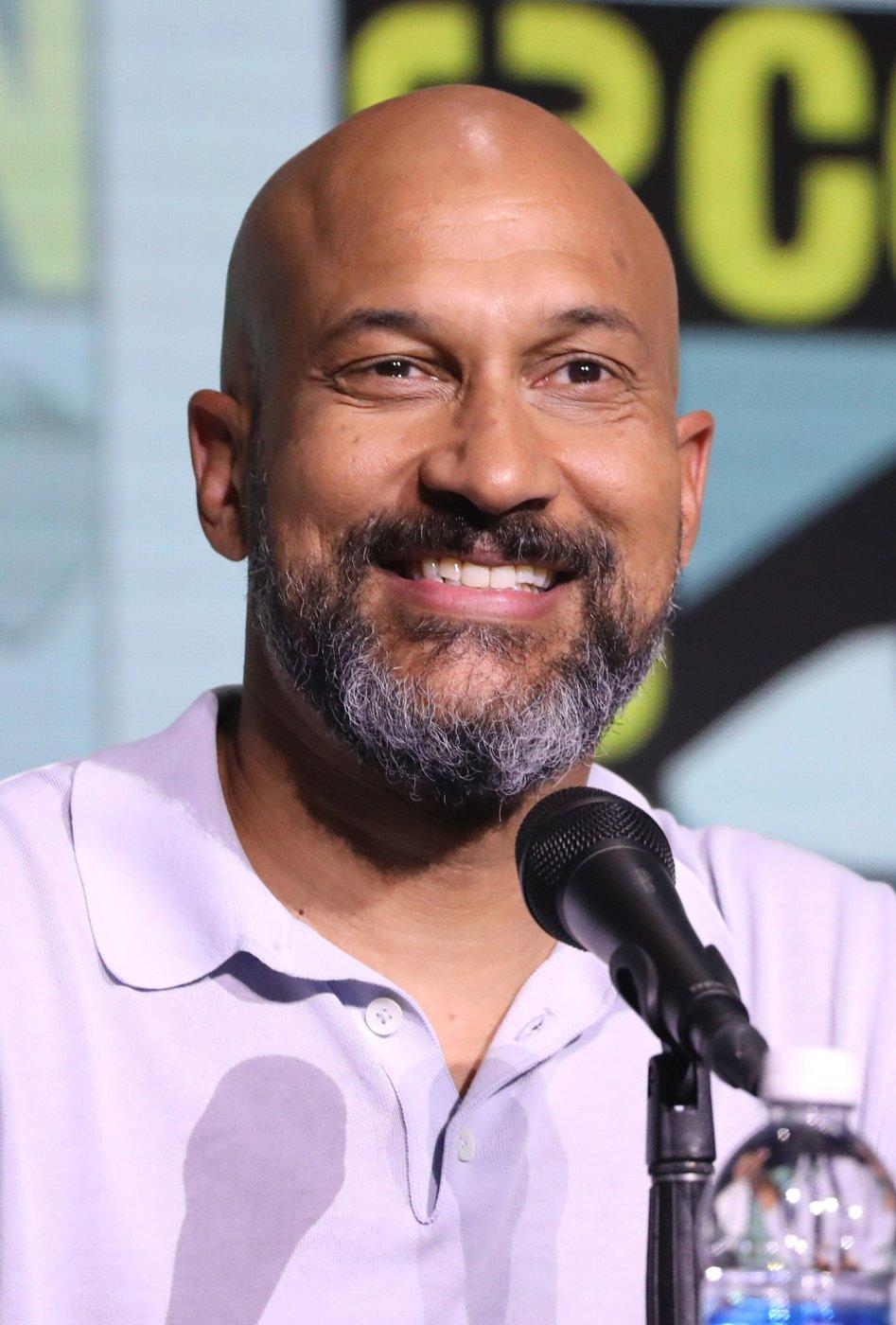
Kumail Nanjiani.

Comedian · Actor · Screenwriter

From Chicago open mics and a one-man autobiographical show to Silicon Valley, The Big Sick and Marvel’s Eternals, Kumail Nanjiani has built a career out of making highly specific material broadly legible. His public persona is dry, analytical and deceptively easygoing, but the throughline is a relentless effort to shape messy life, fandom and immigrant detail into something other people can immediately track.

OBJECTIVE PERSONALITY CLASSIFICATIONMF-Ni/Te-BP/C(S)What does this mean?
PERSONALITY SYSTEMObjective Personality
LEAD FUNCTIONNi · Introverted Intuition
SECOND SAVIOR FUNCTIONTe · Extroverted Thinking
MBTI EQUIVALENTINTJ
01 / BEHIND THE CLASSIFICATION

The personality behind the fame.

How does a recorded OPS classification like MF-Ni/Te-BP/C(S) break down? Walk through nine coins and watch the proposed type take shape. These are deductions from the archived code, not independent evidence of typing accuracy.

Scroll below to see Kumail Nanjiani take shape.

STARTING POINT512 possible OPS typesEach type combines core functions, an animal order, and sexual modalities.
THE FINISH LINEMF-Ni/Te-BP/C(S)One recorded classification, decoded from its components.
Kumail Nanjiani’s HUMAN NEEDS 01—03
01
DECIDER OR OBSERVER?

Observer over Decider

Observers have more balanced Decider poles in the middle: Self (Di) and Tribe (De). Their own perspective and other people's perspectives tend to be easier to navigate. Things are the harder territory. Control (Oi) and Chaos (Oe) sit at the extremes, so disrupted plans, uncertainty, and a changing world can trigger the strongest reactions.

Nanjiani’s career is full of variables he could not bully into place: moving from Karachi to Iowa at 18, starting in Chicago open mics, then waiting years before Silicon Valley and The Big Sick changed his visibility. That pattern points to Observer pressure more than people-pressure. The recurring problem is not simply whether others approve of him, but how to navigate unstable timing, platforms and circumstances. The advantage is adaptability across stand-up, podcasts, television and film. The blind spot is assuming one more career break will finally make the environment feel settled.

O
02
SELF OR TRIBE?

De · Tribe over Di · Self

Tribe (De) is the stronger deciding pole. They check decisions against people, shared standards, and what works for the group: what do we need, what will others think? The strength is coordination and responsiveness; the recurring friction is the Self (Di)—knowing and defending their own position. As the portrait unfolds, notice how Tribe takes the lead.

His biggest breakthrough, The Big Sick, was not a sealed private diary; it was a co-written public case for a relationship, shaped with Emily V. Gordon into something audiences, producers and Academy voters could follow. That shows Tribe over Self: leaning toward outside standards, shared logic and what will land for other people. The strength is social usefulness—he can turn personal material into a script, a show, a pitch, a collaborative product. The cost is pressure to keep translating everything into terms others can immediately recognize, even when the experience itself is messier.

De
03
GATHER OR ORGANIZE?

Oi · Organize over Oe · Gather

Organize (Oi) leads with refining, preserving, and structuring what is already known. Its strength is preparation and clear direction; the recurring friction is unexpected change that disrupts the plan. Another layer of the personality portrait comes into focus.

Nanjiani’s public work keeps narrowing sprawling material into a few strong channels: a one-man autobiographical show, a dedicated X-Files podcast, a sharply defined Silicon Valley character, an immigrant love story with a clear thesis. That is Organize over Gather. Rather than chase every possible version of himself at once, he tends to consolidate around a pattern and develop it thoroughly. The strength is coherence; his projects usually know what lane they are in. The blind spot is that a well-shaped concept can become protective armor, making a new option look like noise instead of useful evidence.

Oi
FIRST THREE COINSO + De + Oi

These establish the preferred human needs in the OPS framework.

Kumail Nanjiani’s FUNCTIONS 04—05
04
FEELING OR THINKING?

Thinking · T over Feeling · F

Thinking (T) evaluates decisions through reasons, logic, and what works—not a lack of emotion. Its strength is analytical consistency; Feeling (F) provides balance through values, meaning, and the human consequences of a decision. Combined with Tribe (De), this forms the recorded Savior Te.

The Big Sick is a good example of Thinking in practice because the achievement was not just emotional honesty; it was building a screenplay that made private history structurally legible to strangers. Nanjiani has repeatedly worked as a writer, producer and host, roles that reward clear frameworks, clean premises and usable decisions. Thinking’s strength is turning experience into something organized enough to execute. Its growth cost is that a solid argument can flatten human complexity. A joke, scene or explanation can technically work while still leaving someone else’s perspective underdeveloped.

T → Te
05
SENSING OR INTUITION?

Intuition · N over Sensing · S

Intuition (N) focuses on concepts, patterns, and what information might mean. Sensing (S) balances it through observable facts, physical detail, and direct experience. Combined with Organize (Oi), this gives the recorded Savior Ni.

Intuition shows up in how Nanjiani keeps returning to the big pattern beneath the details: outsider identity, nerd culture, immigrant life, modern ambition, the public story behind private awkwardness. From The X-Files Files to Little America to The Big Sick, he does not merely present isolated facts; he frames them through an overarching angle. That gives him a strong long-range signal and a recognizable voice. The tradeoff is that vivid physical reality can hijack the intended theme. The viral attention on his Eternals body transformation quickly became its own story, competing with the broader meaning the work carried.

N → Ni
THE TWO SAVIOR FUNCTIONSNi / Te

Opposing functions: Se and Fi.

Kumail Nanjiani’s ANIMAL STACK 06—07
06
CONSUME OR BLAST?

Blast over Consume

Consume gathers information for internal processing; Blast organizes and communicates information. The recorded order is Blast → Play → Consume → Sleep. This comparison follows their positions in that stack.

Nanjiani’s career has a distinctly Blast-over-Consume signature. He has certainly gathered material—stand-up years, fandom, autobiography, interviews—but the public pattern is his urge to package it into a premise others can use right now: a themed podcast, a one-man show, a screenplay, a special. He does not sit on information for long before trying to make it communicable. That is a real strength in entertainment, where clarity earns attention. The cost is moving to the takeaway quickly, before every angle has been fully absorbed or the material has finished surprising him.

B > C
07
PLAY OR SLEEP?

Play over Sleep

Play emphasizes external real-time engagement; Sleep emphasizes internal processing. The recorded stack places Play earlier.

With Play landing earlier than Sleep, Nanjiani’s communication stays interactive rather than purely self-contained. You can see it in co-hosting The Meltdown, podcasting with Emily V. Gordon, showing up regularly on Harmontown, and thriving inside ensemble shows like Silicon Valley. The strength is responsiveness: the bit keeps moving because another person is in the room pushing against it. The growth cost is quieter consolidation. When Play outruns Sleep, collaboration can become the default rhythm, while deeper private processing risks getting postponed until after the next project, appearance or conversation.

P > S
Kumail Nanjiani’s ANIMAL ORIENTATION 08—09
08
INFO OR ENERGY DOMINANT?

Info over Energy

Info dominant means Consume and Blast are both in the top three: gathering and communicating information are more balanced. Sleep last leaves the energy side uneven—Play can keep engagement going without enough private recovery.

Nanjiani’s top three animals make him Info-dominant, which fits a career built on turning material into explanations and performances. He can take in references, life experience and research, then send them back out through stand-up, scripts, podcasts and press. Even the pandemic-era Staying In podcast turned a constrained circumstance into shareable banter and advice. The missing balance is Sleep. When private integration sits last, the system can keep producing and clarifying in public while personal recovery and slower internal sorting receive less emphasis than the audience-facing output demands.

Info
09
INTROVERSION OR EXTROVERSION?

Extroversion over Introversion

The last animal, Sleep, determines this OPS coin: Play or Blast last means Introversion; Consume or Sleep last means Extroversion. This describes animal orientation, not sociability or shyness.

This profile codes as OPS Extroversion, and the important word there is not sociable. Nanjiani can be deadpan, dry and selective on camera and still be Extroverted in this model because Sleep is last: the type naturally moves outward through communication, interaction and information before settling into solitary processing. His public record makes that believable—live comedy, hosting, ensemble television, collaborative writing, podcasts, production. The strength is momentum. The blind spot is assuming clarity will arrive by continuing to engage. Sometimes the next useful move is less output, less banter, and more time alone deciding what actually matters.

E
Sexual Modalities

The four sexual modalities.

OPS uses masculine/feminine sensory and extroverted-deciding distinctions as framework-specific terms, not gender categories. The four modalities are already included in the original 512 types. The recorded modality is MF · Audio.

MM KinestheticMasculine Sensory · Masculine De
MF RECORDED MODALITYAudioMasculine Sensory · Feminine De
FF TesterFeminine Sensory · Feminine De
FM VisualFeminine Sensory · Masculine De
COMPLETE RECORDED OPS TYPE · MODALITY INCLUDEDMF-Ni/Te-BP/C(S)

Ni leads, Te supports, and the animal stack is Blast → Play → Consume → Sleep.

THE FINISHED PORTRAIT · ALL NINE COINS REVEALED

Kumail Nanjiani's complete function and animal stack

BlastPlayConsumeSleepfNifTemFimSe
MF-Ni/Te-BP/C(S)DOUBLE ACTIVATED · PLAYExplore the Interactive Coin Builder →
THE KUMAIL NANJIANI LENS

The deadpan strategist behind the laugh

Silicon Valley made Nanjiani famous as Dinesh, but The Big Sick is the cleaner key to his public image: a hit built from unusually specific life material. The dry delivery can read casual. The career is less casual than that. Again and again, he turns immigrant experience, fandom and awkward personal history into forms strangers can immediately track.

Ni and Te sharpen that instinct. Ni narrows to the throughline; Te gives it a structure sturdy enough for a writer’s room, a stand-up set or a film script. That pairing is a real strength: he can make complicated material legible without draining it of personality. The limit is compression. A clean point can land while some unruly texture gets trimmed away.

As an Observer and Double Decider, Nanjiani is relatively less stuck in people-versus-self judgment than in getting reality organized and readable. The recurring pressure is circumstances, not just approval. His saviors focus on pattern and execution; the neglected function opposite his lead savior is Se, so immediate facts, bodily visibility and whatever is happening right now can hijack the plan.

Blast → Play → Consume → Sleep fits a career spent explaining, collaborating and gathering before fully retreating to process. Sleep last does not erase depth; it shows the easier habit of staying outward and useful while private consolidation waits. A strong balancing move is to keep the sharp message, but schedule real offline recovery before the next tour, shoot or promotional cycle decides the meaning for him.

Want to understand the Savior and Demon states behind these nine coins? Explore the complete explanation, visual examples, and typing principles on our Methodology page →

02 / KEEP EXPLORING

Different faces. Familiar patterns.

Explore other celebrities with related recorded OPS classifications. Related functions are not necessarily exact type matches.

Discover Type Twins
YOUR TURN

Curious about your own type?

Discover how your own personality might be classified through Objective Personality.

Get objectively typed
Kumail Nanjiani's Personality Type & OPS Profile | The Personality Atlas