Observer over Decider
Observers have more balanced Decider poles in the middle: Self (Di) and Tribe (De). Their own perspective and other people's perspectives tend to be easier to navigate. Things are the harder territory. Control (Oi) and Chaos (Oe) sit at the extremes, so disrupted plans, uncertainty, and a changing world can trigger the strongest reactions.
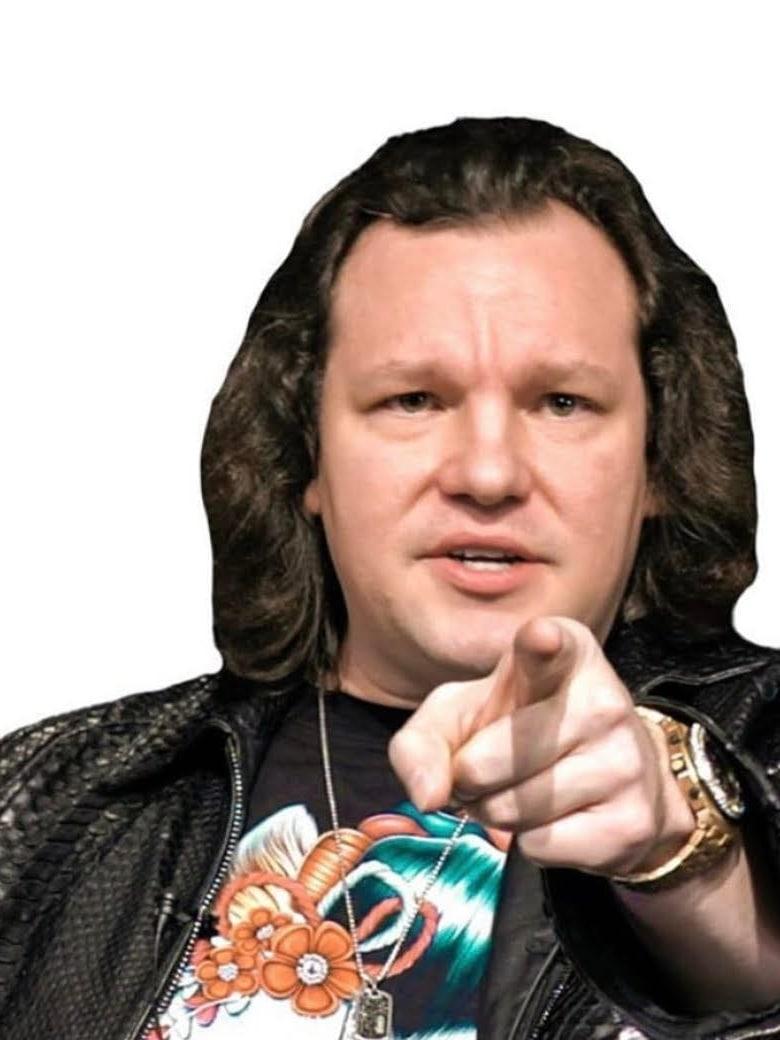
Long before TJ Kirk became a fixture of atheist and political YouTube, his career depended on an unstable internet that could reward one rant and bury the next. He moved from religion-focused videos to broader social and political commentary, then into podcasting and TV-panel appearances like CNN’s discussion of rising atheism. That pattern fits an Observer problem: the pressure sits in changing circumstances, platforms and topics more than in constantly proving his human worth. His strength is adaptability under shifting conditions. The blind spot is assuming the next angle will solve the chaos without forcing a narrower direction.