The Personality Atlas
THE CELEBRITY PERSONALITY ARCHIVE / WRITING & ADVOCACY

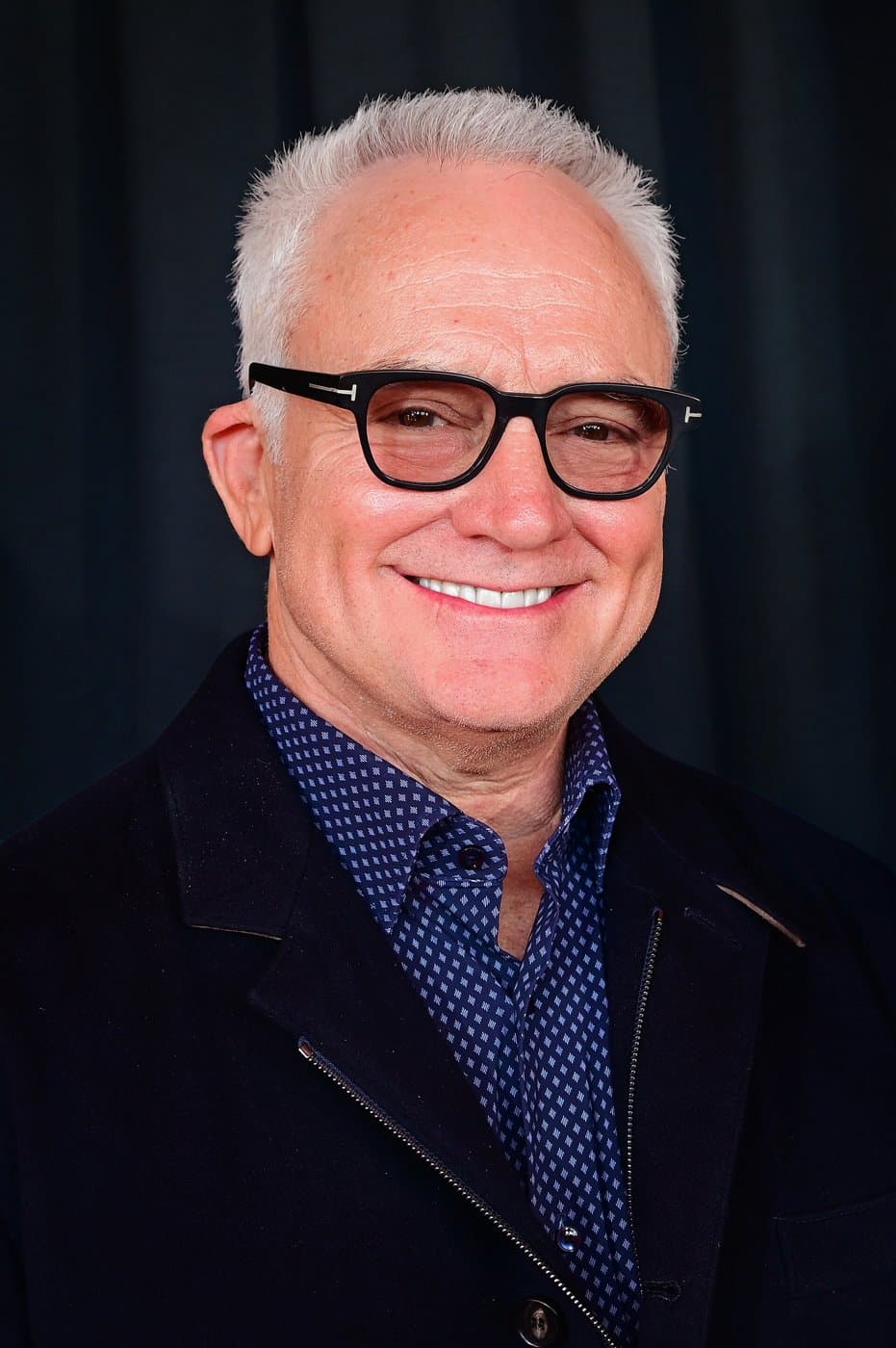
Shane Burcaw.

Writer · YouTuber · Disability Advocate

Shane Burcaw built a public career out of material most people still handle with awkward gloves: disability, dependence, access, dating, marriage, and the daily mechanics of being seen accurately. Through books, speaking, Laughing at My Nightmare, and the enormous visibility of Squirmy and Grubs, he has made candor feel less like a plea for inspiration and more like a challenge to lazy assumptions.

OBJECTIVE PERSONALITY CLASSIFICATIONMF-Ne/Fi-CP/S(B) #1What does this mean?
PERSONALITY SYSTEMObjective Personality
LEAD FUNCTIONNe · Extroverted Intuition
SECOND SAVIOR FUNCTIONFi · Introverted Feeling
MBTI EQUIVALENTENFP
01 / BEHIND THE CLASSIFICATION

The personality behind the fame.

How does a recorded OPS classification like MF-Ne/Fi-CP/S(B) #1 break down? Walk through nine coins and watch the proposed type take shape. These are deductions from the archived code, not independent evidence of typing accuracy.

Scroll below to see Shane Burcaw take shape.

STARTING POINT512 possible OPS typesEach type combines core functions, an animal order, and sexual modalities.
THE FINISH LINEMF-Ne/Fi-CP/S(B) #1One recorded classification, decoded from its components.
Shane Burcaw’s HUMAN NEEDS 01—03
01
DECIDER OR OBSERVER?

Observer over Decider

Observers have more balanced Decider poles in the middle: Self (Di) and Tribe (De). Their own perspective and other people's perspectives tend to be easier to navigate. Things are the harder territory. Control (Oi) and Chaos (Oe) sit at the extremes, so disrupted plans, uncertainty, and a changing world can trigger the strongest reactions.

Burcaw’s public work keeps returning to stubborn circumstances: disability access, adaptive technology, public misconceptions, and the practical realities of daily life that many able-bodied people never have to notice. Founding Laughing at My Nightmare and using his platform to change public perception of disability put the friction in the world itself—barriers, assumptions, logistics—not simply in whether people approve of him. That Observer focus is a strength because it keeps him problem-solving in public. The blind spot is spending so much time correcting the environment that other people’s slower emotional adjustment can feel secondary.

O
02
SELF OR TRIBE?

Di · Self over De · Tribe

Self (Di) is the stronger deciding pole. They check decisions against their own values or reasons first: what makes sense to me, what feels right to me? The strength is independent conviction; the recurring friction is the Tribe (De)—other people's standards, feedback, and expectations. As the portrait unfolds, notice how Self takes the lead.

Burcaw’s voice has always worked best when it sounds owned, not focus-grouped. Writing memoirs, speaking frankly about disability, and branding his work around honest candor all point to a person using an internal standard first, then inviting the public to meet it. That Self-over-Tribe posture gives him a clear center; he is not waiting for a committee to decide how disabled life should be described. The cost is obvious: a perspective that feels deeply true to him can still hit other people as too blunt, too fast, or too unwilling to soften for comfort.

Di
03
GATHER OR ORGANIZE?

Oe · Gather over Oi · Organize

Gather (Oe) leads with new information, experiences, and possibilities. Its strength is curiosity and adaptability; the recurring friction is narrowing the options and settling into what is already known. Another layer of the personality portrait comes into focus.

His career did not stay in one lane. Burcaw has moved across memoir, blogging, nonprofit leadership, interviews, public speaking, and relationship-centered YouTube content, all while keeping disability at the center of the conversation. Gather over Organize fits that widening range: he keeps finding another angle, another format, another way to reopen the topic. The strength is adaptability and freshness. The blind spot is that more options do not automatically create a settled structure. A mission can expand so successfully that choosing what to emphasize next becomes its own pressure.

Oe
FIRST THREE COINSO + Di + Oe

These establish the preferred human needs in the OPS framework.

Shane Burcaw’s FUNCTIONS 04—05
04
FEELING OR THINKING?

Feeling · F over Thinking · T

Feeling (F) evaluates decisions through values, meaning, and what matters—not simply through emotion. Its strength is a clear sense of significance; Thinking (T) provides balance through impersonal reasons, consistency, and evidence. Combined with Self (Di), this forms the recorded Savior Fi.

Burcaw’s public mission is not just informational; it is openly values-driven. The Ruderman conversation frames him as working to change public perception of disability with honest candor, and even the phrase Proud to be Disabled carries a clear Fi stamp. Feeling here is a strength because it lets him argue from lived meaning instead of sterile abstraction. That gives his work weight. The blind spot is on the Thinking side: a morally compelling perspective still has to answer practical questions, define terms clearly, and communicate across audiences that do not already share the value frame.

F → Fi
05
SENSING OR INTUITION?

Intuition · N over Sensing · S

Intuition (N) focuses on concepts, patterns, and what information might mean. Sensing (S) balances it through observable facts, physical detail, and direct experience. Combined with Gather (Oe), this gives the recorded Savior Ne.

Ne shows up in Burcaw’s ability to keep finding new cultural openings where others see a closed script. Disability can become memoir, advocacy, comedy, nonprofit work, or a visible relationship channel rather than one fixed identity box. That intuitive flexibility is a real advantage: it turns a topic many people flatten into something expansive and alive. The cost is that possibilities multiply quickly. The concrete realities of adaptive technology, physical limitation, and daily logistics still demand follow-through. New framing helps, but the world eventually asks for repeatable systems, not just better ideas.

N → Ne
THE TWO SAVIOR FUNCTIONSNe / Fi

Opposing functions: Si and Te.

Shane Burcaw’s ANIMAL STACK 06—07
06
CONSUME OR BLAST?

Consume over Blast

Consume gathers information for internal processing; Blast organizes and communicates information. The recorded order is Consume → Play → Sleep → Blast. This comparison follows their positions in that stack.

Burcaw’s career is full of gathered material—memoirs, interviews, years of explaining disability from the inside rather than from a sanitized brochure. Consume over Blast fits that appetite to take in, refine, and collect before landing the clean headline. The strength is depth: he usually has more reality behind the point than a slogan can hold. The cost is that a sharp message can arrive later than the insight, leaving listeners with vivid stories before the simple takeaway is fully spelled out.

C > B
07
PLAY OR SLEEP?

Play over Sleep

Play emphasizes external real-time engagement; Sleep emphasizes internal processing. The recorded stack places Play earlier.

On camera with Hannah, Burcaw does not keep disability tucked away in private reflection; he works it out in interaction, jokes, and back-and-forth. Play ahead of Sleep gives his content a live, relational spark: the audience sees ideas tested in real time, not only after they have been privately polished. That creates warmth and immediacy. The tradeoff is that constant exchange can outrun quieter consolidation, leaving less room to sit with a topic before it becomes shared material.

P > S
Shane Burcaw’s ANIMAL ORIENTATION 08—09
08
INFO OR ENERGY DOMINANT?

Energy over Info

Energy dominant means Play and Sleep are both in the top three: there is access to expending energy through engagement and conserving it through internal processing. Blast last leaves the information side uneven—Consume may gather far more than gets communicated.

Burcaw’s stack lands on Energy, not because he is endlessly outgoing, but because both outward interaction and private recalibration show up before the final information task. Books, nonprofit leadership, interviews, and couple content all require him to alternate between engaging people and retreating enough to keep his own center. That balance is useful. The missing pressure point is Blast last: even with years of material, the clean executive summary or direct instruction can lag behind the richer story. The growth cost is stopping the flow long enough to package the point clearly for other people.

Energy
09
INTROVERSION OR EXTROVERSION?

Introversion over Extroversion

The last animal, Blast, determines this OPS coin: Play or Blast last means Introversion; Consume or Sleep last means Extroversion. This describes animal orientation, not sociability or shyness.

Burcaw’s visibility can fool people here. A creator with a major YouTube channel, public speaking work, and a frank on-camera presence can still land on the Introversion coin in OPS terms. In Consume → Play → Sleep → Blast, Blast is fourth, so the issue is not shyness; it is the relative strain of turning experience into a firm, simplified directive. He can share plenty. The harder move is deciding, “Here is the conclusion, and here is what I want you to do with it.” More deliberate summaries would sharpen, not dilute, his candor.

I
Sexual Modalities

The four sexual modalities.

OPS uses masculine/feminine sensory and extroverted-deciding distinctions as framework-specific terms, not gender categories. The four modalities are already included in the original 512 types. The recorded modality is MF · Audio.

MM KinestheticMasculine Sensory · Masculine De
MF RECORDED MODALITYAudioMasculine Sensory · Feminine De
FF TesterFeminine Sensory · Feminine De
FM VisualFeminine Sensory · Masculine De
ADDITIONAL LAYER · SOCIAL TYPE

The four social types.

Social types are an additional layer on top of the original Objective Personality classification, introduced later in OPS research. They describe two proposed social preference coins: Flex vs. Friends and Generalize vs. Specialize. The combination and priority of these preferences produce four social types. Shane Burcaw's recorded social type is #1.

SOCIAL #1 RECORDED SOCIAL TYPE#1Flex · Generalize
SOCIAL #2 #2Generalize · Friends
SOCIAL #3 #3Specialize · Flex
SOCIAL #4 #4Friends · Specialize
COMPLETE RECORDED OPS TYPE · MODALITY INCLUDED + SOCIAL TYPEMF-Ne/Fi-CP/S(B) #1

Ne leads, Fi supports, and the animal stack is Consume → Play → Sleep → Blast.

THE FINISHED PORTRAIT · ALL NINE COINS REVEALED

Shane Burcaw's complete function and animal stack

ConsumePlaySleepBlastfNemFifTemSi
MF-Ne/Fi-CP/S(B) #1DOUBLE ACTIVATED · CONSUMEExplore the Interactive Coin Builder →
THE SHANE BURCAW LENS

Candor without the script.

On Squirmy and Grubs, Burcaw’s public image can look almost mischievously casual: relationship banter, daily logistics, and a willingness to put disability on camera without polishing it into a lesson. But that ease sits on years of more deliberate work as an author, speaker, and nonprofit founder trying to change how disability is publicly understood.

The Ne/Fi pairing helps explain why his work feels more alive than a standard awareness campaign. Ne keeps finding fresh angles—memoir, nonprofit, interview, relationship content, comedy—while Fi refuses to sand down the personal standard underneath it. That combination gives him originality and moral clarity. Its limit is that conviction plus possibility does not automatically become a universally streamlined message.

As an Observer and Double Decider, Burcaw’s deeper imbalance is not mainly about tribe approval versus self-worth. He is more likely to run into the unstable world of access, logistics, assumptions, and changing circumstances. That pairing matters: he can stay relatively steady around people while still getting taxed by the chaos of the environment. Neglected Si, opposite his lead Ne, is the pressure to settle on the known, repeatable form.

Consume → Play → Sleep → Blast shows why his public candor can still leave the final headline hanging. He gathers, engages, and processes before the clean outward directive. Blast last does not erase his speaking career; it marks the extra strain of reducing rich lived detail into a blunt takeaway. The balancing move is specific: keep the humor and openness, but end more pieces with one plain sentence about the point and the ask.

Want to understand the Savior and Demon states behind these nine coins? Explore the complete explanation, visual examples, and typing principles on our Methodology page →

02 / KEEP EXPLORING

Different faces. Familiar patterns.

Explore other celebrities with related recorded OPS classifications. Related functions are not necessarily exact type matches.

Discover Type Twins
YOUR TURN

Curious about your own type?

Discover how your own personality might be classified through Objective Personality.

Get objectively typed
Shane Burcaw's Personality Type & OPS Profile | The Personality Atlas