Observer over Decider
Observers have more balanced Decider poles in the middle: Self (Di) and Tribe (De). Their own perspective and other people's perspectives tend to be easier to navigate. Things are the harder territory. Control (Oi) and Chaos (Oe) sit at the extremes, so disrupted plans, uncertainty, and a changing world can trigger the strongest reactions.
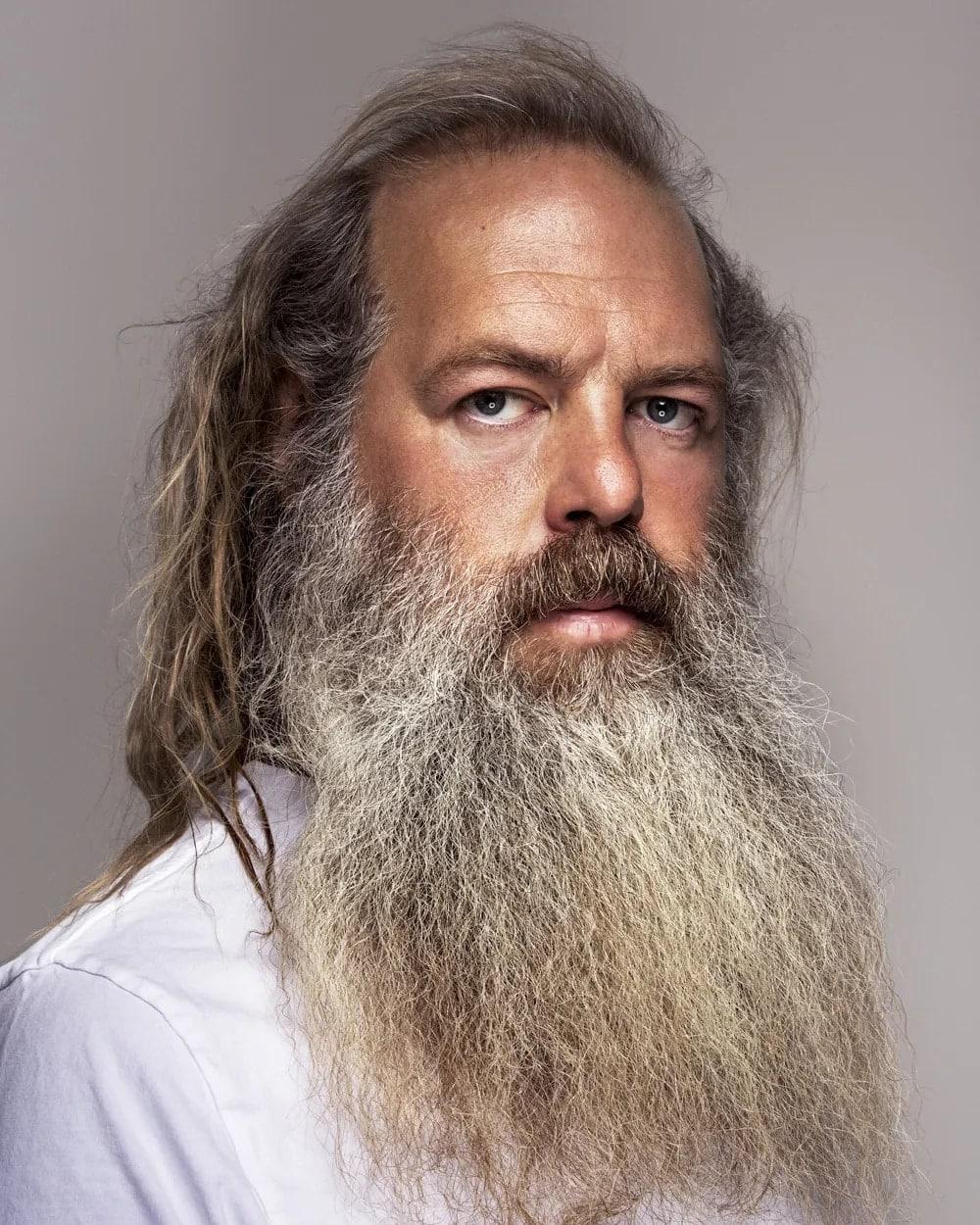
Rick Rubin’s career is basically a map of changing musical terrain: a punk kid at CBGB, a dorm-room Def Jam founder, the producer behind Run-DMC and Aerosmith’s “Walk This Way,” then Johnny Cash, Adele and the Red Hot Chili Peppers. The recurring tension is less “Do people respect me?” than “What is the right shape for this material now?” That Observer focus is a genuine asset in volatile industries; he can adapt to a new scene faster than most purists. The growth cost is that constant recalibration can make circumstances feel like the real problem, even when a clearer human conversation is overdue.