The Personality Atlas
THE CELEBRITY PERSONALITY ARCHIVE / VENTURE CAPITAL

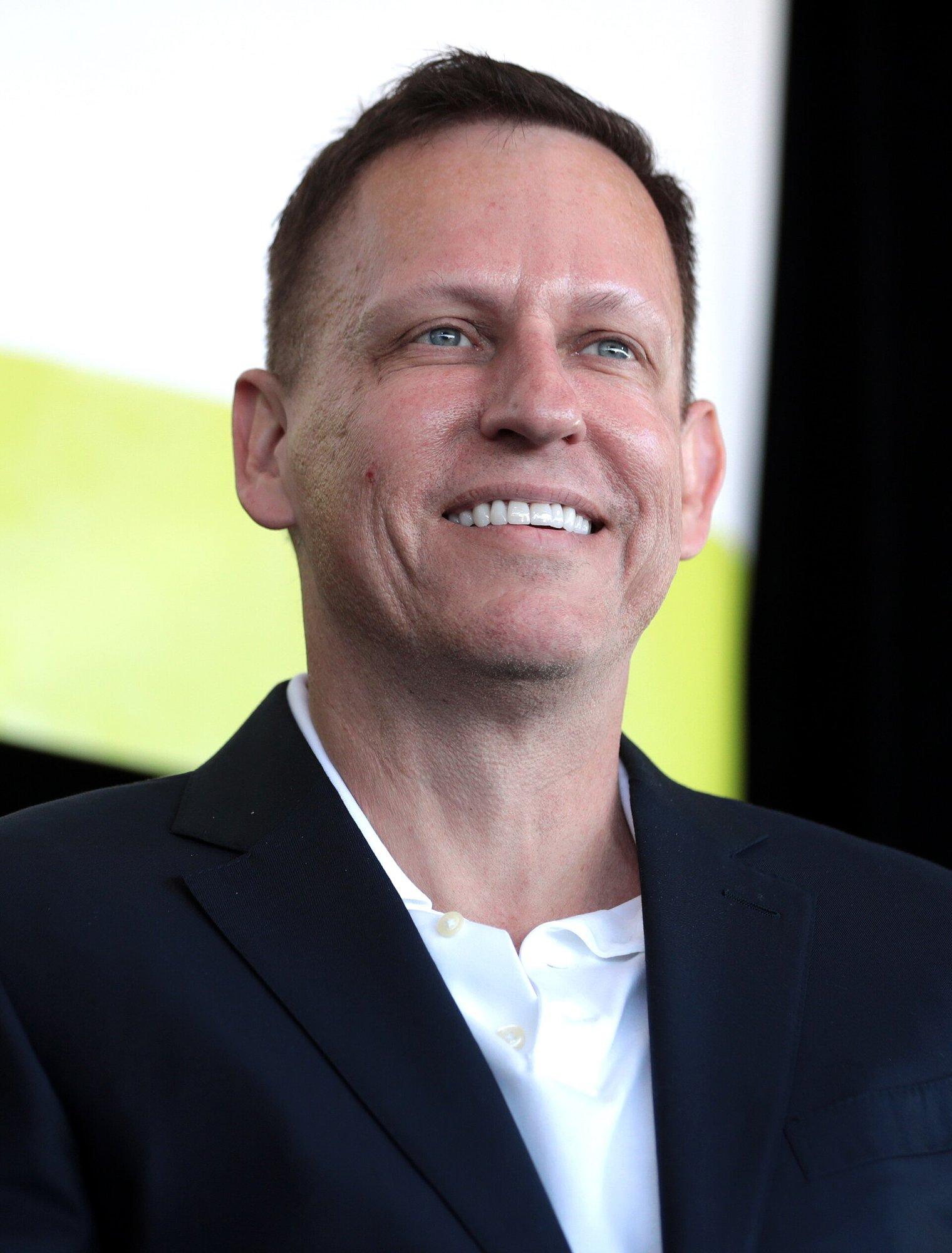
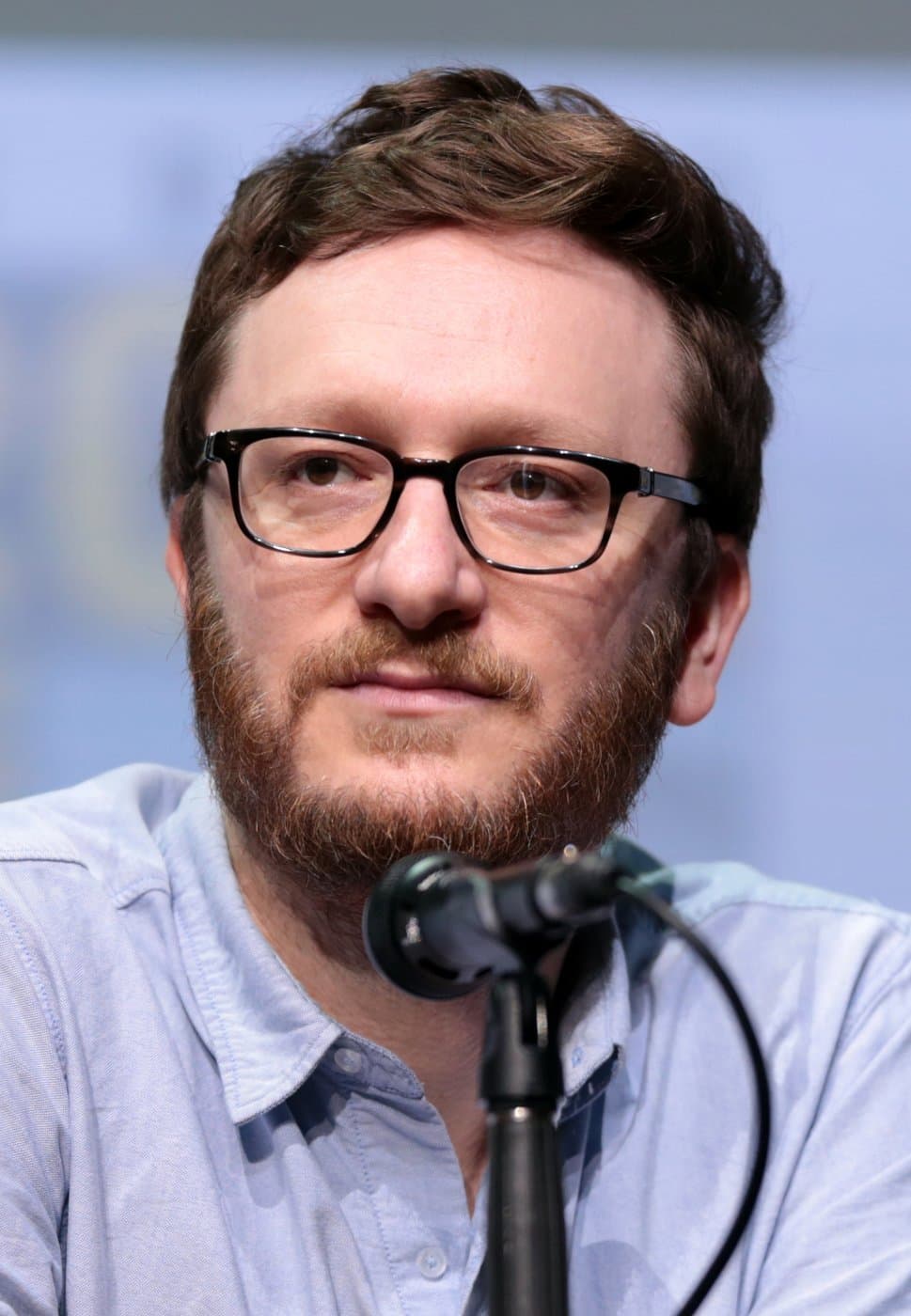
Peter Thiel.

Entrepreneur · Investor · Founder

Peter Thiel has spent decades turning contrarian judgment into institutions: PayPal, Palantir, Founders Fund, and Facebook’s first outside check. His public image is the provocateur-investor, but the through line is tighter than that—he repeatedly builds around a private thesis, then backs it with capital, structure and unusually durable control.

OBJECTIVE PERSONALITY CLASSIFICATIONMF-Ti/Si-SB/C(P)What does this mean?
PERSONALITY SYSTEMObjective Personality
LEAD FUNCTIONTi · Introverted Thinking
SECOND SAVIOR FUNCTIONSi · Introverted Sensing
MBTI EQUIVALENTINTP
01 / BEHIND THE CLASSIFICATION

The personality behind the fame.

How does a recorded OPS classification like MF-Ti/Si-SB/C(P) break down? Walk through nine coins and watch the proposed type take shape. These are deductions from the archived code, not independent evidence of typing accuracy.

Scroll below to see Peter Thiel take shape.

STARTING POINT512 possible OPS typesEach type combines core functions, an animal order, and sexual modalities.
THE FINISH LINEMF-Ti/Si-SB/C(P)One recorded classification, decoded from its components.
Peter Thiel’s HUMAN NEEDS 01—03
01
DECIDER OR OBSERVER?

Decider over Observer

Deciders have more balanced Observer poles in the middle: Control (Oi) and Chaos (Oe). Organizing what's known and handling what's new tend to feel more manageable. People are the harder territory. Self (Di) and Tribe (De) sit at the extremes, so judgment, rejection, approval, and conflict can trigger the strongest reactions.

Thiel’s public career is full of arguments with people, not just obstacles in the environment. At Stanford he cofounded The Stanford Review against the university’s curricular shift, and later became a donor to right-wing candidates and causes that drew constant scrutiny. That pattern points to Decider pressure: the friction sits in alignment, loyalty, judgment and who is on your side. The strength is unusual willingness to take a side in public. The cost is that every thesis can become a sorting mechanism, shrinking trust with people who do not buy the premise.
D
02
SELF OR TRIBE?

Di · Self over De · Tribe

Self (Di) is the stronger deciding pole. They check decisions against their own values or reasons first: what makes sense to me, what feels right to me? The strength is independent conviction; the recurring friction is the Tribe (De)—other people's standards, feedback, and expectations. As the portrait unfolds, notice how Self takes the lead.

His $500,000 investment in Facebook is a classic Self-first example: he trusted his own read on Zuckerberg and the company’s original vision, even allowing the convertible note to become equity when Facebook narrowly missed the user target. Di strength is not rebellion for its own sake; it is maintaining an internal standard when consensus is thin. That can produce enormous conviction and clean decisions. The blind spot is obvious too: if your private calibration feels strong enough, outside caution can start looking like noise instead of potentially useful correction.

Di
03
GATHER OR ORGANIZE?

Oi · Organize over Oe · Gather

Organize (Oi) leads with refining, preserving, and structuring what is already known. Its strength is preparation and clear direction; the recurring friction is unexpected change that disrupts the plan. Another layer of the personality portrait comes into focus.

Thiel’s career has a repeated Organize signature: founder control at Palantir, a macro thesis at Clarium, a hard-tech pivot at Founders Fund, and a tendency to build around a few durable ideas rather than chase every fashionable opening. Organize brings coherence. He does not merely collect possibilities; he arranges them into a worldview, capital strategy and network. The tradeoff is reduced flexibility. Clarium’s missed rebound after the financial crisis showed the cost of staying loyal to a framework after conditions stop rewarding it.

Oi
FIRST THREE COINSD + Di + Oi

These establish the preferred human needs in the OPS framework.

Peter Thiel’s FUNCTIONS 04—05
04
FEELING OR THINKING?

Thinking · T over Feeling · F

Thinking (T) evaluates decisions through reasons, logic, and what works—not a lack of emotion. Its strength is analytical consistency; Feeling (F) provides balance through values, meaning, and the human consequences of a decision. Combined with Self (Di), this forms the recorded Savior Ti.

At PayPal, Thiel focused on a technical and structural problem: how to make online payments work securely without requiring every merchant to have the right hardware. That is Ti at its sharpest—strip the problem to its logic, build the mechanism, make the system hold. The same style appears in Palantir’s emphasis on data analysis and built-in policing systems. The strength is elegant problem framing. The void is that a coherent internal model does not automatically settle public trust, political consequences or whether other people accept the architecture.

T → Ti
05
SENSING OR INTUITION?

Sensing · S over Intuition · N

Sensing (S) focuses on concrete details, observable reality, and lived experience. Intuition (N) balances it by looking for broader patterns, concepts, and implications. Combined with Organize (Oi), this gives the recorded Savior Si.

Thiel’s Sensing side shows in how often his bets anchor to concrete infrastructure rather than airy branding: payment rails at PayPal, anti-fraud tools at Palantir, directional macro trades at Clarium, uranium enrichment and defense technology through Founders Fund. Even his big ideas usually arrive attached to machinery, institutions or hard constraints. Si gives durability because it keeps returning to what is materially there and historically established. The cost is that a stored model can become too persuasive, making shifting cultural or strategic context easier to underweight.

S → Si
THE TWO SAVIOR FUNCTIONSTi / Si

Opposing functions: Fe and Ne. This is a jumper classification.

Peter Thiel’s ANIMAL STACK 06—07
06
PLAY OR SLEEP?

Sleep over Play

Play emphasizes external real-time engagement; Sleep emphasizes internal processing. The recorded stack places Sleep earlier.

Sleep comes earlier than Play here, and Thiel’s public life fits that order. Even Marc Andreessen’s description of his strategy points to a man who prefers carefully chosen talks, books and mottos to constant social circulation or talent-chasing in real time. Sleep’s advantage is internal consolidation: the thesis gets sharpened before it is released. That can make his message unusually focused. The growth cost is that too much private refinement can make live exchange feel secondary, leaving less room for ideas to be reshaped by unpredictable human contact.

S > P
07
CONSUME OR BLAST?

Blast over Consume

Consume gathers information for internal processing; Blast organizes and communicates information. The recorded order is Sleep → Blast → Consume → Play. This comparison follows their positions in that stack.

Between Consume and Blast, Blast lands earlier than Consume. You can see that in Thiel’s habit of turning a thesis into a directional message—whether at The Stanford Review, in venture strategy, or in public political signaling—before endlessly broadening the input stream. Earlier Blast helps him rally talent and capital around a sharpened claim. Later Consume still matters, but it serves the thesis more selectively. The blind spot is becoming so good at framing the argument that additional material gets filtered mainly for usefulness, not for its power to revise the frame.

B > C
Peter Thiel’s ANIMAL ORIENTATION 08—09
08
INFO OR ENERGY DOMINANT?

Info over Energy

Info dominant means Consume and Blast are both in the top three: gathering and communicating information are more balanced. Play last leaves the energy side uneven—Sleep can conserve energy without enough spontaneous outward engagement.

This stack lands on Info over Energy, and Thiel’s career makes that easy to picture. He can consolidate privately, package a thesis publicly, and keep feeding that system with targeted research, whether the subject is online payments, macro bets, defense technology or startup investing. Information handling is not the weak point. The void comes from Play sitting last: spontaneous back-and-forth, improvisational collaboration and messy real-time calibration can lag behind the quality of the thesis itself. The system speaks clearly; the room does not always get equal weight.

Info
09
INTROVERSION OR EXTROVERSION?

Introversion over Extroversion

The last animal, Play, determines this OPS coin: Play or Blast last means Introversion; Consume or Sleep last means Extroversion. This describes animal orientation, not sociability or shyness.

Play in the fourth position produces the Introversion coin here, and that has nothing to do with whether Thiel can work a network, sit on boards or influence elections. He plainly can. OPS Introversion is about priority: private reasoning and controlled delivery come more naturally than open-ended external ping-pong. That helps explain why he can look highly public while still keeping a sealed center. The growth edge is not becoming more social for show. It is letting more unscripted challenge into the process before the thesis hardens into policy, capital or doctrine.

I
Sexual Modalities

The four sexual modalities.

OPS uses masculine/feminine sensory and extroverted-deciding distinctions as framework-specific terms, not gender categories. The four modalities are already included in the original 512 types. The recorded modality is MF · Audio.

MM KinestheticMasculine Sensory · Masculine De
MF RECORDED MODALITYAudioMasculine Sensory · Feminine De
FF TesterFeminine Sensory · Feminine De
FM VisualFeminine Sensory · Masculine De
COMPLETE RECORDED OPS TYPE · MODALITY INCLUDEDMF-Ti/Si-SB/C(P)

Ti leads, Si supports, and the animal stack is Sleep → Blast → Consume → Play.

THE FINISHED PORTRAIT · ALL NINE COINS REVEALED

Peter Thiel's complete function and animal stack

SleepBlastConsumePlaymTifNemSifFe
MF-Ti/Si-SB/C(P)DOUBLE ACTIVATED · SLEEPExplore the Interactive Coin Builder →
THE PETER THIEL LENS

The thesis before the crowd.

Thiel’s public image is loud: PayPal Mafia patriarch, Facebook’s first outside investor, Palantir chairman, political donor, contrarian with a quote ready for the next fight. But the person behind that impression looks less like a compulsive showman than a builder of highly framed bets. He does not just enter big systems; he tries to redesign the terms under which they operate.

His exact savior pairing, Ti/Si, helps explain both the force and the limitation. Ti narrows a problem to an internal logic; Si anchors that logic to tested structures, precedent and concrete constraints. That combination is powerful for building payment tools, data platforms and long-horizon investment theses. The limit is hardness: once the model feels coherent and battle-tested, revision can arrive later than the situation wants.

As a Decider and Double Observer, the core pressure is still people—alignment, judgment, loyalty, opposition—not simple chaos management. The human-needs imbalance comes from spending so much energy on an internally settled position that the social field can become something to manage after the fact. The neglected function opposite his lead savior is Fe, the outward calibration of values, tone and shared buy-in.

Sleep → Blast → Consume → Play puts private consolidation first and open-ended interaction last. That can preserve clarity, conviction and unusually durable strategy, but it can also make real-time dissent feel less useful than the already-shaped thesis. The balancing move is not abandoning conviction; it is building deliberate unscripted challenge sessions with operators, critics and partners before the next major bet is locked.

Want to understand the Savior and Demon states behind these nine coins? Explore the complete explanation, visual examples, and typing principles on our Methodology page →

02 / KEEP EXPLORING

Different faces. Familiar patterns.

Explore other celebrities with related recorded OPS classifications. Related functions are not necessarily exact type matches.

Discover Type Twins
YOUR TURN

Curious about your own type?

Discover how your own personality might be classified through Objective Personality.

Get objectively typed
Peter Thiel's Personality Type & OPS Profile | The Personality Atlas