The Personality Atlas
THE CELEBRITY PERSONALITY ARCHIVE / FILM & TELEVISION

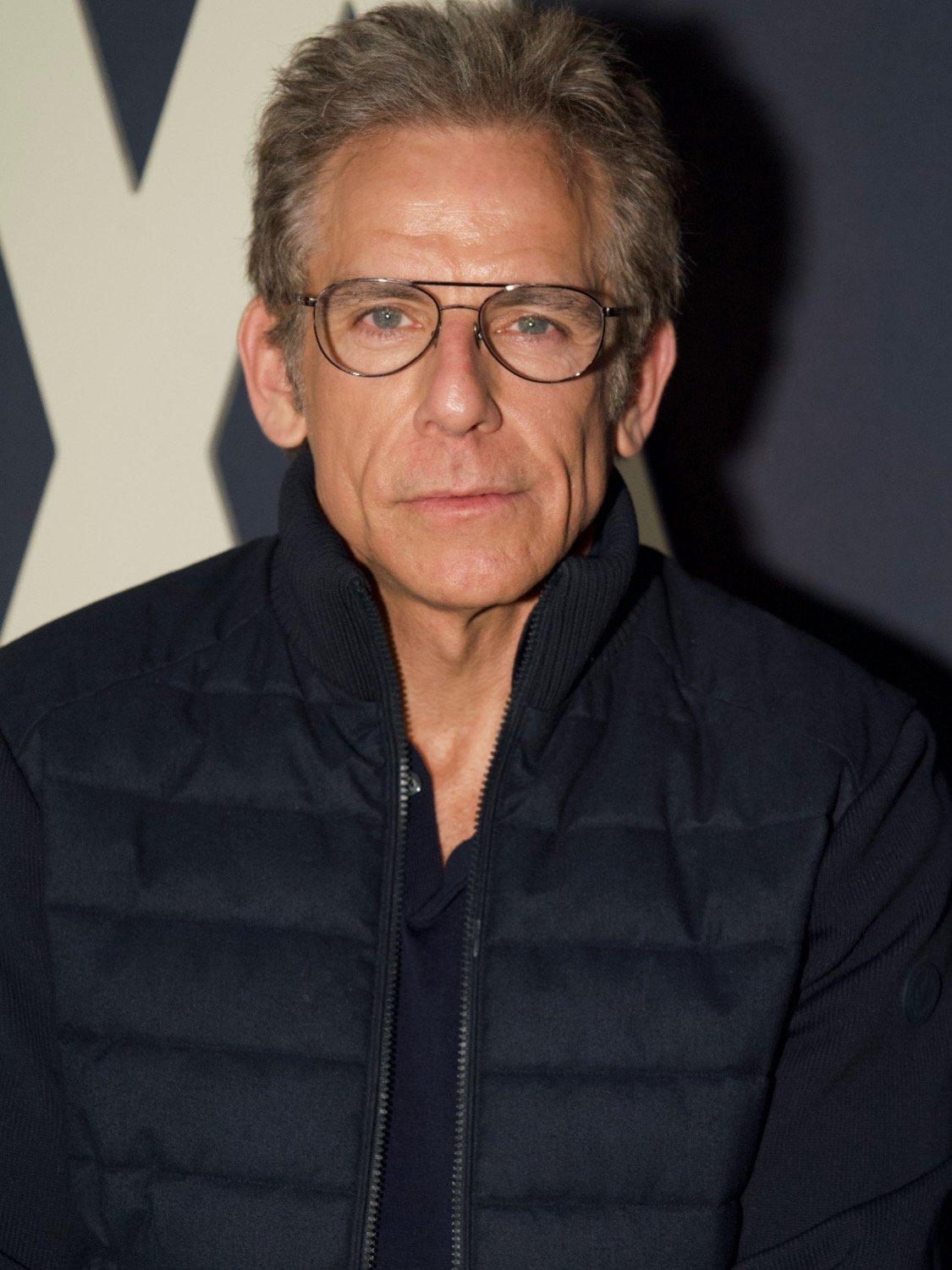
Ben Stiller.

Actor · Director · Comedian

Ben Stiller built a career out of public awkwardness without ever being a sloppy craftsman. From the canceled-but-Emmy-winning Ben Stiller Show to Meet the Parents, Tropic Thunder, Escape at Dannemora, and Severance, the visible persona is comic panic; the engine underneath is a tightly controlled writer-director who keeps refining the premise until everyone else can step inside it.

OBJECTIVE PERSONALITY CLASSIFICATIONMF-Ti/Si-SB/C(P)What does this mean?
PERSONALITY SYSTEMObjective Personality
LEAD FUNCTIONTi · Introverted Thinking
SECOND SAVIOR FUNCTIONSi · Introverted Sensing
MBTI EQUIVALENTINTP
01 / BEHIND THE CLASSIFICATION

The personality behind the fame.

How does a recorded OPS classification like MF-Ti/Si-SB/C(P) break down? Walk through nine coins and watch the proposed type take shape. These are deductions from the archived code, not independent evidence of typing accuracy.

Scroll below to see Ben Stiller take shape.

STARTING POINT512 possible OPS typesEach type combines core functions, an animal order, and sexual modalities.
THE FINISH LINEMF-Ti/Si-SB/C(P)One recorded classification, decoded from its components.
Ben Stiller’s HUMAN NEEDS 01—03
01
DECIDER OR OBSERVER?

Decider over Observer

Deciders have more balanced Observer poles in the middle: Control (Oi) and Chaos (Oe). Organizing what's known and handling what's new tend to feel more manageable. People are the harder territory. Self (Di) and Tribe (De) sit at the extremes, so judgment, rejection, approval, and conflict can trigger the strongest reactions.

Stiller’s career keeps returning to human friction: the son of two famous comedians, the creator of a sketch show cancelled before it won an Emmy, the star-director constantly bouncing off strong personalities from Robert De Niro to Jim Carrey. That points to a Decider life pattern more than a circumstances problem. The pressure is not mainly, “Can the world be controlled?” but, “How do I hold my ground when other people judge, reject, outrank, or need something from me?” Strength: he keeps working through loaded collaborations. Blind spot: other people’s reactions can become the part that feels most personal.


D
02
SELF OR TRIBE?

Di · Self over De · Tribe

Self (Di) is the stronger deciding pole. They check decisions against their own values or reasons first: what makes sense to me, what feels right to me? The strength is independent conviction; the recurring friction is the Tribe (De)—other people's standards, feedback, and expectations. As the portrait unfolds, notice how Self takes the lead.

When Saturday Night Live hired Stiller as a writer-performer but did not want him making more short films, he left after four episodes. That is a clean public example of Self over Tribe: his own standard for what counted as the work mattered more than fitting the institution. The same streak shows in years spent developing his own mockumentaries, rewriting Reality Bites, and rejecting the neat “Frat Pack” label. Strength: a career with authorship instead of just compliance. Growth cost: useful outside feedback can arrive looking like interference, and not every collaboration improves by being bent back to his private read.

Di
03
GATHER OR ORGANIZE?

Oi · Organize over Oe · Gather

Organize (Oi) leads with refining, preserving, and structuring what is already known. Its strength is preparation and clear direction; the recurring friction is unexpected change that disrupts the plan. Another layer of the personality portrait comes into focus.

Stiller’s public work is less about chasing every new lane than about building repeatable structures: recurring collaborators like Owen Wilson and Jack Black, returning franchises, and characters such as Derek Zoolander that he kept refining from VH1 sketch to feature film to sequel. Organize over Gather favors a stable frame, a known tone, a cast he can place with intention. That makes large comic machines feel coordinated instead of accidental. The cost is obvious too. A well-built system can become a comfortable loop, where revisiting a proven pattern is easier than risking a messier new possibility.

Oi
FIRST THREE COINSD + Di + Oi

These establish the preferred human needs in the OPS framework.

Ben Stiller’s FUNCTIONS 04—05
04
FEELING OR THINKING?

Thinking · T over Feeling · F

Thinking (T) evaluates decisions through reasons, logic, and what works—not a lack of emotion. Its strength is analytical consistency; Feeling (F) provides balance through values, meaning, and the human consequences of a decision. Combined with Self (Di), this forms the recorded Savior Ti.

His comedy is rarely just random mugging; it is engineered. The Ben Stiller Show won an Emmy for writing, his mockumentaries depend on exact internal rules, and Tropic Thunder works because the satire keeps tracking who is pretending to be what, and why. Ti brings that private logical filter: tighten the mechanism until the joke or scene makes sense on its own terms. Strength: he can diagnose a premise from the inside. Blind spot: an internally coherent bit can still land awkwardly, or need more translation, when other people meet it without his blueprint.

T → Ti
05
SENSING OR INTUITION?

Sensing · S over Intuition · N

Sensing (S) focuses on concrete details, observable reality, and lived experience. Intuition (N) balances it by looking for broader patterns, concepts, and implications. Combined with Organize (Oi), this gives the recorded Savior Si.

Stiller’s observer strength looks concrete and archival rather than dreamy. As a kid he made Super 8 movies; as an adult he kept turning sharply observed details into worlds people remember—the painfully specific social rituals of Meet the Parents, the fashion-industry mannerisms behind Zoolander, the claustrophobic routines of Severance. Si gives weight to what is already known, seen, and patterned. It helps him make satire feel tactile instead of abstract. The limit is that fidelity to the established texture can become its own gravity. A creator can preserve a world so carefully that novelty has to fight for permission to enter.

S → Si
THE TWO SAVIOR FUNCTIONSTi / Si

Opposing functions: Fe and Ne. This is a jumper classification.

Ben Stiller’s ANIMAL STACK 06—07
06
PLAY OR SLEEP?

Sleep over Play

Play emphasizes external real-time engagement; Sleep emphasizes internal processing. The recorded stack places Sleep earlier.

Sleep comes earlier than Play here, and Stiller’s career often looks like that: the public result may be noisy, but the build behind it is controlled and internally processed. He conceived Tropic Thunder’s premise back in 1987 and only brought it to the screen in 2008, after years of shaping it. That earlier Sleep strength is digestion—letting an idea sit until it has a private center. The blind spot is that real-time interaction can arrive after the inner version feels finished. Growth means allowing live exchange to modify the plan, not merely execute it.

S > P
07
CONSUME OR BLAST?

Blast over Consume

Consume gathers information for internal processing; Blast organizes and communicates information. The recorded order is Sleep → Blast → Consume → Play. This comparison follows their positions in that stack.

The second animal comparison adds another clue: Blast lands earlier than Consume. Stiller repeatedly takes an idea and gives it a communicable form—The Ben Stiller Show, the Derek Zoolander VH1 shorts becoming a movie, or a high-concept series like Severance made legible for a mass audience. That earlier Blast is a strength; he can package tone and direction instead of hoarding raw material forever. The cost is subtler. Once the frame is clear, there is less appetite for endless new input. More research is useful; it is not always welcome once the message already has shape.

B > C
Ben Stiller’s ANIMAL ORIENTATION 08—09
08
INFO OR ENERGY DOMINANT?

Info over Energy

Info dominant means Consume and Blast are both in the top three: gathering and communicating information are more balanced. Play last leaves the energy side uneven—Sleep can conserve energy without enough spontaneous outward engagement.

His recorded stack is Info-dominant, which fits a career split between absorbing material and then turning it into a defined product. Stiller can study a comic type, a genre, or a setting and then make it shareable—through writing, directing, performance, or showrunning. That balance helps explain how he moved from parody shorts to films and then to carefully controlled television like Escape at Dannemora and Severance. The void is last-Play. He can collaborate plenty, but the least natural piece is loose, unstructured back-and-forth once the concept is already organized. Prepared direction comes easier than improvising the room.

Info
09
INTROVERSION OR EXTROVERSION?

Introversion over Extroversion

The last animal, Play, determines this OPS coin: Play or Blast last means Introversion; Consume or Sleep last means Extroversion. This describes animal orientation, not sociability or shyness.

Play sits last, which gives the final coin of Introversion in the OPS sense. That does not mean shy, antisocial, or unable to lead a set; Stiller has spent decades fronting ensembles, press tours, and big studio comedies. It means private processing and pre-shaped direction tend to outrank open-ended interaction. You can see it in the maker behind the performer: the writer-director who keeps constructing the frame that everyone else steps into. Strength: a strong internal center. Blind spot: spontaneous human exchange can be treated as noise to manage instead of fresh material. The growth edge is risking a little more unscripted contact before the structure locks.

I
Sexual Modalities

The four sexual modalities.

OPS uses masculine/feminine sensory and extroverted-deciding distinctions as framework-specific terms, not gender categories. The four modalities are already included in the original 512 types. The recorded modality is MF · Audio.

MM KinestheticMasculine Sensory · Masculine De
MF RECORDED MODALITYAudioMasculine Sensory · Feminine De
FF TesterFeminine Sensory · Feminine De
FM VisualFeminine Sensory · Masculine De
COMPLETE RECORDED OPS TYPE · MODALITY INCLUDEDMF-Ti/Si-SB/C(P)

Ti leads, Si supports, and the animal stack is Sleep → Blast → Consume → Play.

THE FINISHED PORTRAIT · ALL NINE COINS REVEALED

Ben Stiller's complete function and animal stack

SleepBlastConsumePlaymTifNemSifFe
MF-Ti/Si-SB/C(P)DOUBLE ACTIVATED · SLEEPExplore the Interactive Coin Builder →
THE BEN STILLER LENS

The engineer hiding inside the anxious clown

Greg Focker, Derek Zoolander, the cable-knit panic of so many Ben Stiller performances—his public image is frantic embarrassment. But the career behind that image is remarkably controlled. The kid making Super 8 films became the Emmy-winning sketch creator, then the director who could move from broad farce to Escape at Dannemora and Severance without losing his grip on tone.

Ti paired with Si gives him a sharp gift for building from an internal blueprint and then grounding it in recognizable detail. That combination can make satire precise, worlds tactile, and comic discomfort painfully specific. Its limit is rigidity: once the model feels right to him, new input can sound late, messy, or beside the point.

As a Decider and Double Observer, Stiller’s main imbalance is not chaos versus control so much as the human question of judgment, respect, and significance. He can overwork the people side while still having strong observational range. The neglected function opposite his lead savior is Fe, the tribe-focused calibration that asks not just whether the bit works, but how it lands with others.

Sleep → Blast → Consume → Play explains the maker better than the mugging. Play last can leave spontaneous exchange as the uncomfortable stretch, especially after the premise has already been privately settled and clearly framed. Keep the exacting build; before locking a script, scene, or cut, invite one genuinely unscripted collaborator pass and let it change something concrete.

Want to understand the Savior and Demon states behind these nine coins? Explore the complete explanation, visual examples, and typing principles on our Methodology page →

02 / KEEP EXPLORING

Different faces. Familiar patterns.

Explore other celebrities with related recorded OPS classifications. Related functions are not necessarily exact type matches.

Discover Type Twins
YOUR TURN

Curious about your own type?

Discover how your own personality might be classified through Objective Personality.

Get objectively typed
Ben Stiller's Personality Type & OPS Profile | The Personality Atlas