The Personality Atlas
THE CELEBRITY PERSONALITY ARCHIVE / ANIMATION & VOICE

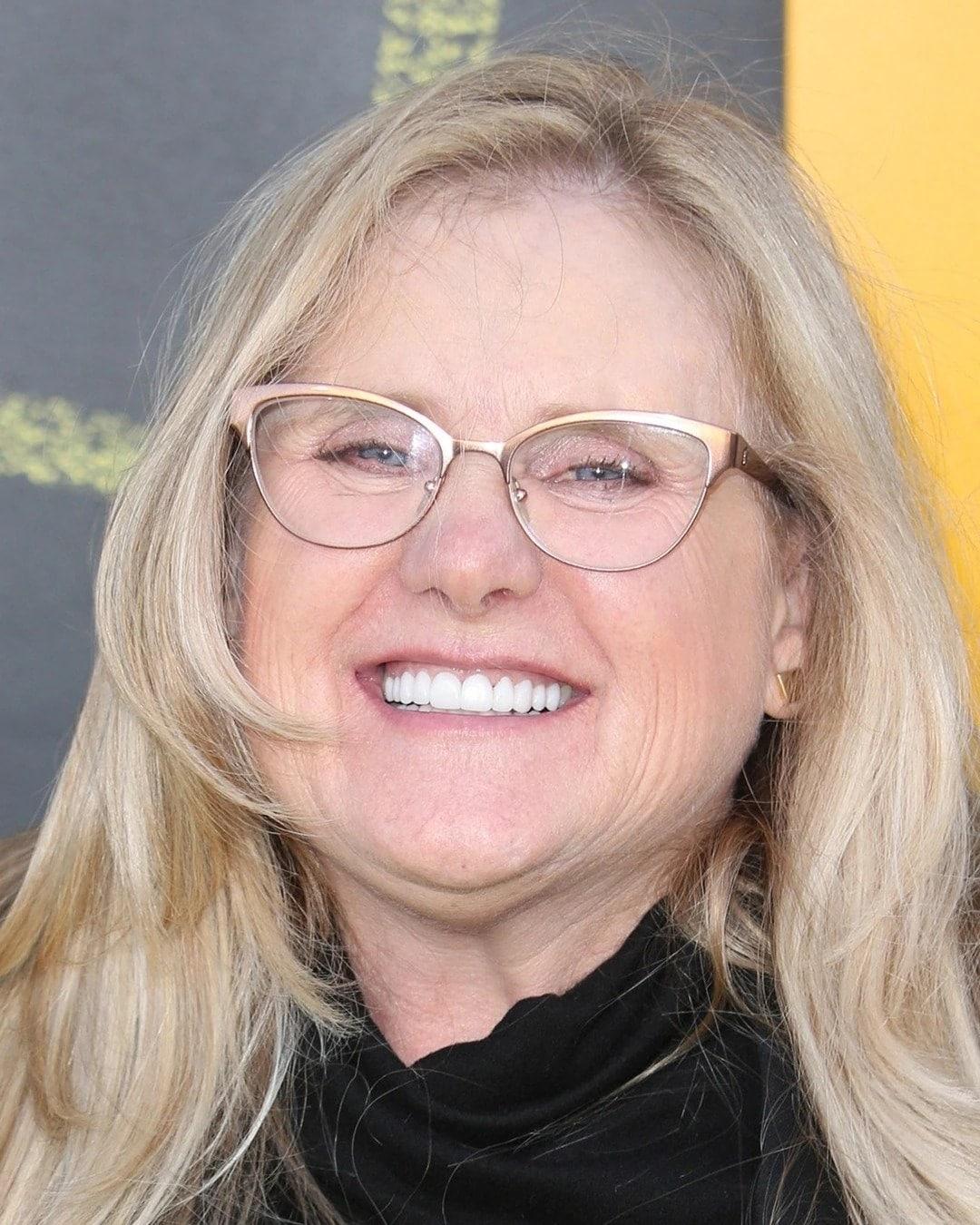
Nancy Cartwright.

Voice Actor · Producer · Author

Nancy Cartwright built one of animation’s strangest careers: globally famous through characters most viewers could not visually connect back to her. From winning school speech contests to seizing the Bart Simpson audition on the spot, she turned vocal control, audience instinct and relentless follow-through into decades of work across The Simpsons, Rugrats, memoir, stage and producing.

OBJECTIVE PERSONALITY CLASSIFICATIONMF-Fe/Ni-BP/S(C)What does this mean?
PERSONALITY SYSTEMObjective Personality
LEAD FUNCTIONFe · Extroverted Feeling
SECOND SAVIOR FUNCTIONNi · Introverted Intuition
MBTI EQUIVALENTENFJ
01 / BEHIND THE CLASSIFICATION

The personality behind the fame.

How does a recorded OPS classification like MF-Fe/Ni-BP/S(C) break down? Walk through nine coins and watch the proposed type take shape. These are deductions from the archived code, not independent evidence of typing accuracy.

Scroll below to see Nancy Cartwright take shape.

STARTING POINT512 possible OPS typesEach type combines core functions, an animal order, and sexual modalities.
THE FINISH LINEMF-Fe/Ni-BP/S(C)One recorded classification, decoded from its components.
Nancy Cartwright’s HUMAN NEEDS 01—03
01
DECIDER OR OBSERVER?

Decider over Observer

Deciders have more balanced Observer poles in the middle: Control (Oi) and Chaos (Oe). Organizing what's known and handling what's new tend to feel more manageable. People are the harder territory. Self (Di) and Tribe (De) sit at the extremes, so judgment, rejection, approval, and conflict can trigger the strongest reactions.

During Bartmania, Nancy Cartwright was voicing television’s most famous troublemaker while Fox initially discouraged interviews that revealed Bart was played by a woman. Later, she also refused to do Bart’s voice for children because it “freaks [them] out.” That is classic Decider terrain: the friction sits in people, roles, expectations and how a performance lands on others. Her strength is reading the social meaning of a moment instead of bulldozing through it. The cost is obvious too: the room’s reaction can become the problem to manage, even when the work itself is already solved.


D
02
SELF OR TRIBE?

De · Tribe over Di · Self

Tribe (De) is the stronger deciding pole. They check decisions against people, shared standards, and what works for the group: what do we need, what will others think? The strength is coordination and responsiveness; the recurring friction is the Self (Di)—knowing and defending their own position. As the portrait unfolds, notice how Tribe takes the lead.

Cartwright’s career is full of tribe calibration. When she took over Chuckie Finster, she said she had to do the voice the way Christine Cavanaugh had done it for a decade, honoring an established audience expectation instead of treating the role as raw self-expression. The Simpsons salary standoffs show the same pattern on a business level: negotiations happened as a cast, against a network, inside a larger collective standard. De’s strength is social fit and loyalty to shared expectations. The growth cost is that outside needs can quietly become the measuring stick, leaving less room to ask what she herself would keep or change.

De
03
GATHER OR ORGANIZE?

Oi · Organize over Oe · Gather

Organize (Oi) leads with refining, preserving, and structuring what is already known. Its strength is preparation and clear direction; the recurring friction is unexpected change that disrupts the plan. Another layer of the personality portrait comes into focus.

Before Hollywood knew her as Bart, Cartwright was already building a system. She kept entering speech competitions, placed nationally with “The Art of Animation,” then followed Daws Butler’s mailed scripts and critique cycle for a year before moving to UCLA to be closer to him. Even her biggest break came through choosing the role with the clearer shape: Bart had more defined edges than the lightly sketched Lisa at that audition. Organize-first strength is commitment, repetition and a throughline. The blind spot is rigidity: once a path locks in, newer options can look distracting rather than genuinely useful.

Oi
FIRST THREE COINSD + De + Oi

These establish the preferred human needs in the OPS framework.

Nancy Cartwright’s FUNCTIONS 04—05
04
FEELING OR THINKING?

Feeling · F over Thinking · T

Feeling (F) evaluates decisions through values, meaning, and what matters—not simply through emotion. Its strength is a clear sense of significance; Thinking (T) provides balance through impersonal reasons, consistency, and evidence. Combined with Tribe (De), this forms the recorded Savior Fe.

Cartwright’s recorded judging style is Feeling, specifically Fe, and her public life shows it in how often she frames work around impact on other people. She created a scholarship for Fairmont graduates, supported the Animation Archive Project, and received Make-A-Wish’s Wish Icon Award for sustained wish-fulfillment work. Even her refusal to do Bart’s voice in front of children comes from tracking the audience reaction, not just proving she can perform on command. Fe’s strength is emotional attunement and generosity in public roles. Its limit is that social warmth does not automatically answer the colder questions of precision, criteria and where to draw a harder line.

F → Fe
05
SENSING OR INTUITION?

Intuition · N over Sensing · S

Intuition (N) focuses on concepts, patterns, and what information might mean. Sensing (S) balances it through observable facts, physical detail, and direct experience. Combined with Organize (Oi), this gives the recorded Savior Ni.

Cartwright’s recorded observer style is Intuition, specifically Ni, and her Fellini project is the cleanest public example. A 1985 trip to Italy became a journal, then a 1995 one-woman play, and finally the 2017 film In Search of Fellini. That is not random collecting; it is one image pulled through decades until it becomes shareable art. Ni’s strength is convergence: many experiences get organized around a central thread. The cost is selectivity. A strong inner direction can make side roads feel irrelevant, even when those detours contain practical information or a fresher opportunity.

N → Ni
THE TWO SAVIOR FUNCTIONSFe / Ni

Opposing functions: Ti and Se.

Nancy Cartwright’s ANIMAL STACK 06—07
06
CONSUME OR BLAST?

Blast over Consume

Consume gathers information for internal processing; Blast organizes and communicates information. The recorded order is Blast → Play → Sleep → Consume. This comparison follows their positions in that stack.

Between Consume and Blast, Cartwright’s public career leans unmistakably toward Blast. She was winning speech contests in grade school and high school, placed nationally in exposition, turned her Simpsons memoir into a one-woman show, and later pushed a long-held Fellini fascination into a produced film. The instinct is to package experience and send it outward. That is a real strength: people know what she is doing because she tells, performs and frames it. The tradeoff is the quieter work of taking in more before concluding. Critics who wanted richer inside stories were pointing at that cost, whether or not they used OPS language.

B > C
07
PLAY OR SLEEP?

Play over Sleep

Play emphasizes external real-time engagement; Sleep emphasizes internal processing. The recorded stack places Play earlier.

After that outward Blast emphasis, Play arriving earlier than Sleep makes her communication lively rather than merely prepared. Cartwright worked in an improvisation troupe with Jonathan Winters, invented Bart’s “Eat my shorts” from a marching-band memory during a table read, and famously kept walking out of a Cheers audition until she left the building and went home. The strength is immediate social responsiveness: she can meet a moment with action, not just polish. The growth cost is momentum outrunning reflection. What plays brilliantly in real time does not always get the quieter reconsideration that lets a conclusion deepen before the next performance.

P > S
Nancy Cartwright’s ANIMAL ORIENTATION 08—09
08
INFO OR ENERGY DOMINANT?

Energy over Info

Energy dominant means Play and Sleep are both in the top three: there is access to expending energy through engagement and conserving it through internal processing. Consume last leaves the information side uneven—Blast may broadcast more than gets taken in.

Cartwright’s stack lands on Energy over Info because Sleep and Play both make the top three while Consume drops to the bottom. Publicly, that fits a career that can alternate between private voice-craft and visible engagement: booth work on multiple Simpsons characters, stage performance in My Life as a 10-Year-Old Boy, then producing In Search of Fellini. The engine keeps moving between inner reserve and outward action. The void is intake. She can research—her Kim Possible mole-rat study proves it—but sustained gathering looks like extra effort, not the automatic home base. The growth cost is talking, performing and producing faster than information is absorbed.

Energy
09
INTROVERSION OR EXTROVERSION?

Extroversion over Introversion

The last animal, Consume, determines this OPS coin: Play or Blast last means Introversion; Consume or Sleep last means Extroversion. This describes animal orientation, not sociability or shyness.

Cartwright’s OPS Extroversion result comes from Consume landing last, not from how chatty or recognizable she appears in public. Voice acting is a funny test case: she spent years hidden behind Bart Simpson, yet the pattern still points outward. She moved to Hollywood young, chased mentorship with weekly bus rides to Daws Butler’s house, grabbed the more vivid Bart audition on the spot, and kept turning roles into books, plays and productions. The strength is decisive outward momentum. The blind spot is assuming the next move can be made from existing material, when another round of input might sharpen the direction.

E
Sexual Modalities

The four sexual modalities.

OPS uses masculine/feminine sensory and extroverted-deciding distinctions as framework-specific terms, not gender categories. The four modalities are already included in the original 512 types. The recorded modality is MF · Audio.

MM KinestheticMasculine Sensory · Masculine De
MF RECORDED MODALITYAudioMasculine Sensory · Feminine De
FF TesterFeminine Sensory · Feminine De
FM VisualFeminine Sensory · Masculine De
COMPLETE RECORDED OPS TYPE · MODALITY INCLUDEDMF-Fe/Ni-BP/S(C)

Fe leads, Ni supports, and the animal stack is Blast → Play → Sleep → Consume.

THE FINISHED PORTRAIT · ALL NINE COINS REVEALED

Nancy Cartwright's complete function and animal stack

BlastPlaySleepConsumefFefNimSemTi
MF-Fe/Ni-BP/S(C)DOUBLE ACTIVATED · BLASTExplore the Interactive Coin Builder →
THE NANCY CARTWRIGHT LENS

The woman inside Bartmania

Cartwright’s public image is Bart Simpson, but the revealing scene is the audition where she arrived for Lisa, saw that Bart had sharper edges, and switched. The result looks inevitable now. Behind it was a speech competitor and trained voice specialist who spent years building an instrument sturdy enough to vanish into characters without losing a career of her own.

Her Fe/Ni pairing gives her a specific advantage: she can read what an audience or production needs, then tie that need to a durable inner vision. That helps explain everything from declining a Bart performance that would unsettle children to carrying the Fellini idea across decades. The limit is narrower range. Once the social read and inner line are set, alternatives can struggle to get equal airtime.

As a Decider and Double Observer, Cartwright is not centered on chaos in the world so much as pressure around people, expectations and significance. That is the human-needs imbalance. The neglected function opposite her lead savior is Ti, so impersonal criteria and detached analysis become the uncomfortable medicine when warmth, loyalty and audience attunement are already steering the room.

Blast → Play → Sleep → Consume makes the final tension visible. She can explain, perform and sustain characters for decades, then pull back enough to protect the instrument; what drops last is prolonged intake. Balance does not mean muting her communicator’s gift. It means scheduling real research before the next project so the delivery stays vivid and newly fed.

Want to understand the Savior and Demon states behind these nine coins? Explore the complete explanation, visual examples, and typing principles on our Methodology page →

02 / KEEP EXPLORING

Different faces. Familiar patterns.

Explore other celebrities with related recorded OPS classifications. Related functions are not necessarily exact type matches.

Discover Type Twins
YOUR TURN

Curious about your own type?

Discover how your own personality might be classified through Objective Personality.

Get objectively typed
Nancy Cartwright's Personality Type & OPS Profile | The Personality Atlas