The Personality Atlas
THE CELEBRITY PERSONALITY ARCHIVE / MUSIC & TELEVISION

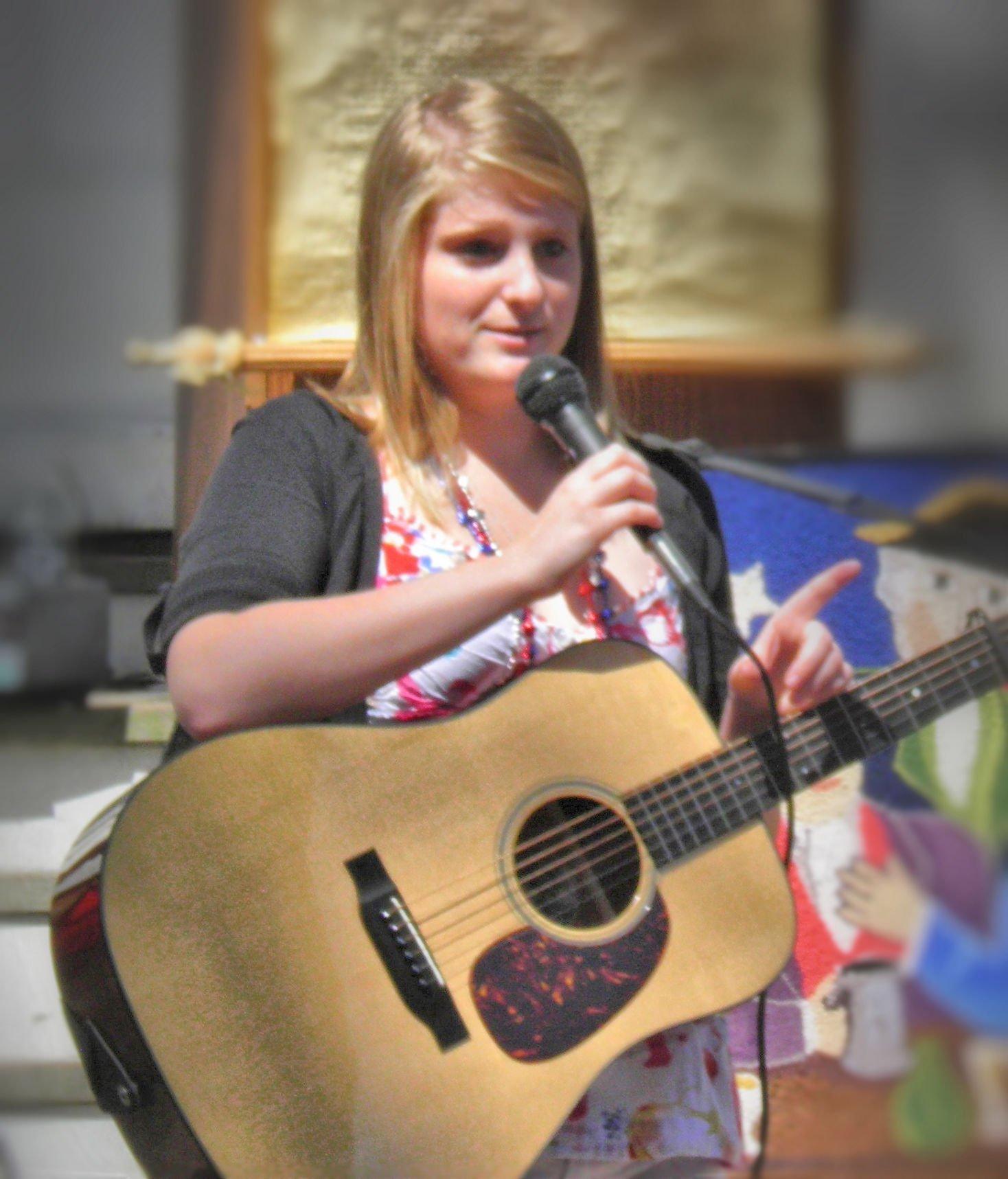
Meghan Trainor.

Singer-songwriter · Television personality

Meghan Trainor did not break through as a vague pop celebrity. She arrived with a hook, a thesis, and a retro sound distinctive enough to be rejected as not "synth-y, pop-y" enough before becoming a global number-one career and a durable television presence.

OBJECTIVE PERSONALITY CLASSIFICATIONMF-Fe/Ni-BP/S(C)What does this mean?
PERSONALITY SYSTEMObjective Personality
LEAD FUNCTIONFe · Extroverted Feeling
SECOND SAVIOR FUNCTIONNi · Introverted Intuition
MBTI EQUIVALENTENFJ
01 / BEHIND THE CLASSIFICATION

The personality behind the fame.

How does a recorded OPS classification like MF-Fe/Ni-BP/S(C) break down? Walk through nine coins and watch the proposed type take shape. These are deductions from the archived code, not independent evidence of typing accuracy.

Scroll below to see Meghan Trainor take shape.

STARTING POINT512 possible OPS typesEach type combines core functions, an animal order, and sexual modalities.
THE FINISH LINEMF-Fe/Ni-BP/S(C)One recorded classification, decoded from its components.
Meghan Trainor’s HUMAN NEEDS 01—03
01
DECIDER OR OBSERVER?

Decider over Observer

Deciders have more balanced Observer poles in the middle: Control (Oi) and Chaos (Oe). Organizing what's known and handling what's new tend to feel more manageable. People are the harder territory. Self (Di) and Tribe (De) sit at the extremes, so judgment, rejection, approval, and conflict can trigger the strongest reactions.

Meghan Trainor’s public story keeps circling people problems more than chaos problems. “All About That Bass” and “Dear Future Husband” were not just chart events; they triggered arguments about feminism, body image, and how she was talking to other women. Even her replies stayed relational—explaining what she meant, not merely tweaking production details. That Decider pressure can be a strength: she keeps creating under scrutiny and can stay engaged with an audience. The growth cost is letting public judgment become the battlefield, so every hit arrives carrying someone else’s verdict about who she is.

D
02
SELF OR TRIBE?

De · Tribe over Di · Self

Tribe (De) is the stronger deciding pole. They check decisions against people, shared standards, and what works for the group: what do we need, what will others think? The strength is coordination and responsiveness; the recurring friction is the Self (Di)—knowing and defending their own position. As the portrait unfolds, notice how Tribe takes the lead.

Fe puts Tribe standards first. Trainor’s work is built for other people to join: church singing with her father, family-band bar gigs, songwriting-for-hire in Nashville, talent-show judging, a duet with Jimmy Fallon, and even “Mom” built around her mother’s voice. The strength is obvious—she can package a feeling so the room knows where to go together. The blind spot is outsourcing the standard. When critics called songs anti-feminist or exclusionary, the argument was not only about craft; it hit the shared values she had already handed to the crowd.

De
03
GATHER OR ORGANIZE?

Oi · Organize over Oe · Gather

Organize (Oi) leads with refining, preserving, and structuring what is already known. Its strength is preparation and clear direction; the recurring friction is unexpected change that disrupts the plan. Another layer of the personality portrait comes into focus.

Organize over Gather shows up in how consistently Trainor returns to a defined lane instead of treating pop as an endless costume rack. She built her breakout on 1950s doo-wop textures, then kept revisiting retro framing on Title, Takin’ It Back, and Timeless even while blending in current trends. That Oi strength gives her brand instant recognizability; a Meghan Trainor single usually announces its thesis fast. The cost is rigidity. When labels first rejected “All About That Bass” for not being “synth-y, pop-y” enough, the same fixed vision that made it memorable also made it harder to sell at first.

Oi
FIRST THREE COINSD + De + Oi

These establish the preferred human needs in the OPS framework.

Meghan Trainor’s FUNCTIONS 04—05
04
FEELING OR THINKING?

Feeling · F over Thinking · T

Feeling (F) evaluates decisions through values, meaning, and what matters—not simply through emotion. Its strength is a clear sense of significance; Thinking (T) provides balance through impersonal reasons, consistency, and evidence. Combined with Tribe (De), this forms the recorded Savior Fe.

Fe is not just being pleasant; it is reading and steering the emotional terms of a group. Trainor’s catalog keeps reaching for shared reassurance—body image on “All About That Bass,” relational expectations on “Dear Future Husband,” maternal warmth on “Mom,” empowerment across much of her writing. That is a real strength when you want a chorus to feel communal instead of private. The void is that public values talk invites public values fights. A song intended as affirming can still sound patronizing, narrow, or outdated once millions of other people bring their own standards to it.

F → Fe
05
SENSING OR INTUITION?

Intuition · N over Sensing · S

Intuition (N) focuses on concepts, patterns, and what information might mean. Sensing (S) balances it through observable facts, physical detail, and direct experience. Combined with Organize (Oi), this gives the recorded Savior Ni.

Ni gives Trainor a knack for narrowing many influences into one clean, sellable idea. She does not merely reference retro pop; she tends to build an entire era-flavored concept around a central statement, then drive it hard—from the thesis title “All About That Bass” to the deliberate throwback branding of Takin’ It Back. The advantage is focus: audiences can grasp the point quickly. The tradeoff is compression. A sharp concept can outrun nuance, leaving less room for messier details that would complicate the slogan but protect it from easy backlash.

N → Ni
THE TWO SAVIOR FUNCTIONSFe / Ni

Opposing functions: Ti and Se.

Meghan Trainor’s ANIMAL STACK 06—07
06
CONSUME OR BLAST?

Blast over Consume

Consume gathers information for internal processing; Blast organizes and communicates information. The recorded order is Blast → Play → Sleep → Consume. This comparison follows their positions in that stack.

Blast comes before Consume here, and her career makes that easy to see. Trainor was already writing and producing at home, but her major-label breakthrough happened when she performed “All About That Bass” for Epic’s Paul Pontius and then for L.A. Reid, who signed her within 20 minutes. Later she kept extending that outward channel—tours, judging shows, a podcast, a book. The strength of Blast is turning material into a clear message fast. The cost is that a catchy conclusion can hit the world before extra research, nuance, or revision has had much chance to catch up.

B > C
07
PLAY OR SLEEP?

Play over Sleep

Play emphasizes external real-time engagement; Sleep emphasizes internal processing. The recorded stack places Play earlier.

With Blast already ahead of Consume, Play arriving before Sleep adds another layer: her career keeps moving through live exchange. Collaborations with Charlie Puth, Nicki Minaj, T-Pain, Jimmy Fallon, and numerous writing clients, plus judging roles on The Four, The Voice UK, and Australian Idol, all reward quick engagement with other people in real time. That keeps momentum high and opportunities circulating. The cost is that private recalibration can come later. Her 2015 vocal-cord hemorrhage and canceled tour did not prove a personality pattern, but they made the price of nonstop output painfully concrete.

P > S
Meghan Trainor’s ANIMAL ORIENTATION 08—09
08
INFO OR ENERGY DOMINANT?

Energy over Info

Energy dominant means Play and Sleep are both in the top three: there is access to expending energy through engagement and conserving it through internal processing. Consume last leaves the information side uneven—Blast may broadcast more than gets taken in.

Because Sleep and Play both sit in the top three, this is an Energy pattern: Trainor can toggle between outward collaboration and enough private regrouping to stay creatively productive. You can see that balance in the stretch from albums to TV judging to podcasting to writing Dear Future Mama without disappearing from public view. The missing piece is last Consume. She can keep broadcasting, collaborating, and processing what she already knows while fresh intake lags behind. The growth cost is subtle: not burnout alone, but repeating a successful message before sitting long enough with new information to sharpen or revise it.

Energy
09
INTROVERSION OR EXTROVERSION?

Extroversion over Introversion

The last animal, Consume, determines this OPS coin: Play or Blast last means Introversion; Consume or Sleep last means Extroversion. This describes animal orientation, not sociability or shyness.

Last Consume also makes this OPS Extroversion, which has little to do with whether she seems bubbly on camera. The real tell is orientation: Trainor’s stack is quicker to engage, perform, explain, and rally than to keep quietly taking in more data for its own sake. A teenager recording albums in a home studio became an artist who pitched rooms, led tours, judged contestants, and kept putting new slogans into public circulation. The blind spot is not being too social. It is moving to the next outward answer before the slower work of fresh intake has fully updated the message.

E
Sexual Modalities

The four sexual modalities.

OPS uses masculine/feminine sensory and extroverted-deciding distinctions as framework-specific terms, not gender categories. The four modalities are already included in the original 512 types. The recorded modality is MF · Audio.

MM KinestheticMasculine Sensory · Masculine De
MF RECORDED MODALITYAudioMasculine Sensory · Feminine De
FF TesterFeminine Sensory · Feminine De
FM VisualFeminine Sensory · Masculine De
COMPLETE RECORDED OPS TYPE · MODALITY INCLUDEDMF-Fe/Ni-BP/S(C)

Fe leads, Ni supports, and the animal stack is Blast → Play → Sleep → Consume.

THE FINISHED PORTRAIT · ALL NINE COINS REVEALED

Meghan Trainor's complete function and animal stack

BlastPlaySleepConsumefFefNimSemTi
MF-Fe/Ni-BP/S(C)DOUBLE ACTIVATED · BLASTExplore the Interactive Coin Builder →
THE MEGHAN TRAINOR LENS

The hook lands before the caveat.

When Meghan Trainor burst through with “All About That Bass,” the public image was bold, cheeky, and instantly quotable. The fuller picture is more workmanlike: a kid singing in church, playing in a family cover band, cutting songs in GarageBand, and writing for other artists long before the viral slogan looked inevitable.

Her Fe/Ni pairing gives her a commercial superpower. Fe can hear what a crowd might want to sing together, and Ni can compress that into one memorable thesis, which is why her biggest records announce themselves so quickly. The limit is the same compression: a clear message can flatten complexity and invite arguments she did not fully account for.

As a Decider and Double Observer, Trainor’s pressure point is people—approval, criticism, belonging, significance—more than sheer uncertainty about life circumstances. That pairing often creates an imbalance around relational needs: how to keep the room with you without handing the room total authority. The neglected function opposite her lead savior is Ti, the colder internal logic that asks whether the message still holds when the applause and pushback are stripped away.

Blast → Play → Sleep → Consume fits the public pattern: declare the point, work the room, then process, with fresh intake last. The risk is not being too extroverted in a social sense; it is speaking from a familiar thesis before new information has had time to complicate it. Keep the big hooks, but build in deliberate research-and-listening time before the next anthem hardens into a slogan.

Want to understand the Savior and Demon states behind these nine coins? Explore the complete explanation, visual examples, and typing principles on our Methodology page →

02 / KEEP EXPLORING

Different faces. Familiar patterns.

Explore other celebrities with related recorded OPS classifications. Related functions are not necessarily exact type matches.

Discover Type Twins
YOUR TURN

Curious about your own type?

Discover how your own personality might be classified through Objective Personality.

Get objectively typed
Meghan Trainor's Personality Type & OPS Profile | The Personality Atlas