
The Personality Atlas
THE CELEBRITY PERSONALITY ARCHIVE / FILM & MUSIC

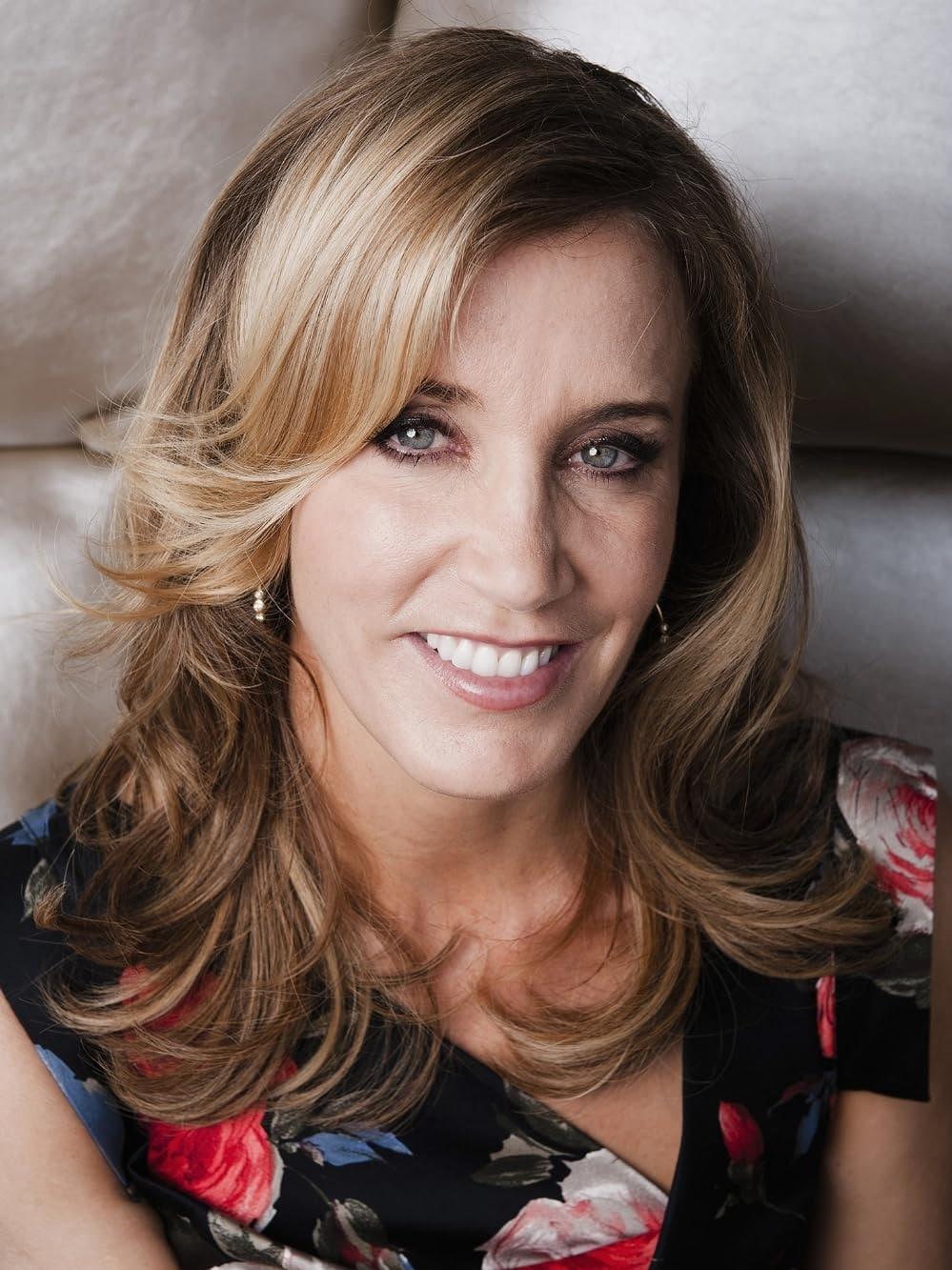
Mary Steenburgen.

Actor · Singer-Songwriter · Humanitarian

Mary Steenburgen’s career has the shape of a classic Hollywood discovery story with a stranger second act: spotted by Jack Nicholson, winning an Oscar by her third film, then spending decades making mothers, romantics and scene-stealers feel sharply alive before emerging again as an award-winning songwriter. The public impression is warm and versatile, but the throughline is more concrete than vague charm. She keeps finding what is here, what works now, and how to turn changing circumstances into something usable on screen, onstage or in a song.

OBJECTIVE PERSONALITY CLASSIFICATIONFM-Se/Fi-CS/B(P)What does this mean?
PERSONALITY SYSTEMObjective Personality
LEAD FUNCTIONSe · Extroverted Sensing
SECOND SAVIOR FUNCTIONFi · Introverted Feeling
MBTI EQUIVALENTESFP
01 / BEHIND THE CLASSIFICATION

The personality behind the fame.

How does a recorded OPS classification like FM-Se/Fi-CS/B(P) break down? Walk through nine coins and watch the proposed type take shape. These are deductions from the archived code, not independent evidence of typing accuracy.

Scroll below to see Mary Steenburgen take shape.

STARTING POINT512 possible OPS typesEach type combines core functions, an animal order, and sexual modalities.
THE FINISH LINEFM-Se/Fi-CS/B(P)One recorded classification, decoded from its components.
Mary Steenburgen’s HUMAN NEEDS 01—03
01
DECIDER OR OBSERVER?

Observer over Decider

Observers have more balanced Decider poles in the middle: Self (Di) and Tribe (De). Their own perspective and other people's perspectives tend to be easier to navigate. Things are the harder territory. Control (Oi) and Chaos (Oe) sit at the extremes, so disrupted plans, uncertainty, and a changing world can trigger the strongest reactions.

Steenburgen’s story keeps turning on circumstances that changed faster than any personal branding plan. She left Arkansas for drama school in New York, was discovered in Paramount’s reception room by Jack Nicholson, then won an Oscar in her third film with Melvin and Howard. Later, a 2007 surgery unexpectedly opened a songwriting life she had not been known for before. That pattern fits Observer friction: the challenge is not mainly other people’s approval, but reality’s sudden openings and detours. Her strength is adaptability. The growth cost is eventually choosing direction instead of waiting for the next condition to reveal it.
O
02
SELF OR TRIBE?

Di · Self over De · Tribe

Self (Di) is the stronger deciding pole. They check decisions against their own values or reasons first: what makes sense to me, what feels right to me? The strength is independent conviction; the recurring friction is the Tribe (De)—other people's standards, feedback, and expectations. As the portrait unfolds, notice how Self takes the lead.

After surgery, Steenburgen said she began hearing music in her head constantly and took lessons so she could write down what she was hearing. That is a useful public example of Self over Tribe: she trusted an internal standard strongly enough to build a new craft around it, eventually earning dozens of songwriting credits and a Universal publishing deal. The advantage is ownership; the work does not feel assembled by committee. The blind spot is that private certainty can outrun outside translation. A conviction may be real and fruitful while still needing clearer explanation for collaborators and audiences.

Di
03
GATHER OR ORGANIZE?

Oe · Gather over Oi · Organize

Gather (Oe) leads with new information, experiences, and possibilities. Its strength is curiosity and adaptability; the recurring friction is narrowing the options and settling into what is already known. Another layer of the personality portrait comes into focus.

Look at the spread of her career: Western comedy in Goin’ South, time-travel romance in Time After Time, Oscar drama, sitcom mothers, political convention speaker, recurring television player, then late-blooming songwriter. Gather over Organize fits that range better than a narrowly managed brand. Another role, another medium, another collaboration can become the next opening rather than a threat to consistency. The strength is versatility that stays alive across decades. The cost is selectivity. A person can keep answering interesting invitations and still postpone the harder edit: which lane deserves the clearest long-term commitment now.

Oe
FIRST THREE COINSO + Di + Oe

These establish the preferred human needs in the OPS framework.

Mary Steenburgen’s FUNCTIONS 04—05
04
FEELING OR THINKING?

Feeling · F over Thinking · T

Feeling (F) evaluates decisions through values, meaning, and what matters—not simply through emotion. Its strength is a clear sense of significance; Thinking (T) provides balance through impersonal reasons, consistency, and evidence. Combined with Self (Di), this forms the recorded Savior Fi.

Steenburgen’s public record shows values choices that look more Fi than crowd management. She co-founded Artists for a Free South Africa, backed Hillary Clinton’s 2008 campaign, spoke at the 2016 Democratic National Convention, and has stayed involved in human-rights and environmental causes. Feeling here is not softness or sentimentality; it is judgment through personal conviction and meaning. That gives her work and public voice an internal backbone. The blind spot is familiar: a deeply held value can feel complete from the inside while leaving practical questions about persuasion, evidence, or broader buy-in less fully addressed.

F → Fi
05
SENSING OR INTUITION?

Sensing · S over Intuition · N

Sensing (S) focuses on concrete details, observable reality, and lived experience. Intuition (N) balances it by looking for broader patterns, concepts, and implications. Combined with Gather (Oe), this gives the recorded Savior Se.

Her recorded Se shows up in how tangible her public work stays. Clara Clayton in Back to the Future Part III, the mother in Elf, the comic authority figure in Step Brothers, the lounge singer in Last Vegas—these are remembered through presence, timing, voice, and physical immediacy, not just abstract intention. Even her songwriting origin story begins with something concrete: music sounding present enough that she had to learn how to capture it. Sensing makes experience usable now. Its cost is that the vivid immediate opportunity can crowd out the slower work of narrowing what all those moments are building toward.

S → Se
THE TWO SAVIOR FUNCTIONSSe / Fi

Opposing functions: Ni and Te.

Mary Steenburgen’s ANIMAL STACK 06—07
06
CONSUME OR BLAST?

Consume over Blast

Consume gathers information for internal processing; Blast organizes and communicates information. The recorded order is Consume → Sleep → Blast → Play. This comparison follows their positions in that stack.

Consume comes before Blast in her recorded pattern, and Steenburgen’s career gives that order plenty to work with. She studied at the Neighborhood Playhouse, worked day jobs while training, kept gathering experience across film and television, then later learned enough music theory and craft to capture the songs arriving in her head. The strength of Consume is having real material to draw from instead of bluffing depth. The blind spot is postponement. More study, more absorption, another role, another lesson can all enrich the work while delaying the simpler task of stating plainly what she wants to say.

C > B
07
PLAY OR SLEEP?

Sleep over Play

Play emphasizes external real-time engagement; Sleep emphasizes internal processing. The recorded stack places Sleep earlier.

Sleep comes earlier than Play here, and her songwriting chapter makes that sequence unusually visible. Steenburgen did not just hear melodies and immediately turn them into a public persona; she took lessons, built craft, accumulated credits, and then let that private processing become visible in work like Wild Rose and her own performance in Last Vegas. The strength of Sleep over Play is a centered output that has been lived with first. The cost is timing. If the material has to feel internally settled before it enters the room, spontaneous collaboration can arrive later than it ideally should.

S > P
Mary Steenburgen’s ANIMAL ORIENTATION 08—09
08
INFO OR ENERGY DOMINANT?

Info over Energy

Info dominant means Consume and Blast are both in the top three: gathering and communicating information are more balanced. Play last leaves the energy side uneven—Sleep can conserve energy without enough spontaneous outward engagement.

This is an Info-dominant stack, which fits a career built on taking in material and then delivering something polished back out. Steenburgen absorbs craft, roles, songs and causes, then can turn them into performances, public advocacy or even a guest lecture at the Clinton School of Public Service. Consume and Blast both land in the top three, so information moves from intake to communication with some structure. The missing pressure point is Play. The blind spot is not lack of warmth; it is that unscripted back-and-forth may be less natural than a message shaped after reflection.

Info
09
INTROVERSION OR EXTROVERSION?

Introversion over Extroversion

The last animal, Play, determines this OPS coin: Play or Blast last means Introversion; Consume or Sleep last means Extroversion. This describes animal orientation, not sociability or shyness.

Her recorded Introversion comes from Play landing last, not from a lack of public visibility. Steenburgen has spent decades in ensemble casts, comedy films, conventions, interviews and collaborative industries, so the point is not shyness. The point is sequence. In OPS terms, spontaneous outer engagement is the least preferred part of the system, arriving after gathering, private processing and delivery. That can make her seem effortlessly social while still preferring a more internally settled path to expression. The growth edge is letting some real-time exchange happen before the work is fully resolved, not after every conclusion has hardened.

I
Sexual Modalities

The four sexual modalities.

OPS uses masculine/feminine sensory and extroverted-deciding distinctions as framework-specific terms, not gender categories. The four modalities are already included in the original 512 types. The recorded modality is FM · Visual.

MM KinestheticMasculine Sensory · Masculine De
MF AudioMasculine Sensory · Feminine De
FF TesterFeminine Sensory · Feminine De
FM RECORDED MODALITYVisualFeminine Sensory · Masculine De
COMPLETE RECORDED OPS TYPE · MODALITY INCLUDEDFM-Se/Fi-CS/B(P)

Se leads, Fi supports, and the animal stack is Consume → Sleep → Blast → Play.

THE FINISHED PORTRAIT · ALL NINE COINS REVEALED

Mary Steenburgen's complete function and animal stack

ConsumeSleepBlastPlayfSefFimTemNi
FM-Se/Fi-CS/B(P)DOUBLE ACTIVATED · SLEEPExplore the Interactive Coin Builder →
THE MARY STEENBURGEN LENS

The second act was hiding in plain sight.

Steenburgen’s career looks almost mythic from the outside: discovered by Jack Nicholson in Paramount’s reception room, winning an Oscar by her third film, then decades later turning a post-surgery flood of melodies into a songwriting career. Behind the warmth and versatility is someone unusually responsive to changing reality, not just coasting on charm.

Her Se/Fi pairing helps explain why she can make roles and songs feel immediate without feeling generic. Se grabs the texture of the moment; Fi gives it a personal standard worth standing behind. That is a real strength in performances, activism and songwriting. The limit is that vivid conviction still needs narrowing and translation for other people.

As an Observer and Double Decider, Steenburgen is more likely to get hung up on shifting circumstances than on endless people drama alone. The imbalance sits in managing reality, control and uncertainty, while relationships can be flexed around more easily. Her neglected function is Ni, the opposite of lead Se: the slower narrowing lens asking what all these vivid moments add up to.

Consume → Sleep → Blast → Play shows a woman who gathers first, processes privately, then explains, with spontaneous back-and-forth left for last. That last-Play imbalance is not about being unsociable; it is about real-time exchange arriving late. A strong balance move would be keeping her range while bringing one unfinished idea into an early co-write, rehearsal, or exploratory conversation.

Want to understand the Savior and Demon states behind these nine coins? Explore the complete explanation, visual examples, and typing principles on our Methodology page →

02 / KEEP EXPLORING

Different faces. Familiar patterns.

Explore other celebrities with related recorded OPS classifications. Related functions are not necessarily exact type matches.

Discover Type Twins
YOUR TURN

Curious about your own type?

Discover how your own personality might be classified through Objective Personality.

Get objectively typed
Mary Steenburgen's Personality Type & OPS Profile | The Personality Atlas