The Personality Atlas
THE CELEBRITY PERSONALITY ARCHIVE / FILM · STAGE

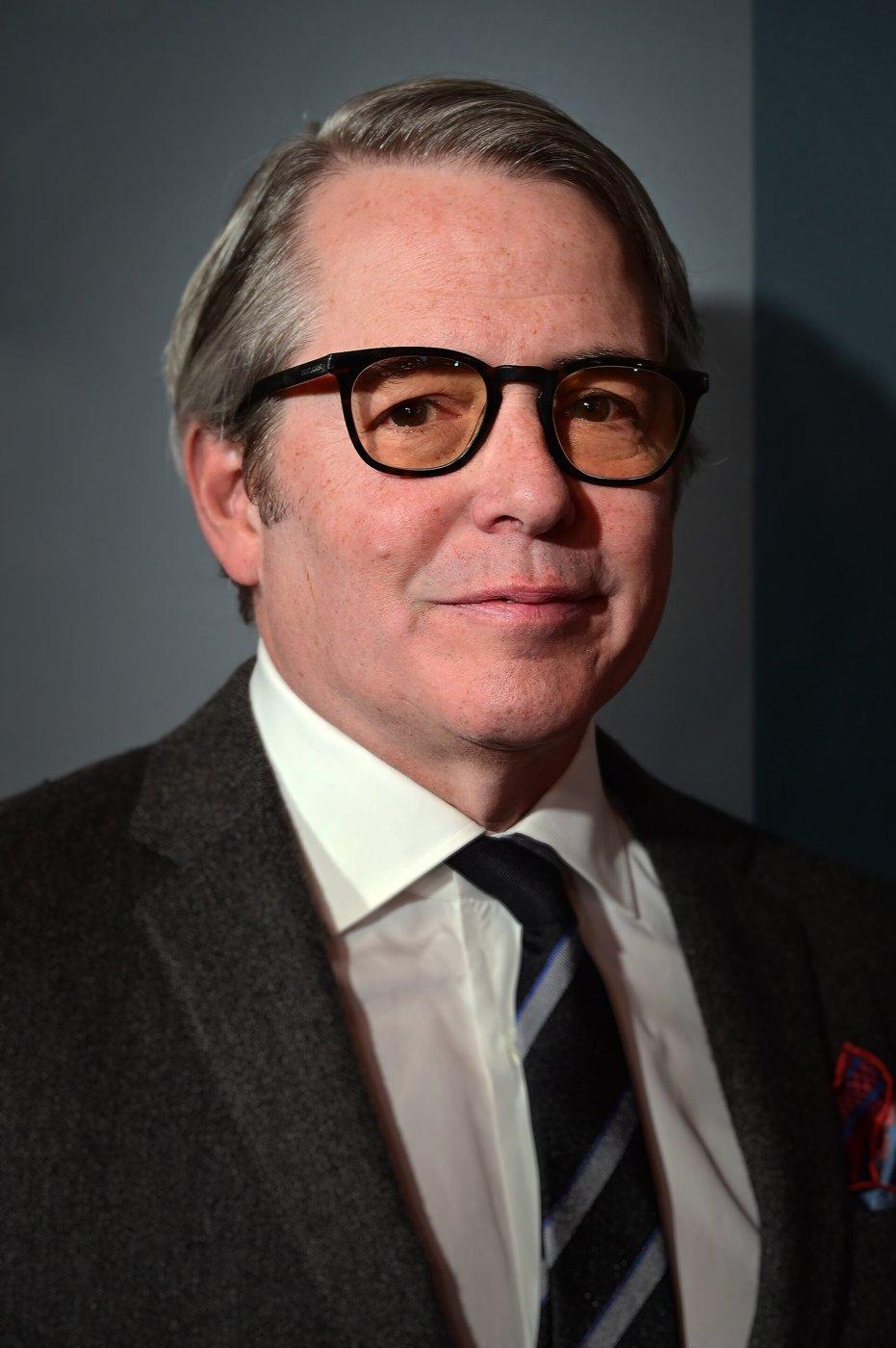
Liev Schreiber.

Actor · Director · Narrator

Liev Schreiber built one of those careers other actors envy: Tony-winning Broadway authority, a gravel-voiced narrator on documentaries and Hard Knocks, a shape-shifting screen presence from Scream and Spotlight to seven seasons of Ray Donovan, plus visible humanitarian work in Ukraine. The through-line is not flash but weight—he tends to arrive sounding as if he already decided what matters.

OBJECTIVE PERSONALITY CLASSIFICATIONMF-Fi/Ni-SC/P(B)What does this mean?
PERSONALITY SYSTEMObjective Personality
LEAD FUNCTIONFi · Introverted Feeling
SECOND SAVIOR FUNCTIONNi · Introverted Intuition
MBTI EQUIVALENTISFP
01 / BEHIND THE CLASSIFICATION

The personality behind the fame.

How does a recorded OPS classification like MF-Fi/Ni-SC/P(B) break down? Walk through nine coins and watch the proposed type take shape. These are deductions from the archived code, not independent evidence of typing accuracy.

Scroll below to see Liev Schreiber take shape.

STARTING POINT512 possible OPS typesEach type combines core functions, an animal order, and sexual modalities.
THE FINISH LINEMF-Fi/Ni-SC/P(B)One recorded classification, decoded from its components.
Liev Schreiber’s HUMAN NEEDS 01—03
01
DECIDER OR OBSERVER?

Decider over Observer

Deciders have more balanced Observer poles in the middle: Control (Oi) and Chaos (Oe). Organizing what's known and handling what's new tend to feel more manageable. People are the harder territory. Self (Di) and Tribe (De) sit at the extremes, so judgment, rejection, approval, and conflict can trigger the strongest reactions.

Schreiber’s public image is built on high-stakes human pressure: the fixer in Ray Donovan, Richard Roma in Glengarry Glen Ross, Barry Champlain in Talk Radio, Father Flynn in Doubt. Even when the setting changes, the drama often turns on credibility, accusation, leverage and loyalty. That is Decider terrain—less about mastering chaos in the environment than about navigating what people mean to one another and where a person stands. The strength is making interpersonal tension feel precise and dangerous. The blind spot is giving relationship stakes so much weight that simpler practical adjustments can arrive late.

D
02
SELF OR TRIBE?

Di · Self over De · Tribe

Self (Di) is the stronger deciding pole. They check decisions against their own values or reasons first: what makes sense to me, what feels right to me? The strength is independent conviction; the recurring friction is the Tribe (De)—other people's standards, feedback, and expectations. As the portrait unfolds, notice how Self takes the lead.

When Schreiber said he abandoned a screenplay about his grandfather after feeling Jonathan Safran Foer had already done it better, the revealing part was not indecision but an inner bar. The same streak shows up in later moves: writing and directing Everything Is Illuminated, co-writing Ray Donovan: The Movie, and taking work across stage, film and narration without needing one prestige lane to validate the rest. Self over Tribe can protect a career from chasing every outside consensus. The cost is that a private standard can become so decisive that other people’s buy-in or alternate priorities enter the conversation later.

Di
03
GATHER OR ORGANIZE?

Oi · Organize over Oe · Gather

Organize (Oi) leads with refining, preserving, and structuring what is already known. Its strength is preparation and clear direction; the recurring friction is unexpected change that disrupts the plan. Another layer of the personality portrait comes into focus.

His career keeps returning to durable structures: Yale training, Shakespeare, Broadway revivals, historical figures, long-running narration gigs, and a seven-season television role he later helped conclude with a film. Organize over Gather favors building from settled frameworks rather than constantly reinventing identity from scratch. Schreiber often looks strongest when he can inhabit a defined world and give it shape from the inside. The tradeoff is obvious in a career this broad: once a direction feels coherent, newer options or messier detours have to fight harder for room. Stability clarifies craft; it can also narrow experimentation.

Oi
FIRST THREE COINSD + Di + Oi

These establish the preferred human needs in the OPS framework.

Liev Schreiber’s FUNCTIONS 04—05
04
FEELING OR THINKING?

Feeling · F over Thinking · T

Feeling (F) evaluates decisions through values, meaning, and what matters—not simply through emotion. Its strength is a clear sense of significance; Thinking (T) provides balance through impersonal reasons, consistency, and evidence. Combined with Self (Di), this forms the recorded Savior Fi.

A small but telling public example came when Schreiber said he took the villain role in My Little Pony: The Movie because he wanted something more child-friendly for his children to watch. That is Fi in plain sight: a personal value setting the standard for a work decision. The same value-centered quality appears in how he later spoke about understanding his mother’s choices differently after becoming a parent himself. Fi gives his public life a steady inner ownership. The blind spot is that a choice can be deeply right to him and still require more explanation to land with everybody else.

F → Fi
05
SENSING OR INTUITION?

Intuition · N over Sensing · S

Intuition (N) focuses on concepts, patterns, and what information might mean. Sensing (S) balances it through observable facts, physical detail, and direct experience. Combined with Organize (Oi), this gives the recorded Savior Ni.

Critics kept reaching for language like essence, depth and swiftness of mind when describing Schreiber’s Orson Welles, Hamlet and Henry V. That pattern fits Ni more than a mere love of costumes or period pieces. Ni compresses sprawling material into one governing interpretation, which helps explain why he can make large, verbal characters feel unified instead of over-decorated. The strength is decisive coherence: he finds the through-line and commits. The cost is that a powerful singular read can leave less room for stray detail, alternate emphasis or a looser, more exploratory process.

N → Ni
THE TWO SAVIOR FUNCTIONSFi / Ni

Opposing functions: Te and Se. This is a jumper classification.

Liev Schreiber’s ANIMAL STACK 06—07
06
PLAY OR SLEEP?

Sleep over Play

Play emphasizes external real-time engagement; Sleep emphasizes internal processing. The recorded stack places Sleep earlier.

For a man associated with forceful public roles, Schreiber’s work often feels built from prior consolidation rather than immediate sparring. Years of training at Hampshire, Yale and RADA, followed by the exacting demands of Shakespeare and Broadway, point to Sleep arriving earlier than Play. The strength is concentration: performances come in with weight already attached, as if the role has been turned over privately before it reaches the audience. The growth cost is timing. When Sleep leads over Play, real-time interaction can meet a finished internal draft instead of an open sketch, which may limit surprise or quick recalibration.

S > P
07
CONSUME OR BLAST?

Consume over Blast

Consume gathers information for internal processing; Blast organizes and communicates information. The recorded order is Sleep → Consume → Play → Blast. This comparison follows their positions in that stack.

Schreiber’s long record as a documentary narrator, literary adaptor and actor-writer on Ray Donovan suggests that taking in material often comes before issuing the clean headline. Consume earlier than Blast gives him a stocked reservoir: voices, texts, historical figures and tonal worlds are absorbed before they are delivered. That is a real strength for an actor who can move from Scream to Spotlight to Otto Frank without feeling empty. The shadow is communication lag. The work may be rich, but the blunt thesis—what exactly everyone should take from it—can stay less explicit than the preparation behind it.

C > B
Liev Schreiber’s ANIMAL ORIENTATION 08—09
08
INFO OR ENERGY DOMINANT?

Energy over Info

Energy dominant means Play and Sleep are both in the top three: there is access to expending energy through engagement and conserving it through internal processing. Blast last leaves the information side uneven—Consume may gather far more than gets communicated.

With Sleep and Play both in the top three, Schreiber lands on the Energy side of the spectrum. His public life makes that believable: he can sustain the private preparation of stage craft and then turn outward for ensemble work, long shoots, narration, producing and visible philanthropy in Ukraine. The missing balance is Blast last. He does not naturally lead with the simplified package, the slogan or the repeated executive summary. The strength is depth without constant self-advertising. The blind spot is that collaborators and audiences may have to infer the through-line he could have stated sooner.

Energy
09
INTROVERSION OR EXTROVERSION?

Introversion over Extroversion

The last animal, Blast, determines this OPS coin: Play or Blast last means Introversion; Consume or Sleep last means Extroversion. This describes animal orientation, not sociability or shyness.

Schreiber’s OPS Introversion does not conflict with starring in Ray Donovan, voicing Hard Knocks, or traveling publicly as a United24 ambassador. In this system, Introversion comes from Blast landing last after Sleep, Consume and Play, not from looking unsocial. The pattern suggests that outwardly formalizing conclusions is the late step, even in a public career. That restraint can make him seem more substantial than self-promotional. The cost is practical: people may admire the work yet still wait for the clearer statement of purpose, priorities or direction that would make collaboration easier.

I
Sexual Modalities

The four sexual modalities.

OPS uses masculine/feminine sensory and extroverted-deciding distinctions as framework-specific terms, not gender categories. The four modalities are already included in the original 512 types. The recorded modality is MF · Audio.

MM KinestheticMasculine Sensory · Masculine De
MF RECORDED MODALITYAudioMasculine Sensory · Feminine De
FF TesterFeminine Sensory · Feminine De
FM VisualFeminine Sensory · Masculine De
COMPLETE RECORDED OPS TYPE · MODALITY INCLUDEDMF-Fi/Ni-SC/P(B)

Fi leads, Ni supports, and the animal stack is Sleep → Consume → Play → Blast.

THE FINISHED PORTRAIT · ALL NINE COINS REVEALED

Liev Schreiber's complete function and animal stack

SleepConsumePlayBlastmFimSefNifTe
MF-Fi/Ni-SC/P(B)DOUBLE ACTIVATED · CONSUMEExplore the Interactive Coin Builder →
THE LIEV SCHREIBER LENS

The steel is only half the picture.

Ray Donovan and the Hard Knocks narration can make Schreiber seem like pure authority: gravel voice, hard stare, fixer energy. But the public record behind that impression is more literary and deliberate—Yale drama training, Shakespeare acclaim, a directorial debut, and repeated returns to dense, language-driven material that reward patience more than swagger.

His Fi and Ni saviors give him a particular strength: he can lock a personal standard onto a distilled interpretation and make a character feel internally authored, whether it is Orson Welles, Macbeth or Ray Donovan. The limit is that once the inner read clicks, alternate framings, outside metrics, or a simpler public explanation may arrive later than the performance itself.

As a Decider and Double Observer, Schreiber’s recurring pressure centers on human needs: trust, judgment, status, loyalty, and whether his own standard lines up with everybody else’s. Because the people problem gets louder than the information problem, he can overinvest in private conviction while underfeeding Te—the tribe’s reasons, metrics, and explicit external logic. The neglected function opposite his lead savior is Te.

Sleep → Consume → Play → Blast puts outward formal explanation last. The upside is prepared, textured work that does not feel cheaply broadcast. The downside is that the thesis can stay implied while the performance is already excellent. Keep the rigor, but name the point sooner in table reads, production meetings, or public advocacy so collaborators can join the mission without guessing.

Want to understand the Savior and Demon states behind these nine coins? Explore the complete explanation, visual examples, and typing principles on our Methodology page →

02 / KEEP EXPLORING

Different faces. Familiar patterns.

Explore other celebrities with related recorded OPS classifications. Related functions are not necessarily exact type matches.

Discover Type Twins
YOUR TURN

Curious about your own type?

Discover how your own personality might be classified through Objective Personality.

Get objectively typed
Liev Schreiber's Personality Type & OPS Profile | The Personality Atlas