The Personality Atlas
THE CELEBRITY PERSONALITY ARCHIVE / FILM & BOOKS

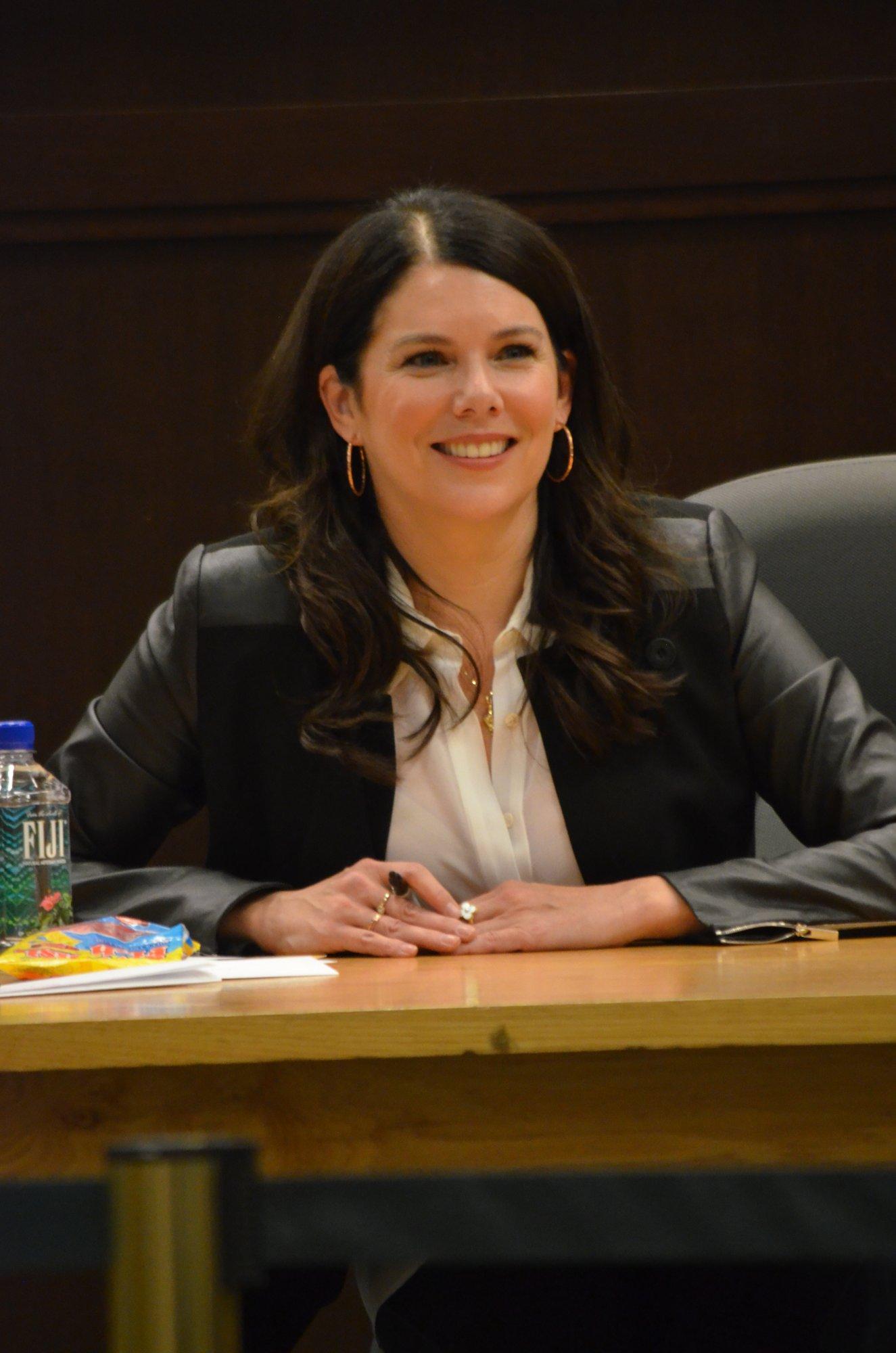
Lauren Graham.

Actor · Author · Producer

Lauren Graham built a career on velocity: the machine-gun warmth of Gilmore Girls, the looser family sprawl of Parenthood, the Broadway turn in Guys and Dolls, then a second act as a bestselling author. What looks effortless on camera is often a very practical, public-facing operator deciding which people, projects and shared visions are still worth her energy.

OBJECTIVE PERSONALITY CLASSIFICATIONFM-Te/Se-PC/B(S)What does this mean?
PERSONALITY SYSTEMObjective Personality
LEAD FUNCTIONTe · Extroverted Thinking
SECOND SAVIOR FUNCTIONSe · Extroverted Sensing
MBTI EQUIVALENTENTJ
01 / BEHIND THE CLASSIFICATION

The personality behind the fame.

How does a recorded OPS classification like FM-Te/Se-PC/B(S) break down? Walk through nine coins and watch the proposed type take shape. These are deductions from the archived code, not independent evidence of typing accuracy.

Scroll below to see Lauren Graham take shape.

STARTING POINT512 possible OPS typesEach type combines core functions, an animal order, and sexual modalities.
THE FINISH LINEFM-Te/Se-PC/B(S)One recorded classification, decoded from its components.
Lauren Graham’s HUMAN NEEDS 01—03
01
DECIDER OR OBSERVER?

Decider over Observer

Deciders have more balanced Observer poles in the middle: Control (Oi) and Chaos (Oe). Organizing what's known and handling what's new tend to feel more manageable. People are the harder territory. Self (Di) and Tribe (De) sit at the extremes, so judgment, rejection, approval, and conflict can trigger the strongest reactions.

Lauren Graham’s public career reads less like a fight with missing opportunities than a fight with people, expectations and shared direction. Before Gilmore Girls, she cycled through guest spots and four failed sitcoms; later, she publicly explained that by the end of that series she wanted to move on because she did not feel they had anything without the original creators. That is Decider pressure: who is aligned, who is not, and what a collaboration means now. The strength is resilience in human systems. The cost is spending real energy on whether the relationship around the work still makes sense.
D
02
SELF OR TRIBE?

De · Tribe over Di · Self

Tribe (De) is the stronger deciding pole. They check decisions against people, shared standards, and what works for the group: what do we need, what will others think? The strength is coordination and responsiveness; the recurring friction is the Self (Di)—knowing and defending their own position. As the portrait unfolds, notice how Tribe takes the lead.

Graham’s pattern leans toward the Tribe side of the Decider coin: a focus on what works publicly, collaboratively and for the project as a whole. You can see it in the way her career expanded beyond acting into producing on Gilmore Girls, development deals with NBC, and screenplay adaptation work for studios. She repeatedly steps into roles that require a result other people can use. That is a strength because it makes her useful in a room, not merely expressive in it. The blind spot is that personal preference can get postponed until the group situation becomes impossible to ignore.

De
03
GATHER OR ORGANIZE?

Oe · Gather over Oi · Organize

Gather (Oe) leads with new information, experiences, and possibilities. Its strength is curiosity and adaptability; the recurring friction is narrowing the options and settling into what is already known. Another layer of the personality portrait comes into focus.

Her career is unusually easy to picture through Gather energy. Graham moved from commercials and guest parts to network television, Broadway, voice acting, film, memoir, fiction and screenwriting, without treating one lane as the only legitimate version of the career. That openness helped her survive the years before a breakthrough and keep evolving after it. The advantage is adaptability: another format can become another opening. The growth cost is selectivity. A life that can plausibly do many things still has to choose which opportunity deserves the next season, book, or development cycle.

Oe
FIRST THREE COINSD + De + Oe

These establish the preferred human needs in the OPS framework.

Lauren Graham’s FUNCTIONS 04—05
04
FEELING OR THINKING?

Thinking · T over Feeling · F

Thinking (T) evaluates decisions through reasons, logic, and what works—not a lack of emotion. Its strength is analytical consistency; Feeling (F) provides balance through values, meaning, and the human consequences of a decision. Combined with Tribe (De), this forms the recorded Savior Te.

Thinking shows up in how often Graham’s public work turns on execution and communicable structure. She tutored SAT prep before her breakthrough, later served as a producer on Gilmore Girls, wrote a pilot adaptation of her novel, and completed a screenplay adaptation of The Royal We. Those are not just expressive jobs; they require making material workable for other people. That is the strength of Thinking here: turning taste into decisions, pages and plans. The blind spot is that a solution can be perfectly functional and still miss the quieter personal question of whether it is actually the one she wants to keep living with.

T → Te
05
SENSING OR INTUITION?

Sensing · S over Intuition · N

Sensing (S) focuses on concrete details, observable reality, and lived experience. Intuition (N) balances it by looking for broader patterns, concepts, and implications. Combined with Gather (Oe), this gives the recorded Savior Se.

Graham’s Sensing side is visible in how grounded her public persona remains in live, tangible performance. She rode horses competitively as a girl, earned her Equity card through summer stock, made her Broadway debut in Guys and Dolls, voiced national ad campaigns, and built a signature reputation on timing that lands in the room rather than in theory. That gives her work an immediate, physical clarity. The cost is that what is vivid and workable right now can become very persuasive. A concrete role, script or production need may crowd out the slower job of narrowing a longer-range direction.

S → Se
THE TWO SAVIOR FUNCTIONSTe / Se

Opposing functions: Fi and Ni. This is a jumper classification.

Lauren Graham’s ANIMAL STACK 06—07
06
PLAY OR SLEEP?

Play over Sleep

Play emphasizes external real-time engagement; Sleep emphasizes internal processing. The recorded stack places Play earlier.

Play comes first, and Graham’s career gives that preference plenty to do. Her breakout role depended on rapid-fire exchange, she kept returning to ensemble television, and even side appearances like Celebrity Poker Showdown or Curb Your Enthusiasm fit someone who can stay lively in motion with other people. The strength is obvious: she can generate momentum with a cast, a scene partner or a room. The blind spot sits on the Sleep side of the comparison. Constant engagement can outrun the private pause that asks whether all that movement is still adding up to a life she would choose offstage too.

P > S
07
CONSUME OR BLAST?

Consume over Blast

Consume gathers information for internal processing; Blast organizes and communicates information. The recorded order is Play → Consume → Blast → Sleep. This comparison follows their positions in that stack.

Play first does not mean pure improvisation. Graham’s second animal comes from taking in material before turning it into a fixed public directive, which fits someone with an English literature degree, a bestselling novel based on her early acting years, and essay collections built from observation and recollection. She has spoken about crying when she read the Gilmore Girls revival script because it felt beautiful and fitting; that is someone moved by what the material gives back. The strength is depth behind the performance. The cost is that Consume earlier than Blast can keep refining, reading and absorbing after a clearer final message would help.

C > B
Lauren Graham’s ANIMAL ORIENTATION 08—09
08
INFO OR ENERGY DOMINANT?

Info over Energy

Info dominant means Consume and Blast are both in the top three: gathering and communicating information are more balanced. Sleep last leaves the energy side uneven—Play can keep engagement going without enough private recovery.

Graham’s stack lands on the Info side, which fits a public life split between taking in material and packaging it for others. She has moved from actor to producer, memoirist, novelist and screenwriter, repeatedly turning experience into something shareable. That balance can be powerful: she does not just perform a part, she can help shape the language around it. The missing pressure point is internal recovery. When a career keeps rewarding output, promotion, collaboration and another adaptation, quiet consolidation is easy to treat like a luxury instead of maintenance. The growth edge is protecting reflection before burnout disguises itself as professionalism.

Info
09
INTROVERSION OR EXTROVERSION?

Extroversion over Introversion

The last animal, Sleep, determines this OPS coin: Play or Blast last means Introversion; Consume or Sleep last means Extroversion. This describes animal orientation, not sociability or shyness.

Her final coin is Extroversion in the OPS sense, and that should not be confused with whether she seems charming in interviews. The reason is structural: Sleep comes last, after Play, Consume and Blast, so outward engagement and information exchange are easier to prioritize than extended internal stillness. That helps explain a career with long runs in ensemble television, public-facing books and constant project movement. The strength is readiness to stay in circulation. The blind spot is delaying the private reset until exhaustion, disappointment or a hard ending forces it. Balance looks less like becoming quieter and more like scheduling solitude before the next yes.

E
Sexual Modalities

The four sexual modalities.

OPS uses masculine/feminine sensory and extroverted-deciding distinctions as framework-specific terms, not gender categories. The four modalities are already included in the original 512 types. The recorded modality is FM · Visual.

MM KinestheticMasculine Sensory · Masculine De
MF AudioMasculine Sensory · Feminine De
FF TesterFeminine Sensory · Feminine De
FM RECORDED MODALITYVisualFeminine Sensory · Masculine De
COMPLETE RECORDED OPS TYPE · MODALITY INCLUDEDFM-Te/Se-PC/B(S)

Te leads, Se supports, and the animal stack is Play → Consume → Blast → Sleep.

THE FINISHED PORTRAIT · ALL NINE COINS REVEALED

Lauren Graham's complete function and animal stack

PlayConsumeBlastSleepmTemNifSefFi
FM-Te/Se-PC/B(S)DOUBLE ACTIVATED · PLAYExplore the Interactive Coin Builder →
THE LAUREN GRAHAM LENS

The fast-talking operator behind the charm

When Graham returned for Gilmore Girls: A Year in the Life, she said she cried reading the script because it felt beautiful and fitting. That matters beside the public image of effortless wit. The speed and sparkle sit on top of someone tracking whether a project still has the right people behind it.

Her Te/Se pairing gives her a practical strength: deciding in public, responding to what is actually there, and helping make material usable for an audience. That serves television, producing and adaptation work well. The limit is that immediate usefulness can outrun the quieter question of what she personally wants to protect.

As a Decider and Double Observer, her core imbalance is not confusion about options but pressure around people, expectations and shared standards. That can look highly competent while still overworking the human side of every choice. The neglected function opposite her lead savior is Fi, so personal conviction can get deferred behind what seems workable for everyone.

Play → Consume → Blast → Sleep completes the pattern. She can engage quickly, gather from experience and turn it into something others can use, but Sleep last makes inner recovery easier to postpone. The balancing move is not slowing her mind down; it is scheduling protected off-camera time before the next series or book says yes for her.

Want to understand the Savior and Demon states behind these nine coins? Explore the complete explanation, visual examples, and typing principles on our Methodology page →

02 / KEEP EXPLORING

Different faces. Familiar patterns.

Explore other celebrities with related recorded OPS classifications. Related functions are not necessarily exact type matches.

Discover Type Twins
YOUR TURN

Curious about your own type?

Discover how your own personality might be classified through Objective Personality.

Get objectively typed
Lauren Graham's Personality Type & OPS Profile | The Personality Atlas