The Personality Atlas
THE CELEBRITY PERSONALITY ARCHIVE / MEDIA COMMENTARY

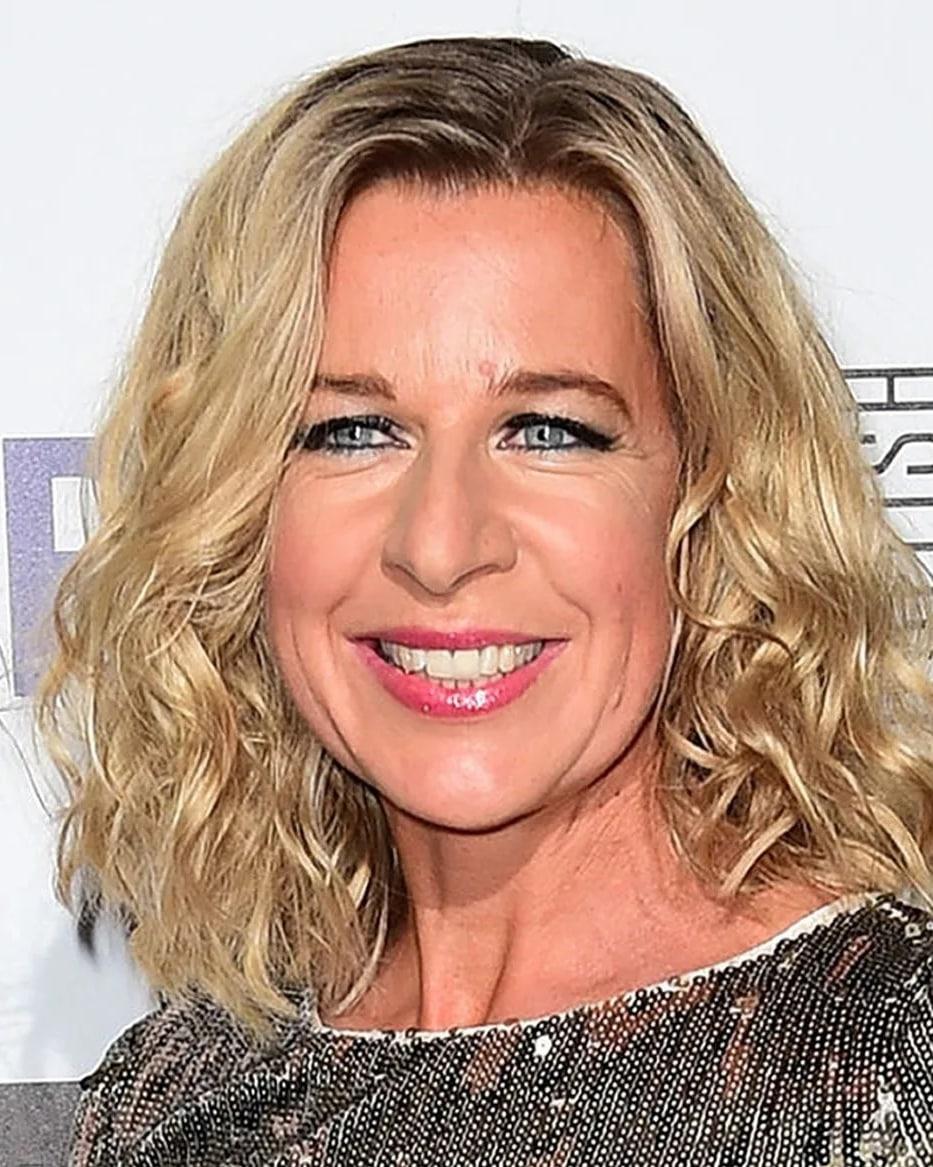
Kate Hopkins.

Media personality · columnist · commentator

Katie Hopkins turned a late-2000s reality-TV breakout into a career spanning columns, panel shows, radio and political commentary. The persona was never subtle: blunt, combative and eager to impose a verdict, whether on The Apprentice, LBC, Question Time or her own short-lived talk show.

OBJECTIVE PERSONALITY CLASSIFICATIONFM-Te/Ni-BP/S(C)What does this mean?
PERSONALITY SYSTEMObjective Personality
LEAD FUNCTIONTe · Extroverted Thinking
SECOND SAVIOR FUNCTIONNi · Introverted Intuition
MBTI EQUIVALENTENTJ
01 / BEHIND THE CLASSIFICATION

The personality behind the fame.

How does a recorded OPS classification like FM-Te/Ni-BP/S(C) break down? Walk through nine coins and watch the proposed type take shape. These are deductions from the archived code, not independent evidence of typing accuracy.

Scroll below to see Kate Hopkins take shape.

STARTING POINT512 possible OPS typesEach type combines core functions, an animal order, and sexual modalities.
THE FINISH LINEFM-Te/Ni-BP/S(C)One recorded classification, decoded from its components.
Kate Hopkins’ HUMAN NEEDS 01—03
01
DECIDER OR OBSERVER?

Decider over Observer

Deciders have more balanced Observer poles in the middle: Control (Oi) and Chaos (Oe). Organizing what's known and handling what's new tend to feel more manageable. People are the harder territory. Self (Di) and Tribe (De) sit at the extremes, so judgment, rejection, approval, and conflict can trigger the strongest reactions.

From The Apprentice to Question Time, LBC and tabloid columns, Hopkins kept returning to arenas where the main risk was not a technical obstacle but other people pushing back. Alan Sugar, studio panels, rival pundits, critics and audiences all became part of the job. That points to Decider pressure: life organized around judgment, status and who gets to define the terms. The advantage is nerve. She will step into a hostile room and still make a case. The blind spot is turning every disagreement into a referendum on strength, loyalty or who deserves the microphone.
D
02
SELF OR TRIBE?

De · Tribe over Di · Self

Tribe (De) is the stronger deciding pole. They check decisions against people, shared standards, and what works for the group: what do we need, what will others think? The strength is coordination and responsiveness; the recurring friction is the Self (Di)—knowing and defending their own position. As the portrait unfolds, notice how Tribe takes the lead.

Her public brand was rarely "here is one private opinion." It was "here is what people should admit, do or stop pretending about." As a Tribe-first decider, Hopkins often pushed standards outward—on radio phone-ins, newspaper columns and television debates—speaking as if the verdict ought to scale to everybody else. That can make her unusually forceful in public argument; she is willing to set terms, not just react to them. The cost is obvious: when outside standards harden into universal judgment, other people's circumstances can get flattened into a category before they are actually understood.

De
03
GATHER OR ORGANIZE?

Oi · Organize over Oe · Gather

Organize (Oi) leads with refining, preserving, and structuring what is already known. Its strength is preparation and clear direction; the recurring friction is unexpected change that disrupts the plan. Another layer of the personality portrait comes into focus.

Hopkins's own early description of loving "discipline" and "rigour," plus her path through Sandhurst training, consultancy and brand work, fits an Organize-first pattern better than a wide-open improviser. She tends to collapse a messy field into one sharp conclusion, then defend that frame hard. That creates clarity: audiences instantly know the line she is taking. The shadow is rigidity. Whether the topic is class, parenting, politics or national identity, new data can arrive and still get forced into the prior storyline instead of changing it. Order becomes conviction; conviction can become tunnel vision.

Oi
FIRST THREE COINSD + De + Oi

These establish the preferred human needs in the OPS framework.

Kate Hopkins’ FUNCTIONS 04—05
04
FEELING OR THINKING?

Thinking · T over Feeling · F

Thinking (T) evaluates decisions through reasons, logic, and what works—not a lack of emotion. Its strength is analytical consistency; Feeling (F) provides balance through values, meaning, and the human consequences of a decision. Combined with Tribe (De), this forms the recorded Savior Te.

On The Apprentice, Hopkins was memorable not for emotional delicacy but for ranking competence, usefulness and performance out loud. The same style followed her into brand consulting, panel shows and her own talk formats: she argues in terms of outcomes, standards, leverage and what works in the real world. Thinking here is a strength because it cuts through hedging. She can turn a vague social debate into a blunt operational claim. The limit is that a hard-edged efficiency lens can miss the human context people believe is the entire point of the discussion.

T → Te
05
SENSING OR INTUITION?

Intuition · N over Sensing · S

Intuition (N) focuses on concepts, patterns, and what information might mean. Sensing (S) balances it through observable facts, physical detail, and direct experience. Combined with Organize (Oi), this gives the recorded Savior Ni.

Hopkins rarely built her notoriety from tiny observational quirks. Her commentary kept jumping to the bigger thesis: what Britain is becoming, what multiculturalism means, what a name, policy or public event supposedly signals about the whole culture. That is Intuition doing what it does best—spotting the single narrative underneath scattered details. The strength is memorable framing. A broad audience can grasp the argument in one hit because she is not drowning them in disconnected facts. The danger is overcompression. Once one symbolic reading takes over, real-world specifics start serving the thesis instead of testing it.

N → Ni
THE TWO SAVIOR FUNCTIONSTe / Ni

Opposing functions: Fi and Se.

Kate Hopkins’ ANIMAL STACK 06—07
06
CONSUME OR BLAST?

Blast over Consume

Consume gathers information for internal processing; Blast organizes and communicates information. The recorded order is Blast → Play → Sleep → Consume. This comparison follows their positions in that stack.

Between weekly columns, reality television, panel shows, a radio slot and a short-lived talk show literally built around her verdicts, Hopkins's career rewarded Blast over Consume. She made a living by taking a topic and pushing a conclusion into public circulation fast. That is the obvious strength of Blast: decisiveness, packaging and the ability to make a stance legible immediately. The growth cost comes when output outruns intake; public certainty is a powerful brand right up until fuller checking or legal correction arrives after the message is already everywhere.

B > C
07
PLAY OR SLEEP?

Play over Sleep

Play emphasizes external real-time engagement; Sleep emphasizes internal processing. The recorded stack places Play earlier.

Her second-animal tilt shows up in how often she chose live friction over private incubation. Question Time appearances, LBC phone-ins, Celebrity Big Brother and the constant back-and-forth of social media all favored Play earlier than Sleep: real-time engagement, sparring, reacting, testing the room. That adds quickness and social timing to the already forceful delivery. She is not just issuing pronouncements from a bunker; she can work the exchange. The tradeoff is less buffer for quiet refinement. Fast interaction can make a point punchier while leaving it less filtered, less settled and more combustible.

P > S
Kate Hopkins’ ANIMAL ORIENTATION 08—09
08
INFO OR ENERGY DOMINANT?

Energy over Info

Energy dominant means Play and Sleep are both in the top three: there is access to expending energy through engagement and conserving it through internal processing. Consume last leaves the information side uneven—Blast may broadcast more than gets taken in.

With Sleep and Play landing above a last Consume, Hopkins's profile reads as Energy-dominant. The visible advantage is stamina across formats: reality TV contestant, columnist, host, radio presenter and recurring social-media combatant. There is enough outward activity and inner bracing to keep moving through backlash, cancellations and reinventions. The missing balance sits in Consume last. This is not a shortage of opinions or nerve; it is a thinner appetite for prolonged intake before declaring the take. The recurring cost is speaking at full volume while the fact-finding lag still matters.

Energy
09
INTROVERSION OR EXTROVERSION?

Extroversion over Introversion

The last animal, Consume, determines this OPS coin: Play or Blast last means Introversion; Consume or Sleep last means Extroversion. This describes animal orientation, not sociability or shyness.

Consume lands last, and Atlas reads last Consume or Sleep as OPS Extroversion. That does not mean social butterfly. It means the system naturally prioritizes pushing out, engaging and internally bracing before slowing down to gather more. Hopkins's public life fits that orientation: almost every major phase depended on response, broadcast and escalation rather than patient accumulation. The strength is momentum. She can keep a public persona in motion across television, radio and columns. The blind spot is underweighting the research pause that might complicate the next hot verdict. A deliberate intake ritual is growth, not surrender.

E
Sexual Modalities

The four sexual modalities.

OPS uses masculine/feminine sensory and extroverted-deciding distinctions as framework-specific terms, not gender categories. The four modalities are already included in the original 512 types. The recorded modality is FM · Visual.

MM KinestheticMasculine Sensory · Masculine De
MF AudioMasculine Sensory · Feminine De
FF TesterFeminine Sensory · Feminine De
FM RECORDED MODALITYVisualFeminine Sensory · Masculine De
COMPLETE RECORDED OPS TYPE · MODALITY INCLUDEDFM-Te/Ni-BP/S(C)

Te leads, Ni supports, and the animal stack is Blast → Play → Sleep → Consume.

THE FINISHED PORTRAIT · ALL NINE COINS REVEALED

Kate Hopkins's complete function and animal stack

BlastPlaySleepConsumemTemNifSefFi
FM-Te/Ni-BP/S(C)DOUBLE ACTIVATED · BLASTExplore the Interactive Coin Builder →
THE KATE HOPKINS LENS

The verdict arrived before the nuance.

The Apprentice gave Hopkins her first mass audience, but the revealing detail was not just the barbed one-liners. She also walked away before the final over childcare realities, then pivoted almost immediately into a media career that rewarded confrontation. Behind the pantomime-villain image was someone visibly drawn to disciplined systems, public contests and roles where the room had to take her position seriously.

Te paired with Ni is a formidable commentary engine. Te wants the point stated in usable terms; Ni compresses a mess of inputs into one overarching read. That combination helped Hopkins build a recognisable brand across columns, radio and television because she could turn a sprawling cultural argument into a sharp, quotable thesis. The limit is just as obvious: a clean thesis can start treating contradiction as interference rather than evidence.

As a Decider and Double Observer, Hopkins is not fundamentally short on angles about the world; she is more prone to pressure around people, judgment and who gets to set the standard. The human-needs imbalance lands in significance and social verdicts. Her neglected function is Fi, the opposite of lead Te: a quieter check for personal values and individual human weight before the public ruling hardens.

Blast → Play → Sleep → Consume shows why the style feels so immediate. Output comes first, interaction comes quickly, and internal bracing still arrives before extended intake. With Consume last, the recurring imbalance is not lack of courage but lack of pause. The useful correction is concrete: keep the forceful delivery, then add a deliberate research-and-revision beat before publication or broadcast so the strength survives contact with fuller context.

Want to understand the Savior and Demon states behind these nine coins? Explore the complete explanation, visual examples, and typing principles on our Methodology page →

02 / KEEP EXPLORING

Different faces. Familiar patterns.

Explore other celebrities with related recorded OPS classifications. Related functions are not necessarily exact type matches.

Discover Type Twins
YOUR TURN

Curious about your own type?

Discover how your own personality might be classified through Objective Personality.

Get objectively typed
Kate Hopkins's Personality Type & OPS Profile | The Personality Atlas