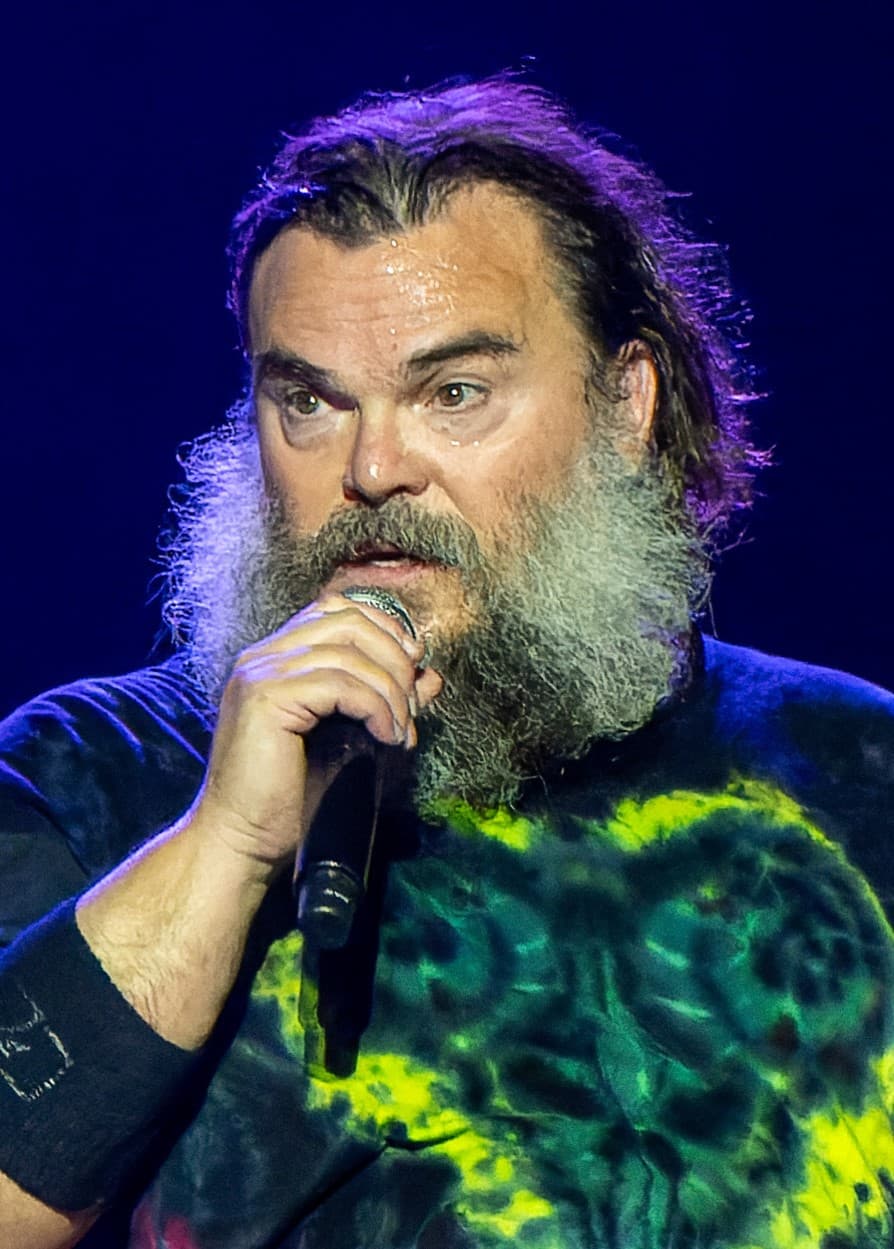
Observer over Decider
Observers have more balanced Decider poles in the middle: Self (Di) and Tribe (De). Their own perspective and other people's perspectives tend to be easier to navigate. Things are the harder territory. Control (Oi) and Chaos (Oe) sit at the extremes, so disrupted plans, uncertainty, and a changing world can trigger the strongest reactions.
Hill’s public career keeps running into variables he can influence without ever fully controlling: comic typecasting after Superbad, the risk of turning down The Hangover for Cyrus, then the credibility shift that came with Moneyball. That is classic Observer friction. The pressure lands on the changing landscape—roles, timing, openings, what the industry is offering now—more than on endlessly litigating his personal significance. The strength is adaptability when circumstances move. The blind spot is expecting the next external change to solve the deeper problem of choosing a direction and accepting what it rules out.