The Personality Atlas
THE CELEBRITY PERSONALITY ARCHIVE / COMBAT SPORTS

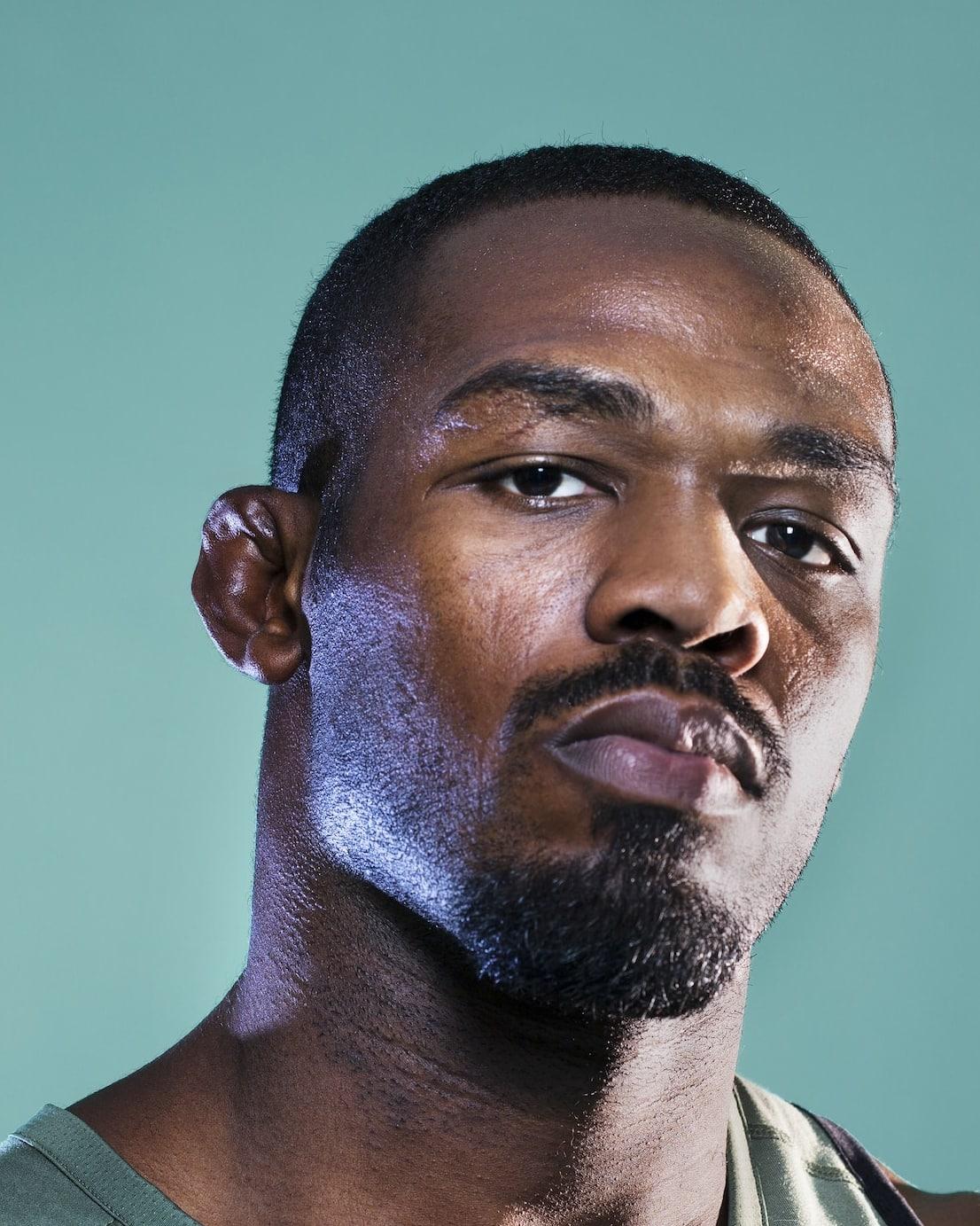
Jon Jones.

Former professional mixed martial artist

Jon Jones built one of MMA’s strangest résumés: the youngest champion in UFC history, record-setting title defenses, a heavyweight crown after three years away, and a career so dominant that even his own disruptions never fully erased the sense that he was operating on a different level.

OBJECTIVE PERSONALITY CLASSIFICATIONMF-Ti/Se-CP/S(B)What does this mean?
PERSONALITY SYSTEMObjective Personality
LEAD FUNCTIONTi · Introverted Thinking
SECOND SAVIOR FUNCTIONSe · Extroverted Sensing
MBTI EQUIVALENTISTP
01 / BEHIND THE CLASSIFICATION

The personality behind the fame.

How does a recorded OPS classification like MF-Ti/Se-CP/S(B) break down? Walk through nine coins and watch the proposed type take shape. These are deductions from the archived code, not independent evidence of typing accuracy.

Scroll below to see Jon Jones take shape.

STARTING POINT512 possible OPS typesEach type combines core functions, an animal order, and sexual modalities.
THE FINISH LINEMF-Ti/Se-CP/S(B)One recorded classification, decoded from its components.
Jon Jones’ HUMAN NEEDS 01—03
01
DECIDER OR OBSERVER?

Decider over Observer

Deciders have more balanced Observer poles in the middle: Control (Oi) and Chaos (Oe). Organizing what's known and handling what's new tend to feel more manageable. People are the harder territory. Self (Di) and Tribe (De) sit at the extremes, so judgment, rejection, approval, and conflict can trigger the strongest reactions.

Jon Jones’s career is full of elite wins, but some of his most public friction came with people: the split from teammate Rashad Evans, the bitter Daniel Cormier rivalry, and Dana White’s outrage after Jones declined the late Chael Sonnen replacement at UFC 151. That is Decider territory—status, trust, loyalty and judgment getting loud. The strength is unusual composure when a relationship turns adversarial; he can still perform at championship level. The blind spot is treating interpersonal fallout like background noise. The growth cost is addressing people stakes before they become the whole story.

D
02
SELF OR TRIBE?

Di · Self over De · Tribe

Self (Di) is the stronger deciding pole. They check decisions against their own values or reasons first: what makes sense to me, what feels right to me? The strength is independent conviction; the recurring friction is the Tribe (De)—other people's standards, feedback, and expectations. As the portrait unfolds, notice how Self takes the lead.

When Jones refused the Sonnen switch on three days’ notice and later vacated the light heavyweight title during a pay dispute, he showed a strong Self-over-Tribe pattern: his internal standard stayed primary even when the outside chorus got furious. That independence is useful in a sport built on pressure tactics. He does not seem easy to bully into somebody else’s timeline or valuation. The cost is obvious. A personally justified decision can still hit teammates, opponents, undercard fighters and promoters hard. Growth means hearing the external impact without handing over the steering wheel.

Di
03
GATHER OR ORGANIZE?

Oe · Gather over Oi · Organize

Gather (Oe) leads with new information, experiences, and possibilities. Its strength is curiosity and adaptability; the recurring friction is narrowing the options and settling into what is already known. Another layer of the personality portrait comes into focus.

Jones accepted his UFC debut on two weeks’ notice, threw spinning elbows and a spinning back kick, then years later changed divisions after a long layoff and submitted Ciryl Gane for the heavyweight title. Gather over Organize fits that appetite for fresh openings and live adaptation. The strength is versatility: he can meet a new problem without needing the whole environment stabilized first. The blind spot is that open options can stay open too long, leaving everyone else guessing about the settled path. The growth cost is committing earlier, before uncertainty becomes part of the brand.

Oe
FIRST THREE COINSD + Di + Oe

These establish the preferred human needs in the OPS framework.

Jon Jones’ FUNCTIONS 04—05
04
FEELING OR THINKING?

Thinking · T over Feeling · F

Thinking (T) evaluates decisions through reasons, logic, and what works—not a lack of emotion. Its strength is analytical consistency; Feeling (F) provides balance through values, meaning, and the human consequences of a decision. Combined with Self (Di), this forms the recorded Savior Ti.

As a Thinking Decider, Jones often comes off like someone running his own internal logic more than a consensus script. His dismissal of Chael Sonnen as an unworthy contender and his hard line in pay disputes both show a willingness to separate sentiment from his personal calculation of what makes sense. That clarity can be a weapon; hype affects him less when he thinks the structure is wrong. The weakness is that a logically airtight position can still sound cold or self-sealing. Growth costs him something real: explaining the reasoning in a way other people can actually work with, not just endure.

T → Ti
05
SENSING OR INTUITION?

Sensing · S over Intuition · N

Sensing (S) focuses on concrete details, observable reality, and lived experience. Intuition (N) balances it by looking for broader patterns, concepts, and implications. Combined with Gather (Oe), this gives the recorded Savior Se.

Jones’s Sensing is hard to miss because his career is full of physical specifics, not vague aura: the spinning strikes in his debut, the elbow that finished Brandon Vera, the calm survival of Vitor Belfort’s armbar before the Americana, the quick guillotine on Ciryl Gane. Se keeps attention on what the body, range and leverage are doing right now. That gives him a frightening talent for making small openings decisive. The blind spot is scale. Immediate tactical control can distract from the longer arc of reputation, planning and message.

S → Se
THE TWO SAVIOR FUNCTIONSTi / Se

Opposing functions: Fe and Ni.

Jon Jones’ ANIMAL STACK 06—07
06
CONSUME OR BLAST?

Consume over Blast

Consume gathers information for internal processing; Blast organizes and communicates information. The recorded order is Consume → Play → Sleep → Blast. This comparison follows their positions in that stack.

Consume sits earlier than Blast, and Jones’s résumé gives that contrast plenty of material. He came from a serious wrestling background, absorbed new striking tools fast, and after three years away returned with enough gathered preparation to choke out Gane almost immediately. The strength of Consume is obvious: he can load up on information, techniques and reads before making the move. The blind spot is Blast’s delay. Other people do not always get the same clarity about his plan, timing or terms. Growth means saying the conclusion sooner, not just arriving prepared enough to prove it.

C > B
07
PLAY OR SLEEP?

Play over Sleep

Play emphasizes external real-time engagement; Sleep emphasizes internal processing. The recorded stack places Play earlier.

Play comes earlier than Sleep, which fits how often Jones has sharpened himself through live friction rather than retreating from it. He stormed through a 6–0 start in three months, took big stages quickly, and repeatedly met heated rivalries—Evans, Cormier, Gustafsson—in direct competition. The strength is responsiveness: another person’s pressure can pull out his best adjustments. The blind spot is that constant engagement can outrun slower internal settling. Not every major decision benefits from being made inside the adrenaline of conflict. Growth costs patience: letting a choice ripen before the next challenge demands action.

P > S
Jon Jones’ ANIMAL ORIENTATION 08—09
08
INFO OR ENERGY DOMINANT?

Energy over Info

Energy dominant means Play and Sleep are both in the top three: there is access to expending energy through engagement and conserving it through internal processing. Blast last leaves the information side uneven—Consume may gather far more than gets communicated.

Jones’s stack lands on Energy dominance, which is a useful correction to the idea that only nonstop outward motion counts as intensity. His top priorities include both real-time engagement and pulling back to rebuild, something visible in the long layoff before his heavyweight return and the immediate sharpness of that comeback. The strength is a strong battery: he can alternate action with recovery instead of living on fumes. The void sits in the missing fourth piece, Blast. When straightforward transmission is least preferred, camps, negotiations and career pivots can feel opaque to everybody watching. Balance means clearer shared direction, earlier.

Energy
09
INTROVERSION OR EXTROVERSION?

Introversion over Extroversion

The last animal, Blast, determines this OPS coin: Play or Blast last means Introversion; Consume or Sleep last means Extroversion. This describes animal orientation, not sociability or shyness.

Jones’s OPS Introversion is not a claim that he looks shy. He has spent years in arenas, press conferences and public rivalries. The issue is that Blast sits last, so broadcasting a settled explanation is less natural than gathering, reacting and privately consolidating first. That helps him resist the pressure to narrate every move for public comfort. It also leaves a gap that others rush to fill, especially during title disputes, suspensions or long absences. The growth edge is repetitive clarity: state the plan plainly, then keep stating it until teammates, promoters and fans no longer have to guess.

I
Sexual Modalities

The four sexual modalities.

OPS uses masculine/feminine sensory and extroverted-deciding distinctions as framework-specific terms, not gender categories. The four modalities are already included in the original 512 types. The recorded modality is MF · Audio.

MM KinestheticMasculine Sensory · Masculine De
MF RECORDED MODALITYAudioMasculine Sensory · Feminine De
FF TesterFeminine Sensory · Feminine De
FM VisualFeminine Sensory · Masculine De
COMPLETE RECORDED OPS TYPE · MODALITY INCLUDEDMF-Ti/Se-CP/S(B)

Ti leads, Se supports, and the animal stack is Consume → Play → Sleep → Blast.

THE FINISHED PORTRAIT · ALL NINE COINS REVEALED

Jon Jones's complete function and animal stack

ConsumePlaySleepBlastmTimSefNifFe
MF-Ti/Se-CP/S(B)DOUBLE ACTIVATED · CONSUMEExplore the Interactive Coin Builder →
THE JON JONES LENS

A champion whose legend kept arguing with itself

Jones became UFC champion at 23 by dismantling Maurício Rua, then after a three-year absence returned and submitted Ciryl Gane for the heavyweight title in barely two minutes. The public impression is chaos wrapped around brilliance. Under that spectacle is a fighter whose precision often looks colder and narrower than the myth around him.

Ti with Se is an unusually sharp competitive pairing. Ti wants the mechanics to make sense on his terms; Se trusts what range, leverage and timing are doing right now. That helps explain Jones at his best: spinning attacks, clinch damage, instant positional adjustments. The limit is equally concrete. Private logic plus immediate evidence can feel complete before the surrounding relationships and message are actually handled.

As a Decider and Double Observer, Jones is dealing first with people—respect, loyalty, judgment, hierarchy—while staying comparatively balanced on gathering and organizing information. That exact pairing matters: a Decider is a Double Observer. The human-needs imbalance is about whose judgment sets the terms. The neglected function opposite his lead Ti is Fe, which asks how the decision lands with the group, not only whether it feels internally right.

Consume → Play → Sleep → Blast shows why the final strain often appears in communication, not talent. Blast last can leave his direction obvious to him and murky to everyone else until the fight, deal or comeback is already underway. The balancing move is specific: keep the deep prep and tactical freedom, but give coaches, promoters and fans one early, plainspoken explanation before the next major turn.

Want to understand the Savior and Demon states behind these nine coins? Explore the complete explanation, visual examples, and typing principles on our Methodology page →

02 / KEEP EXPLORING

Different faces. Familiar patterns.

Explore other celebrities with related recorded OPS classifications. Related functions are not necessarily exact type matches.

Discover Type Twins
YOUR TURN

Curious about your own type?

Discover how your own personality might be classified through Objective Personality.

Get objectively typed
Jon Jones's Personality Type & OPS Profile | The Personality Atlas