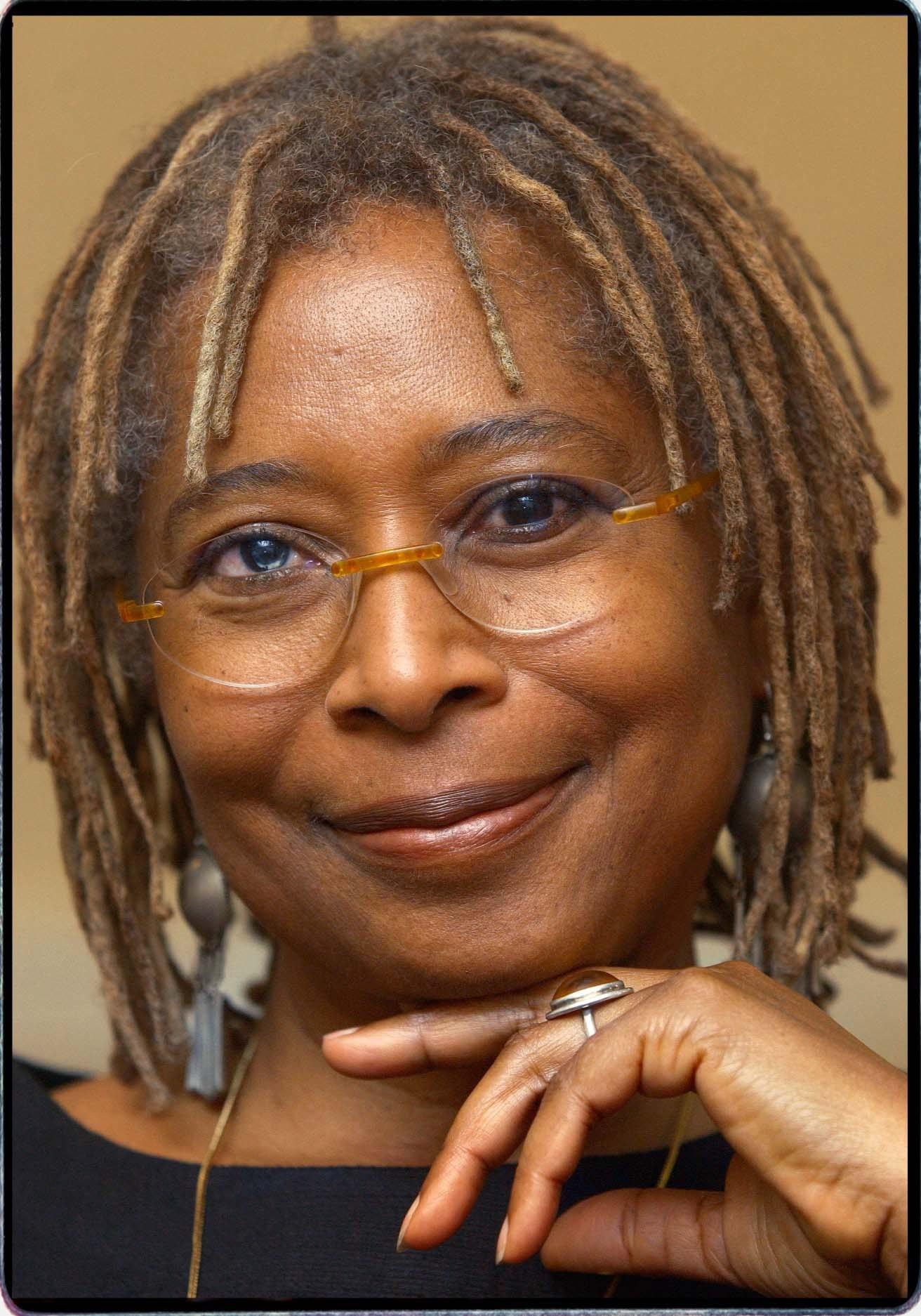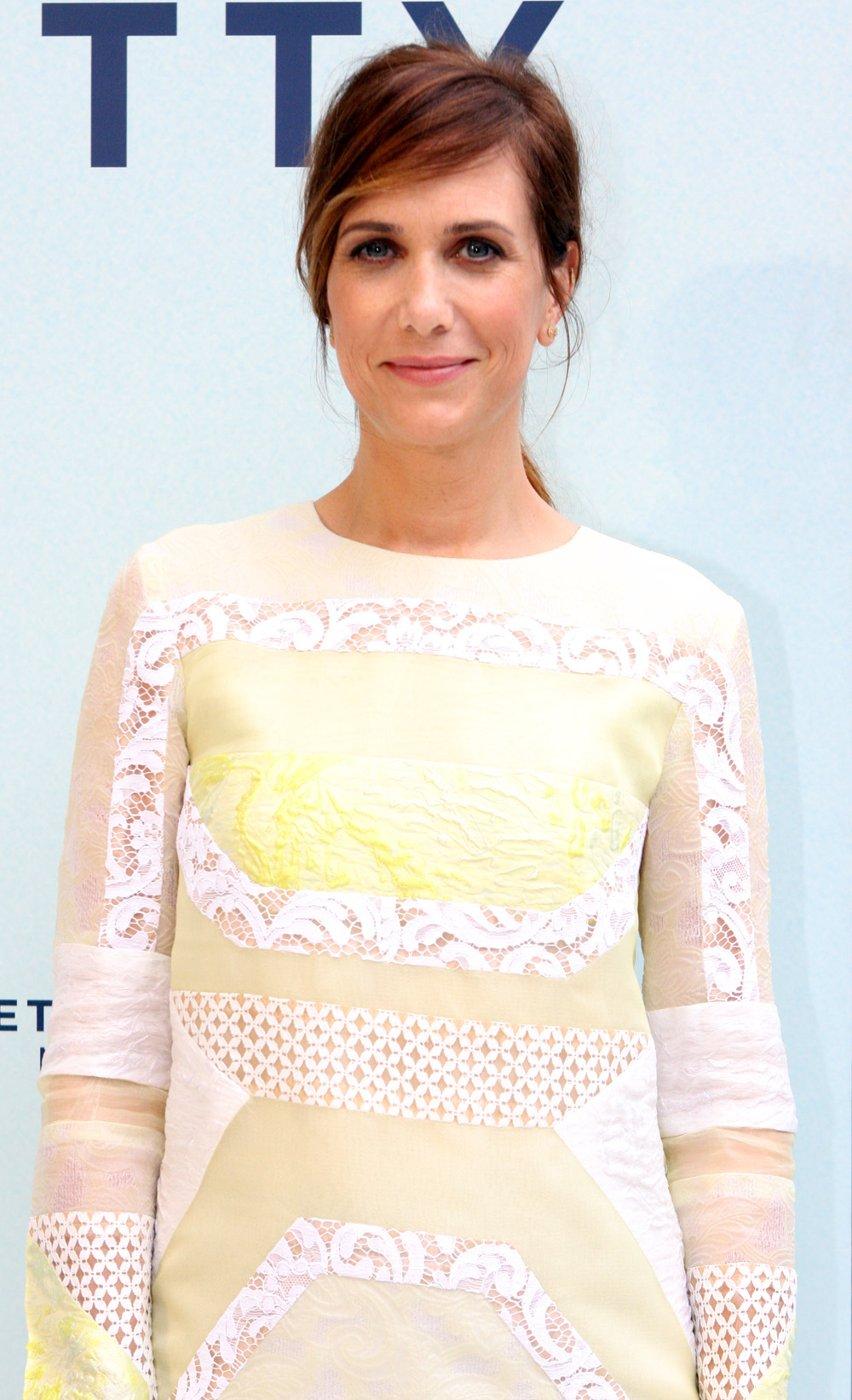
Observer over Decider
Observers have more balanced Decider poles in the middle: Self (Di) and Tribe (De). Their own perspective and other people's perspectives tend to be easier to navigate. Things are the harder territory. Control (Oi) and Chaos (Oe) sit at the extremes, so disrupted plans, uncertainty, and a changing world can trigger the strongest reactions.
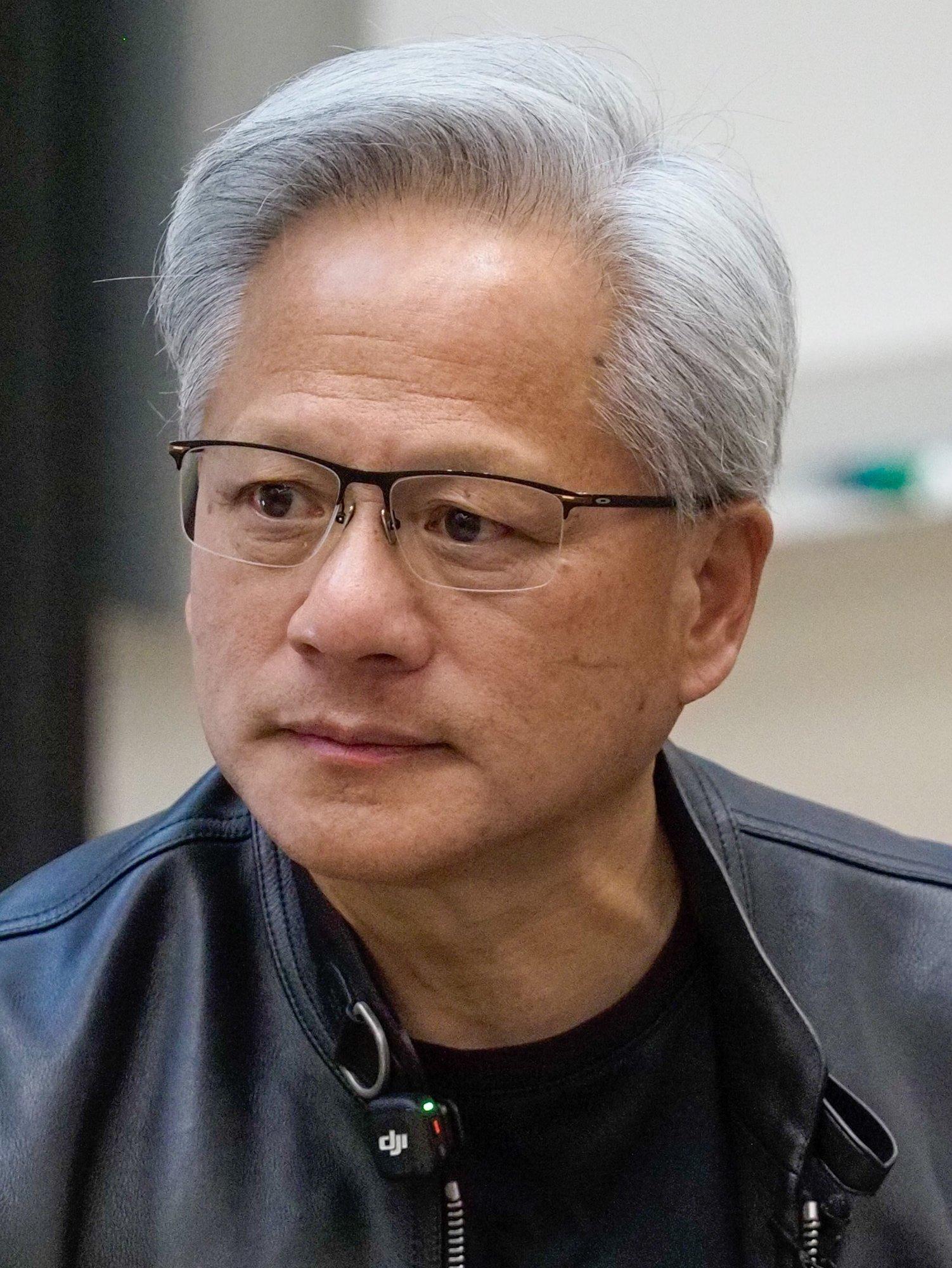
By 1997 Nvidia was down to one month of payroll, its first chip strategy had misfired, and survival depended on a pivot from quadrilateral rendering to triangles plus Sega’s $5 million lifeline. That is classic Observer pressure: the fight is with brutal circumstances, not mainly with whether people appreciate him. Huang’s strength is ruthless adaptation when reality refuses the original plan. The blind spot is that when the world looks like a system failure, human strain inside the system can get treated as another variable to push through rather than a separate problem worth slowing down for.