The Personality Atlas
THE CELEBRITY PERSONALITY ARCHIVE / FILM & COMEDY

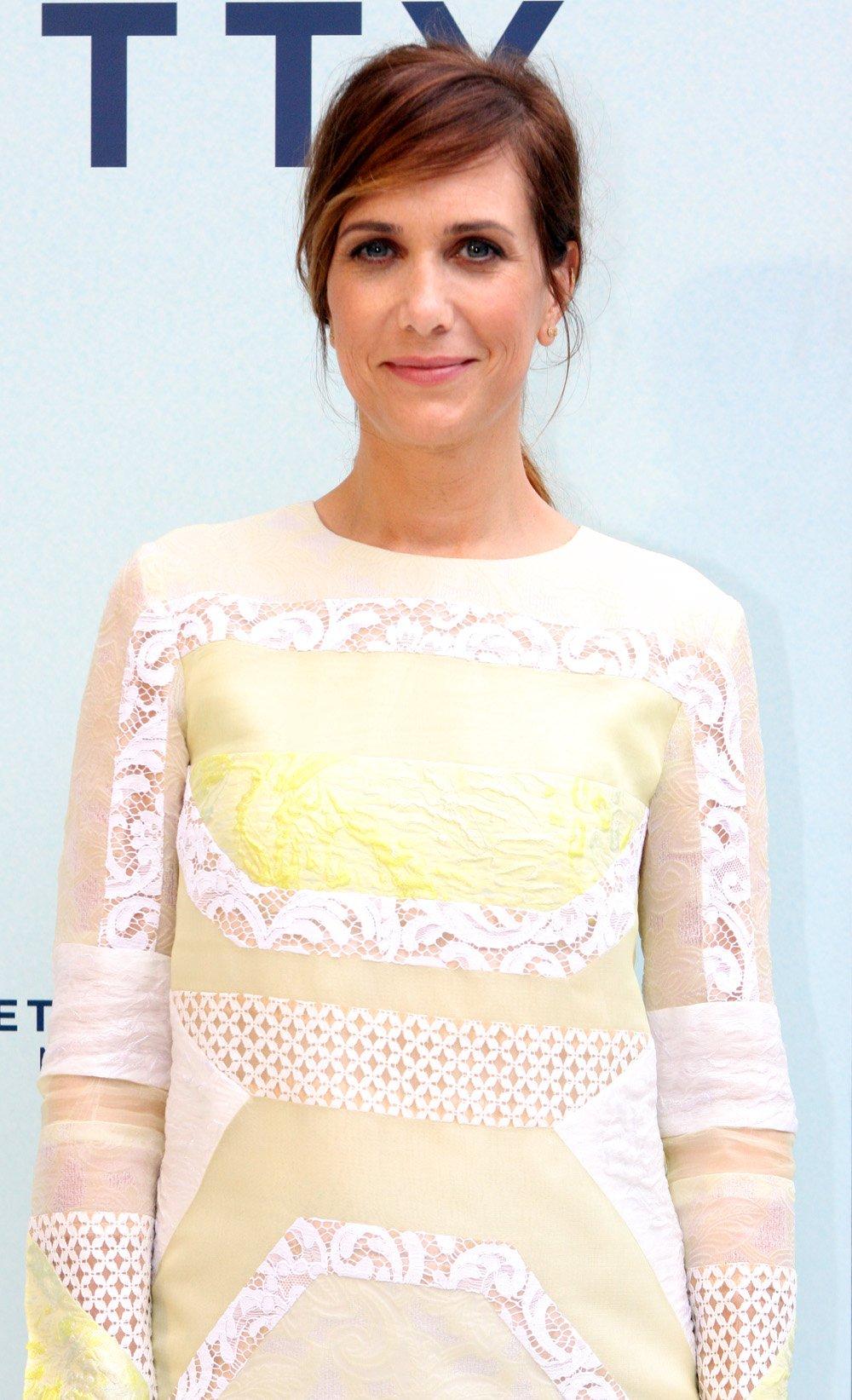
Kristen Wiig.

Actor · Comedian · Screenwriter

From The Groundlings to seven seasons on Saturday Night Live and the screenplay of Bridesmaids, Kristen Wiig built a career on precision weirdness: characters so physically exact they look inevitable, then scripts and performances that smuggle bruised humanity underneath the joke.

OBJECTIVE PERSONALITY CLASSIFICATIONFF-Si/Fi-SC/P(B) #4What does this mean?
PERSONALITY SYSTEMObjective Personality
LEAD FUNCTIONSi · Introverted Sensing
SECOND SAVIOR FUNCTIONFi · Introverted Feeling
MBTI EQUIVALENTISTJ
01 / BEHIND THE CLASSIFICATION

The personality behind the fame.

How does a recorded OPS classification like FF-Si/Fi-SC/P(B) #4 break down? Walk through nine coins and watch the proposed type take shape. These are deductions from the archived code, not independent evidence of typing accuracy.

Scroll below to see Kristen Wiig take shape.

STARTING POINT512 possible OPS typesEach type combines core functions, an animal order, and sexual modalities.
THE FINISH LINEFF-Si/Fi-SC/P(B) #4One recorded classification, decoded from its components.
Kristen Wiig’s HUMAN NEEDS 01—03
01
DECIDER OR OBSERVER?

Observer over Decider

Observers have more balanced Decider poles in the middle: Self (Di) and Tribe (De). Their own perspective and other people's perspectives tend to be easier to navigate. Things are the harder territory. Control (Oi) and Chaos (Oe) sit at the extremes, so disrupted plans, uncertainty, and a changing world can trigger the strongest reactions.

Kristen Wiig’s rise was not a neat march from funny person to inevitable star. She moved to Los Angeles, worked odd jobs, found that improvisation suited her better than conventional acting, survived an SNL budget cut, and then turned that run into films ranging from Bridesmaids to riskier projects with mixed returns. That pattern fits Observer friction: the recurring problem shows up in timing, openings, formats and the stubborn reality of what a project becomes. Her strength is adaptability. The cost is waiting on conditions to clarify instead of choosing a direction sooner.


O
02
SELF OR TRIBE?

Di · Self over De · Tribe

Self (Di) is the stronger deciding pole. They check decisions against their own values or reasons first: what makes sense to me, what feels right to me? The strength is independent conviction; the recurring friction is the Tribe (De)—other people's standards, feedback, and expectations. As the portrait unfolds, notice how Self takes the lead.

Wiig’s biggest leap came when she did not just perform other people’s material but co-wrote Bridesmaids with Annie Mumolo, then later co-wrote Barb and Star Go to Vista Del Mar. Self over Tribe shows up in that insistence on a comedic perspective that feels owned rather than focus-grouped. The strength is obvious: her work carries a weird, specific signature instead of a generic studio voice. The tradeoff is that an internally satisfying choice can still confuse collaborators, executives or audiences. A private standard keeps the work distinctive, but it does not automatically make the direction legible to everyone else.

Di
03
GATHER OR ORGANIZE?

Oi · Organize over Oe · Gather

Organize (Oi) leads with refining, preserving, and structuring what is already known. Its strength is preparation and clear direction; the recurring friction is unexpected change that disrupts the plan. Another layer of the personality portrait comes into focus.

Seven seasons on SNL rewarded a comedian who could lock into recognizable patterns: Target Lady, Gilly, sharp impersonations, and recurring bits audiences could identify in seconds. Organize over Gather is less about rigidity than about trusting what has been established and refining it until it lands reliably. That steadiness helped her move from sketch standout to durable film and voice-franchise work. The blind spot is that a proven formula can become comfortable enough to delay a messier new lane. Leaving SNL after a dominant run carried the growth cost of abandoning a system that clearly worked.

Oi
FIRST THREE COINSO + Di + Oi

These establish the preferred human needs in the OPS framework.

Kristen Wiig’s FUNCTIONS 04—05
04
FEELING OR THINKING?

Feeling · F over Thinking · T

Feeling (F) evaluates decisions through values, meaning, and what matters—not simply through emotion. Its strength is a clear sense of significance; Thinking (T) provides balance through impersonal reasons, consistency, and evidence. Combined with Self (Di), this forms the recorded Savior Fi.

Bridesmaids worked because Wiig was willing to make Annie petty, embarrassed, jealous and still recognizably human rather than sanding her into a likable slogan. That points to Fi: a personal values filter that cares whether a portrayal feels emotionally honest from the inside. The strength is comedy with bruises on it; even the broadest disaster has a point of view. The limit is that inner truth is not the whole equation. A scene can feel authentic to its creator while still needing clearer structure, explanation or consideration for how other people will read it.

F → Fi
05
SENSING OR INTUITION?

Sensing · S over Intuition · N

Sensing (S) focuses on concrete details, observable reality, and lived experience. Intuition (N) balances it by looking for broader patterns, concepts, and implications. Combined with Organize (Oi), this gives the recorded Savior Si.

Wiig’s comedy is remarkably physical and specific. The Target Lady voice, Gilly’s stare, the rubbery discomfort of Bridesmaids, and the low-key warmth critics noticed in The Secret Life of Walter Mitty all depend on exact details an audience can instantly recognize. That is Si’s strength: memory for what is familiar, concrete and repeatable enough to become a character. She can make a tiny behavioral cue do the heavy lifting. The cost is that specificity can over-trust the known texture. Sometimes the next leap requires tolerating a looser concept before the details are fully nailed down.

S → Si
THE TWO SAVIOR FUNCTIONSSi / Fi

Opposing functions: Ne and Te. This is a jumper classification.

Kristen Wiig’s ANIMAL STACK 06—07
06
PLAY OR SLEEP?

Sleep over Play

Play emphasizes external real-time engagement; Sleep emphasizes internal processing. The recorded stack places Sleep earlier.

Sleep over Play fits a performer whose public absurdity is often built on prior private consolidation. Wiig did not become memorable by spraying random energy at the camera; the recurring characters that defined her SNL years felt internally worked out, then released. Co-writing Bridesmaids and later Barb and Star also suggests material shaped from an already processed point of view. The advantage is a strong inner center before performance begins. The drawback is that too much refinement can make spontaneous interaction feel like interference with a version already settled in her head.

S > P
07
CONSUME OR BLAST?

Consume over Blast

Consume gathers information for internal processing; Blast organizes and communicates information. The recorded order is Sleep → Consume → Play → Blast. This comparison follows their positions in that stack.

After that private processing, Consume over Blast helps explain how Wiig kept building range without turning herself into a constant explainer of her own brand. She gathered material through Groundlings improv, a long sketch run, supporting film roles, voice work and writing partnerships before packaging a grand thesis about who Kristen Wiig is supposed to be. That creates depth: there is usually more texture in the work than in the sales pitch around it. The cost is simple and common—more intake can postpone the cleaner public articulation that helps collaborators and audiences follow the next move.

C > B
Kristen Wiig’s ANIMAL ORIENTATION 08—09
08
INFO OR ENERGY DOMINANT?

Energy over Info

Energy dominant means Play and Sleep are both in the top three: there is access to expending energy through engagement and conserving it through internal processing. Blast last leaves the information side uneven—Consume may gather far more than gets communicated.

Wiig’s stack is Energy-dominant, which fits the visible alternation between private processing and active performance. Seven seasons on SNL, returns as host, ensemble films, voice-franchise work and producing Palm Royale all show someone who can conserve energy inwardly and then spend it effectively with others when the project demands it. The missing balance comes from Blast sitting last: the void is not effort or sociability, but packaging information into a consistently explicit message. She can embody the bit, write the scene and carry the role; stating the larger thesis behind it may come later than the work itself.

Energy
09
INTROVERSION OR EXTROVERSION?

Introversion over Extroversion

The last animal, Blast, determines this OPS coin: Play or Blast last means Introversion; Consume or Sleep last means Extroversion. This describes animal orientation, not sociability or shyness.

Blast lands fourth, which is why the OPS result here is Introversion even though Wiig has spent years commanding live television and studio comedies. This coin is not about shyness or charisma; it is about whether broadcasting a settled conclusion comes as readily as observing, processing and performing. Her public career shows she can absolutely deliver. The tension is that delivery often arrives through character, scene and tone rather than through a plainly stated manifesto. The growth edge is making the premise clearer earlier—especially as a writer-producer—so the audience does not have to reverse-engineer the point from the performance alone.

I
Sexual Modalities

The four sexual modalities.

OPS uses masculine/feminine sensory and extroverted-deciding distinctions as framework-specific terms, not gender categories. The four modalities are already included in the original 512 types. The recorded modality is FF · Tester.

MM KinestheticMasculine Sensory · Masculine De
MF AudioMasculine Sensory · Feminine De
FF RECORDED MODALITYTesterFeminine Sensory · Feminine De
FM VisualFeminine Sensory · Masculine De
ADDITIONAL LAYER · SOCIAL TYPE

The four social types.

Social types are an additional layer on top of the original Objective Personality classification, introduced later in OPS research. They describe two proposed social preference coins: Flex vs. Friends and Generalize vs. Specialize. The combination and priority of these preferences produce four social types. Kristen Wiig's recorded social type is #4.

SOCIAL #1 #1Flex · Generalize
SOCIAL #2 #2Generalize · Friends
SOCIAL #3 #3Specialize · Flex
SOCIAL #4 RECORDED SOCIAL TYPE#4Friends · Specialize
COMPLETE RECORDED OPS TYPE · MODALITY INCLUDED + SOCIAL TYPEFF-Si/Fi-SC/P(B) #4

Si leads, Fi supports, and the animal stack is Sleep → Consume → Play → Blast.

THE FINISHED PORTRAIT · ALL NINE COINS REVEALED

Kristen Wiig's complete function and animal stack

SleepConsumePlayBlastfSifTemFimNe
FF-Si/Fi-SC/P(B) #4DOUBLE ACTIVATED · CONSUMEExplore the Interactive Coin Builder →
THE KRISTEN WIIG LENS

The precision clown with an inner edit

Wiig can read at first like pure comic eruption: the Target Lady voice, Gilly’s malicious little stare, the escalating humiliation of Bridesmaids. But the public impression of chaos sits on years of patient construction, from Groundlings training to a seven-season SNL run where even the strangest character arrived with exact behavioral logic already built in.

Her Si/Fi pairing makes that precision feel personal rather than mechanical. Si supplies the concrete, repeatable detail; Fi decides which details still feel emotionally true enough to keep. That combination gives her characters memorability and sting. Its limit is that a privately verified truth can remain under-explained, leaving other people to infer the larger intention from the performance.

Wiig is an Observer and Double Decider. The imbalance leans toward managing circumstances, timing, format and uncertainty while people issues can be comparatively more workable. Because every Observer is a Double Decider, she has access to both self and tribe judgments, but neglected Ne can underplay the value of chasing the unproven possibility before the concrete pattern is secure.

Sleep → Consume → Play → Blast shows why the last pressure point is not talent or stage presence, but explicit broadcasting. Blast last can leave the message trailing behind the craft: the role lands, the scene works, the audience laughs, and only afterward does the clean takeaway emerge. Keep the exact character work; state the premise earlier in the writing room.

Want to understand the Savior and Demon states behind these nine coins? Explore the complete explanation, visual examples, and typing principles on our Methodology page →

02 / KEEP EXPLORING

Different faces. Familiar patterns.

Explore other celebrities with related recorded OPS classifications. Related functions are not necessarily exact type matches.

Discover Type Twins
YOUR TURN

Curious about your own type?

Discover how your own personality might be classified through Objective Personality.

Get objectively typed
Kristen Wiig's Personality Type & OPS Profile | The Personality Atlas