The Personality Atlas
THE CELEBRITY PERSONALITY ARCHIVE / Psychology & Writing

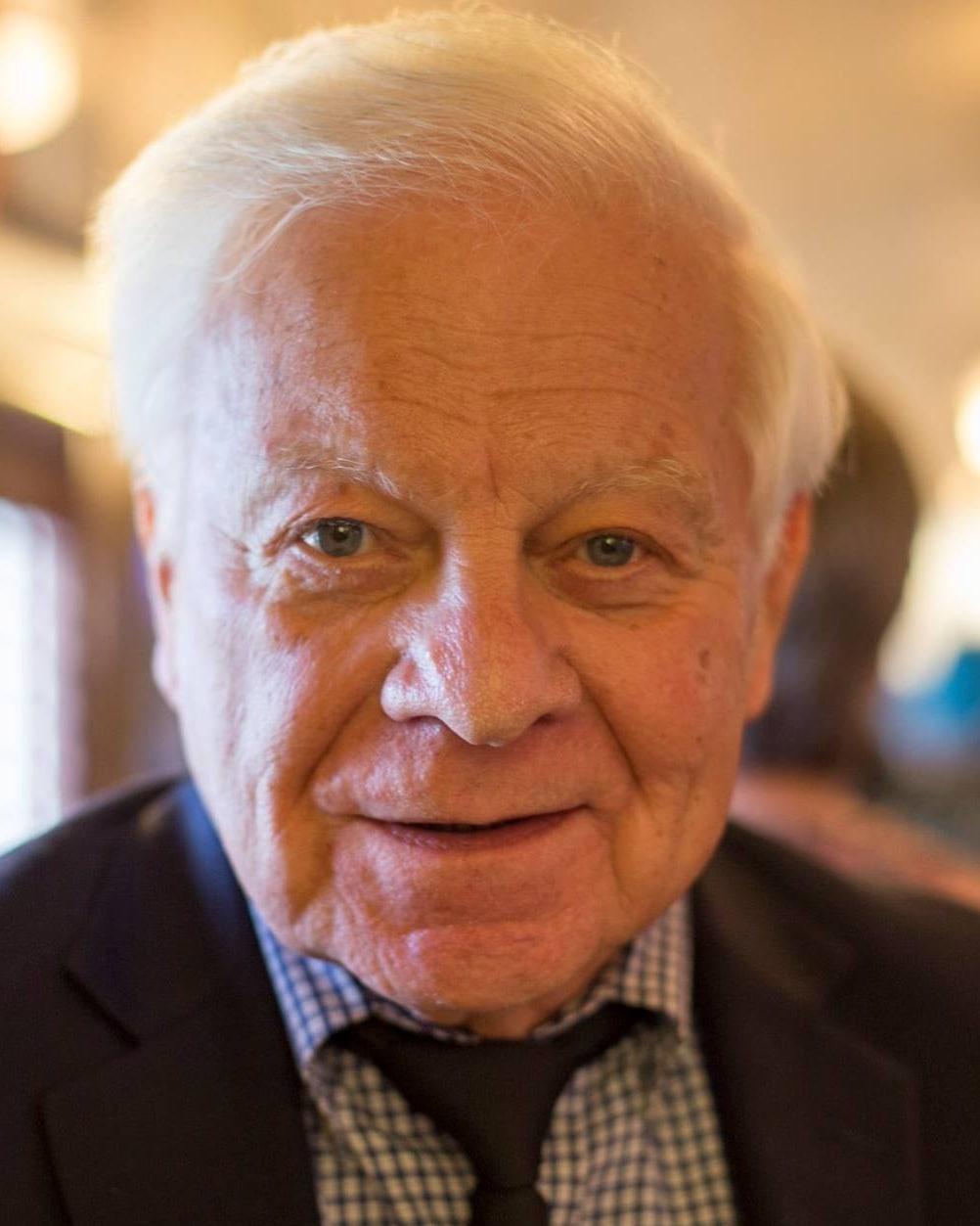
James Hollis.

Jungian analyst · author · public speaker

James Hollis spent 26 years teaching Humanities before retraining in Zürich as a Jungian analyst, then built a second act as an author, institutional leader and famously unsentimental public interpreter of midlife, myth and modern spiritual drift.

OBJECTIVE PERSONALITY CLASSIFICATIONMF-Ne/Fi-CS/B(P)What does this mean?
PERSONALITY SYSTEMObjective Personality
LEAD FUNCTIONNe · Extroverted Intuition
SECOND SAVIOR FUNCTIONFi · Introverted Feeling
MBTI EQUIVALENTENFP
01 / BEHIND THE CLASSIFICATION

The personality behind the fame.

How does a recorded OPS classification like MF-Ne/Fi-CS/B(P) break down? Walk through nine coins and watch the proposed type take shape. These are deductions from the archived code, not independent evidence of typing accuracy.

Scroll below to see James Hollis take shape.

STARTING POINT512 possible OPS typesEach type combines core functions, an animal order, and sexual modalities.
THE FINISH LINEMF-Ne/Fi-CS/B(P)One recorded classification, decoded from its components.
James Hollis’ HUMAN NEEDS 01—03
01
DECIDER OR OBSERVER?

Observer over Decider

Observers have more balanced Decider poles in the middle: Self (Di) and Tribe (De). Their own perspective and other people's perspectives tend to be easier to navigate. Things are the harder territory. Control (Oi) and Chaos (Oe) sit at the extremes, so disrupted plans, uncertainty, and a changing world can trigger the strongest reactions.

Hollis built a career around questions bigger than any one audience reaction: why midlife collapses, why modern life feels spiritually thin, why people drift toward substitutes that do not work. That is classic Observer pressure—circumstances, chaos and the shape of the world itself becoming the problem to solve. His strength is treating confusion as material for inquiry rather than as a personal insult. The blind spot is that another framework, another diagnosis of the culture, can start to look like the missing key when some realities simply stay difficult and unresolved.

O
02
SELF OR TRIBE?

Di · Self over De · Tribe

Self (Di) is the stronger deciding pole. They check decisions against their own values or reasons first: what makes sense to me, what feels right to me? The strength is independent conviction; the recurring friction is the Tribe (De)—other people's standards, feedback, and expectations. As the portrait unfolds, notice how Self takes the lead.

For 26 years Hollis taught Humanities, then trained in Zürich as a Jungian analyst and spent decades writing books that reviewers call blunt, even uncheery. That arc fits Self over Tribe: he appears willing to stand by an inner standard rather than soften the message to meet the market’s wish for reassurance. The advantage is a body of work with an owner instead of a committee voice. The cost is obvious in his reception: a personally honest verdict can still frustrate readers who want comfort, consensus or a more audience-friendly answer.

Di
03
GATHER OR ORGANIZE?

Oe · Gather over Oi · Organize

Gather (Oe) leads with new information, experiences, and possibilities. Its strength is curiosity and adaptability; the recurring friction is narrowing the options and settling into what is already known. Another layer of the personality portrait comes into focus.

Look at the sweep of his bibliography: midlife, myth, men’s wounds, resilience, hauntings, the “magical other,” spirituality in modern life. Hollis does not sit in one neatly fenced topic for long. Gather over Organize helps explain that range. New angles, new symbolic frames and fresh questions keep opening the work outward. The strength is intellectual reach: he can connect problems that look unrelated at first glance. The blind spot is selectivity. A mind that keeps finding another meaningful avenue still has to decide which line of inquiry deserves the next book, lecture series or institutional season.

Oe
FIRST THREE COINSO + Di + Oe

These establish the preferred human needs in the OPS framework.

James Hollis’ FUNCTIONS 04—05
04
FEELING OR THINKING?

Feeling · F over Thinking · T

Feeling (F) evaluates decisions through values, meaning, and what matters—not simply through emotion. Its strength is a clear sense of significance; Thinking (T) provides balance through impersonal reasons, consistency, and evidence. Combined with Self (Di), this forms the recorded Savior Fi.

Under Saturn’s Shadow, What Matters Most and A Life of Meaning all center evaluation through values, significance and inner allegiance more than detached system-building. That is the useful edge of Fi. Hollis can make existential questions feel morally weighty rather than clinically bloodless, which is part of why readers experience his writing as bracing. The limit is equally clear: a conviction may be profound and still leave practical readers asking for a more external standard, a cleaner methodology or a clearer explanation of how another person should test the claim in ordinary life.

F → Fi
05
SENSING OR INTUITION?

Intuition · N over Sensing · S

Intuition (N) focuses on concepts, patterns, and what information might mean. Sensing (S) balances it through observable facts, physical detail, and direct experience. Combined with Gather (Oe), this gives the recorded Savior Ne.

Hollis’ public work lives on intuitive linkage. Mythologems, archetypes, the “magical other,” and his Variety critique of Google-age distraction all depend on seeing hidden patterns beneath obvious events. Ne lets him pull a line from ancient myth to Amazon Prime without making the comparison feel random. That is a real strength: he turns scattered modern symptoms into one larger picture. The cost is abstraction. When the pattern gets compelling enough, some readers will still want the stubborn concrete specifics—daily habits, measurable outcomes, plainer steps—that intuition alone does not automatically supply.

N → Ne
THE TWO SAVIOR FUNCTIONSNe / Fi

Opposing functions: Si and Te.

James Hollis’ ANIMAL STACK 06—07
06
CONSUME OR BLAST?

Consume over Blast

Consume gathers information for internal processing; Blast organizes and communicates information. The recorded order is Consume → Sleep → Blast → Play. This comparison follows their positions in that stack.

Seventeen books, years directing Jung institutions, and interviews packed with references show a man who would rather absorb, read, reflect and gather a thick field of material before landing the verdict. Consume over Blast gives him depth: the argument is fed by decades of study, teaching and analytic practice rather than a hot take. The blind spot is familiar to serious thinkers. More intake can feel responsible even after the central point is already visible. The growth cost is moving from rich material to a cleaner, firmer delivery that other people can immediately use.

C > B
07
PLAY OR SLEEP?

Sleep over Play

Play emphasizes external real-time engagement; Sleep emphasizes internal processing. The recorded stack places Sleep earlier.

After taking in that much material, Hollis appears to press it inward before pushing it outward. His books do not read like improvisations tossed off in social momentum; they read processed, distilled and privately weighed. Sleep over Play gives him a settled inner center, the kind that can hold one argument across decades of speaking and writing. The tradeoff is spontaneity. When a worldview is deeply consolidated, live back-and-forth can arrive as noise rather than help. The growth cost is letting another person’s interruption refine the point before it hardens into finished wisdom.

S > P
James Hollis’ ANIMAL ORIENTATION 08—09
08
INFO OR ENERGY DOMINANT?

Info over Energy

Info dominant means Consume and Blast are both in the top three: gathering and communicating information are more balanced. Play last leaves the energy side uneven—Sleep can conserve energy without enough spontaneous outward engagement.

Hollis lands on the Info side because taking in material and delivering conclusions both sit high in the stack. You can see that balance in the combination of analyst, teacher, executive director and prolific author: he studies widely, then turns the intake into a public framework people can wrestle with. That is the strength. The missing pressure point is not more research; it is the last animal, Play. When spontaneous exchange is lower priority, a polished explanation can outrun the live mess of other people pushing back, misunderstanding it or needing the idea translated in real time.

Info
09
INTROVERSION OR EXTROVERSION?

Introversion over Extroversion

The last animal, Play, determines this OPS coin: Play or Blast last means Introversion; Consume or Sleep last means Extroversion. This describes animal orientation, not sociability or shyness.

Hollis has spent decades lecturing, directing institutions and giving interviews, so this Introversion coin cannot be reduced to shyness or social avoidance. In OPS terms, Play sits last, meaning outward improvisational engagement comes after private processing, information gathering and structured delivery. That fits a public intellectual who can speak forcefully once the view is formed. The strength is coherence: his voice does not sound casually assembled. The blind spot is that real conversation is less controllable than authorship. Growth asks for more room where another person can interrupt the frame before the frame becomes the whole room.

I
Sexual Modalities

The four sexual modalities.

OPS uses masculine/feminine sensory and extroverted-deciding distinctions as framework-specific terms, not gender categories. The four modalities are already included in the original 512 types. The recorded modality is MF · Audio.

MM KinestheticMasculine Sensory · Masculine De
MF RECORDED MODALITYAudioMasculine Sensory · Feminine De
FF TesterFeminine Sensory · Feminine De
FM VisualFeminine Sensory · Masculine De
COMPLETE RECORDED OPS TYPE · MODALITY INCLUDEDMF-Ne/Fi-CS/B(P)

Ne leads, Fi supports, and the animal stack is Consume → Sleep → Blast → Play.

THE FINISHED PORTRAIT · ALL NINE COINS REVEALED

James Hollis's complete function and animal stack

ConsumeSleepBlastPlayfNemFifTemSi
MF-Ne/Fi-CS/B(P)DOUBLE ACTIVATED · SLEEPExplore the Interactive Coin Builder →
THE JAMES HOLLIS LENS

The stern guide through modern drift

Hollis’ public image is unusually consistent: the Jungian elder who refuses cheap uplift. That impression is not cosmetic. After 26 years teaching Humanities, he retrained in Zürich, led major Jung organizations, and kept publishing books on midlife, myth and meaning. Even The Guardian’s “total downer” line catches something real: the severity belongs to the man behind the books.

His Ne/Fi pairing gives that tone its engine. Ne widens the frame, linking media overload, spiritual hunger and ancient myth into one argument about modern drift. Fi supplies the private standard that lets him stay blunt instead of soothing. The strength is conviction with range. The limit is that the pattern can still leave readers wanting clearer procedure or an external test for the claim.

As an Observer and therefore a Double Decider, Hollis is fundamentally working the circumstances side of life while staying relatively more even with people tensions. That pairing matters: the recurring imbalance is pressure to interpret a disordered world. His neglected function is Si, opposite his lead savior Ne, so routine anchoring and concrete tracking can lose ground to the next meaningful connection.

Consume → Sleep → Blast → Play shows why his voice can feel gathered, distilled and then pointed outward. The last-animal imbalance is not a lack of public presence; he has lectured, directed institutions and given interviews for years. It is lower trust in spontaneous back-and-forth once the framework is formed. The balancing move is regular Q&As or seminars where another person can redirect the conclusion before it hardens.

Want to understand the Savior and Demon states behind these nine coins? Explore the complete explanation, visual examples, and typing principles on our Methodology page →

02 / KEEP EXPLORING

Different faces. Familiar patterns.

Explore other celebrities with related recorded OPS classifications. Related functions are not necessarily exact type matches.

Discover Type Twins
YOUR TURN

Curious about your own type?

Discover how your own personality might be classified through Objective Personality.

Get objectively typed
James Hollis's Personality Type & OPS Profile | The Personality Atlas