The Personality Atlas
THE CELEBRITY PERSONALITY ARCHIVE / MUSIC

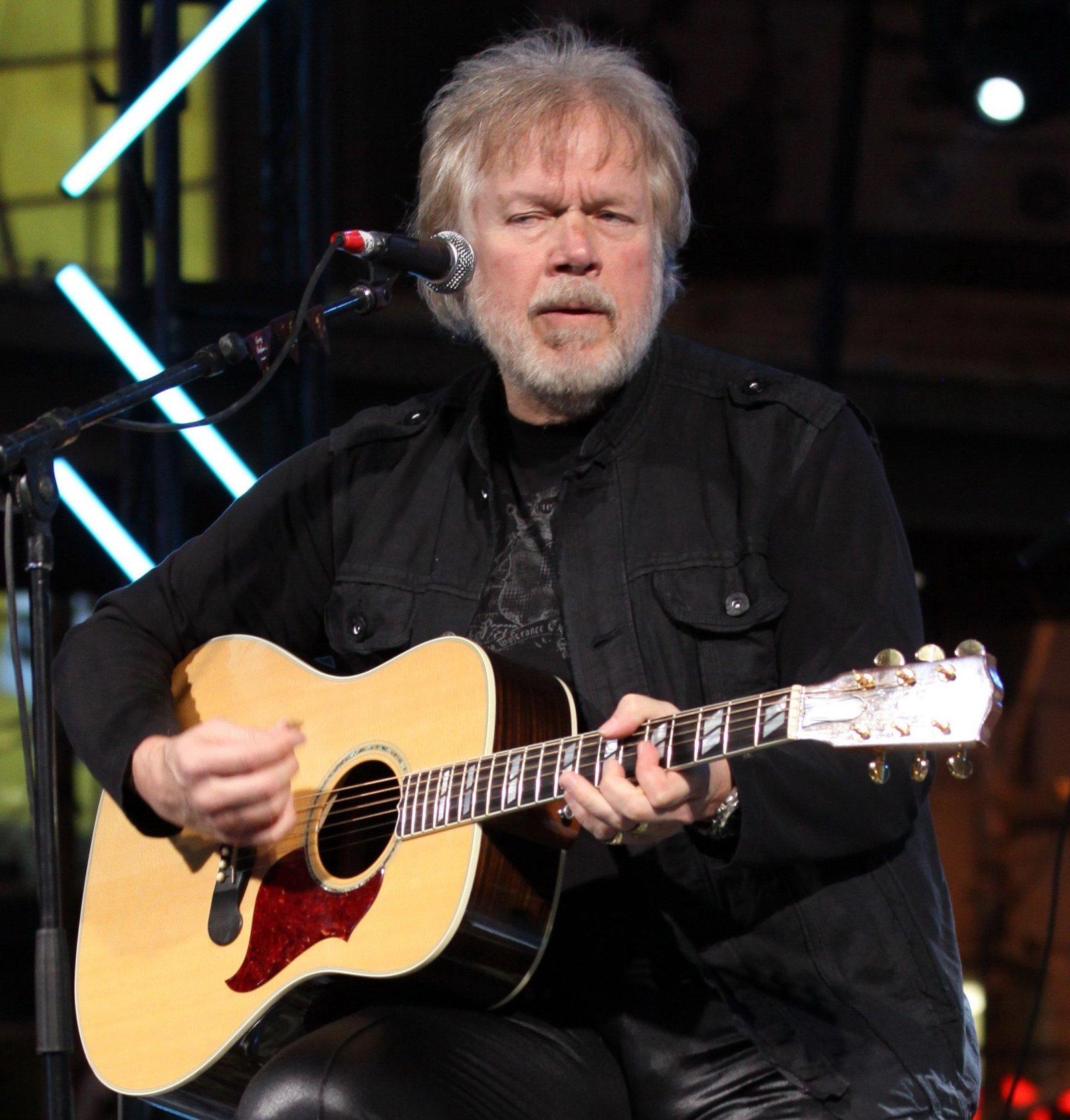
Randy Bachman.

Guitarist · Songwriter · Radio Host

Randy Bachman built two different Canadian bands into American chart power, wrote arena staples like "American Woman" and "Takin' Care of Business," then spent years turning rock history into stories on CBC's Vinyl Tap. The public image is pure drivetrain—big riffs, road songs, durable hooks—but his career is just as marked by exits, reinventions, memory, and an almost archivist's attachment to the music behind the myth.

OBJECTIVE PERSONALITY CLASSIFICATIONMF-Ne/Fi-CS/B(P)What does this mean?
PERSONALITY SYSTEMObjective Personality
LEAD FUNCTIONNe · Extroverted Intuition
SECOND SAVIOR FUNCTIONFi · Introverted Feeling
MBTI EQUIVALENTENFP
01 / BEHIND THE CLASSIFICATION

The personality behind the fame.

How does a recorded OPS classification like MF-Ne/Fi-CS/B(P) break down? Walk through nine coins and watch the proposed type take shape. These are deductions from the archived code, not independent evidence of typing accuracy.

Scroll below to see Randy Bachman take shape.

STARTING POINT512 possible OPS typesEach type combines core functions, an animal order, and sexual modalities.
THE FINISH LINEMF-Ne/Fi-CS/B(P)One recorded classification, decoded from its components.
Randy Bachman’s HUMAN NEEDS 01—03
01
DECIDER OR OBSERVER?

Observer over Decider

Observers have more balanced Decider poles in the middle: Self (Di) and Tribe (De). Their own perspective and other people's perspectives tend to be easier to navigate. Things are the harder territory. Control (Oi) and Chaos (Oe) sit at the extremes, so disrupted plans, uncertainty, and a changing world can trigger the strongest reactions.

Bachman left the Guess Who just after "American Woman" hit No. 1, at the exact moment most musicians would cling harder. The biography gives practical reasons: a gall bladder issue that needed medical care, relentless touring, and a setup that no longer fit his home life. That reads like Observer friction—circumstances becoming the problem to solve. The strength is realism: he did not pretend a massive success automatically made the situation workable. The blind spot is thinking the next configuration will finally remove the friction, which can turn adaptation into a career of constant rebuilding.
O
02
SELF OR TRIBE?

Di · Self over De · Tribe

Self (Di) is the stronger deciding pole. They check decisions against their own values or reasons first: what makes sense to me, what feels right to me? The strength is independent conviction; the recurring friction is the Tribe (De)—other people's standards, feedback, and expectations. As the portrait unfolds, notice how Self takes the lead.

When Bachman said the Guess Who's lifestyle conflicted with his beliefs and that he wanted more time with family, he chose an internal line over the most obvious tribal reward available: staying in a No. 1 band. That is Self over Tribe in a clean public form. The advantage is backbone. He could protect a standard that felt answerable to him rather than to the market, the band, or rock mythology. The cost is equally concrete: other people still have to live with that choice. A strong private standard can preserve integrity while also ending profitable collaborations others were counting on.

Di
03
GATHER OR ORGANIZE?

Oe · Gather over Oi · Organize

Gather (Oe) leads with new information, experiences, and possibilities. Its strength is curiosity and adaptability; the recurring friction is narrowing the options and settling into what is already known. Another layer of the personality portrait comes into focus.

Few classic-rock careers restart as often as Bachman's. Guess Who, Brave Belt, Bachman–Turner Overdrive, Ironhorse, Union, Bachman & Turner, solo records, a CBC radio run—he kept finding another opening instead of treating one identity as final. Gather-first shows up in that willingness to chase the next possibility when the current lane narrows. The strength is reinvention; he was never stranded by a single chapter ending. The tradeoff is that fresh options can become their own appetite. A life rich in reboots can also make long-term consolidation harder, especially when every new lineup promises a cleaner future.

Oe
FIRST THREE COINSO + Di + Oe

These establish the preferred human needs in the OPS framework.

Randy Bachman’s FUNCTIONS 04—05
04
FEELING OR THINKING?

Feeling · F over Thinking · T

Feeling (F) evaluates decisions through values, meaning, and what matters—not simply through emotion. Its strength is a clear sense of significance; Thinking (T) provides balance through impersonal reasons, consistency, and evidence. Combined with Self (Di), this forms the recorded Savior Fi.

Any Road included "Prairie Town," Bachman's remembrance of growing up in Winnipeg, and he even recorded fast and slow versions to evoke the city in summer and winter. That is Feeling in a distinctly personal form: not vague sentiment, but attaching the work to what matters to him. The strength is authorship. Songs and stories arrive with a point of view, which is why his catalog does not feel anonymous. The blind spot is that personal conviction does not automatically create group consensus. During Freeways, his heavy authorship still ran into bandmates who doubted the material.

F → Fi
05
SENSING OR INTUITION?

Intuition · N over Sensing · S

Intuition (N) focuses on concepts, patterns, and what information might mean. Sensing (S) balances it through observable facts, physical detail, and direct experience. Combined with Gather (Oe), this gives the recorded Savior Ne.

Bachman's career keeps turning one musical identity into the seed of another. Brave Belt shifts toward a heavier sound after Fred Turner joins; decades later, "Every Song Tells A Story" turns old hits into a new stage format built on the ideas behind them. That is Intuition at work—spotting the next angle hidden inside the current situation. The strength is conceptual mobility: he can hear a song, a lineup, or a memory and imagine a fresh use for it. The cost is that possibility does not guarantee outcome. Some later projects still failed to chart or quickly dissolved.

N → Ne
THE TWO SAVIOR FUNCTIONSNe / Fi

Opposing functions: Si and Te.

Randy Bachman’s ANIMAL STACK 06—07
06
CONSUME OR BLAST?

Consume over Blast

Consume gathers information for internal processing; Blast organizes and communicates information. The recorded order is Consume → Sleep → Blast → Play. This comparison follows their positions in that stack.

Bachman's early education in music has a distinctly Consume flavor. He studied violin for years, learned fingerpicking from Lenny Breau, and even helped Les Paul load equipment just to pick up a guitar lick. Much later, Vinyl Tap extended the same pattern: collect songs, stories, encounters, then curate them carefully. Consume over Blast gives him a deep reservoir to draw from rather than a thin slogan. The blind spot is familiar to prolific lifers: more input can keep feeling useful after the core point is already available. Research, listening, and remembering can delay the sharper act of plainly stating the takeaway.

C > B
07
PLAY OR SLEEP?

Sleep over Play

Play emphasizes external real-time engagement; Sleep emphasizes internal processing. The recorded stack places Sleep earlier.

Bachman's public career is loud, but many of his most revealing formats are controlled ones: a solo album cut in three days, the memory-heavy "Every Song Tells A Story" show, and a long radio run built on recollection rather than chaos. With Consume already established early, Sleep landing before Play suggests that private processing gets priority over constant real-time exchange. The advantage is a centered voice. He can step back, sort the material, and return with something shaped. The cost is strain inside fast-moving groups, where prolonged inner certainty can arrive after the room has already moved on.

S > P
Randy Bachman’s ANIMAL ORIENTATION 08—09
08
INFO OR ENERGY DOMINANT?

Info over Energy

Info dominant means Consume and Blast are both in the top three: gathering and communicating information are more balanced. Play last leaves the energy side uneven—Sleep can conserve energy without enough spontaneous outward engagement.

Bachman's profile lands on the Info side because gathering material and delivering it both stay more available than unstructured live back-and-forth. That pattern is visible in how naturally he moves from writing hits to explaining them—on Vinyl Tap, in "Every Song Tells A Story," and in decades of reunion and retrospective work. The strength is translation: he can turn a lifetime of riffs, influences, and memories into something other people can follow. The void is spontaneity. When real-time group dynamics get messy, another story or another explanation is easier than staying in the unresolved interaction long enough to reshape it.

Info
09
INTROVERSION OR EXTROVERSION?

Introversion over Extroversion

The last animal, Play, determines this OPS coin: Play or Blast last means Introversion; Consume or Sleep last means Extroversion. This describes animal orientation, not sociability or shyness.

Bachman's OPS Introversion is easy to miss if you confuse it with stage shyness. This is the man behind "Takin' Care of Business," arena tours, and sixteen seasons of national radio. But in his recorded order, Play comes fourth: Consume → Sleep → Blast → Play. The pattern points to someone more comfortable taking in, processing, and then presenting than living continuously in improvisational social exchange. That can produce durable songs and beautifully told stories. The growth cost is simpler and tougher: stay in the jam, the negotiation, or the unfinished band conversation a little longer before heading back to the private center.

I
Sexual Modalities

The four sexual modalities.

OPS uses masculine/feminine sensory and extroverted-deciding distinctions as framework-specific terms, not gender categories. The four modalities are already included in the original 512 types. The recorded modality is MF · Audio.

MM KinestheticMasculine Sensory · Masculine De
MF RECORDED MODALITYAudioMasculine Sensory · Feminine De
FF TesterFeminine Sensory · Feminine De
FM VisualFeminine Sensory · Masculine De
COMPLETE RECORDED OPS TYPE · MODALITY INCLUDEDMF-Ne/Fi-CS/B(P)

Ne leads, Fi supports, and the animal stack is Consume → Sleep → Blast → Play.

THE FINISHED PORTRAIT · ALL NINE COINS REVEALED

Randy Bachman's complete function and animal stack

ConsumeSleepBlastPlayfNemFifTemSi
MF-Ne/Fi-CS/B(P)DOUBLE ACTIVATED · SLEEPExplore the Interactive Coin Builder →
THE RANDY BACHMAN LENS

The collector inside the hitmaker

People meet Bachman through blunt-force classics like "American Woman" and "Takin' Care of Business," but the public image misses the collector. Sixteen seasons of Vinyl Tap and his long pursuit of a Gretsch stolen for forty-five years show a musician who also wants the story, lineage, and memory around the song.

His Ne/Fi pairing gives that image its engine. Ne keeps hearing another route—another band, format, or reopening of old material—while Fi supplies the personal line that lets him leave a winning situation if it no longer fits. The strength is reinvention with identity; the limit is uneven buy-in from collaborators and the market.

As an Observer and Double Decider, Bachman’s recurring pressure shows up more around conditions than tribe politics: touring strain, health realities, business turns, even the logistics of recovering a lost guitar. That pairing can handle people better than uncertainty. Neglected Si, opposite lead Ne, asks for steadier maintenance, repetition, and trust in what already works.

Consume → Sleep → Blast → Play gives him depth before performance: take it in, shape it privately, then explain it. With Play last, the drag is not coldness or shyness but lower appetite for prolonged unscripted exchange. Keep the archive and authorial voice; balance them with regular live rehearsal and decision sessions before the next restart.

Want to understand the Savior and Demon states behind these nine coins? Explore the complete explanation, visual examples, and typing principles on our Methodology page →

02 / KEEP EXPLORING

Different faces. Familiar patterns.

Explore other celebrities with related recorded OPS classifications. Related functions are not necessarily exact type matches.

Discover Type Twins
YOUR TURN

Curious about your own type?

Discover how your own personality might be classified through Objective Personality.

Get objectively typed
Randy Bachman's Personality Type & OPS Profile | The Personality Atlas