The Personality Atlas
THE CELEBRITY PERSONALITY ARCHIVE / FILM & ENTREPRENEURSHIP

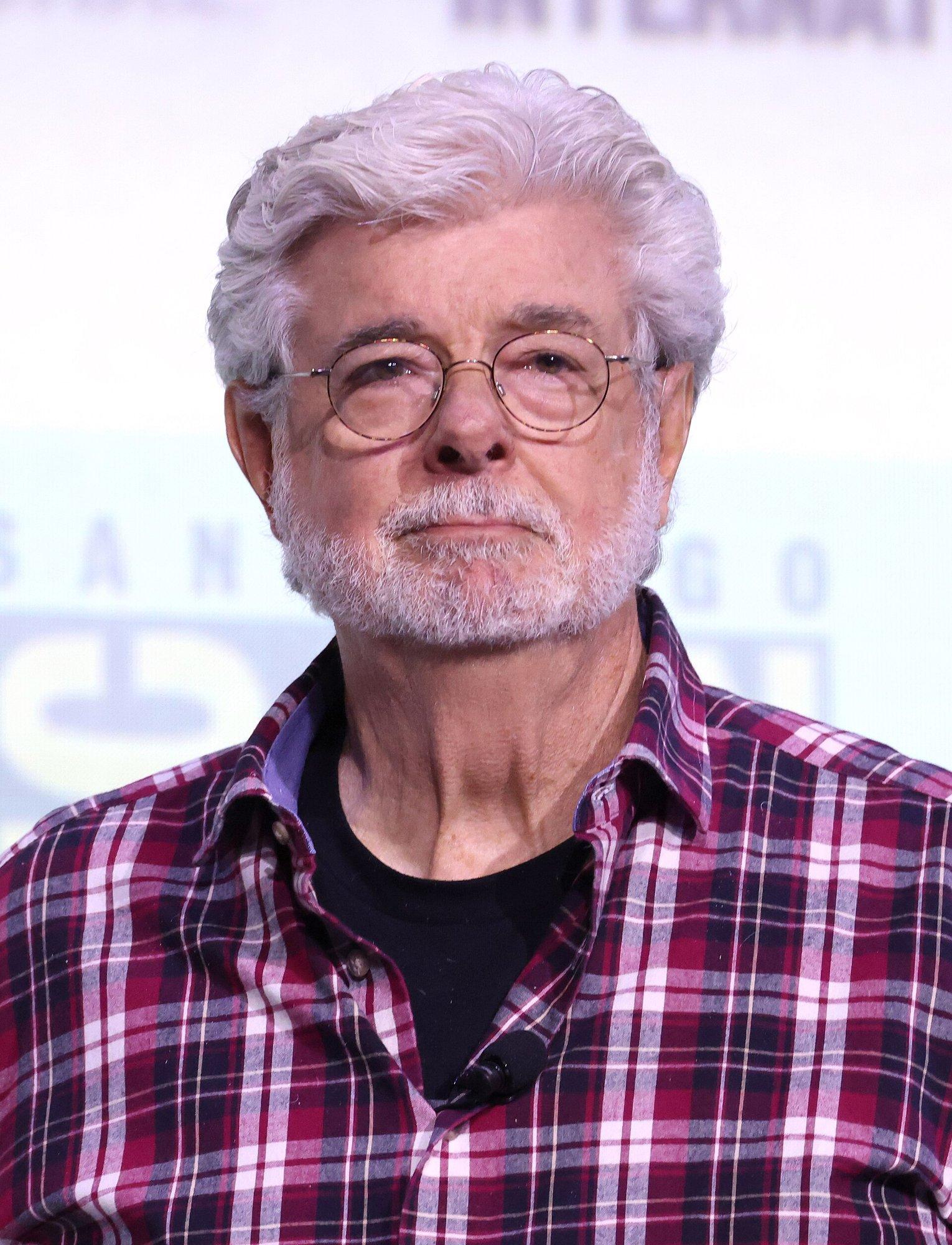
George Lucas.

Filmmaker · Philanthropist · Entrepreneur

George Lucas turned a teenage obsession with cars and visual experimentation into Star Wars, Indiana Jones and an industrial empire of film tools. Even at the height of blockbuster power, he kept acting less like a Hollywood courtier than a private systems-builder determined to make the movie—and the machinery behind it—his own way.

OBJECTIVE PERSONALITY CLASSIFICATIONFM-Ti/Ni-SC/P(B)What does this mean?
PERSONALITY SYSTEMObjective Personality
LEAD FUNCTIONTi · Introverted Thinking
SECOND SAVIOR FUNCTIONNi · Introverted Intuition
MBTI EQUIVALENTISTP
01 / BEHIND THE CLASSIFICATION

The personality behind the fame.

How does a recorded OPS classification like FM-Ti/Ni-SC/P(B) break down? Walk through nine coins and watch the proposed type take shape. These are deductions from the archived code, not independent evidence of typing accuracy.

Scroll below to see George Lucas take shape.

STARTING POINT512 possible OPS typesEach type combines core functions, an animal order, and sexual modalities.
THE FINISH LINEFM-Ti/Ni-SC/P(B)One recorded classification, decoded from its components.
George Lucas’ HUMAN NEEDS 01—03
01
DECIDER OR OBSERVER?

Decider over Observer

Deciders have more balanced Observer poles in the middle: Control (Oi) and Chaos (Oe). Organizing what's known and handling what's new tend to feel more manageable. People are the harder territory. Self (Di) and Tribe (De) sit at the extremes, so judgment, rejection, approval, and conflict can trigger the strongest reactions.

For a man famous for galaxies, Lucas's recurring public friction has been intensely human. The flashpoint around his career is rarely whether a camera can move or a spaceship can render; it is whether audiences, studios and collaborators will accept his decisions as the custodian of a beloved world. The Special Editions and the prequel trilogy drew mixed responses from fans and critics, turning creative control into social pressure. The strength here is unusual tolerance for judgment. The blind spot is assuming relational fallout can simply be endured instead of addressed earlier and more directly.
D
02
SELF OR TRIBE?

Di · Self over De · Tribe

Self (Di) is the stronger deciding pole. They check decisions against their own values or reasons first: what makes sense to me, what feels right to me? The strength is independent conviction; the recurring friction is the Tribe (De)—other people's standards, feedback, and expectations. As the portrait unfolds, notice how Self takes the lead.

Before Star Wars became a phenomenon, Lucas declined a higher fee for writing and directing and pushed instead for sequel and merchandising rights. That is Self over Tribe in a form that changed Hollywood: trusting his own valuation before the market fully agreed. The same pattern shows up in his long preference for remaining an independent filmmaker while building Lucasfilm around that independence. The payoff is obvious—creative and financial leverage. The cost is harder too. When you trust your own read that strongly, other people can feel like they are being asked to enter a plan that was already privately decided.

Di
03
GATHER OR ORGANIZE?

Oi · Organize over Oe · Gather

Organize (Oi) leads with refining, preserving, and structuring what is already known. Its strength is preparation and clear direction; the recurring friction is unexpected change that disrupts the plan. Another layer of the personality portrait comes into focus.

Lucas did not just make hit movies; he kept consolidating them into a system. By the 1990s he had reframed the prequels as the beginning of one long Saga, then repeatedly modified the original trilogy to bring it closer to his vision in 1997, 2004 and 2011. That is Organize over Gather: narrowing possibilities into a settled internal map. The strength is coherence—Star Wars, ILM, THX and Skywalker Sound all grew from building durable structure. The blind spot is that a finished map can keep overruling fresh alternatives long after other people would rather move on.

Oi
FIRST THREE COINSD + Di + Oi

These establish the preferred human needs in the OPS framework.

George Lucas’ FUNCTIONS 04—05
04
FEELING OR THINKING?

Thinking · T over Feeling · F

Thinking (T) evaluates decisions through reasons, logic, and what works—not a lack of emotion. Its strength is analytical consistency; Feeling (F) provides balance through values, meaning, and the human consequences of a decision. Combined with Self (Di), this forms the recorded Savior Ti.

When existing film infrastructure could not do what he needed, Lucas founded Industrial Light & Magic, THX, Skywalker Sound and LucasArts instead of merely complaining about the limits. Ti shows up here as mechanism-thinking: what is the system, where is it failing, and how do we redesign it? That is a formidable strength for a filmmaker working at technical edges. The cost is that an internally elegant solution is not automatically a socially elegant one. A clean structural answer can still strike collaborators or audiences as cold, over-controlled or insufficiently negotiated.

T → Ti
05
SENSING OR INTUITION?

Intuition · N over Sensing · S

Intuition (N) focuses on concepts, patterns, and what information might mean. Sensing (S) balances it through observable facts, physical detail, and direct experience. Combined with Organize (Oi), this gives the recorded Savior Ni.

Lucas first chased Flash Gordon, failed to get the rights, and then redirected that impulse into an original universe expansive enough to hold Star Wars, sequels, prequels, games and merchandising. That is Intuition in its more singular form: not just collecting influences, but compressing them into one governing vision. Ni gives him the ability to see a saga where others might see disconnected opportunities. The growth cost is rigidity. When the long-range picture feels compelling enough, alternate routes can look like distractions—even when one of them might solve the immediate problem more gracefully.

N → Ni
THE TWO SAVIOR FUNCTIONSTi / Ni

Opposing functions: Fe and Se. This is a jumper classification.

George Lucas’ ANIMAL STACK 06—07
06
PLAY OR SLEEP?

Sleep over Play

Play emphasizes external real-time engagement; Sleep emphasizes internal processing. The recorded stack places Sleep earlier.

After Return of the Jedi, Lucas stepped back from directing features for years, producing, rethinking and waiting until technology and life circumstances made the prequels worth directing himself. That pattern leans Sleep over Play. The strength of Sleep is internal consolidation: he does not need constant live interaction to know what he thinks. He can sit with an idea until it becomes precise. The blind spot is timing. Real-time exchange can arrive late, after the private version already feels finished, and other people are left responding to something that seems locked in.

S > P
07
CONSUME OR BLAST?

Consume over Blast

Consume gathers information for internal processing; Blast organizes and communicates information. The recorded order is Sleep → Consume → Play → Blast. This comparison follows their positions in that stack.

Lucas's studies in anthropology, sociology and literature, his fascination with underground and European film, and his habit of pulling from serials, samurai movies and technical research all show Consume landing before Blast. After he processes privately, he still wants more material, more references, more input. That gives his work unusual density; Star Wars feels built from a vast intake rather than a single pitch. The cost is familiar. More intake can keep enriching the world while postponing the plain outward explanation that helps everyone else know where the project actually ends.

C > B
George Lucas’ ANIMAL ORIENTATION 08—09
08
INFO OR ENERGY DOMINANT?

Energy over Info

Energy dominant means Play and Sleep are both in the top three: there is access to expending energy through engagement and conserving it through internal processing. Blast last leaves the information side uneven—Consume may gather far more than gets communicated.

Lucas's top three animals keep both conservation and engagement available, which helps explain a career that could alternate between retreating to refine a vision and then launching massive productions, companies and philanthropic projects around it. That Energy tilt is a real advantage: he can conserve effort, then spend it on an enormous build. But Blast sitting last creates the missing balance. The risk is not a shortage of ideas or labor. It is an information bottleneck, where the inner architecture gets richer than the outward briefing and other people must infer the plan from the finished machinery.

Energy
09
INTROVERSION OR EXTROVERSION?

Introversion over Extroversion

The last animal, Blast, determines this OPS coin: Play or Blast last means Introversion; Consume or Sleep last means Extroversion. This describes animal orientation, not sociability or shyness.

Lucas has spent decades at the center of blockbuster culture, yet this coin still lands on Introversion because Blast is last. The point is not whether he can lead or command attention; he plainly built companies, chose collaborators and shaped franchises. The question is how naturally a settled conclusion becomes a simple shared direction. Often the world itself—the film, the lore, the technology—does the talking for him. The growth edge is making the thesis clearer earlier, so collaborators can test it before it disappears into revisions, mythology or another beautifully engineered system.

I
Sexual Modalities

The four sexual modalities.

OPS uses masculine/feminine sensory and extroverted-deciding distinctions as framework-specific terms, not gender categories. The four modalities are already included in the original 512 types. The recorded modality is FM · Visual.

MM KinestheticMasculine Sensory · Masculine De
MF AudioMasculine Sensory · Feminine De
FF TesterFeminine Sensory · Feminine De
FM RECORDED MODALITYVisualFeminine Sensory · Masculine De
COMPLETE RECORDED OPS TYPE · MODALITY INCLUDEDFM-Ti/Ni-SC/P(B)

Ti leads, Ni supports, and the animal stack is Sleep → Consume → Play → Blast.

THE FINISHED PORTRAIT · ALL NINE COINS REVEALED

George Lucas's complete function and animal stack

SleepConsumePlayBlastfTifSemNimFe
FM-Ti/Ni-SC/P(B)DOUBLE ACTIVATED · CONSUMEExplore the Interactive Coin Builder →
THE GEORGE LUCAS LENS

The empire builder who kept revising the map.

George Lucas is often remembered as the man who industrialized wonder: Star Wars, ILM, THX, a sale to Disney big enough to reshape Hollywood. Behind that public scale was somebody notably less interested in celebrity than in building a controllable creative environment, from American Zoetrope to Lucasfilm, where the work could answer to the vision instead of the studio mood.

His Ti/Ni saviors are excellent at turning a private logic and a singular long-range picture into durable worlds. That strength made Lucas unusually capable of inventing not just stories but entire systems around them. The limit is familiar: once the internal model feels correct, other people's confusion can look secondary or late.

As a Decider and Double Observer, Lucas is dealing less with chaos in the outside world than with the human weight of significance, judgment and buy-in. He can often handle shifting circumstances better than messy people needs. The neglected function opposite his lead Ti is Fe, so the growth edge is not better ideas first but more visible consideration for how those ideas land with others.

Sleep → Consume → Play → Blast shows why the private workshop comes before the public briefing. Blast last can leave the message less explicit than the machine behind it, whether that means revisions, lore or another technical solution standing in for a plain explanation. Balance looks like stating the creative thesis earlier—in the room, not only on the screen—so his precision stays intact and collaboration gets easier.

Want to understand the Savior and Demon states behind these nine coins? Explore the complete explanation, visual examples, and typing principles on our Methodology page →

02 / KEEP EXPLORING

Different faces. Familiar patterns.

Explore other celebrities with related recorded OPS classifications. Related functions are not necessarily exact type matches.

Discover Type Twins
YOUR TURN

Curious about your own type?

Discover how your own personality might be classified through Objective Personality.

Get objectively typed
George Lucas's Personality Type & OPS Profile | The Personality Atlas