The Personality Atlas
THE CELEBRITY PERSONALITY ARCHIVE / MEDIA & MEDICINE

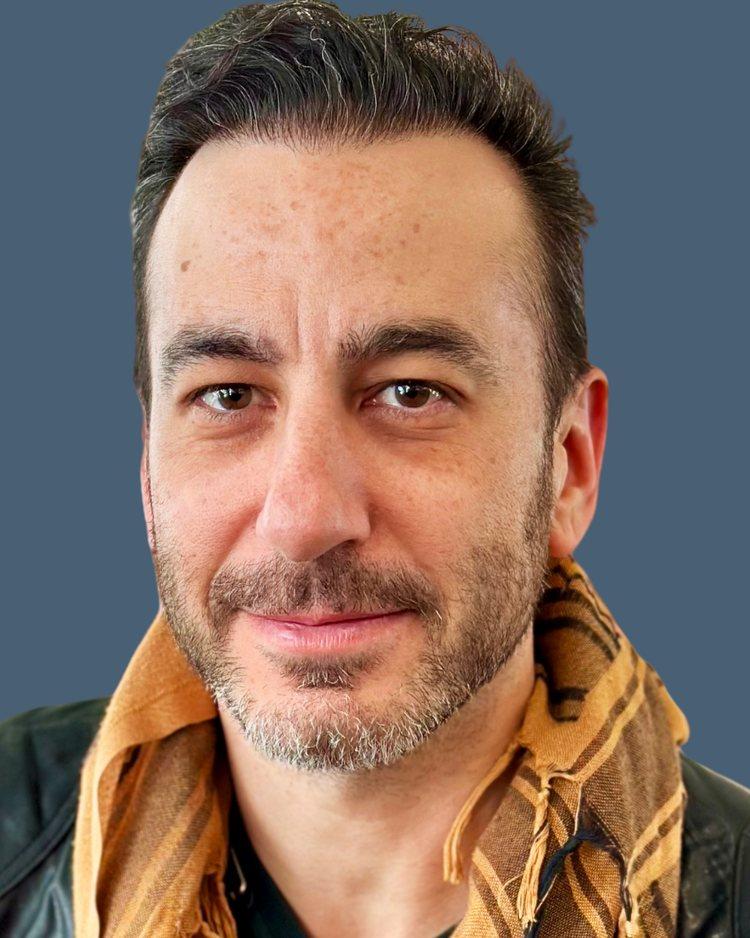
Dr Drew.

Physician · Radio Host · Addiction Specialist

Dr. Drew built an unusually durable public identity by threading a white-coat career through late-night confession radio, reality television, daytime talk, and podcasts. From Loveline to Celebrity Rehab to Ask Dr. Drew, he has spent four decades translating medicine into pop-culture language—often with bracing clarity, and sometimes with the risk that comes from sounding more certain than the moment deserves.

OBJECTIVE PERSONALITY CLASSIFICATIONMF-Ni/Ti-SB/C(P) #2What does this mean?
PERSONALITY SYSTEMObjective Personality
LEAD FUNCTIONNi · Introverted Intuition
SECOND SAVIOR FUNCTIONTi · Introverted Thinking
MBTI EQUIVALENTINFJ
01 / BEHIND THE CLASSIFICATION

The personality behind the fame.

How does a recorded OPS classification like MF-Ni/Ti-SB/C(P) #2 break down? Walk through nine coins and watch the proposed type take shape. These are deductions from the archived code, not independent evidence of typing accuracy.

Scroll below to see Dr Drew take shape.

STARTING POINT512 possible OPS typesEach type combines core functions, an animal order, and sexual modalities.
THE FINISH LINEMF-Ni/Ti-SB/C(P) #2One recorded classification, decoded from its components.
Dr Drew’s HUMAN NEEDS 01—03
01
DECIDER OR OBSERVER?

Observer over Decider

Observers have more balanced Decider poles in the middle: Self (Di) and Tribe (De). Their own perspective and other people's perspectives tend to be easier to navigate. Things are the harder territory. Control (Oi) and Chaos (Oe) sit at the extremes, so disrupted plans, uncertainty, and a changing world can trigger the strongest reactions.

Dr. Drew’s public life keeps circling one problem: reality does not obey the script. He built Loveline into a decades-long institution, moved into television with Celebrity Rehab and HLN, then kept adapting through podcasts when media changed again. That is classic Observer friction—circumstances, timing, public-health facts, and unstable environments pressing on the work itself. The advantage is resilience inside chaos: he keeps finding a format for the mission. The blind spot is betting too hard on a read of the situation. When conditions shift fast, certainty about the landscape can become its own liability.

O
02
SELF OR TRIBE?

Di · Self over De · Tribe

Self (Di) is the stronger deciding pole. They check decisions against their own values or reasons first: what makes sense to me, what feels right to me? The strength is independent conviction; the recurring friction is the Tribe (De)—other people's standards, feedback, and expectations. As the portrait unfolds, notice how Self takes the lead.

He has repeatedly shown a willingness to trust his own standard over the crowd’s. Pinsky said he would talk to TMZ or The National Enquirer but not the Los Angeles Times because he believed the paper distorted his comments. He also pursued an unusual hybrid career—private practice plus pop-culture media—long before that blend looked respectable. Self-first gives him independence and a stable internal barometer. The cost is relational: if his read feels sufficient, outside objections can look like noise until they become impossible to ignore. Growth means letting criticism refine the standard, not merely bounce off it.

Di
03
GATHER OR ORGANIZE?

Oi · Organize over Oe · Gather

Organize (Oi) leads with refining, preserving, and structuring what is already known. Its strength is preparation and clear direction; the recurring friction is unexpected change that disrupts the plan. Another layer of the personality portrait comes into focus.

Across Loveline, Dr. Drew On Call, his books, and his current podcasts, Pinsky keeps doing a similar thing: taking messy, intimate, often embarrassing material and putting it into an organized model people can follow. Organize-first thrives on that move from chaos to framework. It is a real strength for medicine and broadcasting alike; callers and viewers get a map, not just empathy or spectacle. The cost is rigidity. Once a framework proves useful, there is a temptation to keep forcing new cases into it, even when the newer facts deserve a less settled structure.

Oi
FIRST THREE COINSO + Di + Oi

These establish the preferred human needs in the OPS framework.

Dr Drew’s FUNCTIONS 04—05
04
FEELING OR THINKING?

Thinking · T over Feeling · F

Thinking (T) evaluates decisions through reasons, logic, and what works—not a lack of emotion. Its strength is analytical consistency; Feeling (F) provides balance through values, meaning, and the human consequences of a decision. Combined with Self (Di), this forms the recorded Savior Ti.

His public style has long leaned on Thinking: mechanism first, sentiment second. On Loveline and in books like When Painkillers Become Dangerous, he became known for breaking behavior down into physiology, incentives, risk, and consequences rather than simply affirming how someone felt. That gives him a useful edge as a translator of taboo subjects; he can make loaded material sound discussable. The blind spot is tone and overclosure. People are not only mechanisms, and a clean analytical frame can come off colder—or more complete—than the actual human situation warrants.

T → Ti
05
SENSING OR INTUITION?

Intuition · N over Sensing · S

Intuition (N) focuses on concepts, patterns, and what information might mean. Sensing (S) balances it through observable facts, physical detail, and direct experience. Combined with Organize (Oi), this gives the recorded Savior Ni.

Ni shows up in how relentlessly he pursued one through-line: medicine translated into mass culture. Even while still in medical school, he stepped into radio, later built Loveline nationally, launched an early teen advice site, and kept returning to the same future-facing question of how to reach younger audiences where they already were. Intuition gives him a strong thesis and a memorable lane. The drawback is tunnel vision. A compelling long-range read can make him early to a trend—or too attached to a forecast that reality has not yet earned.

N → Ni
THE TWO SAVIOR FUNCTIONSNi / Ti

Opposing functions: Se and Fe. This is a jumper classification.

Dr Drew’s ANIMAL STACK 06—07
06
PLAY OR SLEEP?

Sleep over Play

Play emphasizes external real-time engagement; Sleep emphasizes internal processing. The recorded stack places Sleep earlier.

Sleep comes earlier than Play here, and that contrast fits the public Dr. Drew brand more than his constant airtime might suggest. The physician-author who wrote Cracked and maintained a private medical practice projects someone who wants an internal framework in place before stepping into the noise. The strength is coherence: he rarely sounds lost in his own material. The growth cost is that spontaneous back-and-forth can arrive after the conclusion has already hardened. When open-ended exchange is later, another person may meet the verdict before they meet the curiosity.

S > P
07
CONSUME OR BLAST?

Blast over Consume

Consume gathers information for internal processing; Blast organizes and communicates information. The recorded order is Sleep → Blast → Consume → Play. This comparison follows their positions in that stack.

Blast lands earlier than Consume, which helps explain why Pinsky has spent so much of his career in the role of public explainer. He hosted call-in shows, fronted television programs, spoke on campuses, and repeatedly turned specialized medical material into crisp takeaways for large audiences. That is a real strength: many experts know more than they can say, while he can say it. The risk is moving to the verdict too quickly. Early 2020 showed the cost—public conclusions about COVID had to be walked back once the fuller reality came into view.

B > C
Dr Drew’s ANIMAL ORIENTATION 08—09
08
INFO OR ENERGY DOMINANT?

Info over Energy

Info dominant means Consume and Blast are both in the top three: gathering and communicating information are more balanced. Play last leaves the energy side uneven—Sleep can conserve energy without enough spontaneous outward engagement.

With Sleep, Blast, and Consume all above Play, the profile tilts Info. In practice, that looks like someone who can gather medical material, process it privately, and package it for mass audiences across radio, TV, books, and podcasts. His career is a long demonstration of translating expertise into shareable form. The missing balance sits with Play last: spontaneous give-and-take does not automatically rise with the same ease as building and delivering the message. That can make broad communication impressive while leaving coalition-building and real-time adjustment more expensive than they first appear.

Info
09
INTROVERSION OR EXTROVERSION?

Introversion over Extroversion

The last animal, Play, determines this OPS coin: Play or Blast last means Introversion; Consume or Sleep last means Extroversion. This describes animal orientation, not sociability or shyness.

This stack resolves to Introversion, and Dr. Drew is a good reminder that OPS introversion is not a synonym for shyness. He has spent forty years on microphones and camera sets. The point is different: open-ended external interaction comes later than private processing and structured explanation. Even on highly social platforms, he often sounds like a man bringing a preformed model to the conversation. The strength is steadiness under public pressure. The blind spot is that a room can feel engaged while still not feeling met, especially when live feedback needs to alter the frame rather than decorate it.

I
Sexual Modalities

The four sexual modalities.

OPS uses masculine/feminine sensory and extroverted-deciding distinctions as framework-specific terms, not gender categories. The four modalities are already included in the original 512 types. The recorded modality is MF · Audio.

MM KinestheticMasculine Sensory · Masculine De
MF RECORDED MODALITYAudioMasculine Sensory · Feminine De
FF TesterFeminine Sensory · Feminine De
FM VisualFeminine Sensory · Masculine De
ADDITIONAL LAYER · SOCIAL TYPE

The four social types.

Social types are an additional layer on top of the original Objective Personality classification, introduced later in OPS research. They describe two proposed social preference coins: Flex vs. Friends and Generalize vs. Specialize. The combination and priority of these preferences produce four social types. Dr Drew's recorded social type is #2.

SOCIAL #1 #1Flex · Generalize
SOCIAL #2 RECORDED SOCIAL TYPE#2Generalize · Friends
SOCIAL #3 #3Specialize · Flex
SOCIAL #4 #4Friends · Specialize
COMPLETE RECORDED OPS TYPE · MODALITY INCLUDED + SOCIAL TYPEMF-Ni/Ti-SB/C(P) #2

Ni leads, Ti supports, and the animal stack is Sleep → Blast → Consume → Play.

THE FINISHED PORTRAIT · ALL NINE COINS REVEALED

Dr Drew's complete function and animal stack

SleepBlastConsumePlayfNifFemTimSe
MF-Ni/Ti-SB/C(P) #2DOUBLE ACTIVATED · SLEEPExplore the Interactive Coin Builder →
THE DR DREW LENS

The doctor who made expertise into broadcast form.

For decades, Drew Pinsky sounded like the calm adult in rooms built for chaos. Loveline turned late-night sex and addiction calls into a ritual of triage, and Celebrity Rehab pushed that same authority into reality TV. Behind the tabloid adjacency was a physician deliberately trying, by his own account, to stay relevant to young people rather than retreat into strictly clinical prestige.

Ni/Ti gives him a signature strength: compress scattered symptoms, headlines, and call-in stories into one underlying pattern. That through-line let him move from hospitals to radio, books, television, and podcasts without losing his central role as explainer. The limit is visible too. A strong internal model can sound finished before the situation is, so later facts may force an expensive public revision.

As an Observer and Double Decider, his recurring strain centers more on mapping reality correctly than on endlessly negotiating every person’s approval. That steadiness can help him absorb criticism without collapsing into it. The imbalance is human needs around control and certainty, not tribe drama. The neglected function is Se, opposite lead Ni: immediate facts, exceptions, and inconvenient data that resist the forecast.

Sleep → Blast → Consume → Play describes someone who processes privately, then teaches, then gathers more, with open-ended real-time interaction last. That ordering helped make him a formidable broadcast explainer, but it can leave spontaneous adjustment and collaborative correction less preferred than a settled frame. The balancing move is concrete: keep the sharp synthesis, but build in live dissent and fresh evidence before locking the message.

Want to understand the Savior and Demon states behind these nine coins? Explore the complete explanation, visual examples, and typing principles on our Methodology page →

02 / KEEP EXPLORING

Different faces. Familiar patterns.

Explore other celebrities with related recorded OPS classifications. Related functions are not necessarily exact type matches.

Discover Type Twins
YOUR TURN

Curious about your own type?

Discover how your own personality might be classified through Objective Personality.

Get objectively typed
Dr Drew's Personality Type & OPS Profile | The Personality Atlas