The Personality Atlas
THE CELEBRITY PERSONALITY ARCHIVE / FILM & COMEDY

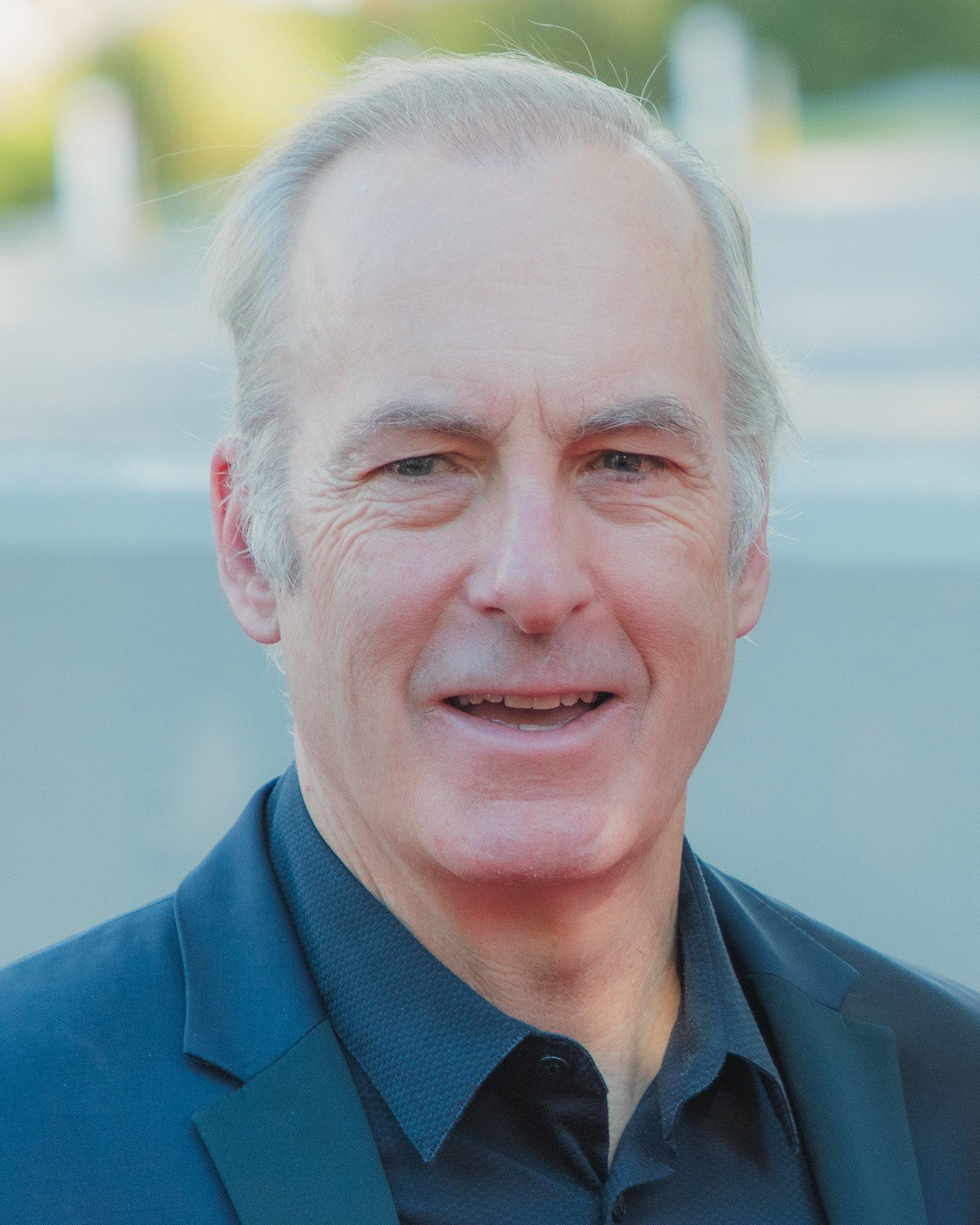
Bob Odenkirk.

Actor · Writer · Comedian · Producer

From Saturday Night Live and Mr. Show to the long, exacting climb of Better Call Saul and the bruised-action pivot of Nobody, Bob Odenkirk has built a career out of sharpened premises, delayed payoffs and strategic reinvention. The public impression is a fast-talking schemer with comic instincts; the deeper pattern is a writer-performer who keeps narrowing a messy industry into one usable angle at a time.

OBJECTIVE PERSONALITY CLASSIFICATIONMF-Ni/Ti-SB/C(P)What does this mean?
PERSONALITY SYSTEMObjective Personality
LEAD FUNCTIONNi · Introverted Intuition
SECOND SAVIOR FUNCTIONTi · Introverted Thinking
MBTI EQUIVALENTINFJ
01 / BEHIND THE CLASSIFICATION

The personality behind the fame.

How does a recorded OPS classification like MF-Ni/Ti-SB/C(P) break down? Walk through nine coins and watch the proposed type take shape. These are deductions from the archived code, not independent evidence of typing accuracy.

Scroll below to see Bob Odenkirk take shape.

STARTING POINT512 possible OPS typesEach type combines core functions, an animal order, and sexual modalities.
THE FINISH LINEMF-Ni/Ti-SB/C(P)One recorded classification, decoded from its components.
Bob Odenkirk’s HUMAN NEEDS 01—03
01
DECIDER OR OBSERVER?

Observer over Decider

Observers have more balanced Decider poles in the middle: Self (Di) and Tribe (De). Their own perspective and other people's perspectives tend to be easier to navigate. Things are the harder territory. Control (Oi) and Chaos (Oe) sit at the extremes, so disrupted plans, uncertainty, and a changing world can trigger the strongest reactions.

Bob Odenkirk’s career keeps turning on circumstance more than simple popularity. The Ben Stiller Show won an Emmy after it had already been canceled. Mr. Show became a cult landmark without becoming mainstream. Saul Goodman was supposed to be a three-episode guest role before the conditions changed and the character expanded. That pattern points to someone wrestling first with timing, platforms and unpredictable openings. The strength is adaptability inside a chaotic business. The blind spot is spending too much energy on the shape of the opportunity instead of accepting that no career ever arrives in a perfectly controlled form.


O
02
SELF OR TRIBE?

Di · Self over De · Tribe

Self (Di) is the stronger deciding pole. They check decisions against their own values or reasons first: what makes sense to me, what feels right to me? The strength is independent conviction; the recurring friction is the Tribe (De)—other people's standards, feedback, and expectations. As the portrait unfolds, notice how Self takes the lead.

Leaving Saturday Night Live to pursue performing, abandoning stand-up because he hated telling the same joke twice, and continuing to chase his own projects through pilots that never got picked up all show an inner standard that does not wait around for a committee. The strength of Self over Tribe is conviction: the work sounds authored, not focus-grouped. The cost is that a personally clean decision can still confuse collaborators, miss a market, or look stubborn from the outside. Trusting your own judgment protects originality; it also guarantees that some doors close for reasons you do not find persuasive.

Di
03
GATHER OR ORGANIZE?

Oi · Organize over Oe · Gather

Organize (Oi) leads with refining, preserving, and structuring what is already known. Its strength is preparation and clear direction; the recurring friction is unexpected change that disrupts the plan. Another layer of the personality portrait comes into focus.

Odenkirk’s public path looks varied, but the throughline is unusually narrow. As a teenager he latched onto Monty Python’s mix of cerebral humor and silliness, then kept building toward writing, sketch performance and character work in Chicago, at SNL, and eventually in projects he steered himself. Organize over Gather is not about lacking options; he clearly had many. It is about reducing those options into a stronger line. That gives a career coherence. The tradeoff is selectivity: when the inner map is already vivid, detours and open-ended experimentation can look like distractions until reality forces a pivot.

Oi
FIRST THREE COINSO + Di + Oi

These establish the preferred human needs in the OPS framework.

Bob Odenkirk’s FUNCTIONS 04—05
04
FEELING OR THINKING?

Thinking · T over Feeling · F

Thinking (T) evaluates decisions through reasons, logic, and what works—not a lack of emotion. Its strength is analytical consistency; Feeling (F) provides balance through values, meaning, and the human consequences of a decision. Combined with Self (Di), this forms the recorded Savior Ti.

His writing career is full of machine-like construction. He wrote Matt Foley for Chris Farley, created sketches like Manson Lassie, and spent years in rooms where the premise had to survive line by line. That is a useful picture of Thinking: tightening the mechanism until it works, not merely reacting to whether the room feels nice. The strength is precision. The limit is that a sharply engineered idea can still miss commercially, as some of his directed features did. A clever internal logic does not automatically solve audience appetite, studio timing, or how much friction another person will tolerate.

T → Ti
05
SENSING OR INTUITION?

Intuition · N over Sensing · S

Intuition (N) focuses on concepts, patterns, and what information might mean. Sensing (S) balances it through observable facts, physical detail, and direct experience. Combined with Organize (Oi), this gives the recorded Savior Ni.

Odenkirk’s biggest reinvention was not random ambition; it was a long arc finally becoming visible. Years of sketch writing, acting and tonal control made him legible to Peter Gould and others as Saul Goodman, then capable of carrying Jimmy McGill across Better Call Saul. That is Intuition at its best: seeing the larger thread before the public does. The strength is convergence. The cost is that the vision can outrun the immediate physical world, which is why the Nobody leap required two years of concrete training and stunt preparation to make the concept believable on screen.

N → Ni
THE TWO SAVIOR FUNCTIONSNi / Ti

Opposing functions: Se and Fe. This is a jumper classification.

Bob Odenkirk’s ANIMAL STACK 06—07
06
PLAY OR SLEEP?

Sleep over Play

Play emphasizes external real-time engagement; Sleep emphasizes internal processing. The recorded stack places Sleep earlier.

Sleep shows up in how much of Odenkirk’s work feels internally cooked before it is public. He disliked stand-up because it meant repeating the same joke, but he flourished in writing rooms, sketch construction, memoir, and long-form character development where the material could be processed and shaped first. Even his dramatic breakthrough arrived after years of quieter accumulation. The strength of Sleep is depth and refinement. The blind spot is that too much private settling can delay the messy benefits of real-time exchange. The growth cost is showing work earlier, before every angle feels fully digested.

S > P
07
CONSUME OR BLAST?

Blast over Consume

Consume gathers information for internal processing; Blast organizes and communicates information. The recorded order is Sleep → Blast → Consume → Play. This comparison follows their positions in that stack.

Blast arrives earlier than Consume in his stack, and that fits a career built not just on ideas but on making them legible. He did not merely admire Tim Heidecker and Eric Wareheim’s voice from afar; he helped them develop a show. He moved from writer’s rooms into creating Mr. Show, publishing books, producing Better Call Saul, and fronting projects with a clear point of view. The strength of Blast is decisive communication. The limit is that a strong conclusion can harden early. More input may still be needed after the premise already sounds convincing enough to pitch.

B > C
Bob Odenkirk’s ANIMAL ORIENTATION 08—09
08
INFO OR ENERGY DOMINANT?

Info over Energy

Info dominant means Consume and Blast are both in the top three: gathering and communicating information are more balanced. Play last leaves the energy side uneven—Sleep can conserve energy without enough spontaneous outward engagement.

Odenkirk’s stack is Info-dominant, which makes sense for someone whose public life keeps cycling between absorbing material and turning it into something shareable: SNL, Conan, Mr. Show, books, producing, prestige drama, even a Broadway debut. He can gather what works, refine it, and present it with unusual clarity. The missing balance comes from Play being last. That does not erase collaboration; his résumé is full of it. It suggests the weaker spot is spontaneous back-and-forth for its own sake. The growth edge is not more preparation, but more live contact before the conclusion fully hardens.

Info
09
INTROVERSION OR EXTROVERSION?

Introversion over Extroversion

The last animal, Play, determines this OPS coin: Play or Blast last means Introversion; Consume or Sleep last means Extroversion. This describes animal orientation, not sociability or shyness.

His recorded stack ends with Play, which is why this coin lands on Introversion in the OPS sense. That does not mean Bob Odenkirk lacks stage presence; the man played Saul Goodman, made sketch comedy, and even heckled Jon Hamm at NFL Honors. The question is not social boldness, but what comes later in the stack. Sleep, Blast and Consume all arrive before improvisational engagement. The strength is a persona with internal control behind it. The cost is hesitation around looser, less-scripted interaction. Growth means entering the exchange sooner, without waiting until the angle is already polished.

I
Sexual Modalities

The four sexual modalities.

OPS uses masculine/feminine sensory and extroverted-deciding distinctions as framework-specific terms, not gender categories. The four modalities are already included in the original 512 types. The recorded modality is MF · Audio.

MM KinestheticMasculine Sensory · Masculine De
MF RECORDED MODALITYAudioMasculine Sensory · Feminine De
FF TesterFeminine Sensory · Feminine De
FM VisualFeminine Sensory · Masculine De
COMPLETE RECORDED OPS TYPE · MODALITY INCLUDEDMF-Ni/Ti-SB/C(P)

Ni leads, Ti supports, and the animal stack is Sleep → Blast → Consume → Play.

THE FINISHED PORTRAIT · ALL NINE COINS REVEALED

Bob Odenkirk's complete function and animal stack

SleepBlastConsumePlayfNifFemTimSe
MF-Ni/Ti-SB/C(P)DOUBLE ACTIVATED · SLEEPExplore the Interactive Coin Builder →
THE BOB ODENKIRK LENS

The careful man behind the fast talker

Saul Goodman can make Bob Odenkirk look like pure momentum: patter, nerve, a man already selling the next angle. The career underneath is slower and more deliberate. He spent years writing at SNL, Conan, and The Ben Stiller Show before Mr. Show and Better Call Saul made that patient construction visible.

Ni/Ti is the engine. Ni narrows a noisy industry into a singular line; Ti pressure-tests the joke, scene, or character until it works. That pairing helped him move from sketch writing to the long moral machinery of Jimmy McGill. Its limit is rigidity: a highly refined vision can meet the market, the schedule, or the audience later than expected.

As an Observer and Double Decider, Odenkirk’s recurring strain lands less in people drama than in handling the changing map of reality. The human-needs imbalance is around control, uncertainty, and what the situation is turning into. Neglected Se, opposite his lead Ni, asks for direct contact with immediate facts instead of the cleaner long-range read.

Sleep → Blast → Consume → Play explains why a public performer can still be OPS Introverted. He processes, states the point, gathers more, and leaves spontaneous engagement for last. The imbalance is not lack of talent with people; it is delaying live exchange. A useful balance is to invite trusted collaborators in while the idea is still rough.

Want to understand the Savior and Demon states behind these nine coins? Explore the complete explanation, visual examples, and typing principles on our Methodology page →

02 / KEEP EXPLORING

Different faces. Familiar patterns.

Explore other celebrities with related recorded OPS classifications. Related functions are not necessarily exact type matches.

Discover Type Twins
YOUR TURN

Curious about your own type?

Discover how your own personality might be classified through Objective Personality.

Get objectively typed
Bob Odenkirk's Personality Type & OPS Profile | The Personality Atlas