Decider over Observer
Deciders have more balanced Observer poles in the middle: Control (Oi) and Chaos (Oe). Organizing what's known and handling what's new tend to feel more manageable. People are the harder territory. Self (Di) and Tribe (De) sit at the extremes, so judgment, rejection, approval, and conflict can trigger the strongest reactions.
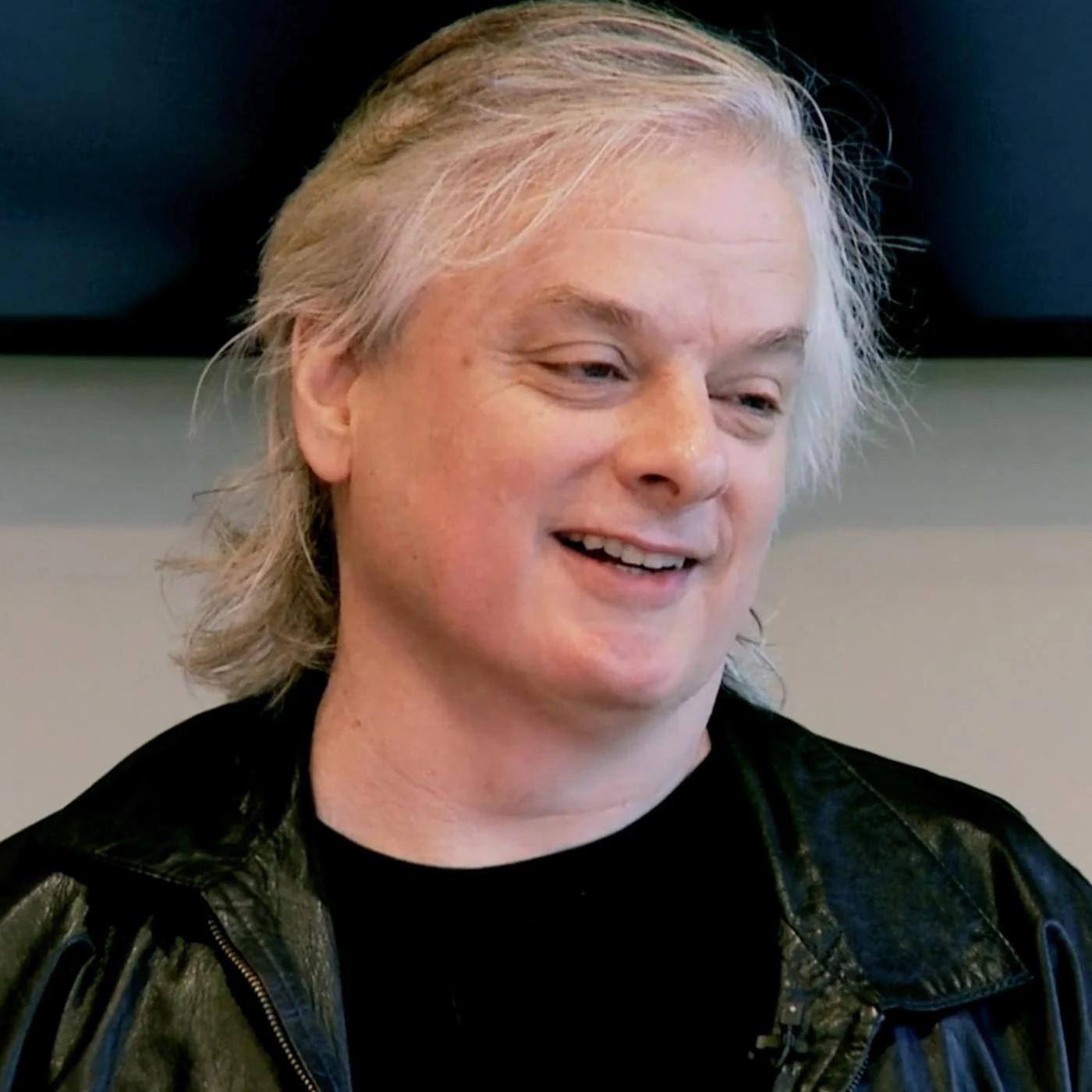
Chalmers became a defining public voice in consciousness studies not by fixing a messy external situation, but by inserting himself into arguments that split thinkers. The 1994 lecture that pushed him into prominence and the decades of replies from critics like Daniel Dennett and John Searle show a Decider pattern: the friction lives in judgment, standards and whose explanation counts. His strength is refusing to let intellectual status settle the question for him. The blind spot is that a debate can become so centered on who accepts the frame that the shared practical bridge to opponents gets thinner.