The Personality Atlas
THE CELEBRITY PERSONALITY ARCHIVE / BUSINESS & MEDIA

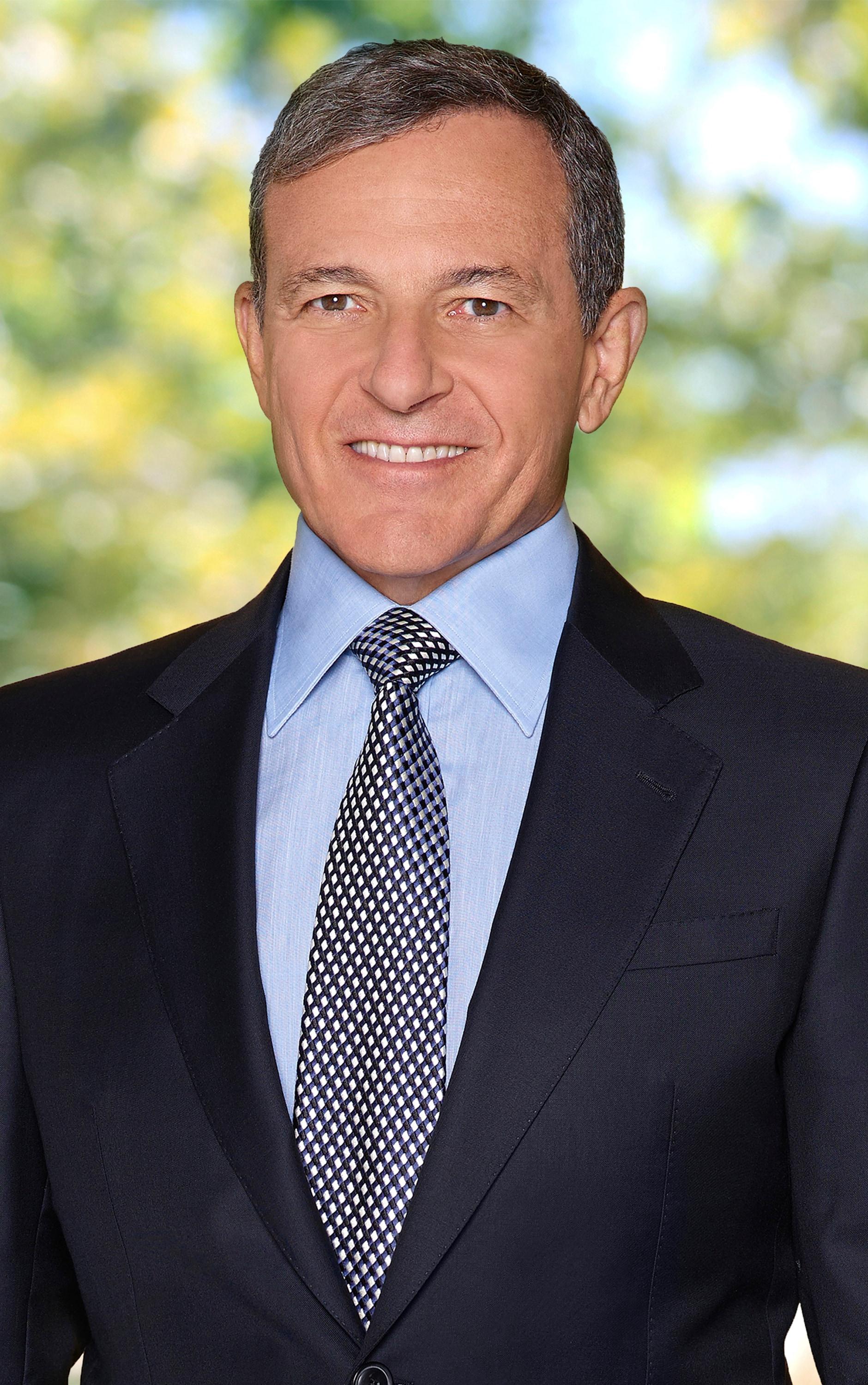
Bob Iger.

Media Executive · Author

Bob Iger spent two long tours atop Disney turning a legacy entertainment company into an acquisition machine, a global parks operator and a streaming rival. The public image is polished steadiness. The more revealing pattern is how often his career hinges on choosing a direction early, then reorganizing an enormous institution until reality matches the line.

OBJECTIVE PERSONALITY CLASSIFICATIONMM-Ti/Ni-SC/B(P)What does this mean?
PERSONALITY SYSTEMObjective Personality
LEAD FUNCTIONTi · Introverted Thinking
SECOND SAVIOR FUNCTIONNi · Introverted Intuition
MBTI EQUIVALENTISTP
01 / BEHIND THE CLASSIFICATION

The personality behind the fame.

How does a recorded OPS classification like MM-Ti/Ni-SC/B(P) break down? Walk through nine coins and watch the proposed type take shape. These are deductions from the archived code, not independent evidence of typing accuracy.

Scroll below to see Bob Iger take shape.

STARTING POINT512 possible OPS typesEach type combines core functions, an animal order, and sexual modalities.
THE FINISH LINEMM-Ti/Ni-SC/B(P)One recorded classification, decoded from its components.
Bob Iger’s HUMAN NEEDS 01—03
01
DECIDER OR OBSERVER?

Decider over Observer

Deciders have more balanced Observer poles in the middle: Control (Oi) and Chaos (Oe). Organizing what's known and handling what's new tend to feel more manageable. People are the harder territory. Self (Di) and Tribe (De) sit at the extremes, so judgment, rejection, approval, and conflict can trigger the strongest reactions.

Bob Iger’s career is remembered for giant corporate moves, but the recurring friction is usually not raw market chaos alone. It is leadership, trust and whose judgment gets to steer the machine. He rose through ABC, replaced Michael Eisner, installed a successor, then was brought back after Bob Chapek’s dismissal. Even his 2023 strike comments became a people problem before they were a business problem. The strength here is making decisions under social pressure. The blind spot is that human fallout can become harder to manage than the strategy itself.

D
02
SELF OR TRIBE?

Di · Self over De · Tribe

Self (Di) is the stronger deciding pole. They check decisions against their own values or reasons first: what makes sense to me, what feels right to me? The strength is independent conviction; the recurring friction is the Tribe (De)—other people's standards, feedback, and expectations. As the portrait unfolds, notice how Self takes the lead.

One of Iger’s first big acts as Disney CEO was disbanding the company’s Strategic Planning division and reshaping authority around a simpler operating vision. That move, along with bets like Pixar and Marvel, reads less like committee drift and more like a leader trusting his own internal standard. Self-first can be a major advantage in a boardroom: the call gets made. The cost is that a privately settled judgment can sound final before other people feel included, which helps explain why some of his public comments have landed as cool or top-down.

Di
03
GATHER OR ORGANIZE?

Oi · Organize over Oe · Gather

Organize (Oi) leads with refining, preserving, and structuring what is already known. Its strength is preparation and clear direction; the recurring friction is unexpected change that disrupts the plan. Another layer of the personality portrait comes into focus.

Iger’s public track record is full of long-arc organization: folding Pixar, Marvel, Lucasfilm and Fox assets into one wider Disney ecosystem, building out East Asia parks, and pushing direct-to-consumer strategy before it was comfortable. Organize-first likes a through-line more than an endless menu of options. The strength is coherence at scale; separate assets start serving one durable vision. The blind spot is overcommitting to a preferred map. Succession delays and repeated contract extensions suggest how hard it can be to leave an established structure truly open-ended.

Oi
FIRST THREE COINSD + Di + Oi

These establish the preferred human needs in the OPS framework.

Bob Iger’s FUNCTIONS 04—05
04
FEELING OR THINKING?

Thinking · T over Feeling · F

Thinking (T) evaluates decisions through reasons, logic, and what works—not a lack of emotion. Its strength is analytical consistency; Feeling (F) provides balance through values, meaning, and the human consequences of a decision. Combined with Self (Di), this forms the recorded Savior Ti.

Iger’s Thinking side shows up in how often he strips a situation to leverage, structure and system design. The Pixar deal was not just a trophy purchase; it reset Disney’s animation relationship and made Steve Jobs Disney’s largest shareholder. That is the flavor of internal logic looking for the cleanest mechanism. The strength is precision: he can reorganize a messy institution without treating every tradition as sacred. The limit is tone. A sharp analysis can read as detached when employees, artists or critics are listening for acknowledgment before argument.

T → Ti
05
SENSING OR INTUITION?

Intuition · N over Sensing · S

Intuition (N) focuses on concepts, patterns, and what information might mean. Sensing (S) balances it through observable facts, physical detail, and direct experience. Combined with Organize (Oi), this gives the recorded Savior Ni.

The visionary reputation attached to Iger makes more sense when you notice how often he works from an invisible future picture. Disney under him was not merely a collection of TV networks, film studios and parks; it became a branded intellectual-property engine stretching from Shanghai to streaming. Intuition’s strength is seeing the pattern before the spreadsheet looks obvious. Marvel paying for itself at the box office later only sharpened that image. The cost is that a convincing future story can outrun present execution, leaving critics to attack the gap between the vision and the quarter.

N → Ni
THE TWO SAVIOR FUNCTIONSTi / Ni

Opposing functions: Fe and Se. This is a jumper classification.

Bob Iger’s ANIMAL STACK 06—07
06
PLAY OR SLEEP?

Sleep over Play

Play emphasizes external real-time engagement; Sleep emphasizes internal processing. The recorded stack places Sleep earlier.

Iger’s public style often looks less like improvising in the room and more like arriving with the room already processed. Sleep over Play fits the executive who writes a memoir called The Ride of a Lifetime, returns to Disney with a settled mandate, and tends to speak in composed, finished lines. The strength is internal clarity before action. The blind spot is that fast, messy back-and-forth can show up after the conclusion feels set, making spontaneity look like noise rather than useful information.

S > P
07
CONSUME OR BLAST?

Consume over Blast

Consume gathers information for internal processing; Blast organizes and communicates information. The recorded order is Sleep → Consume → Blast → Play. This comparison follows their positions in that stack.

His career also shows taking in material before declaring the message. He started in television production, rose through ABC, handled the Calgary Olympics under pressure, and spent years learning the machinery before becoming the public face of Disney’s strategy. Consume over Blast gives him range: he does not need to guess from a distance when he can absorb the details first. Paired with that strong inner processing, it creates unusually informed decisions. The tradeoff is delay or compression. By the time he speaks, the line can be clear but narrower than the room expected.

C > B
Bob Iger’s ANIMAL ORIENTATION 08—09
08
INFO OR ENERGY DOMINANT?

Info over Energy

Info dominant means Consume and Blast are both in the top three: gathering and communicating information are more balanced. Play last leaves the energy side uneven—Sleep can conserve energy without enough spontaneous outward engagement.

Iger’s stack is Info-dominant, which fits a career built on understanding complex media assets and then turning them into a legible corporate story. He gathered enough signal to buy Pixar, Marvel, Lucasfilm and Fox, then sold those moves as parts of a larger Disney direction. That information balance is a real strength. The weaker edge is live human exchange when the script breaks. Public criticism around labor comments and other controversies suggests how quickly a polished explanation can feel insufficient if the moment demands more back-and-forth than presentation.

Info
09
INTROVERSION OR EXTROVERSION?

Introversion over Extroversion

The last animal, Play, determines this OPS coin: Play or Blast last means Introversion; Consume or Sleep last means Extroversion. This describes animal orientation, not sociability or shyness.

This profile lands on Introversion, which can sound strange for a globally visible CEO until you use the OPS meaning instead of the cocktail-party one. Iger has spent decades in meetings, interviews and negotiations; that does not cancel a pattern where private processing and internal certainty come before spontaneous interaction. In his case, Play is last. The strength is composure and consistency at scale. The growth edge is letting more unscripted challenge into the process earlier, especially before labor, political or creative tensions harden around a finished corporate line.

I
Sexual Modalities

The four sexual modalities.

OPS uses masculine/feminine sensory and extroverted-deciding distinctions as framework-specific terms, not gender categories. The four modalities are already included in the original 512 types. The recorded modality is MM · Kinesthetic.

MM RECORDED MODALITYKinestheticMasculine Sensory · Masculine De
MF AudioMasculine Sensory · Feminine De
FF TesterFeminine Sensory · Feminine De
FM VisualFeminine Sensory · Masculine De
COMPLETE RECORDED OPS TYPE · MODALITY INCLUDEDMM-Ti/Ni-SC/B(P)

Ti leads, Ni supports, and the animal stack is Sleep → Consume → Blast → Play.

THE FINISHED PORTRAIT · ALL NINE COINS REVEALED

Bob Iger's complete function and animal stack

SleepConsumeBlastPlayfTimSefNimFe
MM-Ti/Ni-SC/B(P)DOUBLE ACTIVATED · SLEEPExplore the Interactive Coin Builder →
THE BOB IGER LENS

The empire builder with a settled line.

Iger’s public image is the calm executive who made gigantic bets look inevitable: Pixar in 2006, Marvel in 2009, Lucasfilm in 2012, Shanghai Disney in 2016, then a return to Disney after Chapek’s firing. Behind that polish is not just charisma, but a leader who prefers arriving with a direction already clarified.

His Ti/Ni pairing is powerful for exactly that reason. Ti keeps asking what the cleanest internal logic is; Ni keeps narrowing sprawling media assets into one future picture. That combination can build an empire out of scattered properties. Its limit is familiar too: a logically tidy vision can sound emotionally finished before the broader group feels carried along by it.

As a Decider and Double Observer, Iger’s central strain is less about chaos in the world than about judgment, leadership legitimacy and whose standard sets the course. That pairing often overworks the people problem while still seeing many angles on the facts. The neglected function opposite his lead savior is Fe, the active work of reading and managing shared emotional buy-in.

Sleep → Consume → Blast → Play puts private processing first and spontaneous engagement last. That can produce unusually composed leadership and a clean public story, but Play last risks meeting dissent only after the line is already formed. Keep the long-range clarity; add earlier unscripted sessions with labor, creative and operating voices before the final message is locked.

Want to understand the Savior and Demon states behind these nine coins? Explore the complete explanation, visual examples, and typing principles on our Methodology page →

02 / KEEP EXPLORING

Different faces. Familiar patterns.

Explore other celebrities with related recorded OPS classifications. Related functions are not necessarily exact type matches.

Discover Type Twins
YOUR TURN

Curious about your own type?

Discover how your own personality might be classified through Objective Personality.

Get objectively typed
Bob Iger's Personality Type & OPS Profile | The Personality Atlas