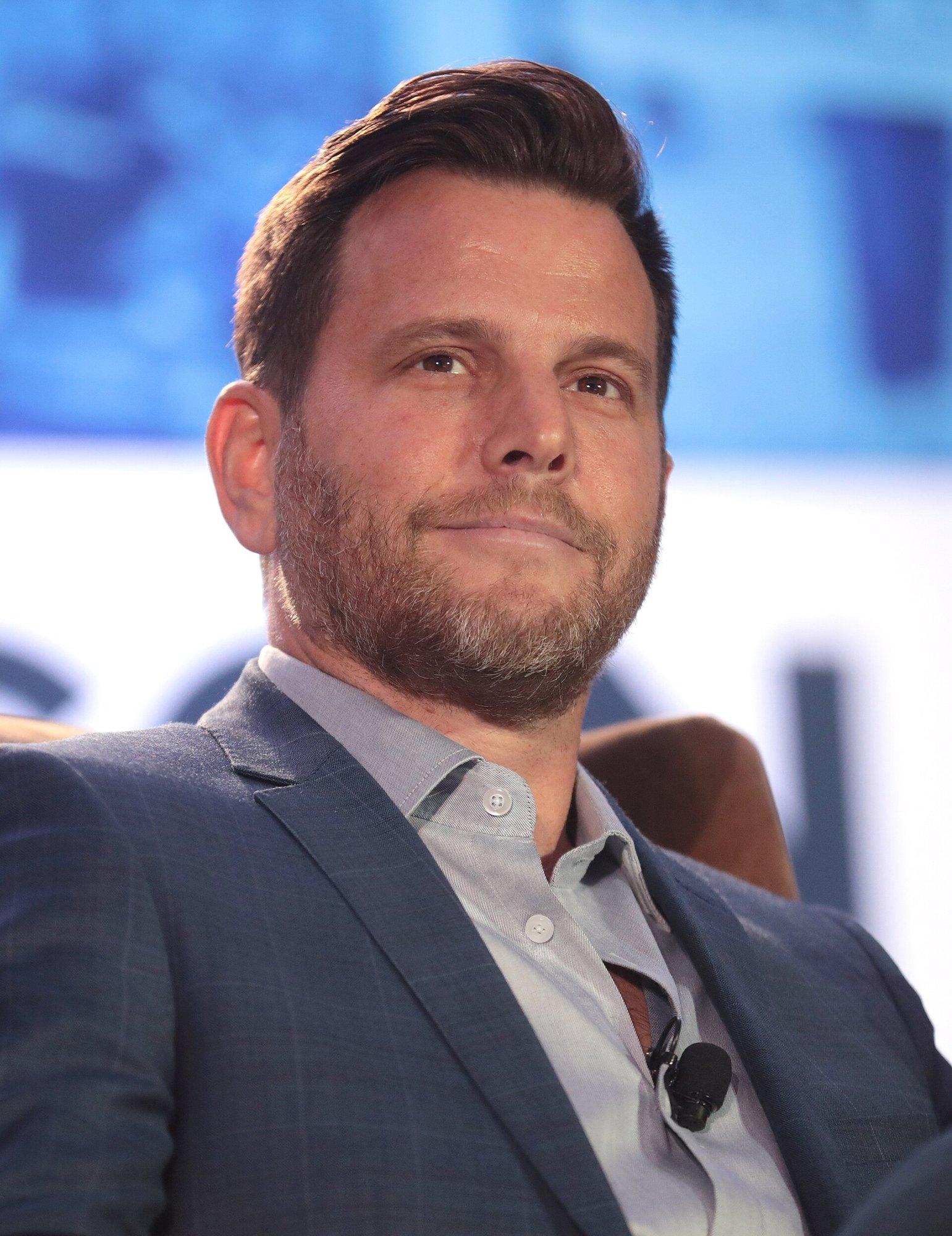
Observer over Decider
Observers have more balanced Decider poles in the middle: Self (Di) and Tribe (De). Their own perspective and other people's perspectives tend to be easier to navigate. Things are the harder territory. Control (Oi) and Chaos (Oe) sit at the extremes, so disrupted plans, uncertainty, and a changing world can trigger the strongest reactions.
Rubin's public career keeps turning on changed conditions: a public-access comedy start, TYT, Ora TV, independent YouTube, BlazeTV, then a Florida relocation framed around taxes, crime and pandemic rules. That pattern fits Observer friction more than people-first drama. The pressure point is the setting—platforms, institutions, policies, what kind of speech the environment rewards or punishes. The upside is adaptability inside a volatile media world. The blind spot is assuming the next venue, city or ecosystem will finally remove the mess that keeps following the work.