The Personality Atlas
THE CELEBRITY PERSONALITY ARCHIVE / SCIENCE & EDUCATION

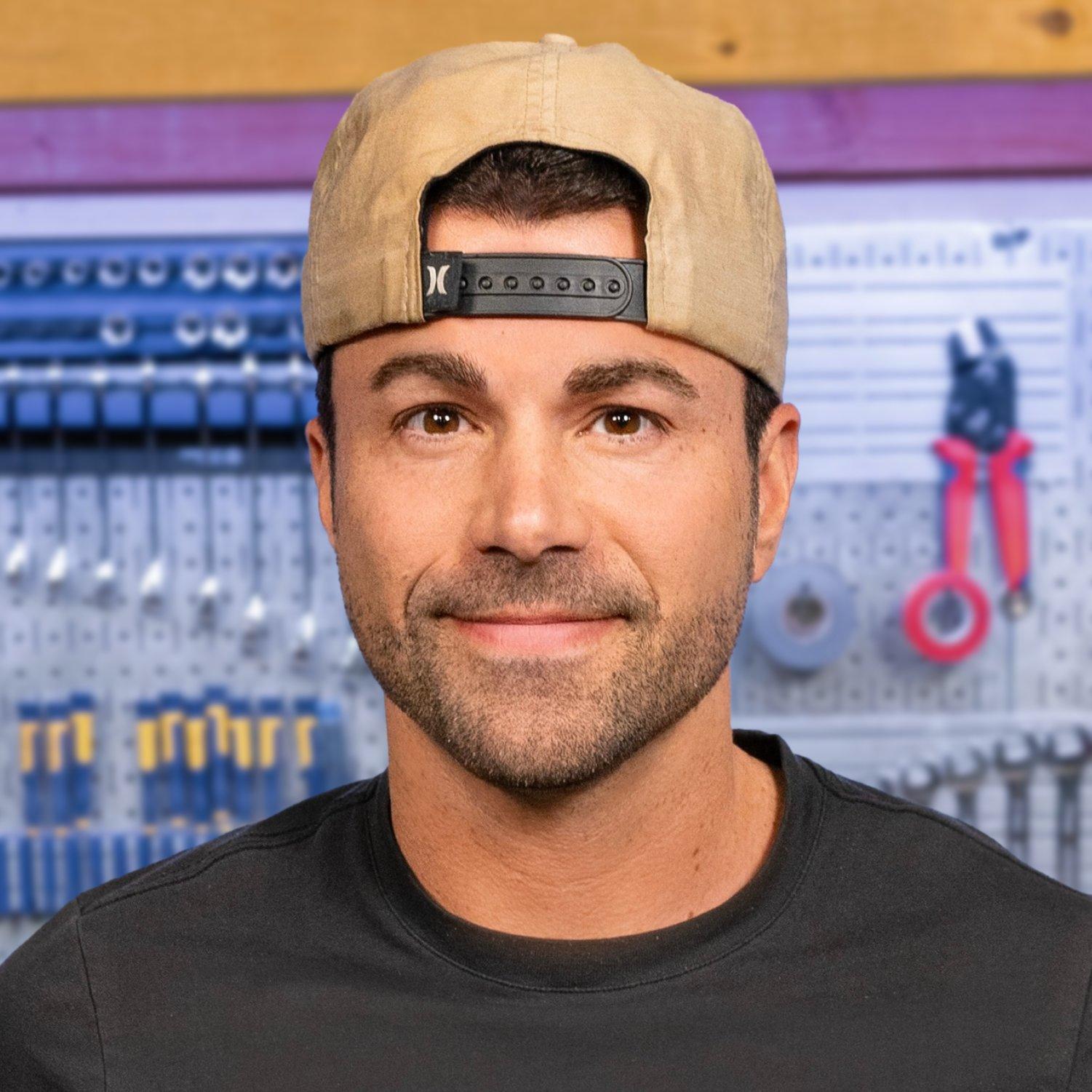
Mark Rober.

Engineer · Inventor · Science Educator

Mark Rober turned engineering into spectacle without dropping the engineering. He spent years at NASA helping build hardware for Curiosity and other JPL missions, later worked on Apple special projects, then became the public face of squirrel mazes, glitter bombs and CrunchLabs. The through-line is not just enthusiasm. It is a restless, possibility-hunting mind that keeps converting technical problems into demonstrations millions of people can immediately understand.

OBJECTIVE PERSONALITY CLASSIFICATIONMF-Ne/Ti-CP/B(S)What does this mean?
PERSONALITY SYSTEMObjective Personality
LEAD FUNCTIONNe · Extroverted Intuition
SECOND SAVIOR FUNCTIONTi · Introverted Thinking
MBTI EQUIVALENTENTP
01 / BEHIND THE CLASSIFICATION

The personality behind the fame.

How does a recorded OPS classification like MF-Ne/Ti-CP/B(S) break down? Walk through nine coins and watch the proposed type take shape. These are deductions from the archived code, not independent evidence of typing accuracy.

Scroll below to see Mark Rober take shape.

STARTING POINT512 possible OPS typesEach type combines core functions, an animal order, and sexual modalities.
THE FINISH LINEMF-Ne/Ti-CP/B(S)One recorded classification, decoded from its components.
Mark Rober’s HUMAN NEEDS 01—03
01
DECIDER OR OBSERVER?

Observer over Decider

Observers have more balanced Decider poles in the middle: Self (Di) and Tribe (De). Their own perspective and other people's perspectives tend to be easier to navigate. Things are the harder territory. Control (Oi) and Chaos (Oe) sit at the extremes, so disrupted plans, uncertainty, and a changing world can trigger the strongest reactions.

Rober’s public career keeps running into stubborn reality. A rover has to work on Mars, a package trap has to survive real thieves, and a squirrel maze only matters if actual squirrels behave like squirrels instead of props. Even his glitter-bomb series included a factual correction: he removed two incidents after learning those "thieves" were connected to someone he hired. That is classic Observer pressure—circumstances, variables and messy facts refusing to obey the original plan. His strength is adapting fast. The blind spot is assuming one more clever tweak can finally tame every variable.
O
02
SELF OR TRIBE?

Di · Self over De · Tribe

Self (Di) is the stronger deciding pole. They check decisions against their own values or reasons first: what makes sense to me, what feels right to me? The strength is independent conviction; the recurring friction is the Tribe (De)—other people's standards, feedback, and expectations. As the portrait unfolds, notice how Self takes the lead.

Launching Digital Dudz from a homemade iPad Halloween costume is a very Di move. Rober did not wait for a committee to bless the concept; he built it, patented the idea, and let the market catch up after the video exploded. The upside of Self over Tribe is clear ownership: his projects usually feel like they come from one mind with a specific internal standard for what counts as clever, useful, or fun. The cost is that a personally satisfying solution can look complete before other people’s needs, confusion, or objections have been fully accounted for.

Di
03
GATHER OR ORGANIZE?

Oe · Gather over Oi · Organize

Gather (Oe) leads with new information, experiences, and possibilities. Its strength is curiosity and adaptability; the recurring friction is narrowing the options and settling into what is already known. Another layer of the personality portrait comes into focus.

Rober’s career sprawls in a very Gather-first way: NASA mission hardware, a corporate knowledge wiki, viral Halloween costumes, porch-pirate traps, squirrel obstacle courses, Apple VR patents, philanthropy campaigns, and a STEM subscription company. He keeps finding the next opening instead of defending one narrow lane. That range is a real asset; it lets him move where the interesting problem is. The tradeoff is selectivity. A person who can see ten promising directions can still avoid the harder question of which one deserves long-term structure, repetition, and sacrifice.

Oe
FIRST THREE COINSO + Di + Oe

These establish the preferred human needs in the OPS framework.

Mark Rober’s FUNCTIONS 04—05
04
FEELING OR THINKING?

Thinking · T over Feeling · F

Thinking (T) evaluates decisions through reasons, logic, and what works—not a lack of emotion. Its strength is analytical consistency; Feeling (F) provides balance through values, meaning, and the human consequences of a decision. Combined with Self (Di), this forms the recorded Savior Ti.

The JPL Wired project is a strong Ti clue because it centers mechanism, clarity, and building a system that actually organizes knowledge instead of merely sounding collaborative. The same pattern shows up in the glitter-bomb videos: engineer the device, test the mechanism, improve the design, correct the faulty evidence, and iterate again. Thinking here is not coldness; it is trust in how things work. The strength is clean problem-solving. The blind spot is that a logically satisfying system can still leave other people unconvinced, overloaded, or reacting on terms the mechanism did not predict.

T → Ti
05
SENSING OR INTUITION?

Intuition · N over Sensing · S

Intuition (N) focuses on concepts, patterns, and what information might mean. Sensing (S) balances it through observable facts, physical detail, and direct experience. Combined with Gather (Oe), this gives the recorded Savior Ne.

Rober’s Intuition shows up in how quickly he spots the hidden concept inside ordinary objects. An onion-cutting annoyance becomes homemade goggles. Two iPads become a see-through torso costume. A backyard bird-feeder problem becomes an elaborate squirrel obstacle course. Time in Apple’s Special Projects Group and his virtual-reality patents fit the same pattern: he keeps seeing the alternate use case before most people see the category at all. That imaginative leap is a superpower. The cost is that reality still demands boring constraints—timelines, manufacturing, maintenance, and repetition after the first dazzling idea lands.

N → Ne
THE TWO SAVIOR FUNCTIONSNe / Ti

Opposing functions: Si and Fe.

Mark Rober’s ANIMAL STACK 06—07
06
CONSUME OR BLAST?

Consume over Blast

Consume gathers information for internal processing; Blast organizes and communicates information. The recorded order is Consume → Play → Blast → Sleep. This comparison follows their positions in that stack.

Consume comes earlier than Blast in the way Rober works publicly. Before he turns a topic into a clean lesson, he tends to load up on material: years at JPL, a master’s in mechanical engineering, the internal wiki case study, long build processes behind videos, and repeated design iterations on projects that later look effortless on camera. That priority gives him unusual depth and credibility. The growth cost is familiar: more input can always feel useful, which makes it easy to delay the sharper public conclusion that tells people exactly what matters most.

C > B
07
PLAY OR SLEEP?

Play over Sleep

Play emphasizes external real-time engagement; Sleep emphasizes internal processing. The recorded stack places Play earlier.

Rober also leans Play earlier than Sleep. Once he has material, he seems quick to push it into motion with other people: teaming with MrBeast on Team Trees and Team Seas, working with authorities and other creators on scam-bait operations, guest-hosting Jimmy Kimmel Live!, and turning engineering ideas into mass-participation classrooms through CrunchLabs. The gain is momentum. He does not just think up clever systems; he energizes networks around them. The cost is that outward engagement can stay busy enough to crowd out quieter consolidation, leaving reflection to happen after the machine is already moving.

P > S
Mark Rober’s ANIMAL ORIENTATION 08—09
08
INFO OR ENERGY DOMINANT?

Info over Energy

Info dominant means Consume and Blast are both in the top three: gathering and communicating information are more balanced. Sleep last leaves the energy side uneven—Play can keep engagement going without enough private recovery.

Info dominates here because Rober’s public life keeps cycling between taking in information and packaging it for other people. NASA engineering, Apple design work, TEDx talks, Discovery and Netflix hosting, and Class CrunchLabs all rely on that pattern: learn deeply, then explain clearly enough that millions can use it. That is a serious strength. The missing pressure comes from Sleep sitting last. When the rhythm rewards another launch, another build, another fundraiser, internal recovery and slower integration can become the least defended need in the whole system.

Info
09
INTROVERSION OR EXTROVERSION?

Extroversion over Introversion

The last animal, Sleep, determines this OPS coin: Play or Blast last means Introversion; Consume or Sleep last means Extroversion. This describes animal orientation, not sociability or shyness.

Rober’s last animal is Sleep, which gives this profile OPS Extroversion—not because he looks friendly on camera, but because outward engagement and external motion get prioritized over private consolidation. The evidence is the arc of his career: large-scale collaborations, public campaigns, shows, guest-hosting, live fundraising, and education projects that keep expanding the circle. Extroversion here means the system naturally pushes energy into the world. The blind spot is subtler than burnout clichés: reflection can become the cleanup step instead of a protected phase that shapes what the next project should or should not become.

E
Sexual Modalities

The four sexual modalities.

OPS uses masculine/feminine sensory and extroverted-deciding distinctions as framework-specific terms, not gender categories. The four modalities are already included in the original 512 types. The recorded modality is MF · Audio.

MM KinestheticMasculine Sensory · Masculine De
MF RECORDED MODALITYAudioMasculine Sensory · Feminine De
FF TesterFeminine Sensory · Feminine De
FM VisualFeminine Sensory · Masculine De
COMPLETE RECORDED OPS TYPE · MODALITY INCLUDEDMF-Ne/Ti-CP/B(S)

Ne leads, Ti supports, and the animal stack is Consume → Play → Blast → Sleep.

THE FINISHED PORTRAIT · ALL NINE COINS REVEALED

Mark Rober's complete function and animal stack

ConsumePlayBlastSleepfNemTifFemSi
MF-Ne/Ti-CP/B(S)DOUBLE ACTIVATED · PLAYExplore the Interactive Coin Builder →
THE MARK ROBER LENS

The engineer who makes ideas impossible to ignore.

The public image is the engineer who turns backyard obstacles and package traps into must-watch internet events. Behind that impression is someone who spent nine years at JPL, seven on Curiosity, and later carried the same build-test-explain discipline into Apple, YouTube, television, and CrunchLabs.

His exact savior pairing, Ne/Ti, is excellent at spotting an unlikely possibility and then pressure-testing the mechanism until it actually works. That combination gives his videos real explanatory bite instead of empty spectacle. Its limit is scope creep: the elegant demo can keep expanding long after a tighter takeaway would have served the audience better.

As an Observer and Double Decider, Rober’s main pressure centers on variables, logistics, and control over chaotic circumstances more than on getting trapped in every interpersonal judgment loop. That pairing can make him adaptable with people while still overworking the problem field itself. The neglected function opposite his lead savior is Si, which asks for steadier repetition, proven methods, and respect for what should stay consistent.

Consume → Play → Blast → Sleep shows the whole rhythm: gather deeply, engage actively, explain publicly, then leave private consolidation for last. With Sleep fourth, the next build, fundraiser, or collaboration can arrive before the previous one has fully settled. The balancing move is simple and concrete: protect a post-launch review block before committing to the next big experiment.

Want to understand the Savior and Demon states behind these nine coins? Explore the complete explanation, visual examples, and typing principles on our Methodology page →

02 / KEEP EXPLORING

Different faces. Familiar patterns.

Explore other celebrities with related recorded OPS classifications. Related functions are not necessarily exact type matches.

Discover Type Twins
YOUR TURN

Curious about your own type?

Discover how your own personality might be classified through Objective Personality.

Get objectively typed
Mark Rober's Personality Type & OPS Profile | The Personality Atlas