The Personality Atlas
THE CELEBRITY PERSONALITY ARCHIVE / SCIENCE & EDUCATION

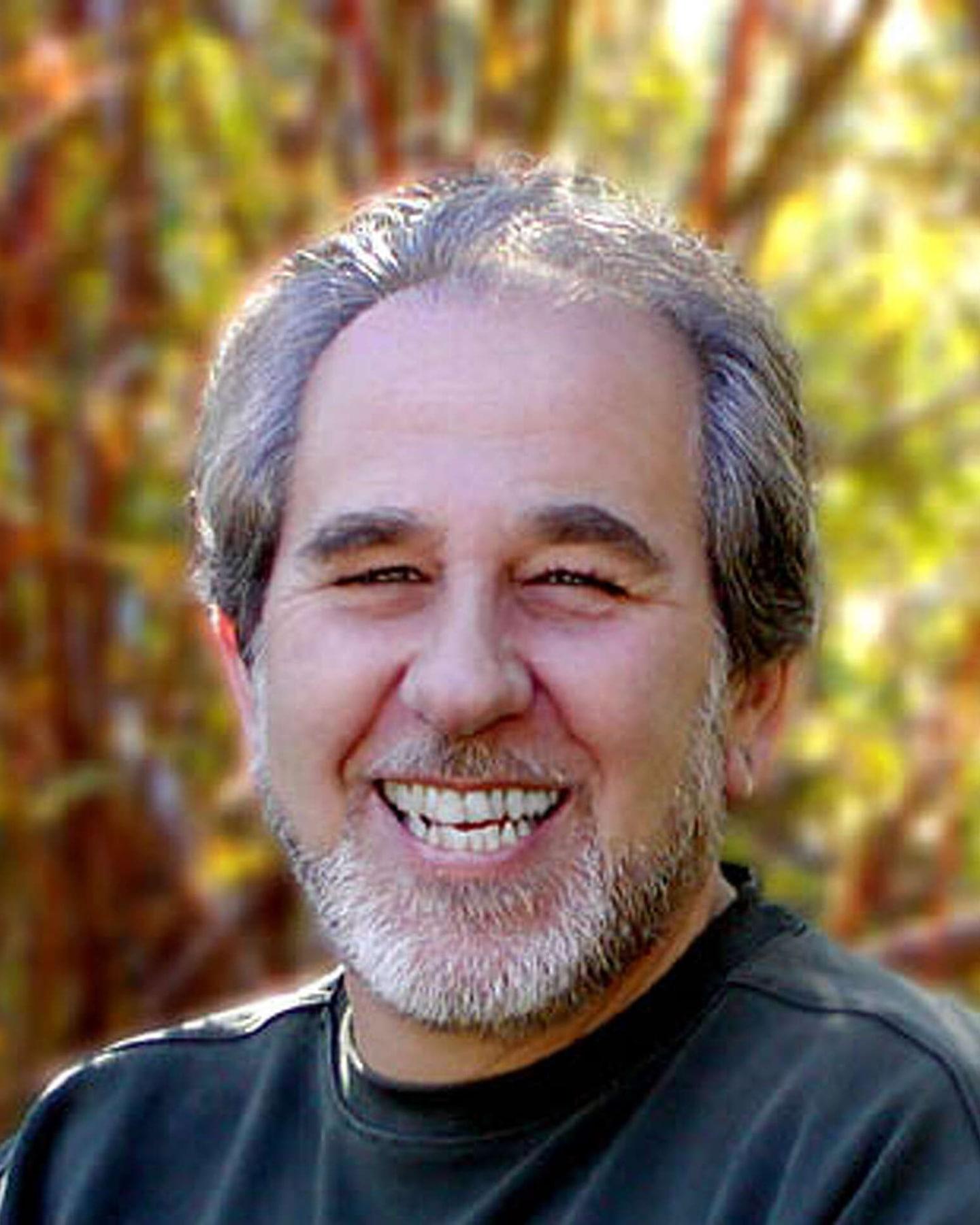
Bruce Lipton.

Cell Biologist · Author · Lecturer

Bruce Lipton moved from university anatomy classrooms to a global lecture circuit built around The Biology of Belief, turning cell biology into a sweeping public argument about consciousness, epigenetics and human possibility. That career pivot made him a prominent science author, alternative-health lecturer and a durable lightning rod among mainstream experts.

OBJECTIVE PERSONALITY CLASSIFICATIONFF-Fe/Si-BP/C(S) #3What does this mean?
PERSONALITY SYSTEMObjective Personality
LEAD FUNCTIONFe · Extroverted Feeling
SECOND SAVIOR FUNCTIONSi · Introverted Sensing
MBTI EQUIVALENTESFJ
01 / BEHIND THE CLASSIFICATION

The personality behind the fame.

How does a recorded OPS classification like FF-Fe/Si-BP/C(S) #3 break down? Walk through nine coins and watch the proposed type take shape. These are deductions from the archived code, not independent evidence of typing accuracy.

Scroll below to see Bruce Lipton take shape.

STARTING POINT512 possible OPS typesEach type combines core functions, an animal order, and sexual modalities.
THE FINISH LINEFF-Fe/Si-BP/C(S) #3One recorded classification, decoded from its components.
Bruce Lipton’s HUMAN NEEDS 01—03
01
DECIDER OR OBSERVER?

Decider over Observer

Deciders have more balanced Observer poles in the middle: Control (Oi) and Chaos (Oe). Organizing what's known and handling what's new tend to feel more manageable. People are the harder territory. Self (Di) and Tribe (De) sit at the extremes, so judgment, rejection, approval, and conflict can trigger the strongest reactions.

By the time Lipton was describing himself as sidelined by mainstream epigenetics, the recurring tension in his public life was not a shortage of topics but conflict over acceptance, credibility and who gets to define legitimate science. That points to Decider pressure: people, institutions and judgments become the battlefield. The strength is resilience under criticism. He kept writing, lecturing and publishing The Biology of Belief despite fierce public dismissal. The blind spot is turning a dispute over methods and evidence into a referendum on recognition, respect or whether the right audience is finally listening.

D
02
SELF OR TRIBE?

De · Tribe over Di · Self

Tribe (De) is the stronger deciding pole. They check decisions against people, shared standards, and what works for the group: what do we need, what will others think? The strength is coordination and responsiveness; the recurring friction is the Self (Di)—knowing and defending their own position. As the portrait unfolds, notice how Tribe takes the lead.

Lipton’s career after conventional medical-school teaching leaned hard toward the tribe: public lectures, alternative medicine organizations, chiropractic colleges and books written to persuade a broad audience rather than a narrow lab niche. De puts the outside human field up front—what people need to hear, what language lands, what shared meaning will travel. That can make technical material unusually accessible and motivating. The cost is obvious in his biography: warm reception from a receptive audience can start to feel like enough validation, even when the wider scientific tribe remains unconvinced by the claims themselves.

De
03
GATHER OR ORGANIZE?

Oi · Organize over Oe · Gather

Organize (Oi) leads with refining, preserving, and structuring what is already known. Its strength is preparation and clear direction; the recurring friction is unexpected change that disrupts the plan. Another layer of the personality portrait comes into focus.

His body of work is remarkably organized. From university anatomy teaching to The Biology of Belief and later books, Lipton keeps returning to a settled explanatory frame about cells, consciousness and the body. Oi favors building an internally consistent map and teaching from it repeatedly. That gives him a clear strength as a lecturer: listeners know the thesis, the categories and the through-line. The growth cost is rigidity. When a worldview is already tightly arranged, new data or strong criticism can get absorbed into the existing structure instead of forcing the structure itself to change.

Oi
FIRST THREE COINSD + De + Oi

These establish the preferred human needs in the OPS framework.

Bruce Lipton’s FUNCTIONS 04—05
04
FEELING OR THINKING?

Feeling · F over Thinking · T

Feeling (F) evaluates decisions through values, meaning, and what matters—not simply through emotion. Its strength is a clear sense of significance; Thinking (T) provides balance through impersonal reasons, consistency, and evidence. Combined with Tribe (De), this forms the recorded Savior Fe.

When Lipton argues that beliefs and emotions have profound biological consequences, the public emphasis is not cold mechanism first but human significance. Fe as the recorded judging function helps explain why his teaching style reaches for shared meaning, moral urgency and a language ordinary audiences can feel immediately. That is a real strength: he can make cell biology sound relevant to marriage, health, stress and daily life instead of leaving it in a textbook. The blind spot is that a compelling, audience-centered message can outrun stricter technical questions about evidence, limits and responsible framing.

F → Fe
05
SENSING OR INTUITION?

Sensing · S over Intuition · N

Sensing (S) focuses on concrete details, observable reality, and lived experience. Intuition (N) balances it by looking for broader patterns, concepts, and implications. Combined with Organize (Oi), this gives the recorded Savior Si.

Long before the controversy, Lipton was trained in biology, earned a PhD in developmental biology and taught anatomy in medical settings. Si fits that attachment to established material, concrete biological reference points and repeatable examples from the body. His talks do not float as pure philosophy; they repeatedly return to cells, membranes, environments and familiar bodily processes. That is the advantage of Sensing here. The weakness is overextension. Concrete examples can be used so persuasively that they make a larger speculative leap sound equally settled, even when specialists dispute the connection being drawn.

S → Si
THE TWO SAVIOR FUNCTIONSFe / Si

Opposing functions: Ti and Ne.

Bruce Lipton’s ANIMAL STACK 06—07
06
CONSUME OR BLAST?

Blast over Consume

Consume gathers information for internal processing; Blast organizes and communicates information. The recorded order is Blast → Play → Consume → Sleep. This comparison follows their positions in that stack.

Lipton’s public career is far easier to picture through Blast than Consume. He spent years teaching anatomy, then built a lecture-and-book platform around delivering a finished message to large audiences. Blast coming earlier than Consume shows up in that instinct to summarize, teach and push a thesis into circulation. The strength is reach: The Biology of Belief became a recognizable banner because he stated the point clearly and repeatedly. The blind spot is staying in transmission mode after the message has momentum. More broadcasting can feel productive when the sharper need is slower intake and tougher updating.

B > C
07
PLAY OR SLEEP?

Play over Sleep

Play emphasizes external real-time engagement; Sleep emphasizes internal processing. The recorded stack places Play earlier.

His work did not stay tucked inside a private office. Since the 1990s, Lipton has taught and lectured largely through alternative and chiropractic schools, live events and public-facing organizations. Play coming earlier than Sleep fits that preference for working ideas in motion with other people, where response is immediate and the room matters. The strength is contagious engagement; he can animate a topic rather than merely archive it. The cost is that constant outward exchange can crowd out the quieter internal slowdown where a person revises, narrows or drops a claim without needing an audience to keep the momentum going.

P > S
Bruce Lipton’s ANIMAL ORIENTATION 08—09
08
INFO OR ENERGY DOMINANT?

Info over Energy

Info dominant means Consume and Blast are both in the top three: gathering and communicating information are more balanced. Sleep last leaves the energy side uneven—Play can keep engagement going without enough private recovery.

Lipton’s stack lands on Info, which suits a career built from both taking in material and turning it into teachable conclusions. He is not simply conserving energy or staying private; his books and lectures depend on moving information outward in a digestible form. That balance helps explain his visibility as a writer-lecturer rather than a hidden specialist. The missing piece is Sleep last. A public message can keep circulating long after it needs harder private consolidation. The growth cost is not a lack of passion or communication, but less natural emphasis on stopping, distilling and self-editing before the next explanation.

Info
09
INTROVERSION OR EXTROVERSION?

Extroversion over Introversion

The last animal, Sleep, determines this OPS coin: Play or Blast last means Introversion; Consume or Sleep last means Extroversion. This describes animal orientation, not sociability or shyness.

Lipton’s OPS Extroversion does not mean "social butterfly" or prove anything about charm. It means Sleep sits last, so outward engagement, delivery and interaction get prioritized over private inner calibration. That matches a life spent moving from classrooms to lecture circuits and public advocacy, where ideas are most alive once they are being shared. The advantage is momentum: he does not wait forever to speak. The blind spot is subtler. When internal revision is least preferred, a polished public thesis can remain louder than the quieter question of what still needs to be reconsidered away from the microphone.

E
Sexual Modalities

The four sexual modalities.

OPS uses masculine/feminine sensory and extroverted-deciding distinctions as framework-specific terms, not gender categories. The four modalities are already included in the original 512 types. The recorded modality is FF · Tester.

MM KinestheticMasculine Sensory · Masculine De
MF AudioMasculine Sensory · Feminine De
FF RECORDED MODALITYTesterFeminine Sensory · Feminine De
FM VisualFeminine Sensory · Masculine De
ADDITIONAL LAYER · SOCIAL TYPE

The four social types.

Social types are an additional layer on top of the original Objective Personality classification, introduced later in OPS research. They describe two proposed social preference coins: Flex vs. Friends and Generalize vs. Specialize. The combination and priority of these preferences produce four social types. Bruce Lipton's recorded social type is #3.

SOCIAL #1 #1Flex · Generalize
SOCIAL #2 #2Generalize · Friends
SOCIAL #3 RECORDED SOCIAL TYPE#3Specialize · Flex
SOCIAL #4 #4Friends · Specialize
COMPLETE RECORDED OPS TYPE · MODALITY INCLUDED + SOCIAL TYPEFF-Fe/Si-BP/C(S) #3

Fe leads, Si supports, and the animal stack is Blast → Play → Consume → Sleep.

THE FINISHED PORTRAIT · ALL NINE COINS REVEALED

Bruce Lipton's complete function and animal stack

BlastPlayConsumeSleepfFefSimNemTi
FF-Fe/Si-BP/C(S) #3DOUBLE ACTIVATED · PLAYExplore the Interactive Coin Builder →
THE BRUCE LIPTON LENS

The lecturer who makes biology mean more than biology.

Lipton’s public image is easy to caricature: the former cell biologist on lecture stages telling audiences that belief reaches deep into biology. But the route matters. He taught anatomy at the University of Wisconsin and St. George’s, then shifted toward alternative and chiropractic institutions, using The Biology of Belief to turn a conventional academic résumé into a mass-market argument about health, consciousness and possibility.

His recorded Fe/Si pairing helps explain both the draw and the dispute. Fe pushes the material toward shared meaning and practical relevance; Si anchors it in stable biological examples, repeated teaching frames and the language of cells and environments. That combination can make complex ideas memorable. Its limit is sharper: a coherent, human-centered framework can keep sounding persuasive even when expert criticism says the leap from example to conclusion is too large.

As a Decider and Double Observer, Lipton’s deepest pressure lands in the human arena of credibility, agreement and who gets to define what counts. The Observer side is present, but not the main imbalance. Fe and Si give him a ready social teaching frame; the neglected function opposite his lead savior is Ti, the colder internal precision that strips a claim down and tests whether the logic survives without audience buy-in.

Blast → Play → Consume → Sleep shows why he naturally teaches in public before retreating to rework the message. Sleep last leaves private consolidation as the least-preferred step, so momentum can outrun revision. The balancing move is not silence. It is keeping the lecture voice while adding solitary review: narrower claims, tougher counterarguments and more time offstage before the next grand conclusion.

Want to understand the Savior and Demon states behind these nine coins? Explore the complete explanation, visual examples, and typing principles on our Methodology page →

02 / KEEP EXPLORING

Different faces. Familiar patterns.

Explore other celebrities with related recorded OPS classifications. Related functions are not necessarily exact type matches.

Discover Type Twins
YOUR TURN

Curious about your own type?

Discover how your own personality might be classified through Objective Personality.

Get objectively typed
Bruce Lipton's Personality Type & OPS Profile | The Personality Atlas