The Personality Atlas
THE CELEBRITY PERSONALITY ARCHIVE / SECURITY & PERFORMANCE

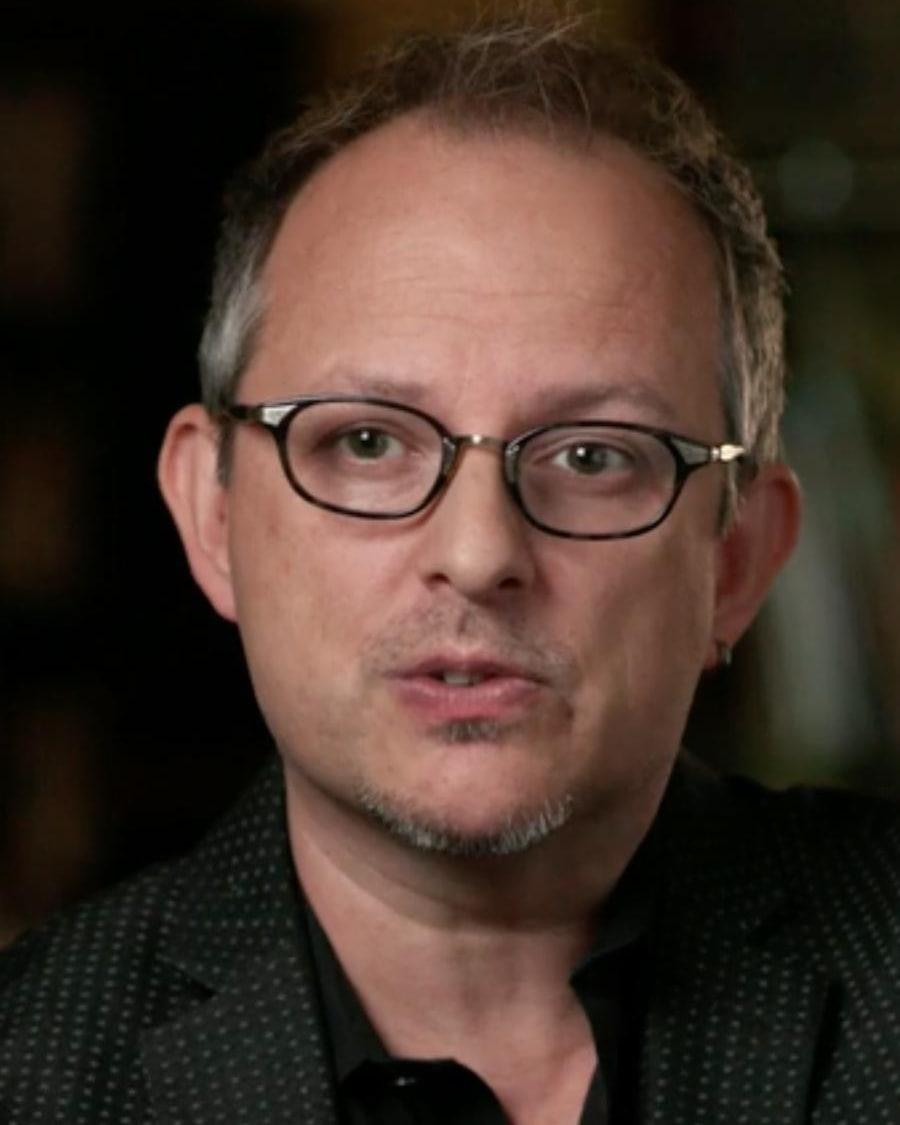
Apollo Robbins.

Sleight-of-Hand Artist · Security Consultant

Apollo Robbins built a career by making security professionals, television audiences and neuroscientists watch the same thing and miss the same thing. After famously pickpocketing Secret Service agents around former President Jimmy Carter, he turned theatrical theft into consulting, training and viral demonstrations about how attention actually works.

OBJECTIVE PERSONALITY CLASSIFICATIONFF-Ni/Fe-BS/P(C)What does this mean?
PERSONALITY SYSTEMObjective Personality
LEAD FUNCTIONNi · Introverted Intuition
SECOND SAVIOR FUNCTIONFe · Extroverted Feeling
MBTI EQUIVALENTINFJ
01 / BEHIND THE CLASSIFICATION

The personality behind the fame.

How does a recorded OPS classification like FF-Ni/Fe-BS/P(C) break down? Walk through nine coins and watch the proposed type take shape. These are deductions from the archived code, not independent evidence of typing accuracy.

Scroll below to see Apollo Robbins take shape.

STARTING POINT512 possible OPS typesEach type combines core functions, an animal order, and sexual modalities.
THE FINISH LINEFF-Ni/Fe-BS/P(C)One recorded classification, decoded from its components.
Apollo Robbins’ HUMAN NEEDS 01—03
01
DECIDER OR OBSERVER?

Observer over Decider

Observers have more balanced Decider poles in the middle: Self (Di) and Tribe (De). Their own perspective and other people's perspectives tend to be easier to navigate. Things are the harder territory. Control (Oi) and Chaos (Oe) sit at the extremes, so disrupted plans, uncertainty, and a changing world can trigger the strongest reactions.

When Robbins famously lifted a Secret Service agent's itinerary and keys near Jimmy Carter, the headline was not rebellion so much as mastery over a chaotic system of attention, access and blind spots. His career kept following that thread, from prison visits to Brain Games demonstrations about how awareness fails. The strength here is staying cool inside moving circumstances and spotting the one unattended variable. The blind spot is trying to solve every problem by better managing the environment, as if a cleaner setup can eliminate uncertainty instead of merely postponing it.

O
02
SELF OR TRIBE?

De · Tribe over Di · Self

Tribe (De) is the stronger deciding pole. They check decisions against people, shared standards, and what works for the group: what do we need, what will others think? The strength is coordination and responsiveness; the recurring friction is the Self (Di)—knowing and defending their own position. As the portrait unfolds, notice how Tribe takes the lead.

After the Carter stunt, Robbins did not retreat into private legend; he turned it into consulting for police departments, security professionals and later Whizmob Inc., which explicitly connects law enforcement with ex-cons as subject matter experts. Tribe-first fits the public usefulness of his work: he reads what other people expect, miss and need explained. That is a real advantage when trust and attention are the medium. The cost is subtle but real. When you are highly tuned to other people's focus, your own standard can go under-announced, leaving others impressed by the experience without fully hearing your personal line on it.

De
03
GATHER OR ORGANIZE?

Oi · Organize over Oe · Gather

Organize (Oi) leads with refining, preserving, and structuring what is already known. Its strength is preparation and clear direction; the recurring friction is unexpected change that disrupts the plan. Another layer of the personality portrait comes into focus.

Robbins' public resume is less random trickster than systems builder: technical advisor on Leverage and Focus, consulting producer on Brain Games, and co-founder of Ludus Development, which designs immersive training methodologies. Organize over Gather shows up in the move from isolated stunt to repeatable framework. His strength is compressing messy human behavior into a teachable pattern. The blind spot is that a beautiful model can start looking complete before reality actually is. A tightly organized map of attention still has to survive new settings, new audiences and details that refuse to fit the scheme.

Oi
FIRST THREE COINSO + De + Oi

These establish the preferred human needs in the OPS framework.

Apollo Robbins’ FUNCTIONS 04—05
04
FEELING OR THINKING?

Feeling · F over Thinking · T

Feeling (F) evaluates decisions through values, meaning, and what matters—not simply through emotion. Its strength is a clear sense of significance; Thinking (T) provides balance through impersonal reasons, consistency, and evidence. Combined with Tribe (De), this forms the recorded Savior Fe.

Robbins is not just quick-fingered; he is socially precise. The New Yorker described him taking items and returning them in “amusing and mind-boggling ways,” which matters because his act depends on managing another person's comfort, timing and shared perception, not simply winning a technical contest. Feeling, here, is skill with human atmosphere and social signaling. The strength is making instruction and deception legible to real people. The limit is that smooth rapport can hide how much structure and hard analysis sit underneath, or let charm carry a lesson farther than the evidence has been explicitly spelled out.

F → Fe
05
SENSING OR INTUITION?

Intuition · N over Sensing · S

Intuition (N) focuses on concepts, patterns, and what information might mean. Sensing (S) balances it through observable facts, physical detail, and direct experience. Combined with Organize (Oi), this gives the recorded Savior Ni.

Forbes called Robbins “an artful manipulator of awareness,” a phrase that points less to hand speed than to an invisible pattern he tracks before anyone else notices it. His TEDGlobal talk, Nova ScienceNow appearance and brain documentaries all trade on that same advantage: seeing where attention is headed and building the whole demonstration around that forecast. Intuition gives him a strategic read on meaning before the surface event finishes unfolding. The cost is overtrusting the pattern. When the internal prediction feels elegant, the plain sensory check can arrive a beat later than the theory.

N → Ni
THE TWO SAVIOR FUNCTIONSNi / Fe

Opposing functions: Se and Ti.

Apollo Robbins’ ANIMAL STACK 06—07
06
CONSUME OR BLAST?

Blast over Consume

Consume gathers information for internal processing; Blast organizes and communicates information. The recorded order is Blast → Sleep → Play → Consume. This comparison follows their positions in that stack.

Blast comes earlier than Consume in Robbins' recorded animal order, and his career makes that easy to picture. A single notorious moment with Jimmy Carter's Secret Service detail became lectures, TV appearances, consulting and a viral TED talk. He is quick to turn an observation into a packaged takeaway others can use. That is the strength of earlier Blast: translate fast, direct the room, make the point land. The growth cost is later Consume. When explanation comes naturally, fresh intake can become secondary, as though one crisp model of attention might outrun the slower work of gathering new edge cases.

B > C
07
PLAY OR SLEEP?

Sleep over Play

Play emphasizes external real-time engagement; Sleep emphasizes internal processing. The recorded stack places Sleep earlier.

Sleep comes earlier than Play for Robbins, which fits the contrast between his soft-spoken reputation and the dazzling public performances. The visible spontaneity works because there is already an internal map in place: what people notice, what they miss, when the reveal should land. Earlier Sleep gives coherence and restraint. Later Play can still be highly skilled, but it may work best once the framework is privately settled. The cost is that real-time interaction can look effortless while still being organized around a preprocessed script, leaving less room for truly open-ended exchange than outsiders assume.

S > P
Apollo Robbins’ ANIMAL ORIENTATION 08—09
08
INFO OR ENERGY DOMINANT?

Energy over Info

Energy dominant means Play and Sleep are both in the top three: there is access to expending energy through engagement and conserving it through internal processing. Consume last leaves the information side uneven—Blast may broadcast more than gets taken in.

Robbins lands on Energy because Sleep and Play both sit in his top three, and his public life shows that two-sided engine clearly. He can retreat into a precise inner model of awareness, then step into live rooms, television sets and training environments where that model gets performed under pressure. The strength is range: internal calibration plus outward responsiveness. The void sits with last Consume. He is built to demonstrate, guide and engage more readily than to linger in endless intake. The growth edge is protecting time for new raw observation before the next polished explanation goes onstage.

Energy
09
INTROVERSION OR EXTROVERSION?

Extroversion over Introversion

The last animal, Consume, determines this OPS coin: Play or Blast last means Introversion; Consume or Sleep last means Extroversion. This describes animal orientation, not sociability or shyness.

Robbins is OPS Extroverted because Consume is last, not because he seems socially loud. In fact, the biography's “soft-spoken man” detail helps make the distinction clearer. His stack still points toward prioritizing output, interaction and directed energy over prolonged information gathering. That shows up in how often his work becomes public-facing: advising productions, appearing on television, teaching through spectacle and turning attention science into an event. The strength is momentum. The blind spot is assuming the next answer will emerge through another demonstration, when the better move may be quieter research before the room ever fills.

E
Sexual Modalities

The four sexual modalities.

OPS uses masculine/feminine sensory and extroverted-deciding distinctions as framework-specific terms, not gender categories. The four modalities are already included in the original 512 types. The recorded modality is FF · Tester.

MM KinestheticMasculine Sensory · Masculine De
MF AudioMasculine Sensory · Feminine De
FF RECORDED MODALITYTesterFeminine Sensory · Feminine De
FM VisualFeminine Sensory · Masculine De
COMPLETE RECORDED OPS TYPE · MODALITY INCLUDEDFF-Ni/Fe-BS/P(C)

Ni leads, Fe supports, and the animal stack is Blast → Sleep → Play → Consume.

THE FINISHED PORTRAIT · ALL NINE COINS REVEALED

Apollo Robbins's complete function and animal stack

BlastSleepPlayConsumemNifFemTifSe
FF-Ni/Fe-BS/P(C)DOUBLE ACTIVATED · BLASTExplore the Interactive Coin Builder →
THE APOLLO ROBBINS LENS

The theft is really about attention.

Robbins became famous for stealing a Secret Service agent's keys and itinerary while Jimmy Carter was nearby, which sounds like pure swagger until you read the rest of the career. The stunt led not just to fame but to police consulting, prison visits and years explaining attention to wider audiences. Behind the gentleman-thief image is a methodical teacher who keeps converting spectacle into usable lessons.

Ni/Fe is a potent pairing for that job. Ni tracks the hidden line of attention before the room realizes a line exists; Fe shapes the experience so another person can follow it, laugh at it or learn from it. The strength is elegant translation of invisible patterns into social reality. The limit is that a smooth, compelling frame can start feeling sufficient on its own, even when fresh raw data would complicate the picture.

As an Observer and Double Decider, Robbins is more likely to get snagged by uncertainty, access and control than by chronic people-drama, even though his work is intensely social. That pairing often balances human judgments better than changing circumstances. The hunger is for a reliable map of what is happening and where attention will go next. Neglected Se, opposite his lead Ni, asks for the blunt physical facts in front of him, not only the pattern behind them.

Blast → Sleep → Play → Consume makes the final tension clear. He leads by explaining, framing and directing, then backs it with private refinement and live engagement; last Consume can make additional intake feel optional once the lesson already works. Balance does not mean muting the showmanship. It means deliberately returning to unscripted field observation—watch new hands, new scams and new environments without narrating them first—then bring that sharper material back to the stage.

Want to understand the Savior and Demon states behind these nine coins? Explore the complete explanation, visual examples, and typing principles on our Methodology page →

02 / KEEP EXPLORING

Different faces. Familiar patterns.

Explore other celebrities with related recorded OPS classifications. Related functions are not necessarily exact type matches.

Discover Type Twins
YOUR TURN

Curious about your own type?

Discover how your own personality might be classified through Objective Personality.

Get objectively typed
Apollo Robbins's Personality Type & OPS Profile | The Personality Atlas