The Personality Atlas
THE CELEBRITY PERSONALITY ARCHIVE / GAMING & VOICE ACTING

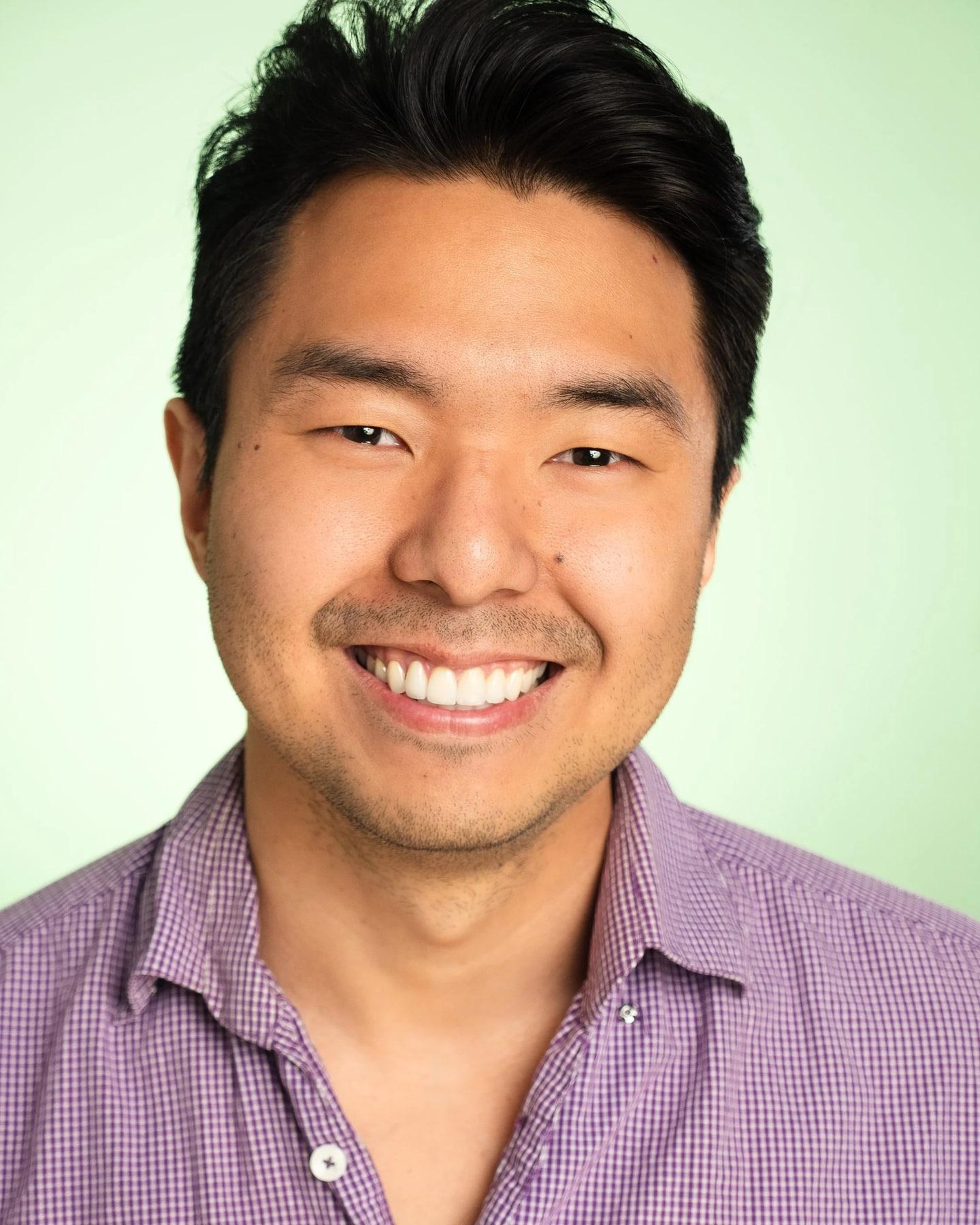
Yong Yea.

YouTuber · Voice Actor · Gaming Commentator

Yong Yea turned gaming-news coverage into a public platform and then crossed into major English voice roles like Kazuma Kiryu and Enrico Pucci. Born to Korean parents, raised in Venezuela, and moved to the United States at 14, his career reads less like one fixed internet niche than a series of stage changes where fast adaptation had to coexist with a stubbornly personal read of the material.

OBJECTIVE PERSONALITY CLASSIFICATIONFF-Se/Fi-CS/P(B) #3What does this mean?
PERSONALITY SYSTEMObjective Personality
LEAD FUNCTIONSe · Extroverted Sensing
SECOND SAVIOR FUNCTIONFi · Introverted Feeling
MBTI EQUIVALENTESFP
01 / BEHIND THE CLASSIFICATION

The personality behind the fame.

How does a recorded OPS classification like FF-Se/Fi-CS/P(B) #3 break down? Walk through nine coins and watch the proposed type take shape. These are deductions from the archived code, not independent evidence of typing accuracy.

Scroll below to see Yong Yea take shape.

STARTING POINT512 possible OPS typesEach type combines core functions, an animal order, and sexual modalities.
THE FINISH LINEFF-Se/Fi-CS/P(B) #3One recorded classification, decoded from its components.
Yong Yea’s HUMAN NEEDS 01—03
01
DECIDER OR OBSERVER?

Observer over Decider

Observers have more balanced Decider poles in the middle: Self (Di) and Tribe (De). Their own perspective and other people's perspectives tend to be easier to navigate. Things are the harder territory. Control (Oi) and Chaos (Oe) sit at the extremes, so disrupted plans, uncertainty, and a changing world can trigger the strongest reactions.

The biographical fact that hits hardest is not a feud or a clique. It is movement through conditions: Korean parents, childhood in Venezuela, move to the United States at 14, then a public career in online gaming news and studio voice work. That is Observer pressure—new settings, new platforms, new variables. The strength is practical adaptability when the environment changes again. The blind spot is expecting the next circumstance shift to answer questions it cannot answer, especially when a stable direction still has to be chosen from inside the moving scene.

O
02
SELF OR TRIBE?

Di · Self over De · Tribe

Self (Di) is the stronger deciding pole. They check decisions against their own values or reasons first: what makes sense to me, what feels right to me? The strength is independent conviction; the recurring friction is the Tribe (De)—other people's standards, feedback, and expectations. As the portrait unfolds, notice how Self takes the lead.

A gaming-news channel and a voice role are both public, but they put different kinds of judgment on the line. In one, he chooses what to cover and how to frame it; in the other, he has to stand behind a specific performance as Kazuma Kiryu or Enrico Pucci. That points to Self over Tribe: the inner standard matters before outside consensus arrives. The strength is ownership. The cost is just as real. A personally satisfying take or performance can feel finished because it matches the speaker’s bar, while other people may still need more context, comparison or clearer translation.

Di
03
GATHER OR ORGANIZE?

Oe · Gather over Oi · Organize

Gather (Oe) leads with new information, experiences, and possibilities. Its strength is curiosity and adaptability; the recurring friction is narrowing the options and settling into what is already known. Another layer of the personality portrait comes into focus.

His public résumé refuses one lane. After moving to the United States, he became involved in theatrical productions; later he became known for a YouTube channel covering gaming news; later still, he was recognized for anime and game voice roles. Gather over Organize fits that pattern of kept-open doors. The advantage is range: he can spot another workable path instead of clinging to a single identity. The tradeoff is commitment. A life built by staying open can delay the harder move of narrowing the field and deciding which lane should govern the rest.

Oe
FIRST THREE COINSO + Di + Oe

These establish the preferred human needs in the OPS framework.

Yong Yea’s FUNCTIONS 04—05
04
FEELING OR THINKING?

Feeling · F over Thinking · T

Feeling (F) evaluates decisions through values, meaning, and what matters—not simply through emotion. Its strength is a clear sense of significance; Thinking (T) provides balance through impersonal reasons, consistency, and evidence. Combined with Self (Di), this forms the recorded Savior Fi.

Voice acting makes the Feeling coin public fast because audiences do not hear a spreadsheet; they hear a chosen emotional read. Taking on Kazuma Kiryu and Enrico Pucci places a personal valuation directly in the work: which tone feels right, which emphasis he can stand behind, where the line should land. Fi’s strength is sincerity with a center. The blind spot sits opposite that conviction. An internally right read is not automatically the most communicable one, and private certainty can still need sharper explanation for listeners who do not already share the same value frame.

F → Fi
05
SENSING OR INTUITION?

Sensing · S over Intuition · N

Sensing (S) focuses on concrete details, observable reality, and lived experience. Intuition (N) balances it by looking for broader patterns, concepts, and implications. Combined with Gather (Oe), this gives the recorded Savior Se.

Yong Yea’s two best-known public lanes are unusually Se-friendly because both live close to what is concretely in front of people. Gaming news is built from the latest visible update, release or announcement; voice acting lives or dies on what audiences can literally hear in a delivered line. Se brings immediacy and responsiveness to that kind of work. The cost is that the present can become tyrannical. When current events and current performances are loud enough, the longer pattern—what all these roles and topics are adding up to—can get pushed into the background.

S → Se
THE TWO SAVIOR FUNCTIONSSe / Fi

Opposing functions: Ni and Te.

Yong Yea’s ANIMAL STACK 06—07
06
CONSUME OR BLAST?

Consume over Blast

Consume gathers information for internal processing; Blast organizes and communicates information. The recorded order is Consume → Sleep → Play → Blast. This comparison follows their positions in that stack.

Consume comes earlier than Blast here, and the biography gives a clean public illustration. He was involved in theatrical productions after moving to the United States, built recognition through gaming-news coverage, and only later became widely noted for major franchise voice roles like Kazuma Kiryu. That looks less like instant proclamation than accumulated input turned useful over time. Consume’s strength is depth to draw from. Its cost is obvious in a fast media lane: there is always one more update, one more detail, one more reason to postpone the blunt conclusion other people can quickly carry away.

C > B
07
PLAY OR SLEEP?

Sleep over Play

Play emphasizes external real-time engagement; Sleep emphasizes internal processing. The recorded stack places Sleep earlier.

Sleep comes earlier than Play, and the contrast shows in the gap between a personal platform and collaborative franchise work. A YouTube channel lets him settle his own framing; a role in Like a Dragon or JoJo has to fit a larger cast, production and audience expectation. Sleep first gives coherence before contact. The benefit is that he is less likely to sound randomly blown around by the room. The cost is timing. Once the internal version feels set, outside input can arrive as friction instead of raw material for a livelier back-and-forth.

S > P
Yong Yea’s ANIMAL ORIENTATION 08—09
08
INFO OR ENERGY DOMINANT?

Energy over Info

Energy dominant means Play and Sleep are both in the top three: there is access to expending energy through engagement and conserving it through internal processing. Blast last leaves the information side uneven—Consume may gather far more than gets communicated.

This stack lands on Energy because Sleep and Play both sit in the top three while Blast falls last. Publicly, that combination makes sense of someone who can maintain gaming-news output and also step into outward performance work like dubbing Kiryu or Pucci. There is both inward reset and visible engagement available. The missing balance is not enthusiasm. It is packaging. With Blast last, he can gather, settle and perform, yet still leave other people doing extra work to extract the clearest headline-level takeaway from what he already knows.

Energy
09
INTROVERSION OR EXTROVERSION?

Introversion over Extroversion

The last animal, Blast, determines this OPS coin: Play or Blast last means Introversion; Consume or Sleep last means Extroversion. This describes animal orientation, not sociability or shyness.

This Introversion coin is easy to misread because the career is plainly public. He hosts a YouTube presence, works out of Studio City, and performs voices in major franchises. None of that cancels Blast coming last. In OPS terms, the issue is not sociability but the relative ease of broadcasting a settled conclusion. Taking in, refining and then engaging is earlier; planting the flag is later. The growth cost is giving up some protective nuance. The growth gain is that a listener or viewer leaves with the point stated, not merely implied.

I
Sexual Modalities

The four sexual modalities.

OPS uses masculine/feminine sensory and extroverted-deciding distinctions as framework-specific terms, not gender categories. The four modalities are already included in the original 512 types. The recorded modality is FF · Tester.

MM KinestheticMasculine Sensory · Masculine De
MF AudioMasculine Sensory · Feminine De
FF RECORDED MODALITYTesterFeminine Sensory · Feminine De
FM VisualFeminine Sensory · Masculine De
ADDITIONAL LAYER · SOCIAL TYPE

The four social types.

Social types are an additional layer on top of the original Objective Personality classification, introduced later in OPS research. They describe two proposed social preference coins: Flex vs. Friends and Generalize vs. Specialize. The combination and priority of these preferences produce four social types. Yong Yea's recorded social type is #3.

SOCIAL #1 #1Flex · Generalize
SOCIAL #2 #2Generalize · Friends
SOCIAL #3 RECORDED SOCIAL TYPE#3Specialize · Flex
SOCIAL #4 #4Friends · Specialize
COMPLETE RECORDED OPS TYPE · MODALITY INCLUDED + SOCIAL TYPEFF-Se/Fi-CS/P(B) #3

Se leads, Fi supports, and the animal stack is Consume → Sleep → Play → Blast.

THE FINISHED PORTRAIT · ALL NINE COINS REVEALED

Yong Yea's complete function and animal stack

ConsumeSleepPlayBlastfSemFifTemNi
FF-Se/Fi-CS/P(B) #3DOUBLE ACTIVATED · CONSUMEExplore the Interactive Coin Builder →
THE YONG YEA LENS

The microphone was never the whole stage.

The easy image is a man behind a mic covering gaming headlines. The more revealing public moment is 2023, when Yong Yea became the English voice of Kazuma Kiryu and his theater background suddenly mattered in plain sight. Raised in Venezuela by Korean parents and moved to the United States at 14, he looks less like a fixed niche host than someone repeatedly crossing stages and countries.

His Se/Fi pairing is strong in exactly the public places he works: gaming news rewards contact with what is happening now, and voice acting turns judgment into a line audiences can literally hear. The advantage is immediacy with ownership. The limit is sharper. A vivid present-tense read and a sincere personal standard do not automatically become a long-range throughline or an explanation everybody else can organize around.

As an Observer and Double Decider, his core strain lands more on changing circumstances and unresolved direction than on constant people-significance drama. That pairing matters: self and tribe needs are more flexible than the control-versus-chaos problem. The neglected function is Ni, opposite lead Se, which asks what the flood of current facts, roles and openings is adding up to over time.

Consume → Sleep → Play → Blast shows why the work can stay informed, internally settled and publicly active while still underplaying the final thesis. Blast last creates the imbalance: more ease taking in and shaping than declaring the clean takeaway. The balancing move is specific—after a gaming-news segment or a role announcement, end with one plain sentence about what the audience should conclude, then stop.

Want to understand the Savior and Demon states behind these nine coins? Explore the complete explanation, visual examples, and typing principles on our Methodology page →

02 / KEEP EXPLORING

Different faces. Familiar patterns.

Explore other celebrities with related recorded OPS classifications. Related functions are not necessarily exact type matches.

Discover Type Twins
YOUR TURN

Curious about your own type?

Discover how your own personality might be classified through Objective Personality.

Get objectively typed
Yong Yea's Personality Type & OPS Profile | The Personality Atlas