The Personality Atlas
THE CELEBRITY PERSONALITY ARCHIVE / FILM & TELEVISION

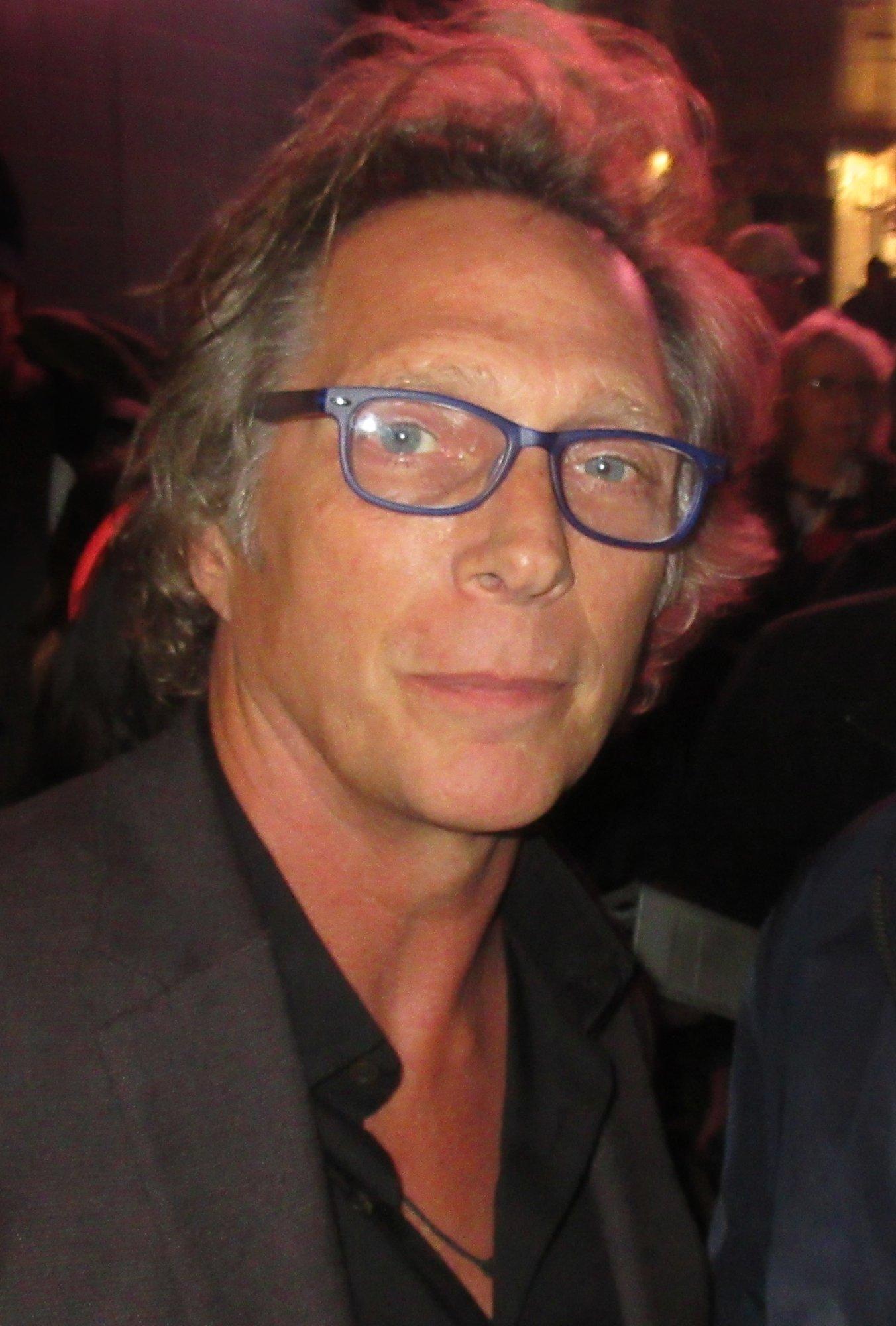
William Fichtner.

Actor · Voice Performer · Character Actor

William Fichtner built a career out of walking into tense systems and making them sharper: Heat, Contact, Black Hawk Down, Prison Break, Mom. The man behind that durable character-actor mystique came to acting sideways, through criminal justice studies and an improvisation class taken to satisfy a fine arts requirement.

OBJECTIVE PERSONALITY CLASSIFICATIONMM-Ne/Fi-CS/B(P)What does this mean?
PERSONALITY SYSTEMObjective Personality
LEAD FUNCTIONNe · Extroverted Intuition
SECOND SAVIOR FUNCTIONFi · Introverted Feeling
MBTI EQUIVALENTENFP
01 / BEHIND THE CLASSIFICATION

The personality behind the fame.

How does a recorded OPS classification like MM-Ne/Fi-CS/B(P) break down? Walk through nine coins and watch the proposed type take shape. These are deductions from the archived code, not independent evidence of typing accuracy.

Scroll below to see William Fichtner take shape.

STARTING POINT512 possible OPS typesEach type combines core functions, an animal order, and sexual modalities.
THE FINISH LINEMM-Ne/Fi-CS/B(P)One recorded classification, decoded from its components.
William Fichtner’s HUMAN NEEDS 01—03
01
DECIDER OR OBSERVER?

Observer over Decider

Observers have more balanced Decider poles in the middle: Self (Di) and Tribe (De). Their own perspective and other people's perspectives tend to be easier to navigate. Things are the harder territory. Control (Oi) and Chaos (Oe) sit at the extremes, so disrupted plans, uncertainty, and a changing world can trigger the strongest reactions.

William Fichtner’s career reads like a tour through unstable worlds: Heat, Contact, Black Hawk Down, Prison Break, Crossing Lines, Mom, then more series work decades later. The recurring pressure is not mainly whether he matters as a person, but what situation he is stepping into next—a new genre, ensemble, production, or tone. That is Observer friction with circumstances and moving parts. The strength is adaptability inside changing conditions. The blind spot is letting the next opportunity or disruption set the agenda instead of narrowing what he most wants to build.

O
02
SELF OR TRIBE?

Di · Self over De · Tribe

Self (Di) is the stronger deciding pole. They check decisions against their own values or reasons first: what makes sense to me, what feels right to me? The strength is independent conviction; the recurring friction is the Tribe (De)—other people's standards, feedback, and expectations. As the portrait unfolds, notice how Self takes the lead.

Before acting, Fichtner earned degrees in criminal justice, then took an improvisation class to fill a fine arts requirement and changed course after a professor urged him to continue. That pivot looks Self over Tribe: an internal read on what was worth pursuing, even when the safer storyline was already available. The strength is conviction strong enough to redirect a life. The growth cost is that a private yes does not automatically explain itself to everyone else; agents, collaborators, and audiences still need to understand what you are backing.

Di
03
GATHER OR ORGANIZE?

Oe · Gather over Oi · Organize

Gather (Oe) leads with new information, experiences, and possibilities. Its strength is curiosity and adaptability; the recurring friction is narrowing the options and settling into what is already known. Another layer of the personality portrait comes into focus.

Fichtner’s résumé is almost defiantly open-ended: soap opera, action films, science fiction, sitcom, prestige ensemble drama, video games, sports narration, and new television castings in 2024 and 2025. Gather over Organize makes sense of that breadth. New roles and formats are not noise; they are usable openings. The strength is versatility without much genre panic. The blind spot is branding. A career can be rich in possibilities while still making it harder for the public to pin down one simple headline version of who William Fichtner is.

Oe
FIRST THREE COINSO + Di + Oe

These establish the preferred human needs in the OPS framework.

William Fichtner’s FUNCTIONS 04—05
04
FEELING OR THINKING?

Feeling · F over Thinking · T

Feeling (F) evaluates decisions through values, meaning, and what matters—not simply through emotion. Its strength is a clear sense of significance; Thinking (T) provides balance through impersonal reasons, consistency, and evidence. Combined with Self (Di), this forms the recorded Savior Fi.

At his 2008 honorary doctorate ceremony, Fichtner publicly credited Farmingdale admissions counselor Don Harvey for influencing his decision to study acting and taking him to his first Broadway show. That is a strong Feeling signal in the Fi sense: decisions organized around personal meaning, loyalty, and what feels worth honoring. The strength is that relationships and turning points do not get flattened into résumé bullets. The blind spot is that a deeply personal standard can stay too private; significance is obvious to him before it is obvious to the wider room.

F → Fi
05
SENSING OR INTUITION?

Intuition · N over Sensing · S

Intuition (N) focuses on concepts, patterns, and what information might mean. Sensing (S) balances it through observable facts, physical detail, and direct experience. Combined with Gather (Oe), this gives the recorded Savior Ne.

Ne shows up here less as eccentricity than as career elasticity. A man who begins in criminal justice programs, stumbles into improv through a course requirement, then becomes memorable in Contact, The Dark Knight, Prison Break, and Mom keeps turning one path into several. Intuition is the ability to see more than the obvious use for a given opening. The strength is reinvention without looking desperate. The tradeoff is diffusion: when many possibilities stay alive, committing to one settled public identity can lag behind the work itself.

N → Ne
THE TWO SAVIOR FUNCTIONSNe / Fi

Opposing functions: Si and Te.

William Fichtner’s ANIMAL STACK 06—07
06
CONSUME OR BLAST?

Consume over Blast

Consume gathers information for internal processing; Blast organizes and communicates information. The recorded order is Consume → Sleep → Blast → Play. This comparison follows their positions in that stack.

Consume over Blast fits a performer known less for one giant manifesto than for the steady accumulation of textured work. Fichtner built through supporting film roles, television arcs, voice acting in Grand Theft Auto and Call of Duty, and continued character parts instead of forcing one loud thesis about himself. The strength of Consume is range fed by intake: more scripts, more worlds, more specifics. The blind spot is familiar to prolific character actors: gathering compelling material can outrun the push to state plainly what the larger through-line is.

C > B
07
PLAY OR SLEEP?

Sleep over Play

Play emphasizes external real-time engagement; Sleep emphasizes internal processing. The recorded stack places Sleep earlier.

With Consume already earlier than Blast, the next split is Sleep over Play. Fichtner’s public career has plenty of collaboration, but his presence reads more internally consolidated than improvisationally everywhere-at-once. He moves from Alexander Mahone on Prison Break to Adam Janikowski on Mom to narrating Four Falls of Buffalo without needing constant off-the-cuff spectacle between projects. The strength of Sleep is a steadier internal center carried across very different jobs. The growth cost is that real-time social momentum can become secondary to privately settling the material first.

S > P
William Fichtner’s ANIMAL ORIENTATION 08—09
08
INFO OR ENERGY DOMINANT?

Info over Energy

Info dominant means Consume and Blast are both in the top three: gathering and communicating information are more balanced. Play last leaves the energy side uneven—Sleep can conserve energy without enough spontaneous outward engagement.

His recorded stack lands on Info dominance: taking in material and eventually delivering it are both prioritized before the loosest kind of live back-and-forth. You can see that arc in a career that absorbs wildly different productions and then makes characters, narration, or even an NHL awards appearance legible to an audience. The strength is communicable substance rather than empty activity. The missing balance is last Play. Prepared work can stay strong while spontaneous engagement gets rationed, which may leave other people wanting more immediate give-and-take than the moment naturally offers.

Info
09
INTROVERSION OR EXTROVERSION?

Introversion over Extroversion

The last animal, Play, determines this OPS coin: Play or Blast last means Introversion; Consume or Sleep last means Extroversion. This describes animal orientation, not sociability or shyness.

Fichtner working constantly in ensemble casts does not cancel the Introversion coin. OPS introversion here is not about shyness; it means Consume and Sleep come before the outward animals, with Play last. That fits a public figure who can present the Vezina Trophy, front a Buffalo Bills commercial, or appear in a Super Bowl ad without living for unstructured social exchange itself. The strength is interior ballast inside a highly collaborative profession. The blind spot is delaying the moment when private processing has to become a more direct, participatory conversation.

I
Sexual Modalities

The four sexual modalities.

OPS uses masculine/feminine sensory and extroverted-deciding distinctions as framework-specific terms, not gender categories. The four modalities are already included in the original 512 types. The recorded modality is MM · Kinesthetic.

MM RECORDED MODALITYKinestheticMasculine Sensory · Masculine De
MF AudioMasculine Sensory · Feminine De
FF TesterFeminine Sensory · Feminine De
FM VisualFeminine Sensory · Masculine De
COMPLETE RECORDED OPS TYPE · MODALITY INCLUDEDMM-Ne/Fi-CS/B(P)

Ne leads, Fi supports, and the animal stack is Consume → Sleep → Blast → Play.

THE FINISHED PORTRAIT · ALL NINE COINS REVEALED

William Fichtner's complete function and animal stack

ConsumeSleepBlastPlayfNefFimTemSi
MM-Ne/Fi-CS/B(P)DOUBLE ACTIVATED · SLEEPExplore the Interactive Coin Builder →
THE WILLIAM FICHTNER LENS

The steady mind behind the hard edges

Fichtner is often remembered as the man who sharpens a scene from the side: the bank manager in The Dark Knight, Mahone on Prison Break, the reliable pressure inside ensemble films. Behind that impression is a career that began through a detour, when a criminal justice student took an improv class just to satisfy a requirement.

His Ne/Fi saviors give him a specific advantage: he can spot another possible path, then choose the one that feels personally worth backing. That makes for a career with unusual range and a sense of inner ownership. The limit is that possibility plus conviction does not automatically create one neat, marketable through-line for everyone else.

As an Observer and Double Decider, his central imbalance is not primarily people drama but managing changing circumstances, options, and uncertainty. The people side can stay relatively steadier while the world keeps moving underneath him. Neglected Si sits opposite lead Ne, so narrowing experience into one fixed groove or repeatable pattern is the less natural assignment.

Consume → Sleep → Blast → Play shows the final pressure point. Last Play can mean strong preparation, strong delivery, and less instinct for loose real-time exchange once the material is already settled. The useful balance is not becoming louder; it is deliberately adding more unscripted collaboration before the work locks, so the range stays intact while the connection gets more immediate.

Want to understand the Savior and Demon states behind these nine coins? Explore the complete explanation, visual examples, and typing principles on our Methodology page →

02 / KEEP EXPLORING

Different faces. Familiar patterns.

Explore other celebrities with related recorded OPS classifications. Related functions are not necessarily exact type matches.

Discover Type Twins
YOUR TURN

Curious about your own type?

Discover how your own personality might be classified through Objective Personality.

Get objectively typed
William Fichtner's Personality Type & OPS Profile | The Personality Atlas