Observer over Decider
Observers have more balanced Decider poles in the middle: Self (Di) and Tribe (De). Their own perspective and other people's perspectives tend to be easier to navigate. Things are the harder territory. Control (Oi) and Chaos (Oe) sit at the extremes, so disrupted plans, uncertainty, and a changing world can trigger the strongest reactions.
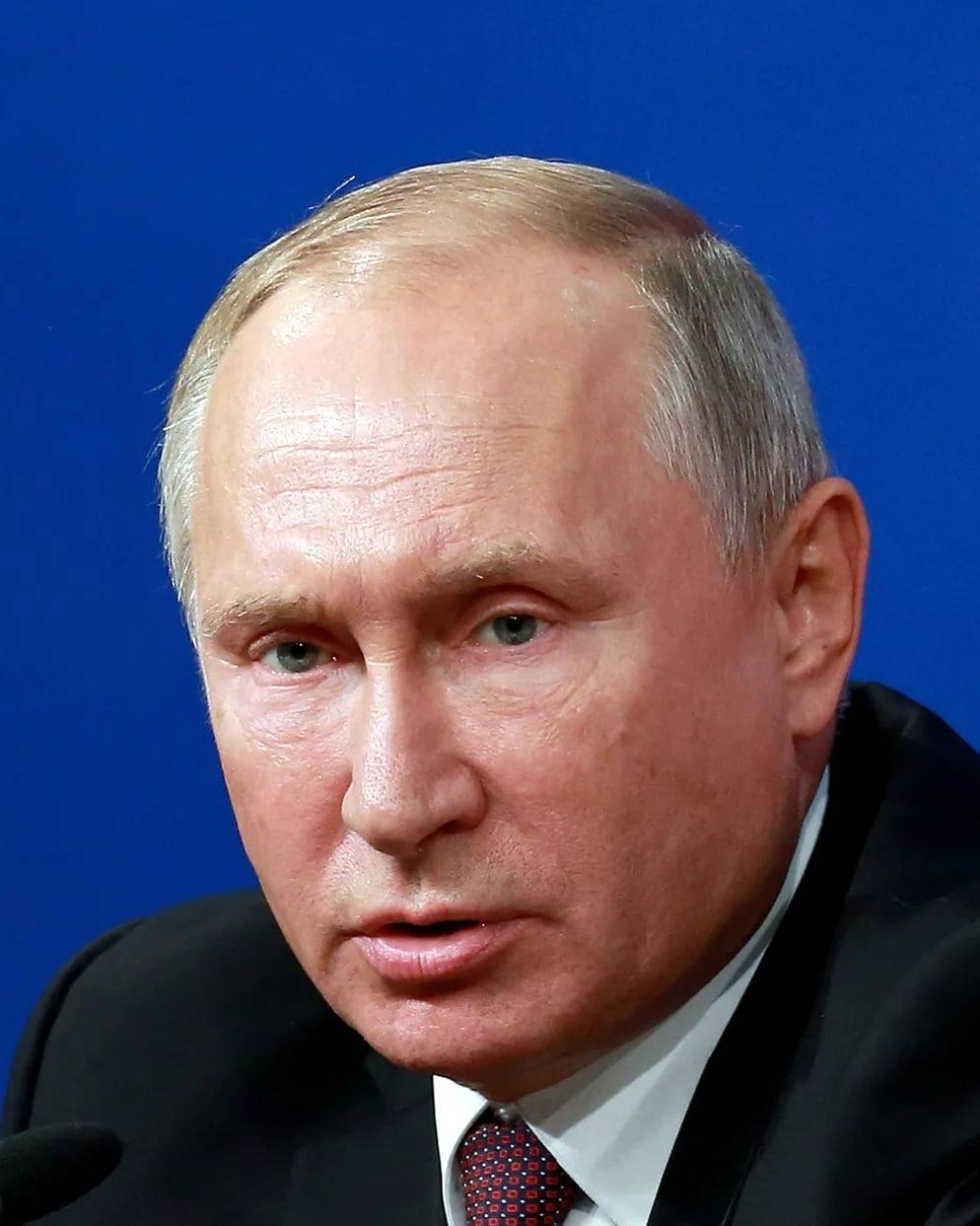
Putin’s rise is easiest to track through conditions he tried to lock down: the post-Soviet vacuum, the second Chechen war, the reassertion of federal control, and later the sanctions-and-war era that remade Russia’s position abroad. That is Observer friction—circumstances, territory, systems, and instability—more than a plea to be liked. The strength is stamina in harsh reality and a willingness to play for durability. The blind spot is that uncertainty itself can start to look intolerable, so securing borders, institutions, and command chains outranks admitting when the map has changed and the old plan is worsening the situation.