The Personality Atlas
THE CELEBRITY PERSONALITY ARCHIVE / FILMMAKING

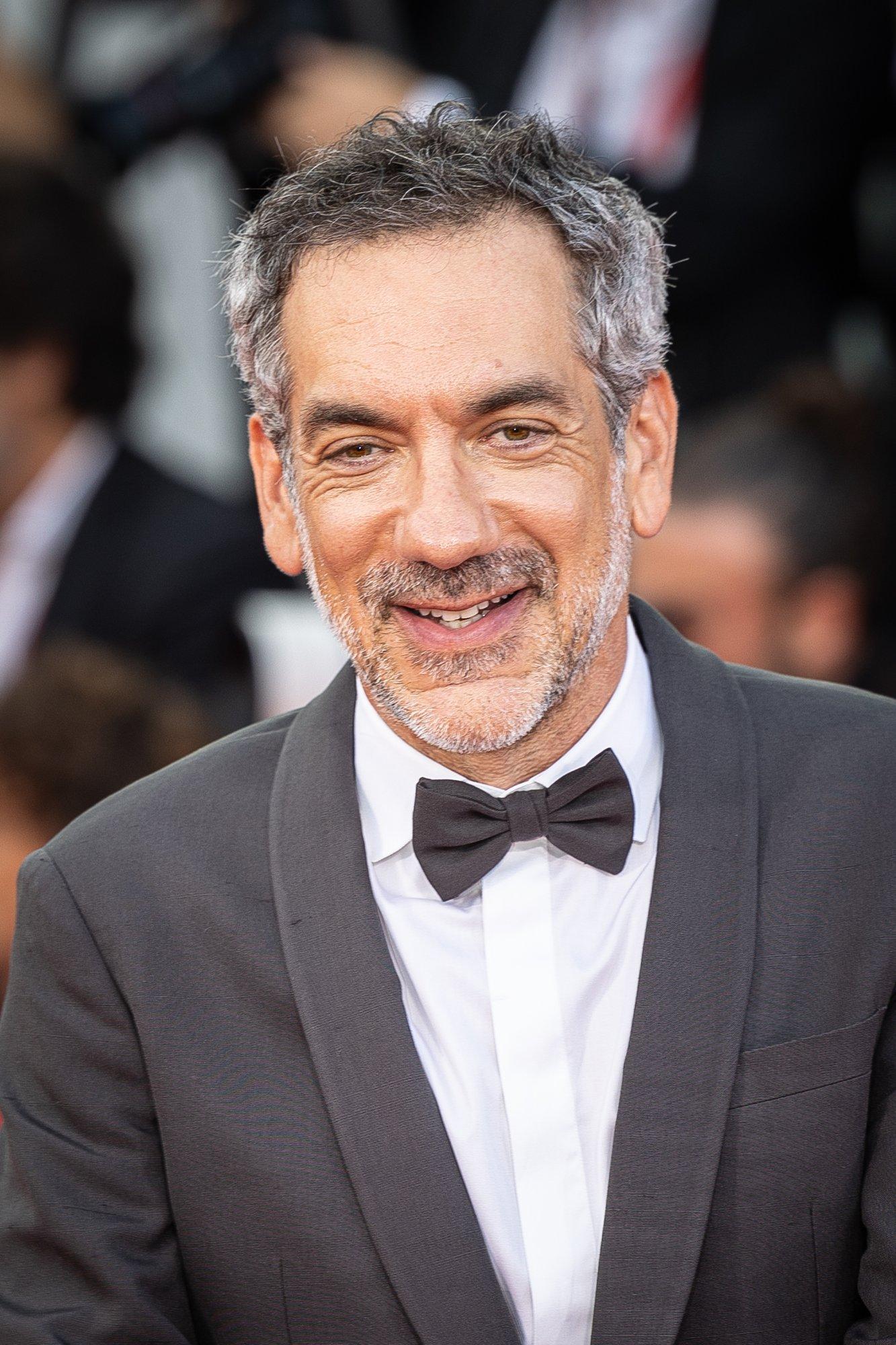
Todd Phillips.

Filmmaker · Writer · Producer

Todd Phillips built a career by taking chaotic public material and forcing it into a single, unmistakable frame: the outlaw spectacle of Hated, the frat-comedy machine of Old School and The Hangover, then the sour urban pressure-cooker of Joker. The jump from rowdy hitmaker to Golden Lion winner looked abrupt from the outside, but his throughline is narrower and sharper than that: pick a tone, commit hard, and dare the audience to come all the way inside it.

OBJECTIVE PERSONALITY CLASSIFICATIONMF-Ni/Fi-SB/P(C)What does this mean?
PERSONALITY SYSTEMObjective Personality
LEAD FUNCTIONNi · Introverted Intuition
SECOND SAVIOR FUNCTIONFi · Introverted Feeling
MBTI EQUIVALENTINTJ
01 / BEHIND THE CLASSIFICATION

The personality behind the fame.

How does a recorded OPS classification like MF-Ni/Fi-SB/P(C) break down? Walk through nine coins and watch the proposed type take shape. These are deductions from the archived code, not independent evidence of typing accuracy.

Scroll below to see Todd Phillips take shape.

STARTING POINT512 possible OPS typesEach type combines core functions, an animal order, and sexual modalities.
THE FINISH LINEMF-Ni/Fi-SB/P(C)One recorded classification, decoded from its components.
Todd Phillips’ HUMAN NEEDS 01—03
01
DECIDER OR OBSERVER?

Observer over Decider

Observers have more balanced Decider poles in the middle: Self (Di) and Tribe (De). Their own perspective and other people's perspectives tend to be easier to navigate. Things are the harder territory. Control (Oi) and Chaos (Oe) sit at the extremes, so disrupted plans, uncertainty, and a changing world can trigger the strongest reactions.

Todd Phillips’s career keeps turning on the management of unruly situations: leaving NYU because he couldn’t afford both tuition and his first film, pivoting from documentaries into studio comedies, then reframing a comic-book villain as a 1981 character study. The recurring tension is less about winning universal approval than about getting the setting, tone and conditions exactly right. That Observer strength can be ruthless adaptability. The blind spot is spending so much energy engineering the container that interpersonal friction or broader consequences look secondary until they become impossible to ignore.


O
02
SELF OR TRIBE?

Di · Self over De · Tribe

Self (Di) is the stronger deciding pole. They check decisions against their own values or reasons first: what makes sense to me, what feels right to me? The strength is independent conviction; the recurring friction is the Tribe (De)—other people's standards, feedback, and expectations. As the portrait unfolds, notice how Self takes the lead.

Phillips’s break with Borat over creative differences is a clean public example of Self over Tribe. Even on a commercially promising project, he was willing to walk when the direction no longer matched his own standard. The advantage is obvious: his films rarely feel committee-built. Road Trip, Old School, The Hangover and Joker all arrive with a strong owner’s stamp. The cost is that a firm internal verdict can close doors that diplomacy might keep open. When your compass is personal, collaboration has to pass through that filter first.

Di
03
GATHER OR ORGANIZE?

Oi · Organize over Oe · Gather

Organize (Oi) leads with refining, preserving, and structuring what is already known. Its strength is preparation and clear direction; the recurring friction is unexpected change that disrupts the plan. Another layer of the personality portrait comes into focus.

Look at the worlds Phillips chooses to lock onto: the outlaw chaos of Hated, fraternity culture in Frat House, the tightly controlled disaster engine of The Hangover, and the single bleak mood of Joker. Organize over Gather prefers narrowing the frame until everything serves one governing premise. That focus is a strength; it helps him turn sprawling material into a movie with a hard, memorable identity. The tradeoff is selectivity. Once the organizing vision is set, alternative tones, new directions or messier possibilities can get trimmed away too early.

Oi
FIRST THREE COINSO + Di + Oi

These establish the preferred human needs in the OPS framework.

Todd Phillips’ FUNCTIONS 04—05
04
FEELING OR THINKING?

Feeling · F over Thinking · T

Feeling (F) evaluates decisions through values, meaning, and what matters—not simply through emotion. Its strength is a clear sense of significance; Thinking (T) provides balance through impersonal reasons, consistency, and evidence. Combined with Self (Di), this forms the recorded Savior Fi.

Phillips’s public record shows a filmmaker willing to make taste-based calls that are not purely strategic. Leaving Borat over creative differences and later saying he stepped away from studio comedies amid culture-war backlash both point to Fi: an internal value judgment about what he wants to make and what he no longer wants to keep negotiating. The strength is tonal conviction. He commits. The blind spot is that a personally clear standard can still leave practical questions unresolved—how a choice lands with collaborators, audiences or an industry that does not share the same threshold for what is worth fighting for.

F → Fi
05
SENSING OR INTUITION?

Intuition · N over Sensing · S

Intuition (N) focuses on concepts, patterns, and what information might mean. Sensing (S) balances it through observable facts, physical detail, and direct experience. Combined with Organize (Oi), this gives the recorded Savior Ni.

Joker is the clearest public case for Phillips’s Intuition coin. Rather than treat the character as one more comic-book property, he narrowed it into a specific 1981 descent, one grim throughline, one atmosphere strong enough to win the Golden Lion and polarize people on the same weekend. Ni excels at compressing chaos into a single interpretation that feels inevitable once you are inside it. The cost is tunnel vision. A powerful framing device can make every detail serve the thesis, even when reality is more mixed, awkward or open-ended than the concept admits.

N → Ni
THE TWO SAVIOR FUNCTIONSNi / Fi

Opposing functions: Se and Te. This is a jumper classification.

Todd Phillips’ ANIMAL STACK 06—07
06
PLAY OR SLEEP?

Sleep over Play

Play emphasizes external real-time engagement; Sleep emphasizes internal processing. The recorded stack places Sleep earlier.

Phillips’s career often shows Sleep over Play: long stretches of privately consolidating a tone, then releasing work that feels unusually settled in its own point of view. He repeatedly writes, directs and produces the same project, from The Hangover sequels to Joker, which keeps the final world internally consistent. That private synthesis is a real strength. The growth cost is that open-ended back-and-forth can arrive as interference rather than fuel. When the internal version is already vivid, real-time collaboration has to fight harder to change the movie before the movie starts announcing itself.

S > P
07
CONSUME OR BLAST?

Blast over Consume

Consume gathers information for internal processing; Blast organizes and communicates information. The recorded order is Sleep → Blast → Play → Consume. This comparison follows their positions in that stack.

After that private consolidation, Phillips tends to move toward Blast over Consume. He does not linger forever in research mode; he packages the take and delivers it at scale, whether that means turning The Hangover into a globe-spanning franchise or pushing Joker from screenplay to Venice prizewinner. Sleep plus Blast can be formidable: first lock the vision, then state it clearly enough for cast, crew and audiences to follow. The cost is informational hunger. A director can become so ready to declare the message that fresh input starts feeling like delay rather than a necessary challenge.

B > C
Todd Phillips’ ANIMAL ORIENTATION 08—09
08
INFO OR ENERGY DOMINANT?

Energy over Info

Energy dominant means Play and Sleep are both in the top three: there is access to expending energy through engagement and conserving it through internal processing. Consume last leaves the information side uneven—Blast may broadcast more than gets taken in.

Phillips reads as Energy-dominant because Sleep and Play both land above his last animal. Publicly, that shows up in a career that can alternate between internal incubation and large-scale production bursts: documentaries, studio comedies, sequels, then the sharp left turn into Joker. The balance is useful—he can conserve a private center and still mobilize people around a production. The void sits with Consume last. Communicating and doing can outrun taking in. The growth cost is not more activity; it is making room for more outside material before doubling down on the next fully formed direction.

Energy
09
INTROVERSION OR EXTROVERSION?

Extroversion over Introversion

The last animal, Consume, determines this OPS coin: Play or Blast last means Introversion; Consume or Sleep last means Extroversion. This describes animal orientation, not sociability or shyness.

Phillips’s last animal is Consume, which makes this Atlas Extroversion—not because he looks socially outgoing, but because taking in fresh information comes after private processing, messaging and engagement. He can be blunt in interviews or secluded on a ranch; neither image decides the coin. The pattern to watch is simpler: does new data get invited in early, or after the tone is already set? Consume last can give a director unusual decisiveness. Its blind spot is treating additional input as something to manage after the framework is built instead of before it hardens.

E
Sexual Modalities

The four sexual modalities.

OPS uses masculine/feminine sensory and extroverted-deciding distinctions as framework-specific terms, not gender categories. The four modalities are already included in the original 512 types. The recorded modality is MF · Audio.

MM KinestheticMasculine Sensory · Masculine De
MF RECORDED MODALITYAudioMasculine Sensory · Feminine De
FF TesterFeminine Sensory · Feminine De
FM VisualFeminine Sensory · Masculine De
COMPLETE RECORDED OPS TYPE · MODALITY INCLUDEDMF-Ni/Fi-SB/P(C)

Ni leads, Fi supports, and the animal stack is Sleep → Blast → Play → Consume.

THE FINISHED PORTRAIT · ALL NINE COINS REVEALED

Todd Phillips's complete function and animal stack

SleepBlastPlayConsumefNifTemFimSe
MF-Ni/Fi-SB/P(C)DOUBLE ACTIVATED · BLASTExplore the Interactive Coin Builder →
THE TODD PHILLIPS LENS

The man behind the controlled chaos

Phillips’s public reputation swings between two easy caricatures: the guy who minted a billion-dollar bachelor-party franchise and the director who steered Joker to Venice’s top prize. What links them is less genre than control. Behind the provocation is a filmmaker repeatedly trying to impose one hard frame on messy material.

Ni/Fi gives him a strong pair for building movies with a singular tonal spine and a personally chosen line about what belongs in that world. That combination can make the work feel authored instead of focus-grouped. Its limit is rigidity: once the vision feels morally and aesthetically right to him, outside correction has to work much harder.

As an Observer and Double Decider—the exact Atlas pairing here—Phillips is still working the classic Observer imbalance: too much attention on conditions, framing and control, not enough on the human mess that refuses to stay inside the plan. The neglected function opposite his lead savior Ni is Se, the raw present-tense data that can complicate a perfectly coherent interpretation.

Sleep → Blast → Play → Consume helps explain why Phillips can retreat, settle the thesis, and then deliver it with unusual force. With Consume last, the weakness is not effort or boldness but late-arriving intake: new evidence can show up after the direction already feels locked. The balancing move is simple and concrete—bring a few disconfirming voices into development early, before the tone calcifies, and keep the sharp authorship intact.

Want to understand the Savior and Demon states behind these nine coins? Explore the complete explanation, visual examples, and typing principles on our Methodology page →

02 / KEEP EXPLORING

Different faces. Familiar patterns.

Explore other celebrities with related recorded OPS classifications. Related functions are not necessarily exact type matches.

Discover Type Twins
YOUR TURN

Curious about your own type?

Discover how your own personality might be classified through Objective Personality.

Get objectively typed
Todd Phillips's Personality Type & OPS Profile | The Personality Atlas